
Saint Justa and Saint Rufina — History & Facts
What holds the viewer here is not the drama of martyrdom, but the intimacy of suffering shared. The two young women at the heart of Saint Justa and Saint Rufina by Antonio Maria Esquivel lean into each other, their bodies forming a single, gentle arc. One gazes upward, her eyes searching the heavens, while the other, exhausted, rests her head on her companion’s shoulder.
The light falls softly on their faces and bare shoulders, drawing the eye to the bruises and blood that mark their ordeal, yet the palette remains muted, almost tender, as if to shield them from further pain. At their feet, the broken pottery and heavy chains speak quietly of their trials, while above, two cherubs descend with palm fronds—symbols of victory in martyrdom—offering a silent promise of reward. Painted in 1844, this work belongs to a period when Spanish artists often revisited the lives of saints, especially those venerated in their own cities. Saints Justa and Rufina, celebrated in Seville for their steadfast faith and tragic deaths, are rendered here with a focus on emotional truth rather than spectacle.
The painting’s gentle melancholy and restrained composition reflect the era’s shift toward Romantic sensibility, where feeling and inner life mattered as much as outward action. Little is recorded about the specific journey of this canvas, but its survival in a collection today allows us to witness how nineteenth-century devotion and artistic sensitivity could combine in a single, quietly powerful image. Notice how the artist’s choices invite you to linger not on the violence, but on the bond between the two figures—an invitation to see sanctity in the act of consolation itself.
More Artworks by Antonio Maria Esquivel

Baldomero Espartero
Antonio Maria Esquivel
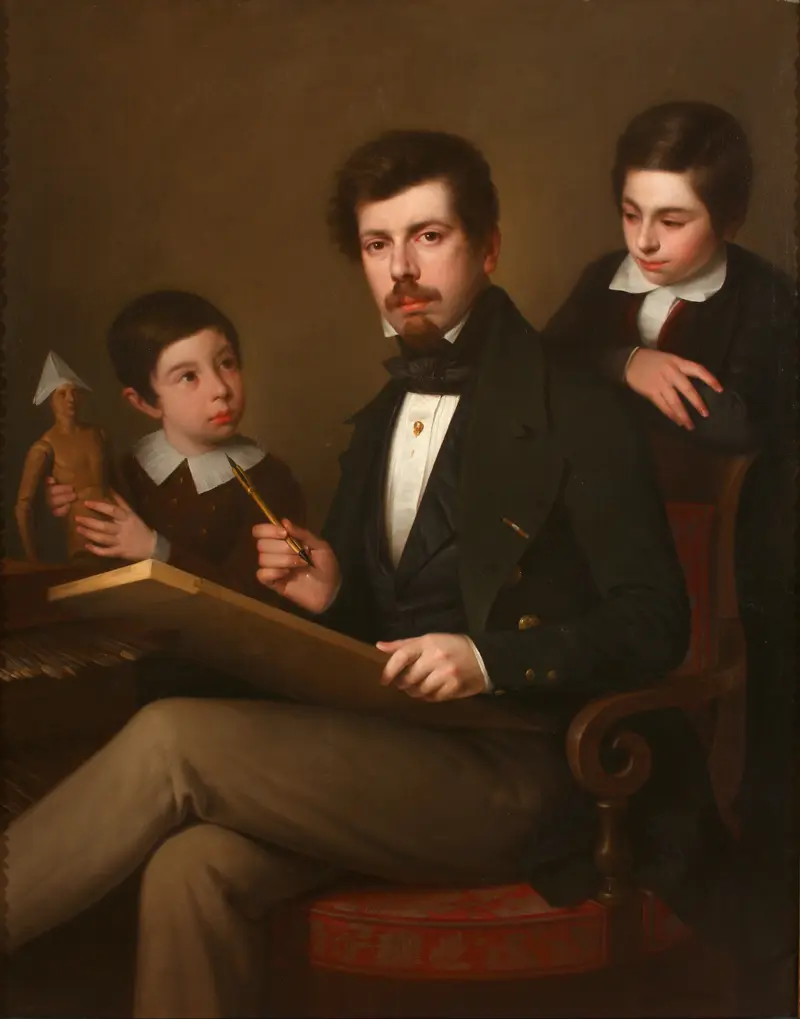
Self-portrait with his sons Carlos and Vicente
Antonio Maria Esquivel
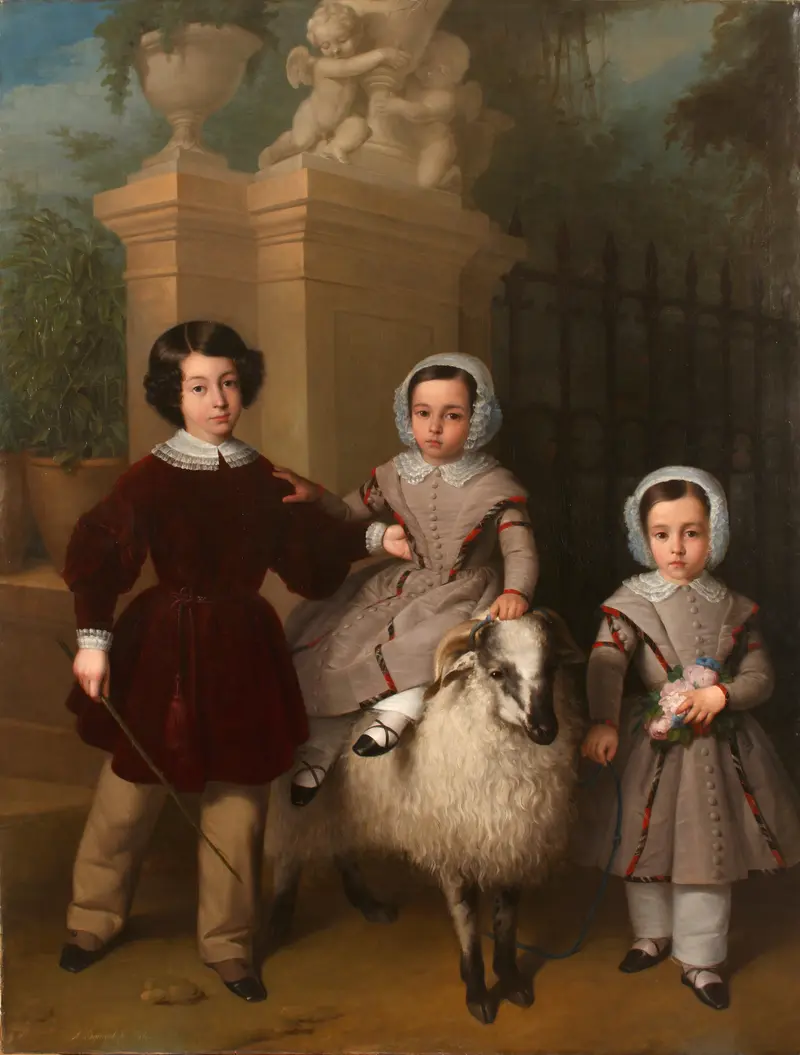
Children playing with a ram
Antonio Maria Esquivel
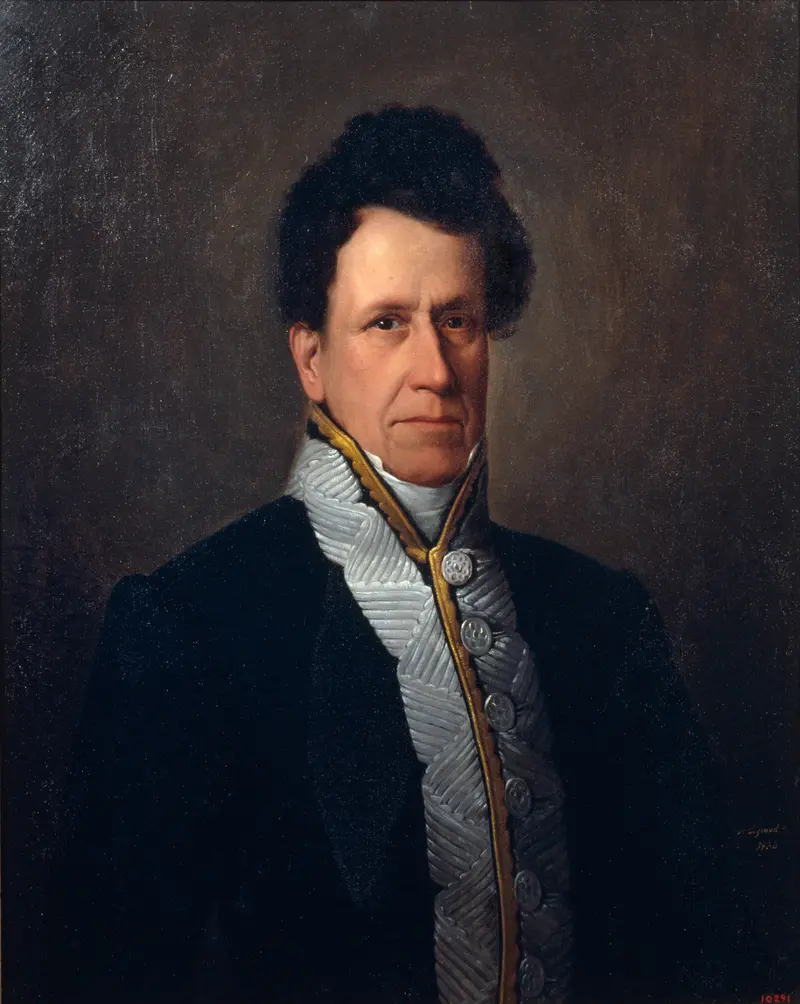
Portrait of Manuel Mª Gutiérrez
Antonio Maria Esquivel
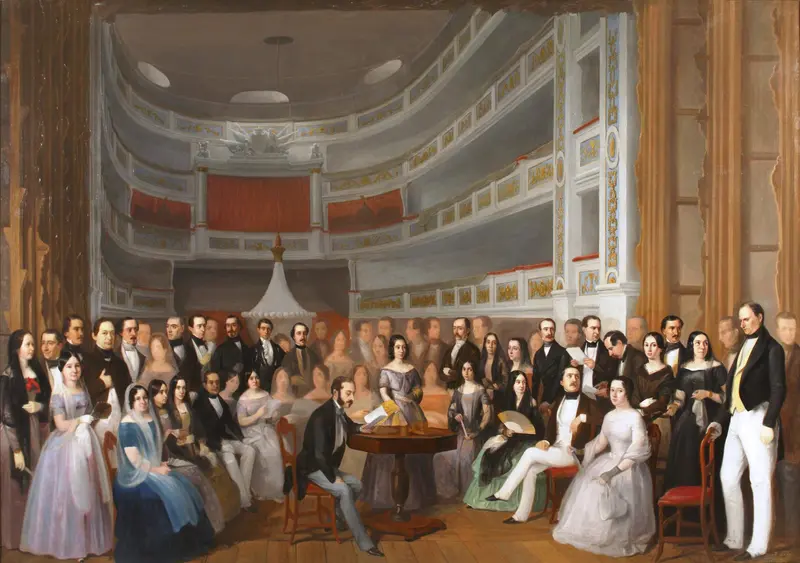
Ventura de la Vega reading a play at the Teatro del Príncipe
Antonio Maria Esquivel
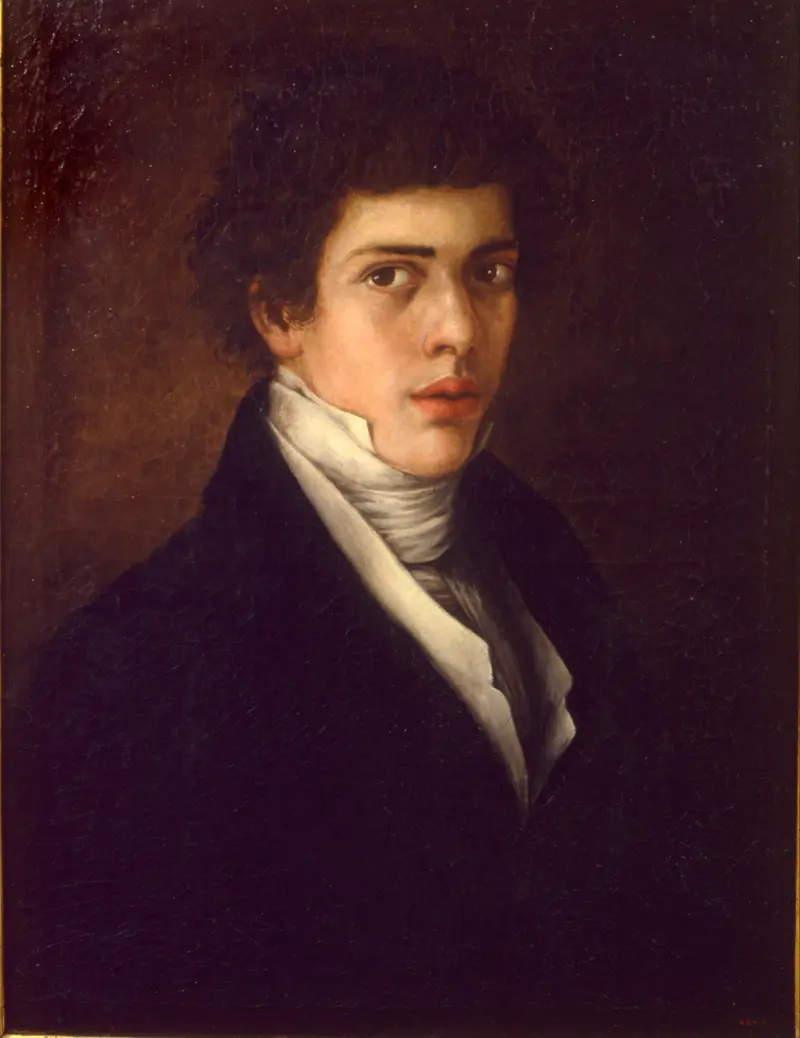
Self-portrait
Antonio Maria Esquivel
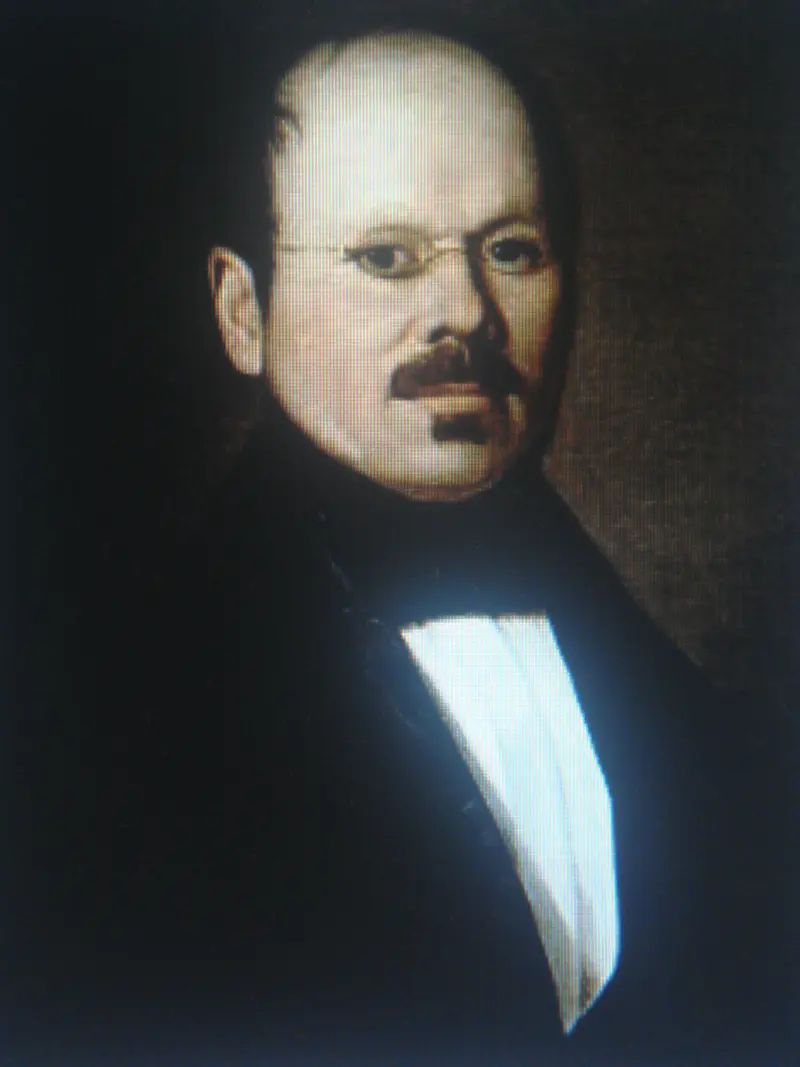
Antonio Benavides Fernández de Navarrete (Real Academia de la Historia)
Antonio Maria Esquivel
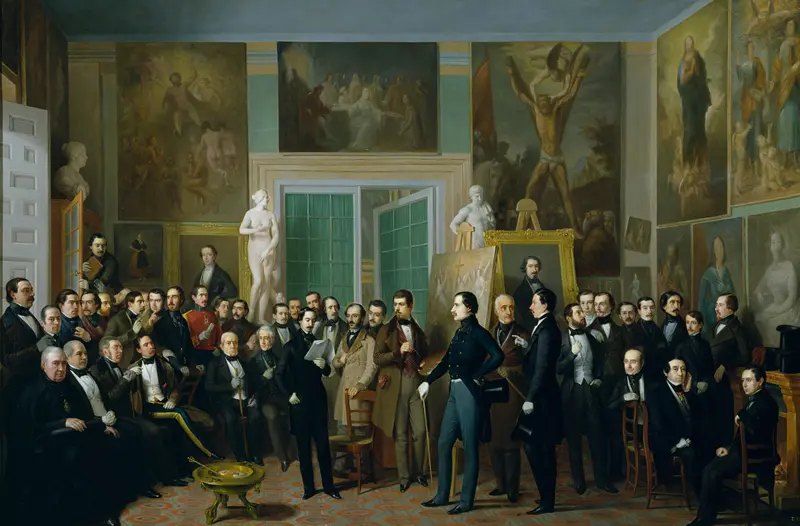
The Contemporary Poets. A Reading of Zorrilla in the Artist's Studio
Antonio Maria Esquivel
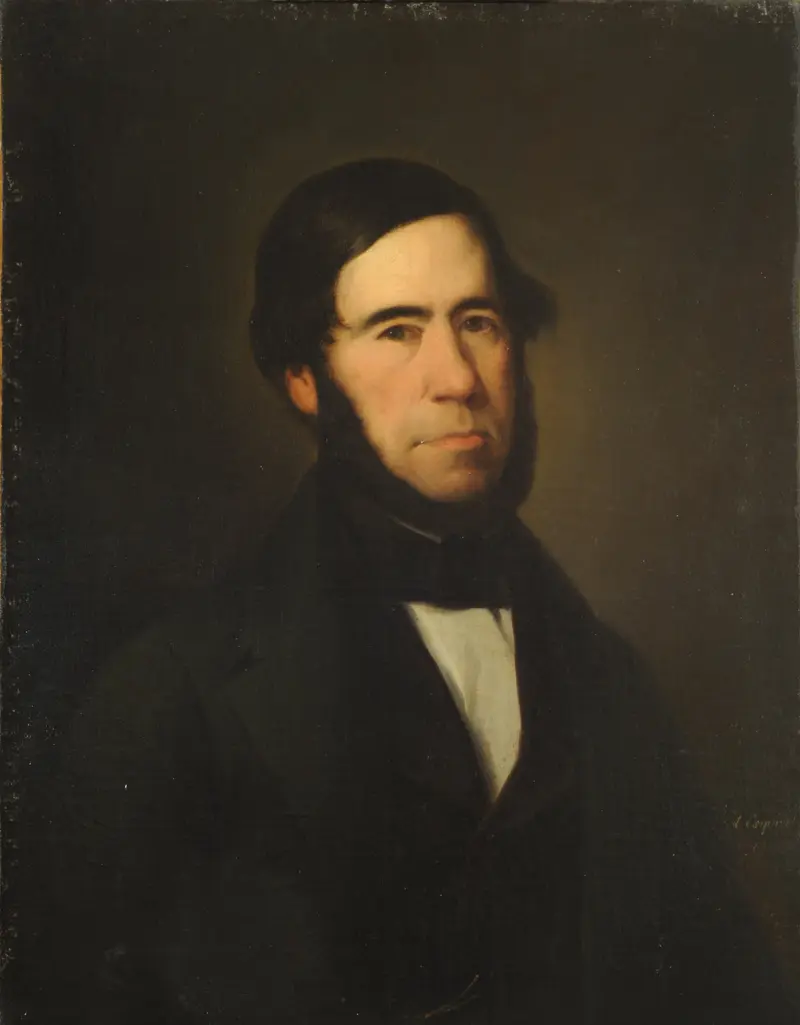
Portrait of Don Manuel José de Guerrico
Antonio Maria Esquivel
Portrait of Cesáreo María Sáenz y de la Barrera
Antonio Maria Esquivel





