
Baldomero Espartero — History & Facts
What first arrests the eye in Baldomero Espartero by Antonio Maria Esquivel is the dazzling parade of medals and gold embroidery, a display of authority so dense it almost becomes a second armor. The general’s upright pose, hand resting on a gilded sword hilt, signals a man accustomed to command, while his other hand loosely grasps a plumed bicorn hat—an accessory that softens the martial air with a touch of theatricality. Every detail is calculated: the crisp red sash, the blue and white orders crossing his chest, the epaulettes catching the light, all serve to draw the gaze upward to a face that is both vigilant and distant.
The background, a sweep of clouded sky, frames him in a moment of poised anticipation, as if the next chapter of his story waits just beyond the horizon. Painted in 1841, this portrait belongs to a tradition in which military leaders were immortalized at the height of their power, their images intended as much for public reassurance as for private pride. In the Spain of the early nineteenth century, such portraits were often commissioned to assert legitimacy and celebrate victory, especially in a time of political upheaval. Baldomero Espartero stands not only as a likeness of a real man—prince, regent, and general—but as a symbol of the shifting tides of Spanish history.
The artist’s attention to regalia and bearing reflects the era’s reverence for order and hierarchy, even as the world around the sitter was anything but stable. In the gleam of medals and the set of his jaw, viewers can glimpse both the weight of responsibility and the careful construction of public image—an invitation to look closer, and to wonder what lies beneath the surface.
More Artworks by Antonio Maria Esquivel
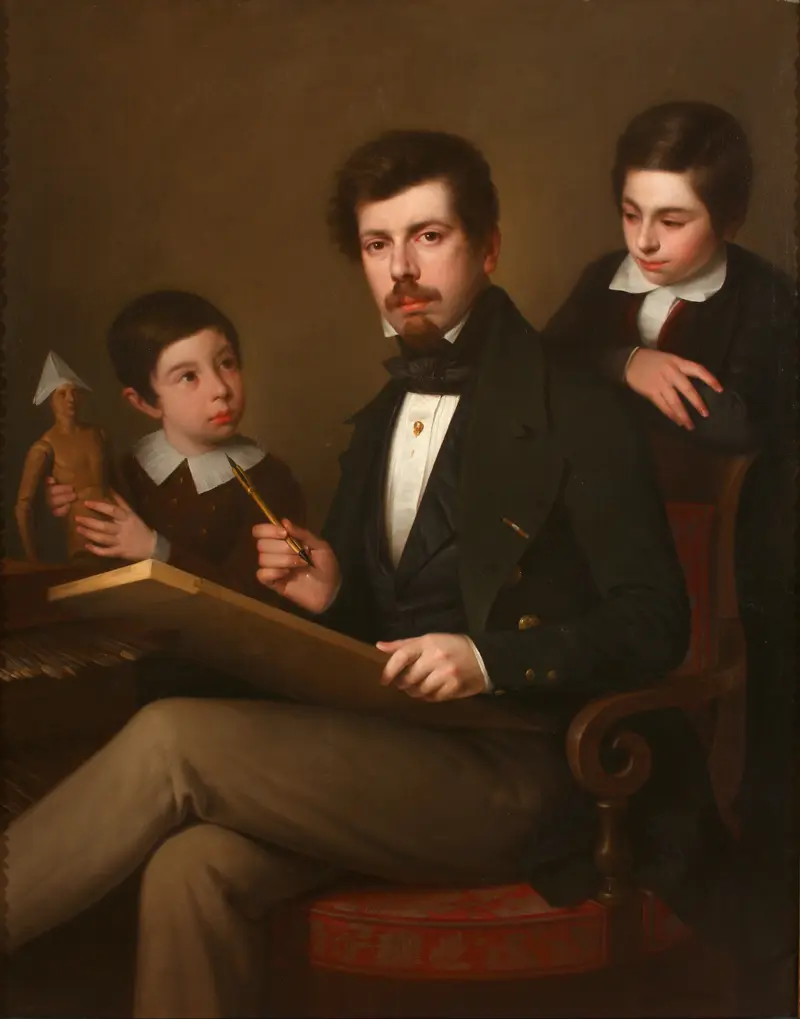
Self-portrait with his sons Carlos and Vicente
Antonio Maria Esquivel
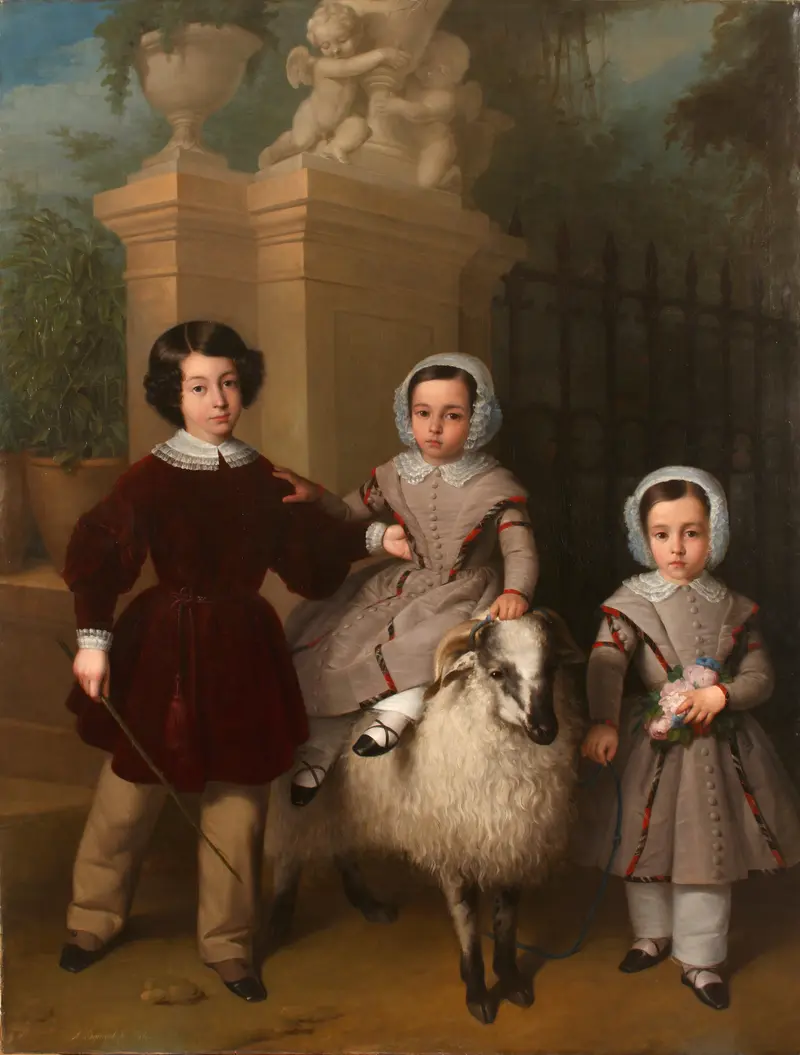
Children playing with a ram
Antonio Maria Esquivel
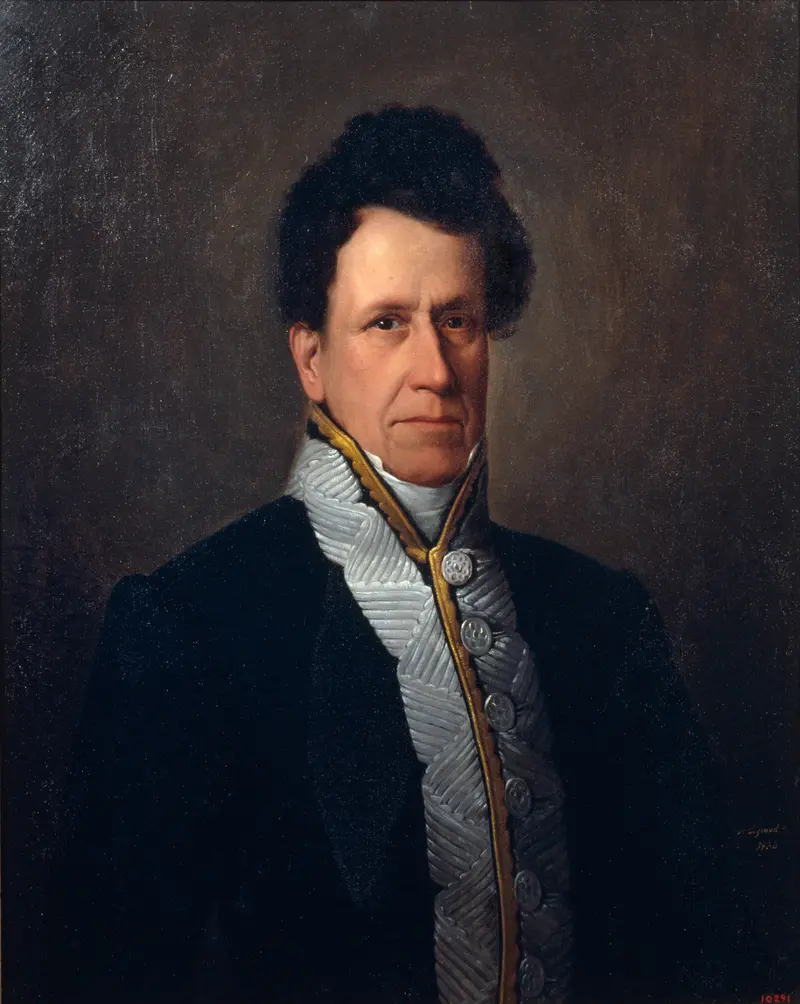
Portrait of Manuel Mª Gutiérrez
Antonio Maria Esquivel
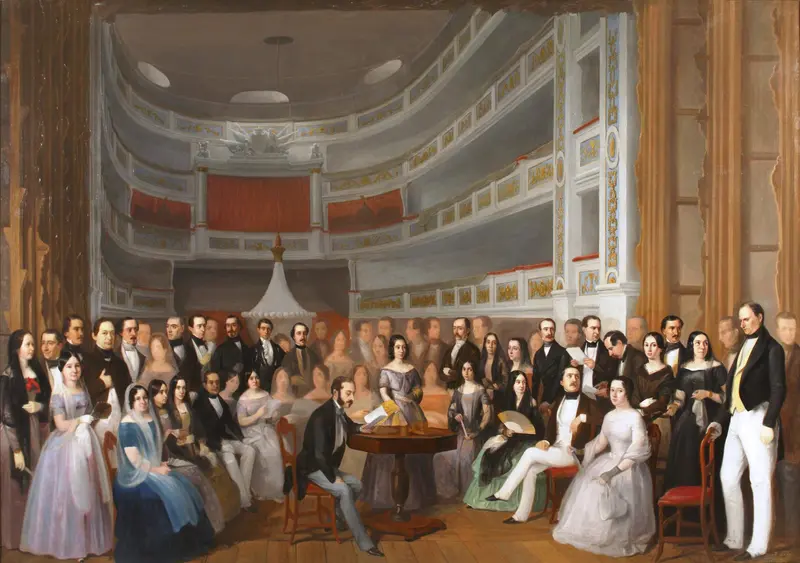
Ventura de la Vega reading a play at the Teatro del Príncipe
Antonio Maria Esquivel
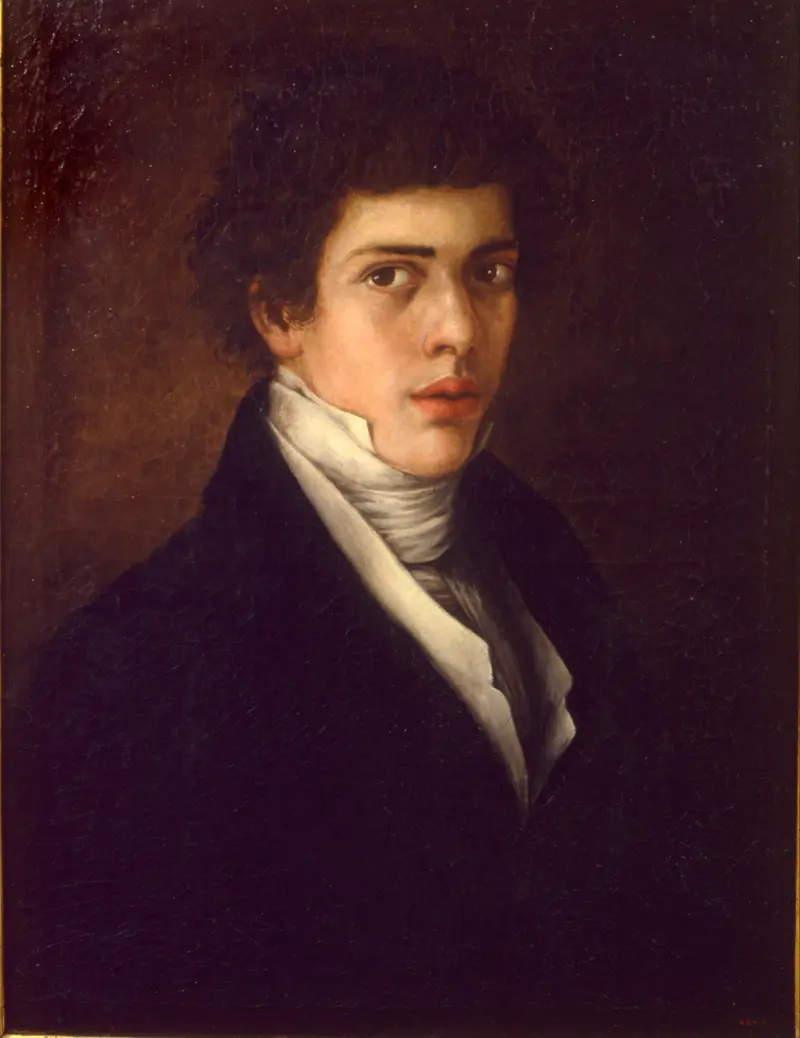
Self-portrait
Antonio Maria Esquivel
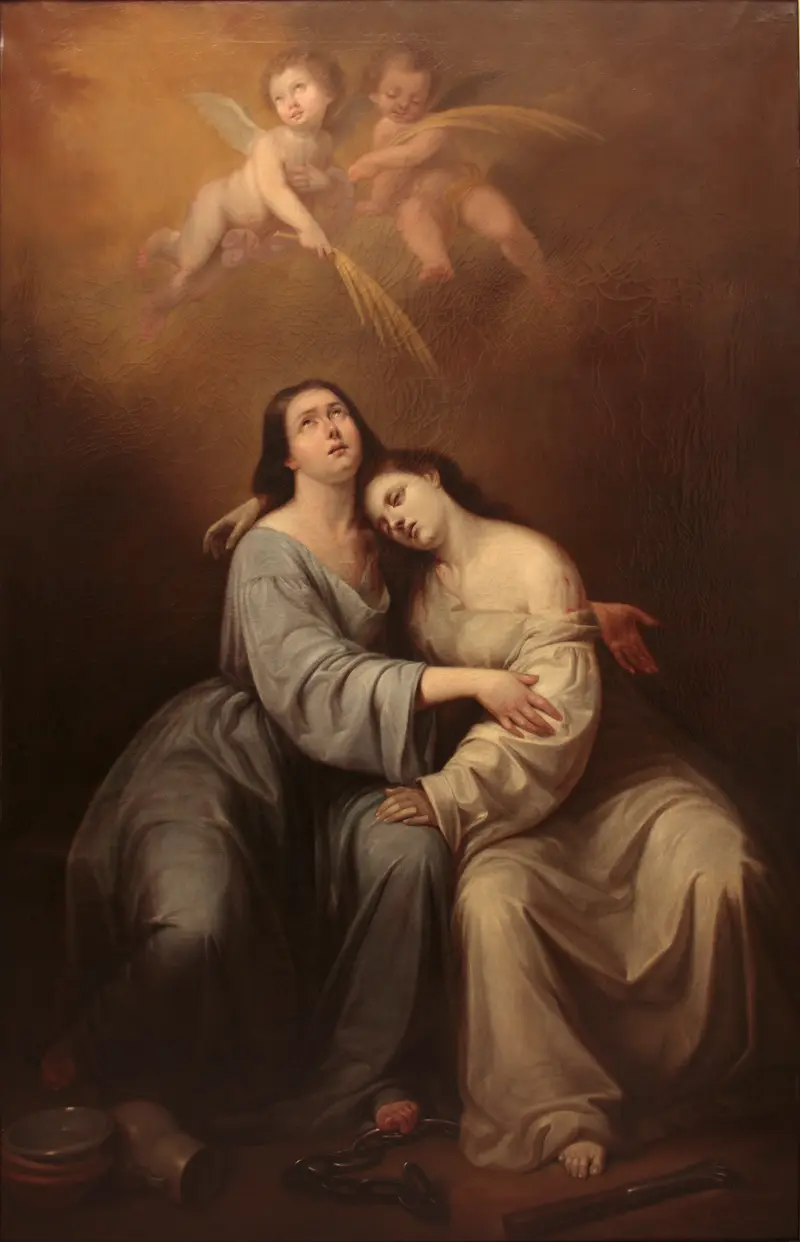
Saint Justa and Saint Rufina
Antonio Maria Esquivel
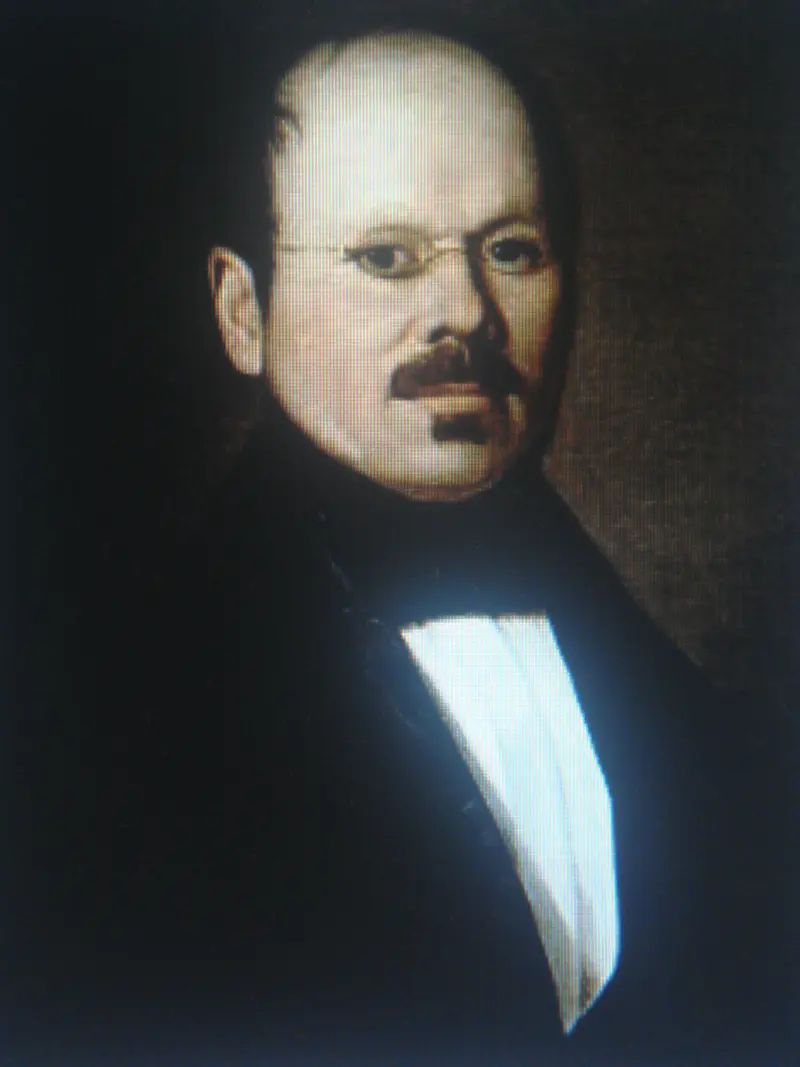
Antonio Benavides Fernández de Navarrete (Real Academia de la Historia)
Antonio Maria Esquivel
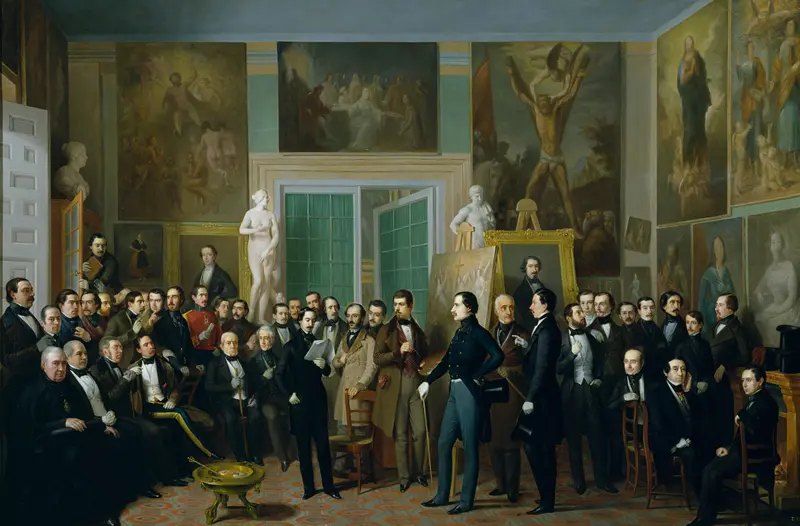
The Contemporary Poets. A Reading of Zorrilla in the Artist's Studio
Antonio Maria Esquivel
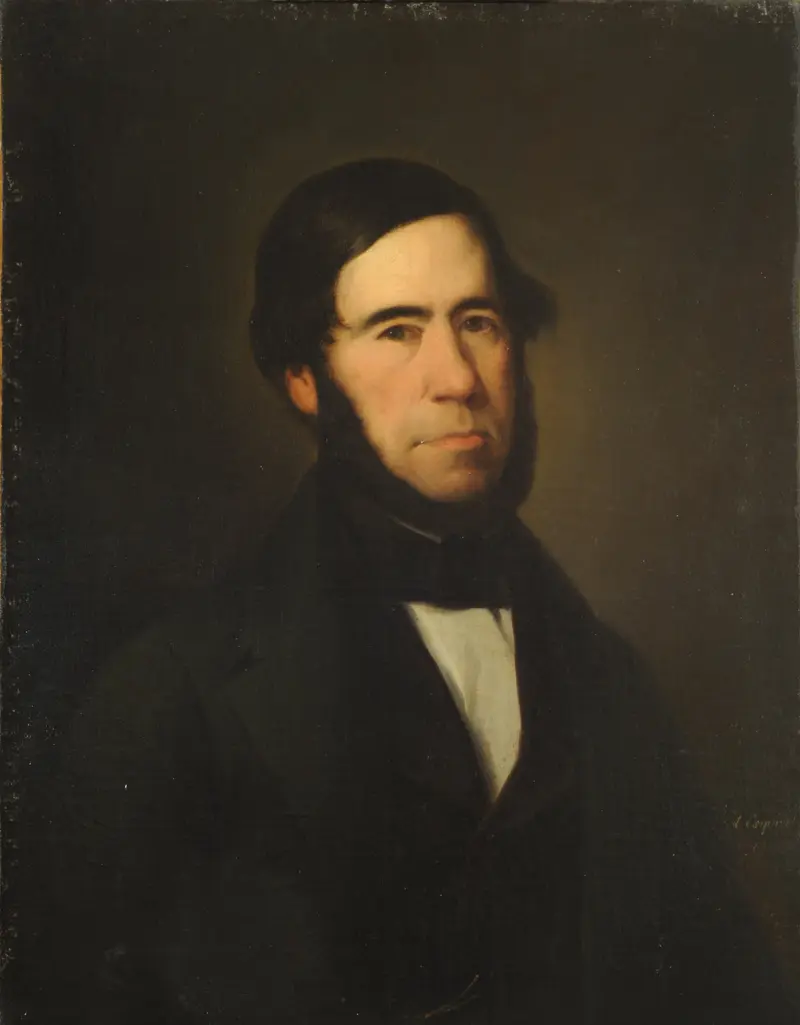
Portrait of Don Manuel José de Guerrico
Antonio Maria Esquivel
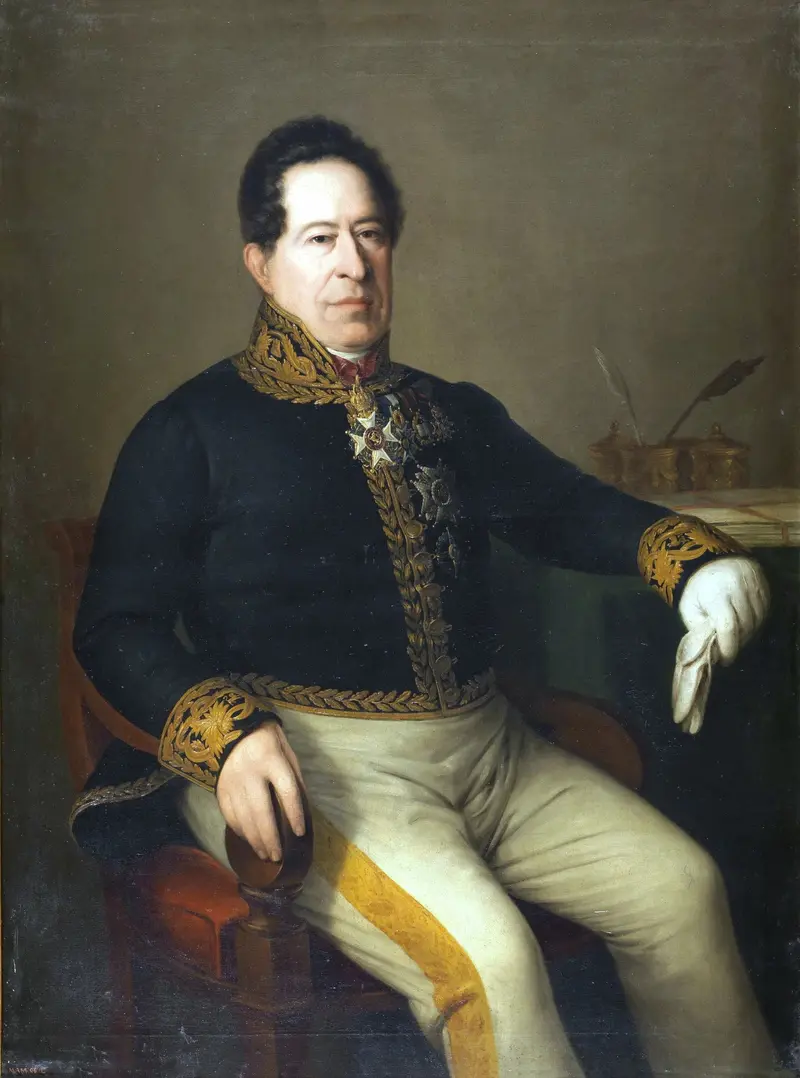
Portrait of Cesáreo María Sáenz y de la Barrera
Antonio Maria Esquivel





