
An Englishman at Mabille — History & Facts
When An Englishman at Mabille was first exhibited in 1861, Parisian critics were quick to note its biting wit and sharp observation, recognizing in it not just a scene of nightlife but a sly commentary on cultural encounter. Gustave Doré was already famous for his satirical illustrations, but here he turned his eye to the real-life spectacle of the Jardin de Mabille, a fashionable open-air dance garden in Paris, and the peculiar figure of the foreign tourist who became both observer and spectacle. The painting’s title refers to the Englishman—an outsider whose awkwardness among the Parisian revelers was a source of amusement and fascination for locals.
In a city obsessed with modernity and display, Doré’s work captured the collision of worlds that typified the era. At the heart of the scene, Doré freezes the Englishman in a moment of stilted amazement, his stiff posture and sober dress setting him apart from the swirling gaiety of the Mabille crowd. Around him, dancers whirl in a blur of color and movement, their gestures loose and exuberant, while the Englishman’s monocle and top hat mark him as a figure of comic reserve. The electric lamps—newly fashionable in Paris—cast a harsh, theatrical light, heightening the sense of spectacle.
Unlike the more romantic depictions of Parisian nightlife by Jean Béraud, Doré’s approach is satirical, using exaggerated contrasts and precise detail to highlight the absurdities of both the observer and the observed. The precise medium of An Englishman at Mabille remains uncertain, though Doré was equally skilled in oil, watercolor, and print. The painting’s early history is not fully documented, but it is typical of Doré’s work in the early 1860s, when he was moving between illustration, painting, and caricature. Today, the work stands as a vivid document of Second Empire Paris, and a testament to Doré’s keen eye for social comedy.
Its place in his career marks a brief but telling foray into genre painting, before his later fame as an illustrator of Dante and Cervantes would eclipse his reputation as a painter of modern life.
More Artworks by Gustave Doré

The Deluge
Gustave Doré
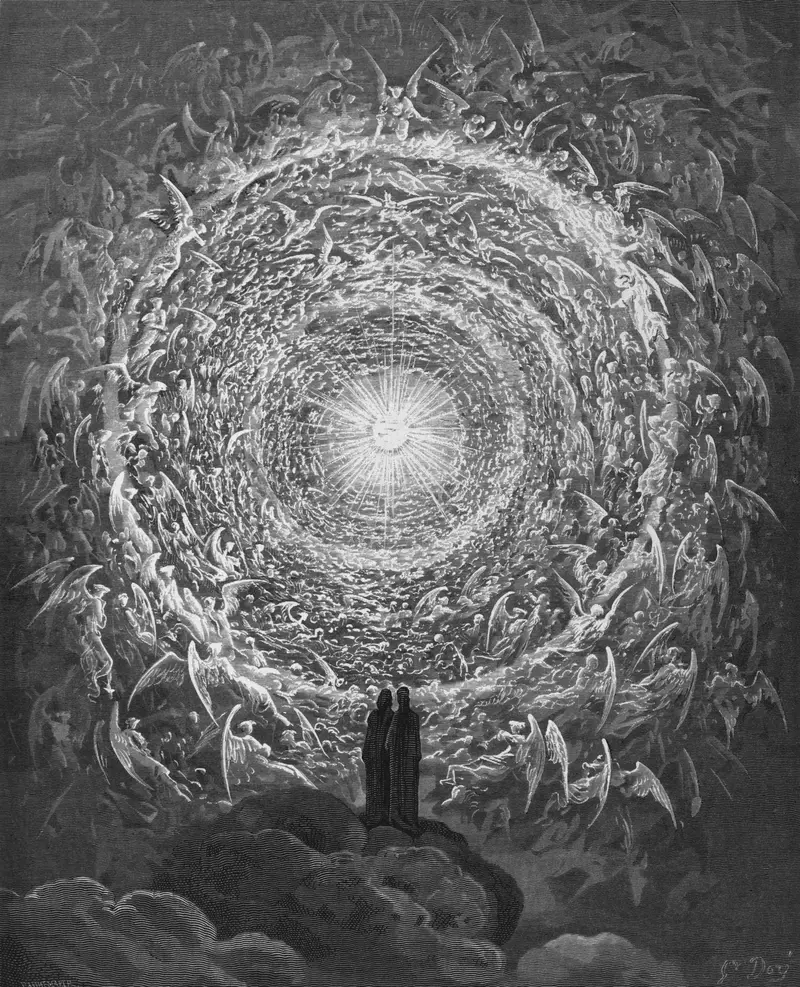
The Empyrean (Paradiso, Canto 31)
Gustave Doré
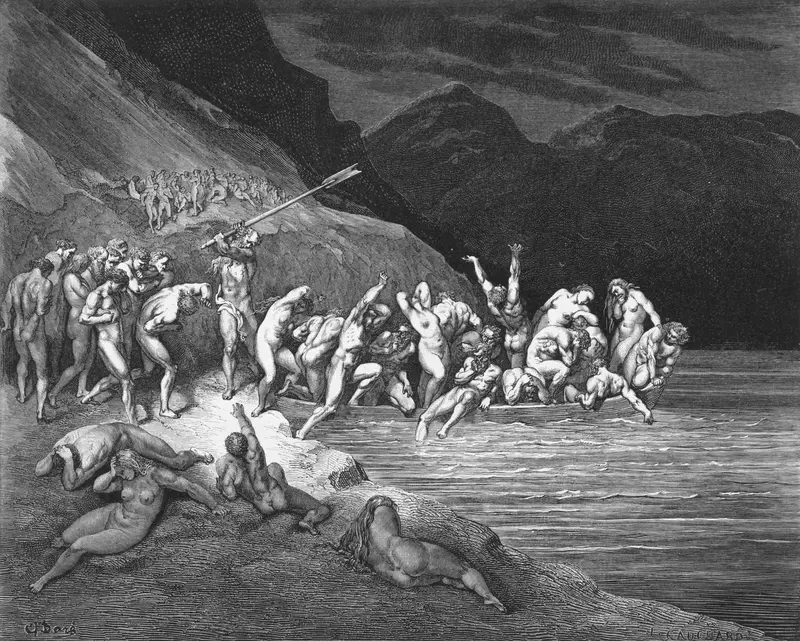
Charon (Inferno, Canto 3)
Gustave Doré
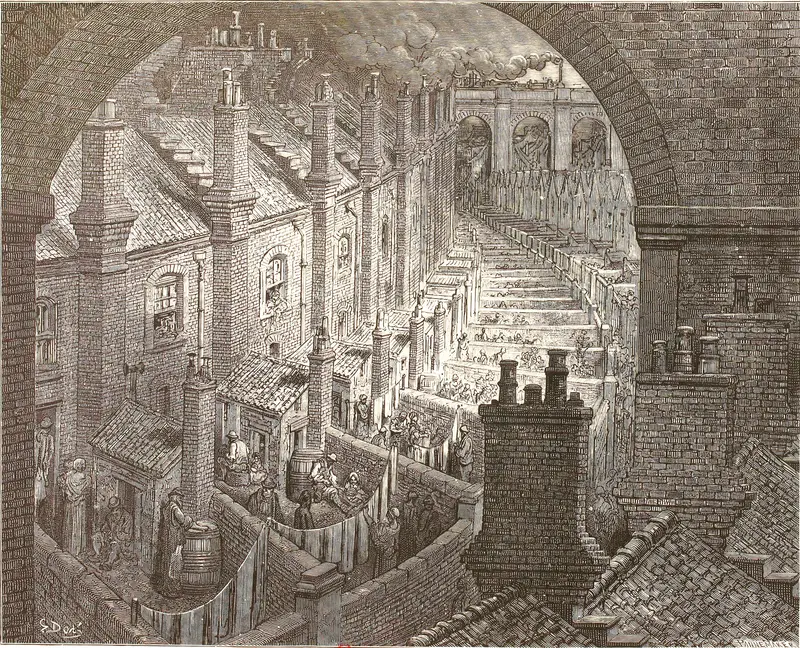
Over London by Rail
Gustave Doré
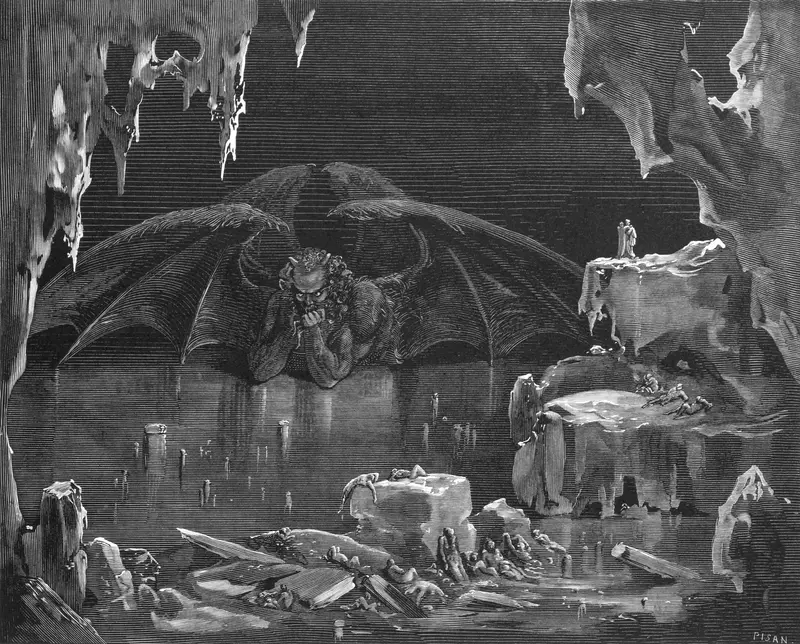
Lucifer, King of Hell
Gustave Doré
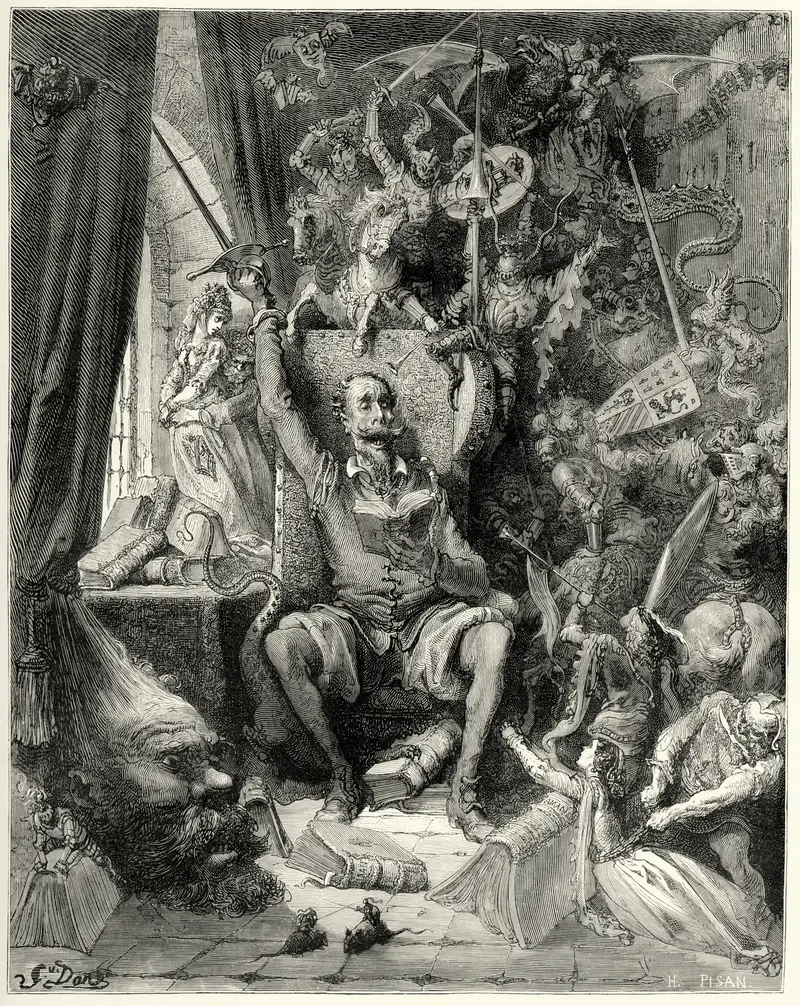
Don Quixote in His Library
Gustave Doré
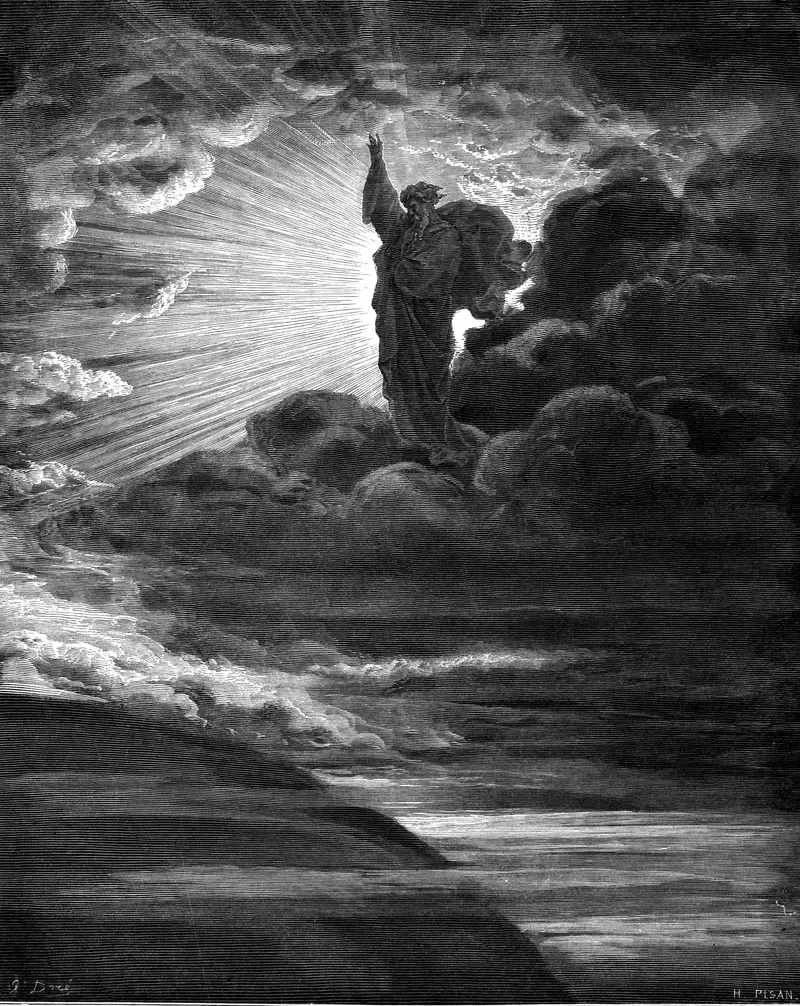
The Creation of Light
Gustave Doré
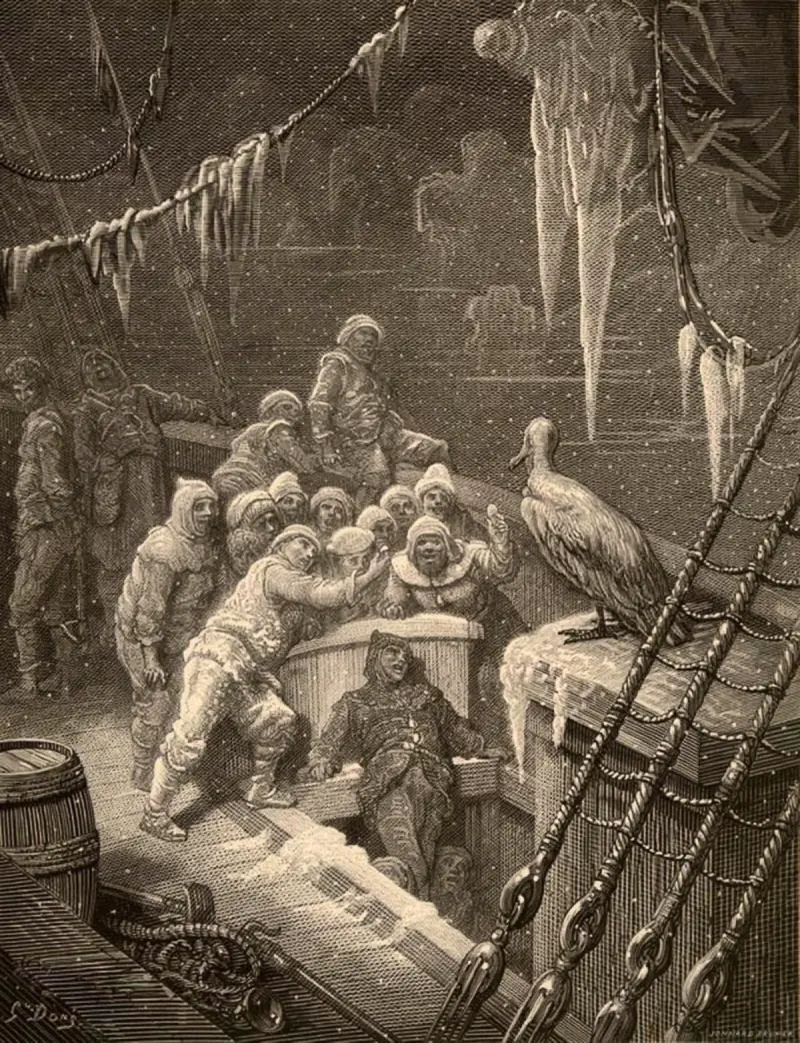
The Albatross (The Rime of the Ancient Mariner)
Gustave Doré
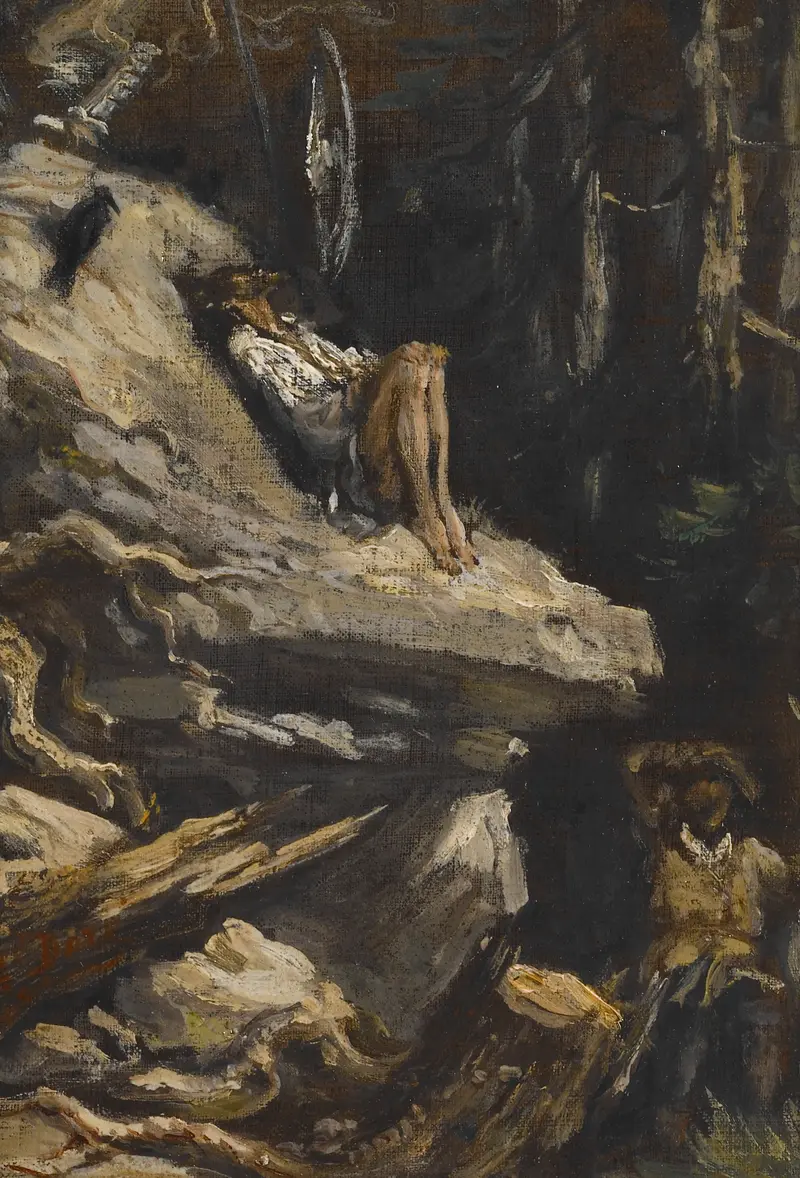
"'Alas!' answered Sancho, 'I found him in his shirt, lean, pale, and almost starved, sighing for his Lady Dulcinea'" from Don Quixote
Gustave Doré
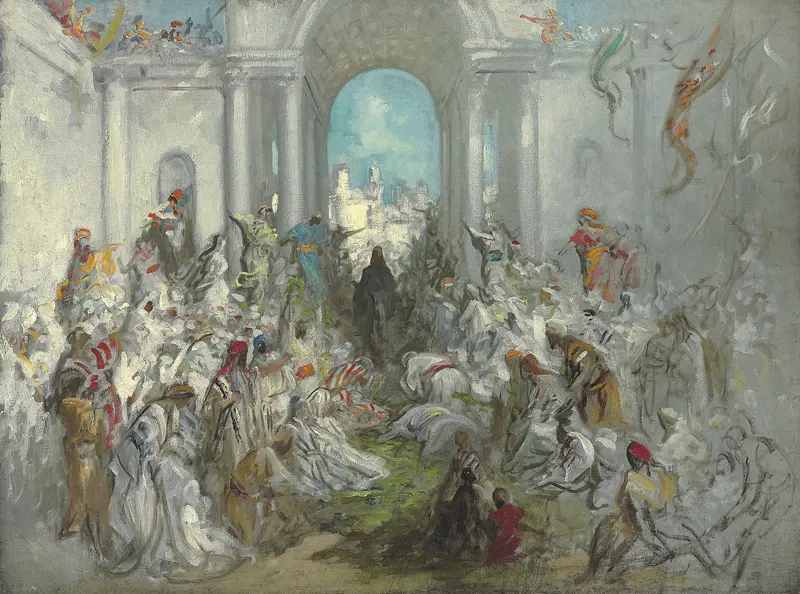
Christ's Entry into Jerusalem
Gustave Doré
More Genre Scene Art

Banquet of the Officers of the St George Civic Guard
Frans Hals

Rembrandt and Saskia in the Scene of the Prodigal Son
Rembrandt van Rijn

Bal du moulin de la Galette
Pierre-Auguste Renoir

Quadrille at the Moulin Rouge
Henri de Toulouse-Lautrec

A Burial at Ornans
Gustave Courbet

When Will You Marry?
Paul Gauguin