
Angel Holding a Phylactery — History & Facts
When Angel Holding a Phylactery left the hands of the young Raphael around 1500, it was likely never meant to stand alone. This work is widely believed to be one of a pair of angels originally flanking an altarpiece, possibly the lost Coronation of Saint Nicholas of Tolentino painted for the church of Sant’Agostino in Città di Castello. The whereabouts of the main panel remain a mystery, and the angels themselves have been separated for centuries, their original context reconstructed only through archival research and stylistic clues.
The fragmentary survival of this angel has fueled scholarly debate, with some questioning whether Raphael himself painted it or if it came from his workshop. The angel stands at the edge of the painted world, holding a flowing phylactery—a scroll bearing a message, now blank or faded, that would have once announced the sacred event at the center of the missing altarpiece. The figure’s delicate features and downcast eyes suggest a moment of quiet reverence, as if the angel is both messenger and witness. The gentle turn of the body, the soft modeling of the face, and the almost tangible weight of the drapery all mark the influence of Perugino, under whom Raphael trained.
Unlike the more dynamic angels of Fra Angelico or the dramatic gestures seen in Leonardo’s works, this angel is calm and self-contained, embodying the serene harmony that would become a hallmark of Raphael’s early style. As a physical object, Angel Holding a Phylactery has led a fragmented existence. Its original companion panel is now in the Louvre, and the two have been reunited only in scholarship, not in reality. The medium remains uncertain—possibly oil on panel, as was typical for the period—but the painting’s condition and attribution have been the subject of technical analysis and debate.
Today, this angel is valued as a rare glimpse into Raphael’s formative years, bridging his apprenticeship with Perugino and his emergence as an independent master. It hangs as a solitary figure, a survivor of a lost ensemble, inviting viewers to imagine the vanished altarpiece and the world for which it was created.
More Artworks by Raphael

Madonna of the Goldfinch
Raphael

Madonna with the Fish
Raphael
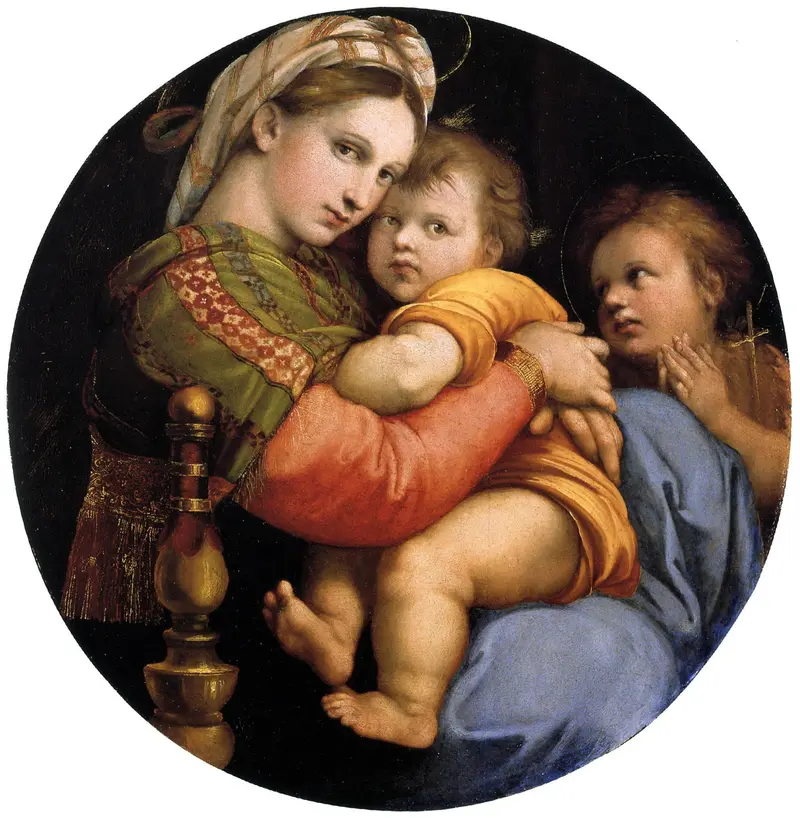
Madonna and Child (Madonna della Seggiola)
Raphael
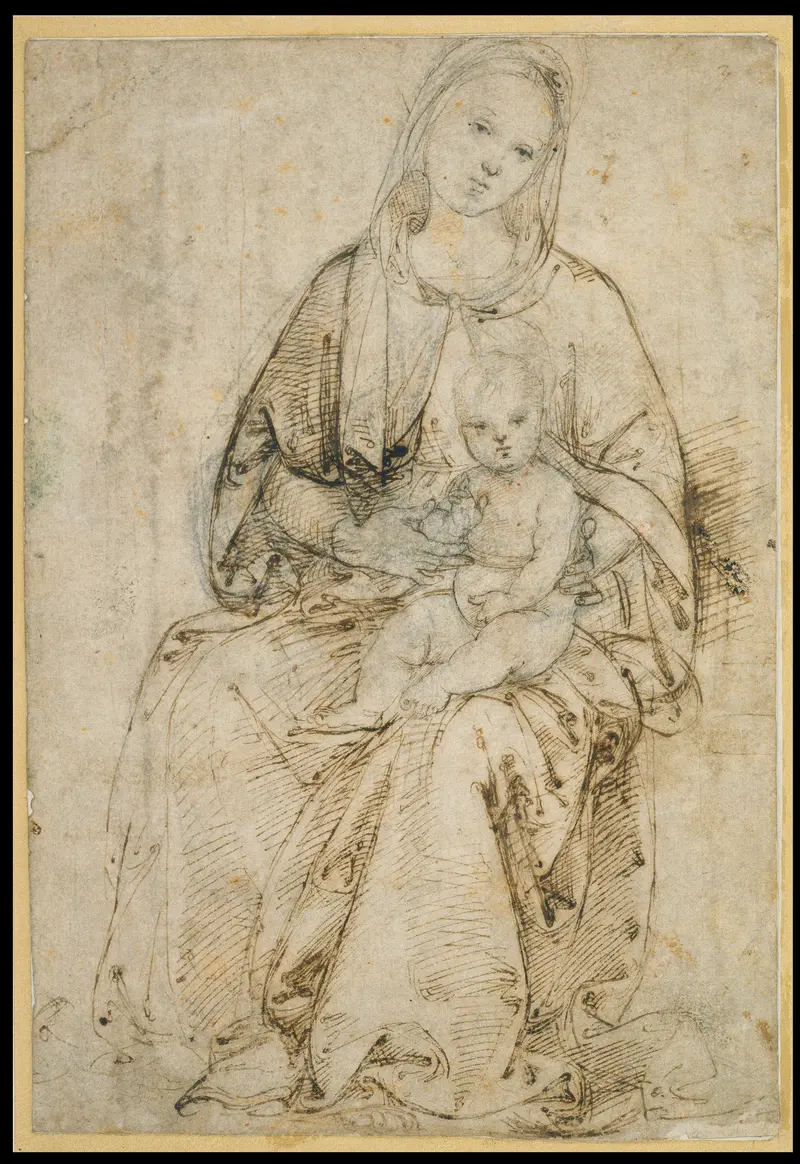
Seated Madonna and Child
Raphael
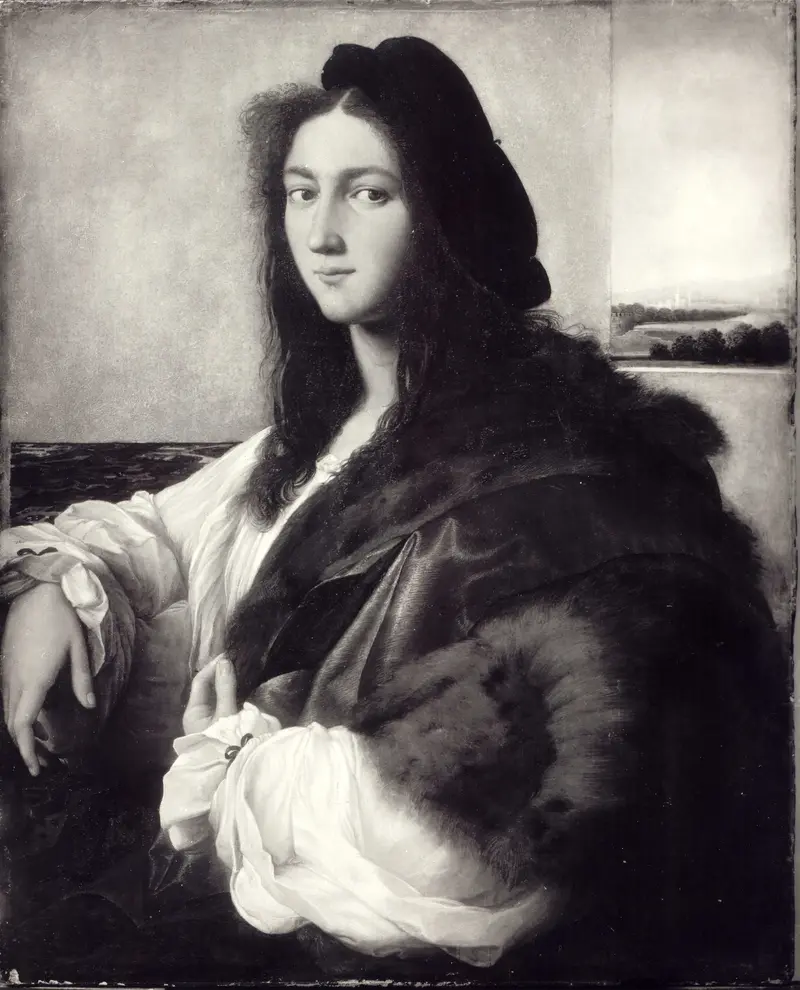
Portrait of a Young Man
Raphael
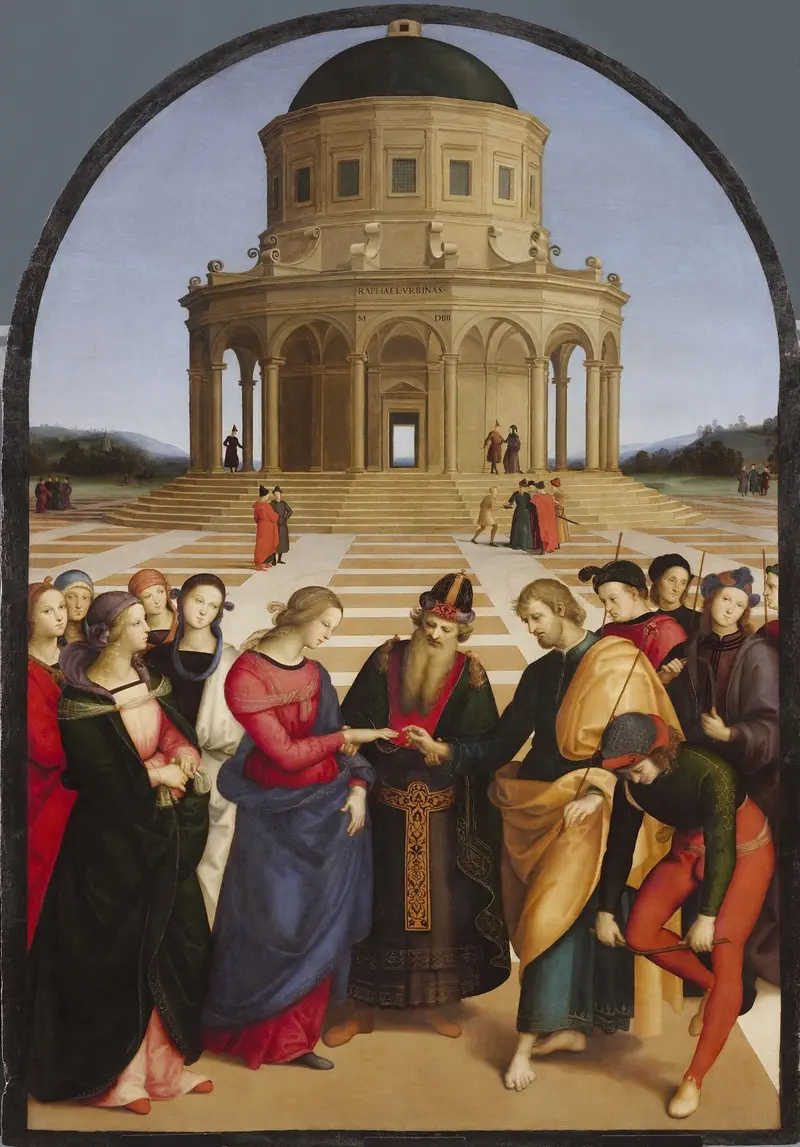
The Marriage of the Virgin
Raphael
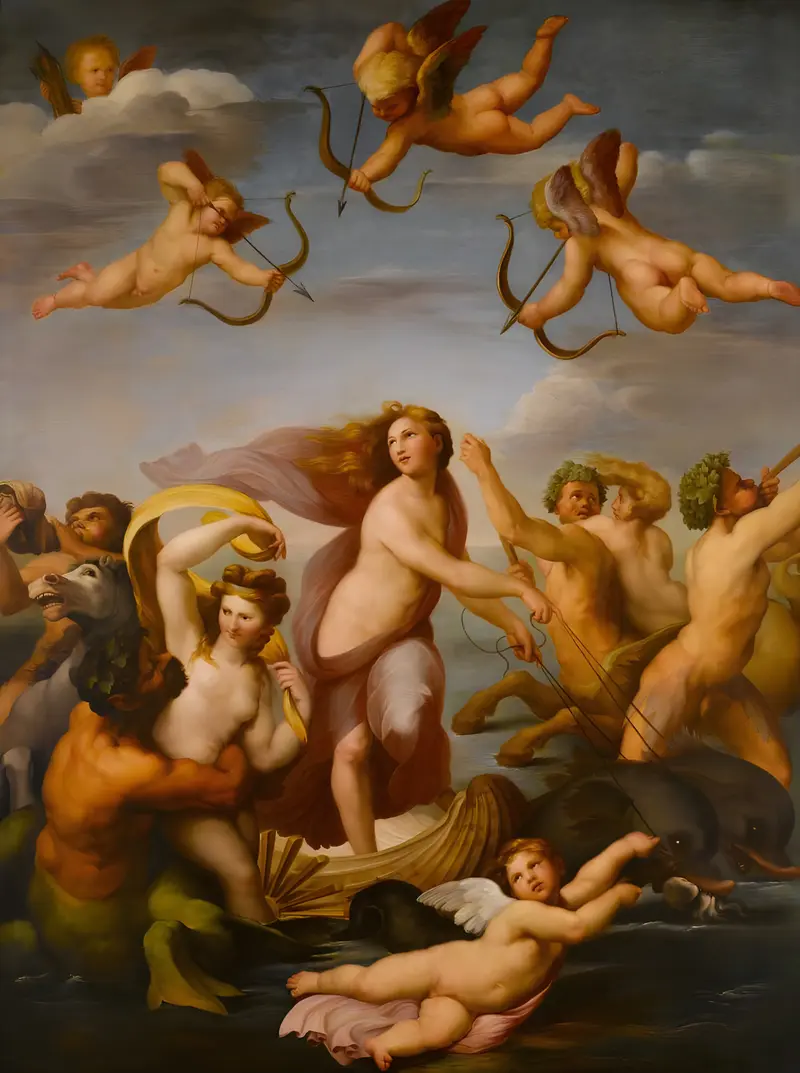
The Triumph of Galatea (copy after Raphael)
Raphael
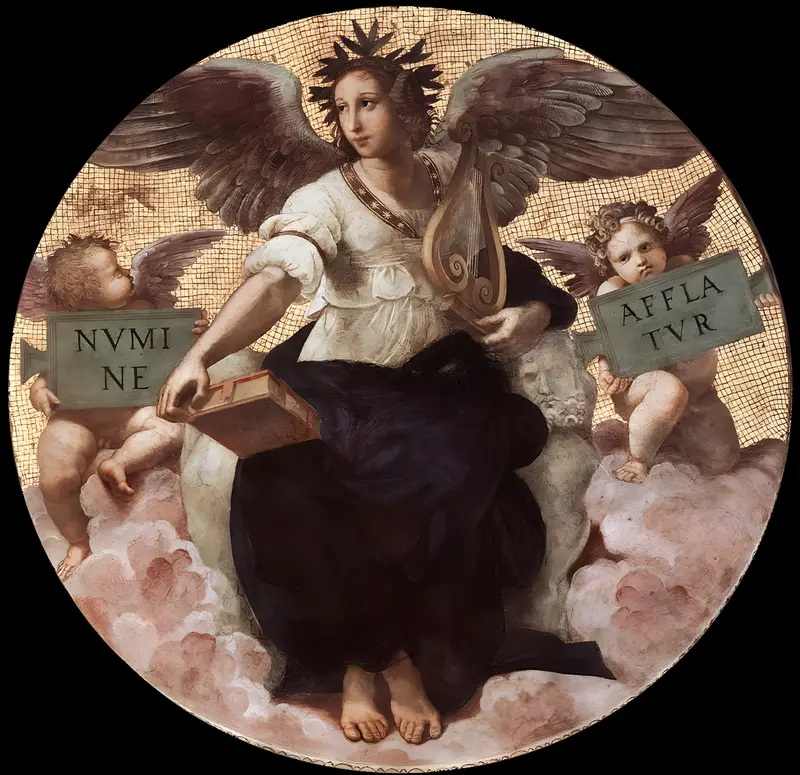
Poetry
Raphael
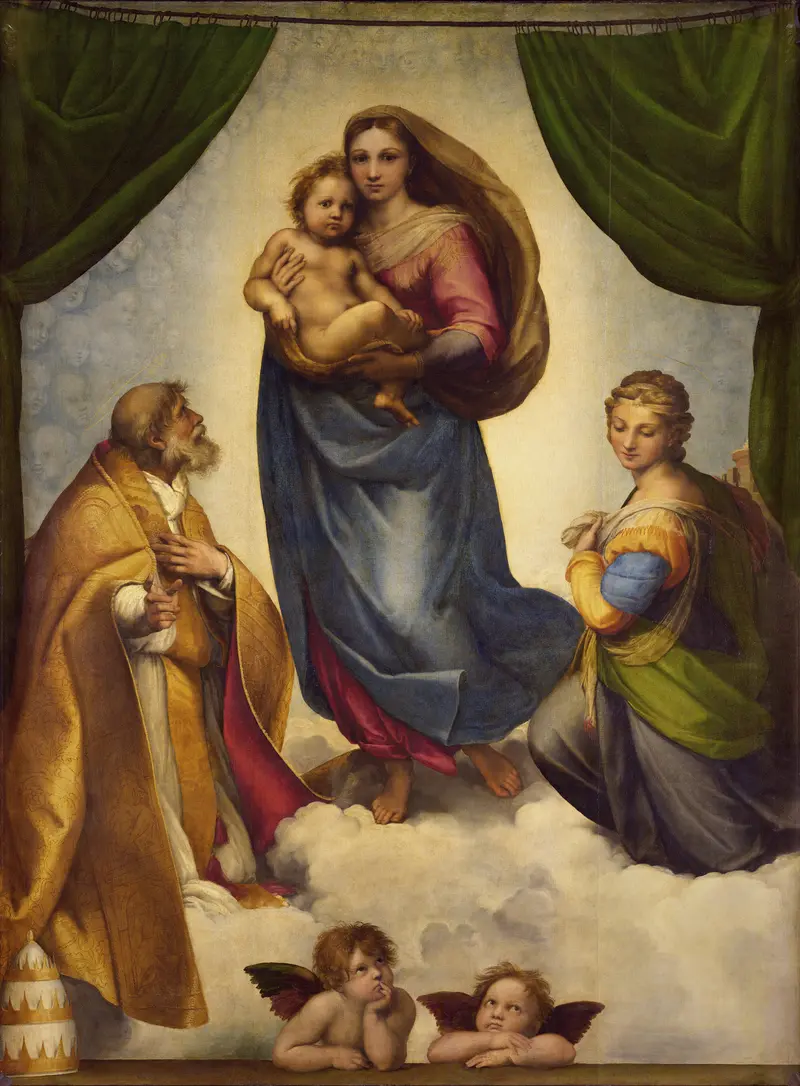
Sistine Madonna
Raphael
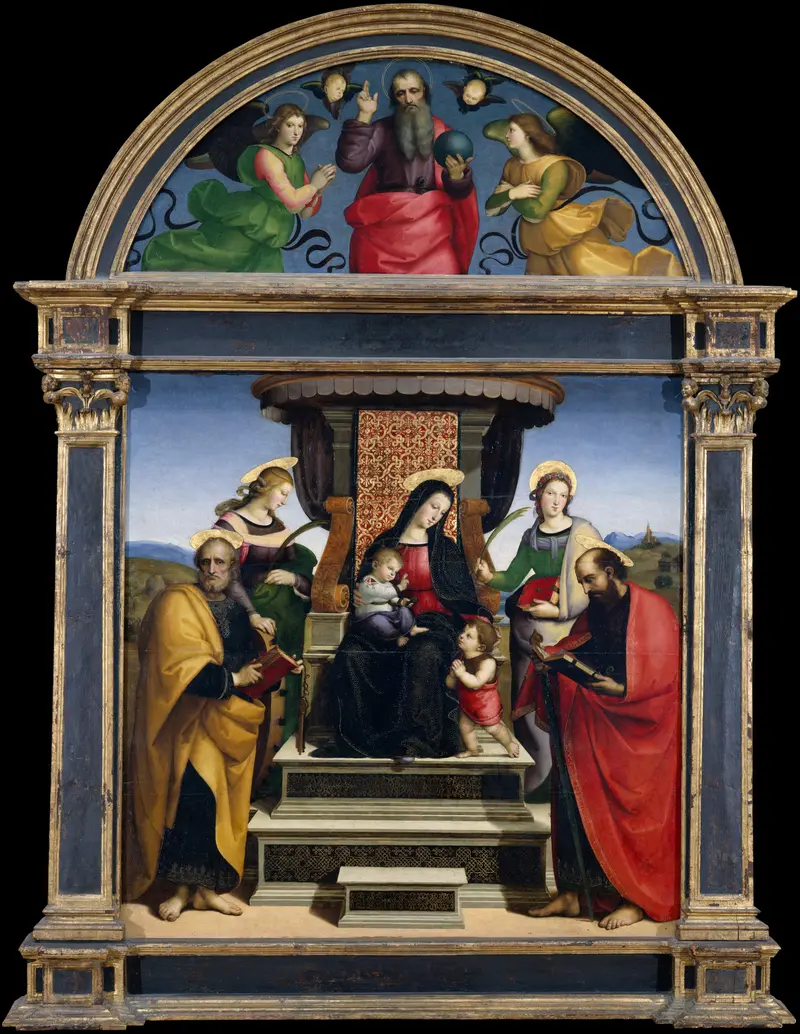
Madonna and Child Enthroned with Saints
Raphael




