
Antonio Grimani (1434-1523) — History & Facts
When Tintoretto painted Antonio Grimani (1434-1523), he chose to immortalize a figure whose life was marked by one of the most dramatic reversals of fortune in Venetian history. Grimani, once exiled for a military defeat, returned to Venice not only to be pardoned but to rise to the highest office as Doge in 1521. The painting captures the lingering aura of controversy and triumph that surrounded Grimani’s late years—a man whose political fate shifted with the tides of the Republic.
The work’s date, 1650, is especially intriguing, as it appears more than half a century after both Grimani’s death and Tintoretto’s own, raising questions about its attribution and purpose. The moment Tintoretto selects is not one of battle or exile, but of dignified reflection, perhaps after Grimani’s return to grace. Seated in sumptuous robes, Grimani’s hand rests on a document—likely symbolizing the decree that ended his exile or the ducal oath. The chain across his chest marks his restored authority, while the subdued palette and soft light focus attention on his face, lined with the weight of experience.
Unlike Titian’s more theatrical portraits of Venetian doges, Tintoretto opts for psychological depth, letting the sitter’s gaze and posture tell the story of resilience and political savvy. The painting’s provenance is uncertain, as no direct commission or early inventory places it in a specific collection. Its late date has led some scholars to question whether it is an original by Tintoretto or a later workshop piece, perhaps finished by his followers to satisfy the ongoing demand for portraits of Venetian leaders. Today, the work is valued as a testament to the enduring fascination with Grimani’s legacy and the Venetian tradition of state portraiture.
Whether painted by the master himself or his circle, it stands as a bridge between the official art of the Republic and the evolving conventions of portraiture in seventeenth-century Venice.
More Artworks by Tintoretto
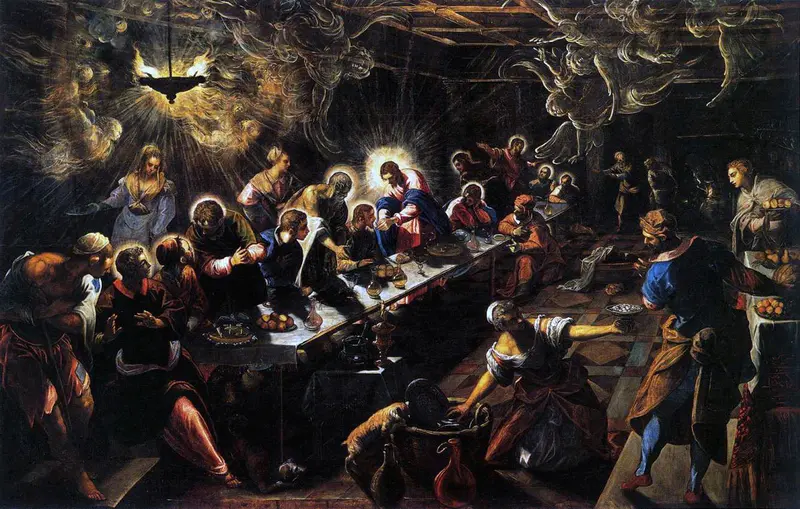
The Last Supper
Tintoretto
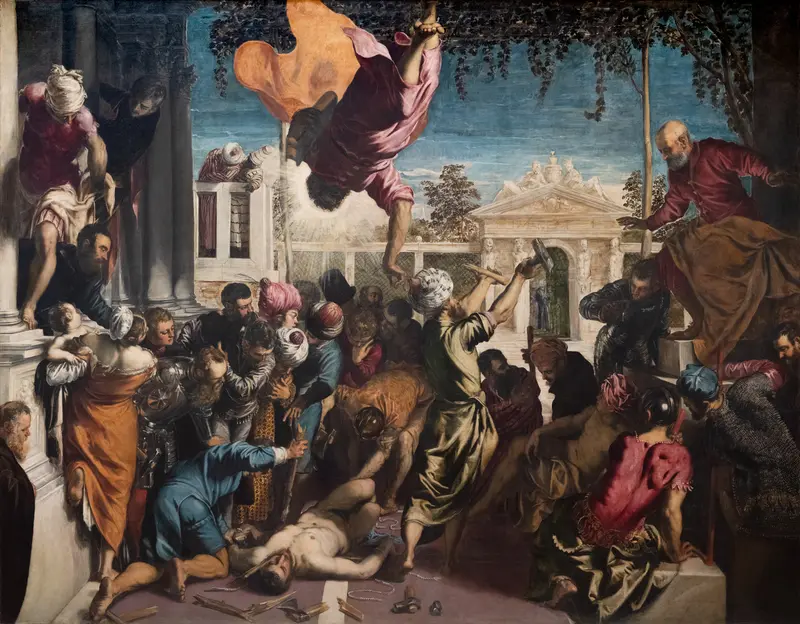
The Miracle of the Slave
Tintoretto
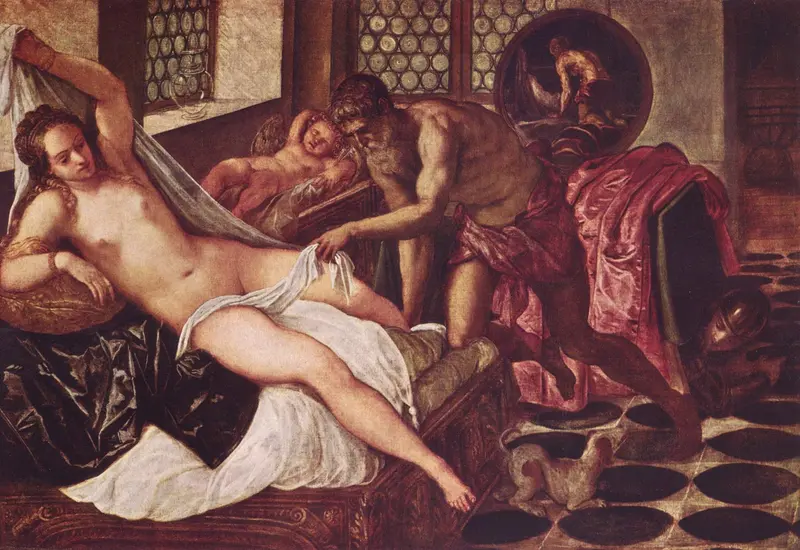
Venus and Mars Surprised by Vulcan
Tintoretto

Adoration of the Shepherds
Tintoretto
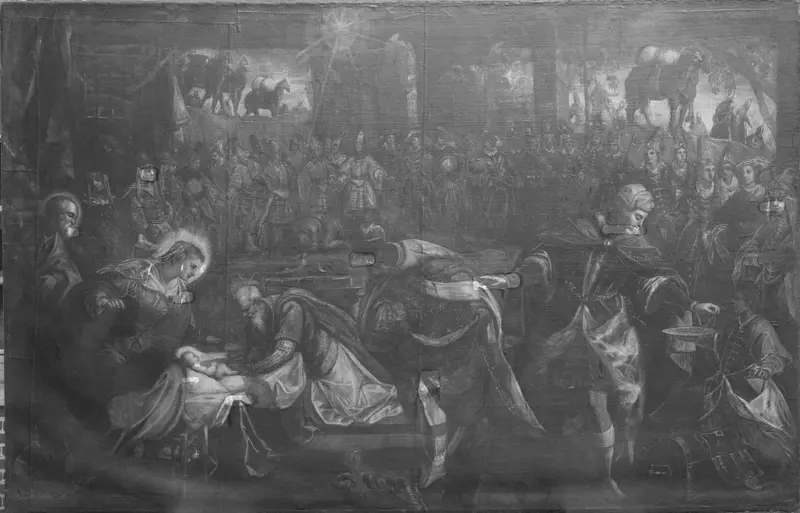
Adoration of the Magi
Tintoretto
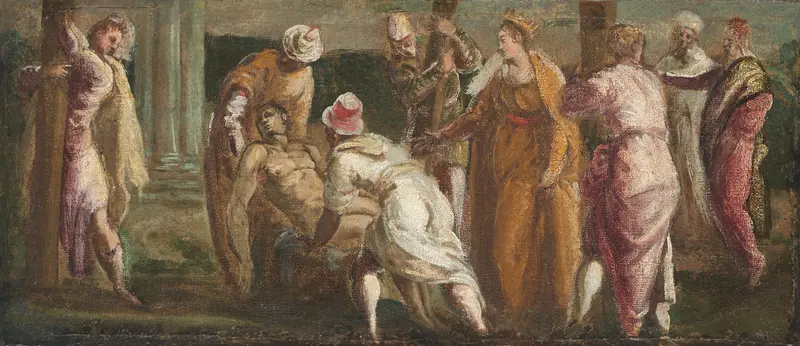
Saint Helen Testing the True Cross
Tintoretto
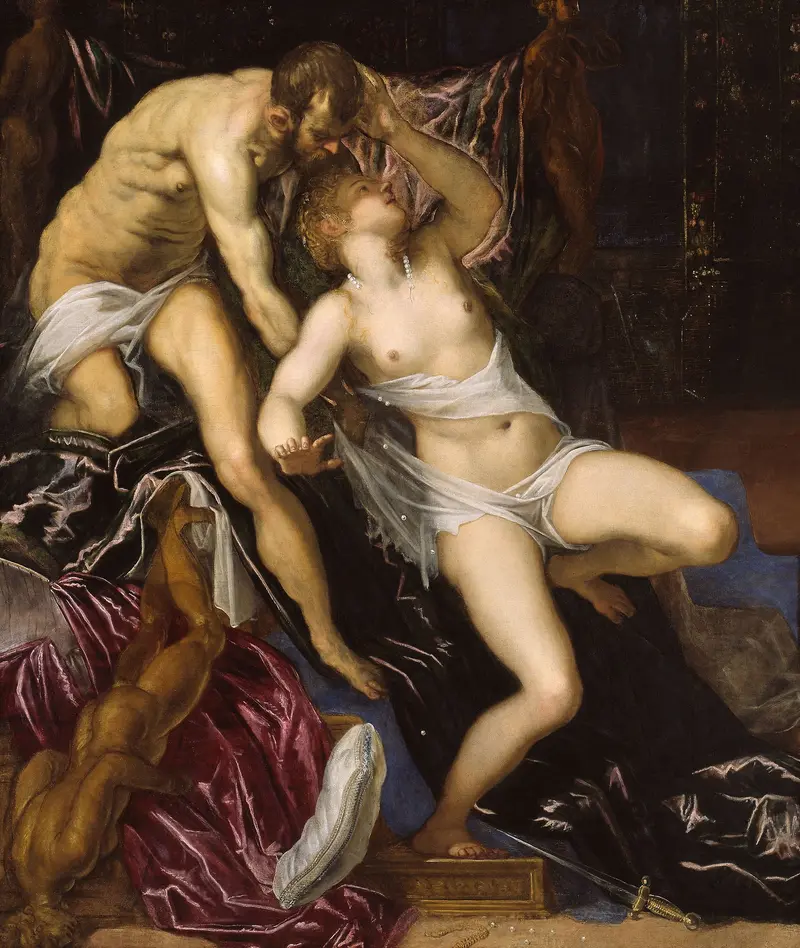
Tarquin and Lucretia
Tintoretto
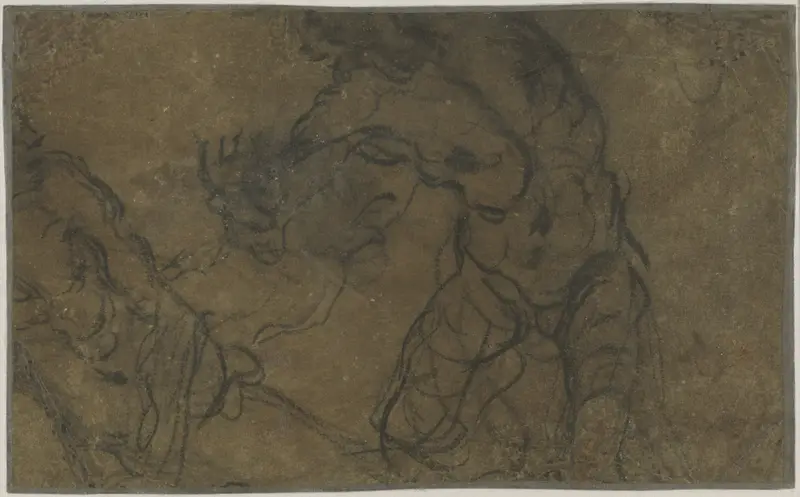
Two Male Figures in Motion (verso)
Tintoretto
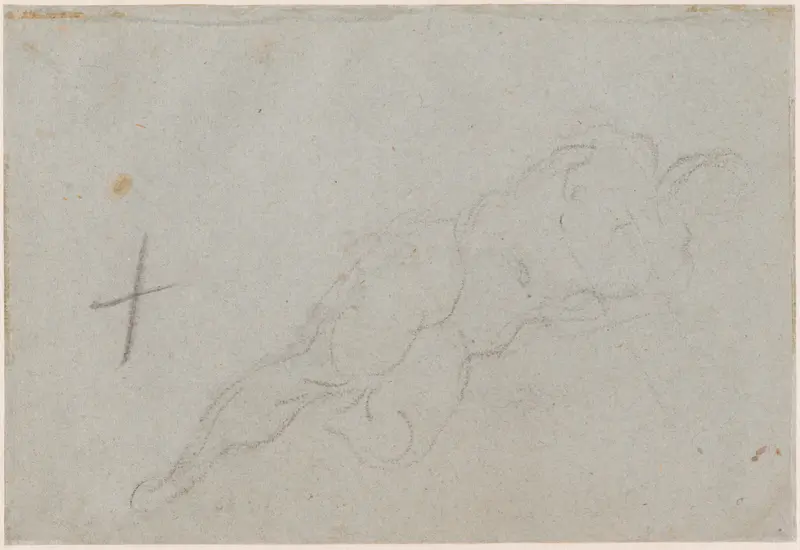
A Female Nude [verso]
Tintoretto
Veduta Kopra
Tintoretto





