
Apostle and Youth — History & Facts
No one knows for certain which episode from the lives of the saints Apostle and Youth by Filippino Lippi portrays, and this mystery has sparked centuries of debate among art historians. Some have argued for Saint John the Evangelist and the young man of Ephesus, a story of redemption and forgiveness that fascinated Renaissance painters; others have suggested the subject is more symbolic, a meditation on spiritual mentorship. The lack of clear documentation, combined with the painting’s ambiguous iconography, has made it a touchstone for discussions on how Renaissance artists navigated between narrative clarity and poetic suggestion. At the heart of the composition, an apostle—cloaked in deep, flowing robes—extends a hand toward a youthful figure whose uncertain gaze seems to hover between hope and shame.
The apostle’s gesture, gentle yet commanding, draws the viewer’s eye to the moment of moral reckoning: is this the instant of forgiveness, or a call to repentance? Behind them, architectural fragments and a distant landscape evoke the world of fifteenth-century Florence, grounding the sacred story in the artist’s own time. The psychological tension between the figures recalls Andrea del Verrocchio’s approach to biblical narrative, where emotion is conveyed through posture and glance rather than overt drama. The physical history of Apostle and Youth is as shadowy as its subject. No early inventory or commission record survives, and scholars must rely on stylistic clues to place it among Filippino Lippi’s mature works, likely painted in Florence in the late fifteenth century.
The painting’s journey through private collections has left gaps in its provenance, and its attribution has occasionally been questioned, with some earlier critics proposing the hand of Botticelli. Today, it stands as a testament to Lippi’s skill at blending narrative ambiguity with emotional depth, inviting viewers to contemplate both the story and its painter’s world.
More Artworks by Filippino Lippi

Portrait of a Youth
Filippino Lippi
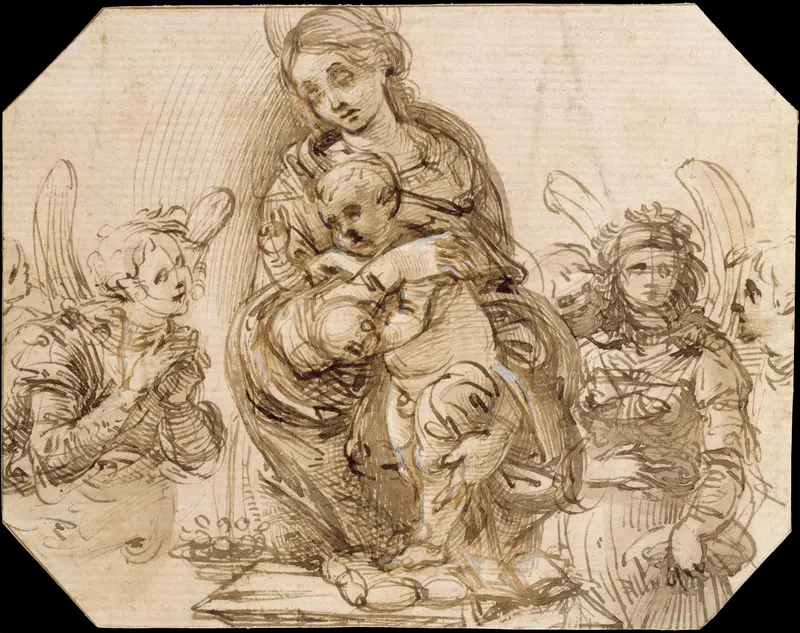
Virgin and Child Attended by Angels
Filippino Lippi

Christ on the Cross
Filippino Lippi
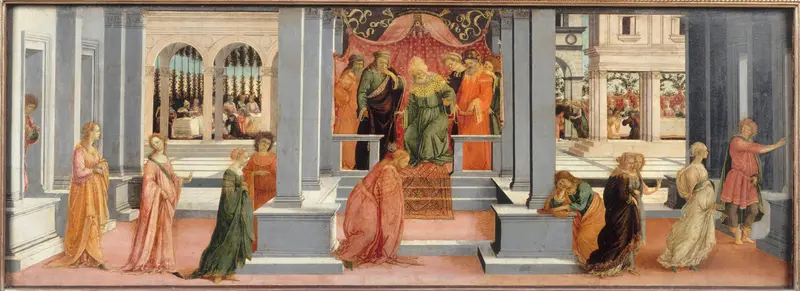
Esther choisie par Assuérus
Filippino Lippi
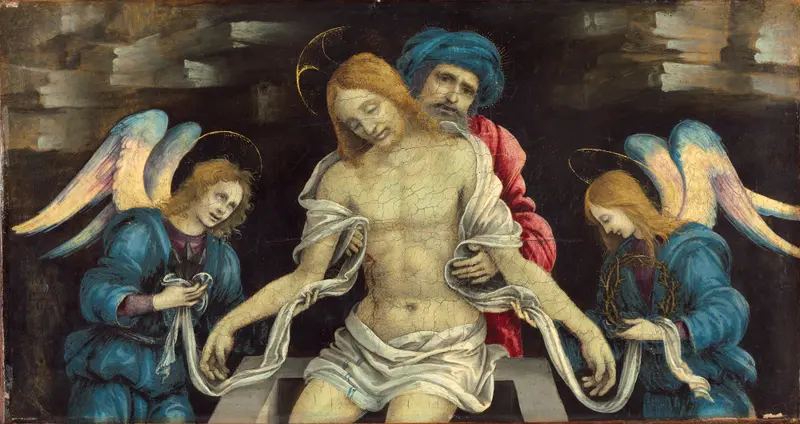
Pietà (The Dead Christ Mourned by Nicodemus and Two Angels)
Filippino Lippi
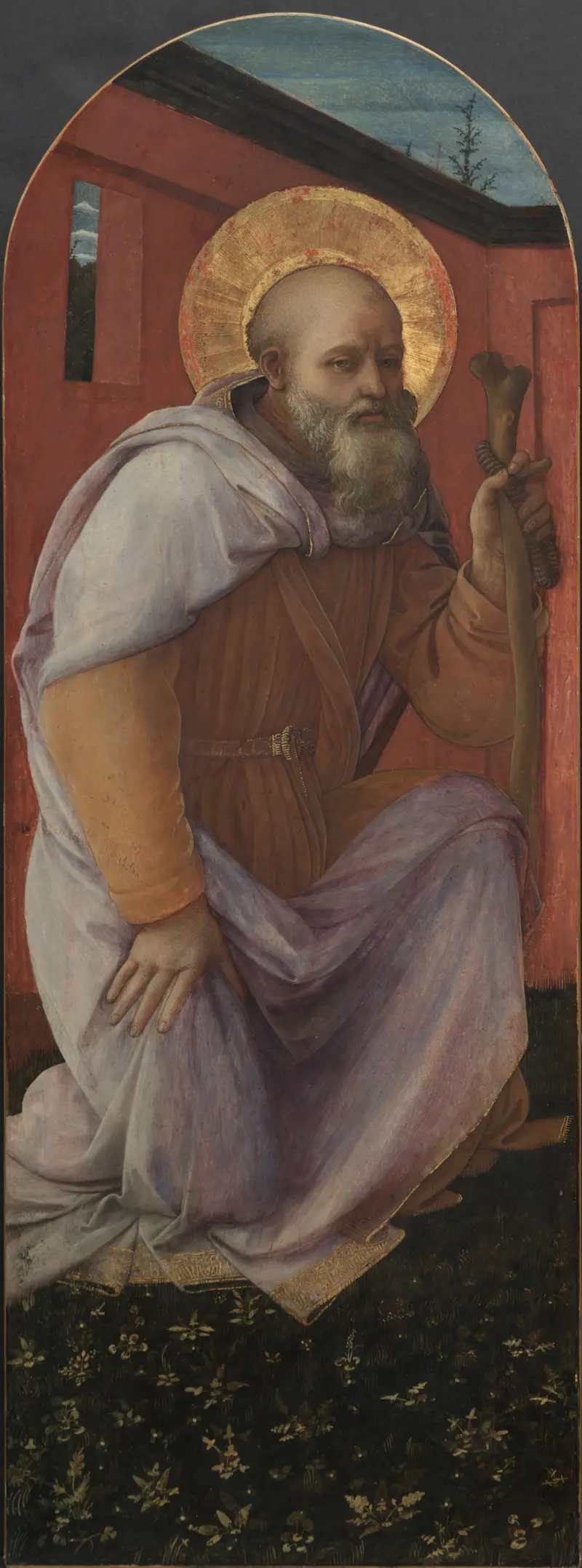
St. Anthony Abbot
Filippino Lippi
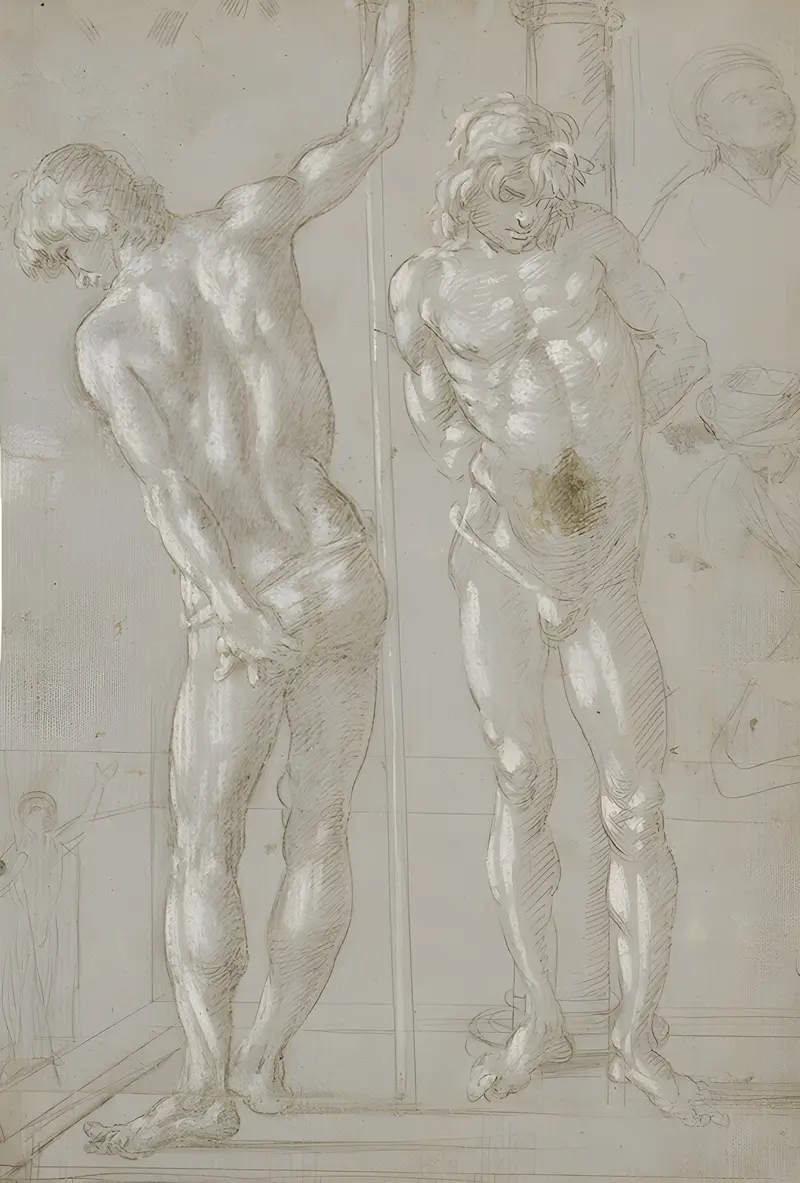
Studies of Christ at the Column, a Nude from Behind, and Various Figures
Filippino Lippi
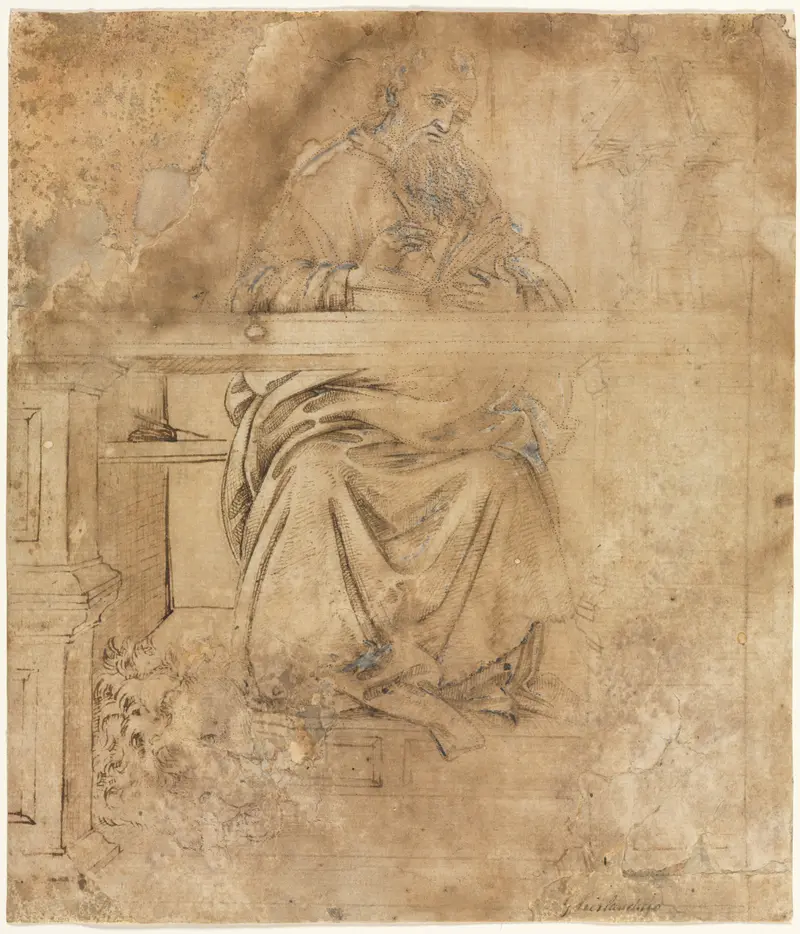
St. Jerome in His Study
Filippino Lippi
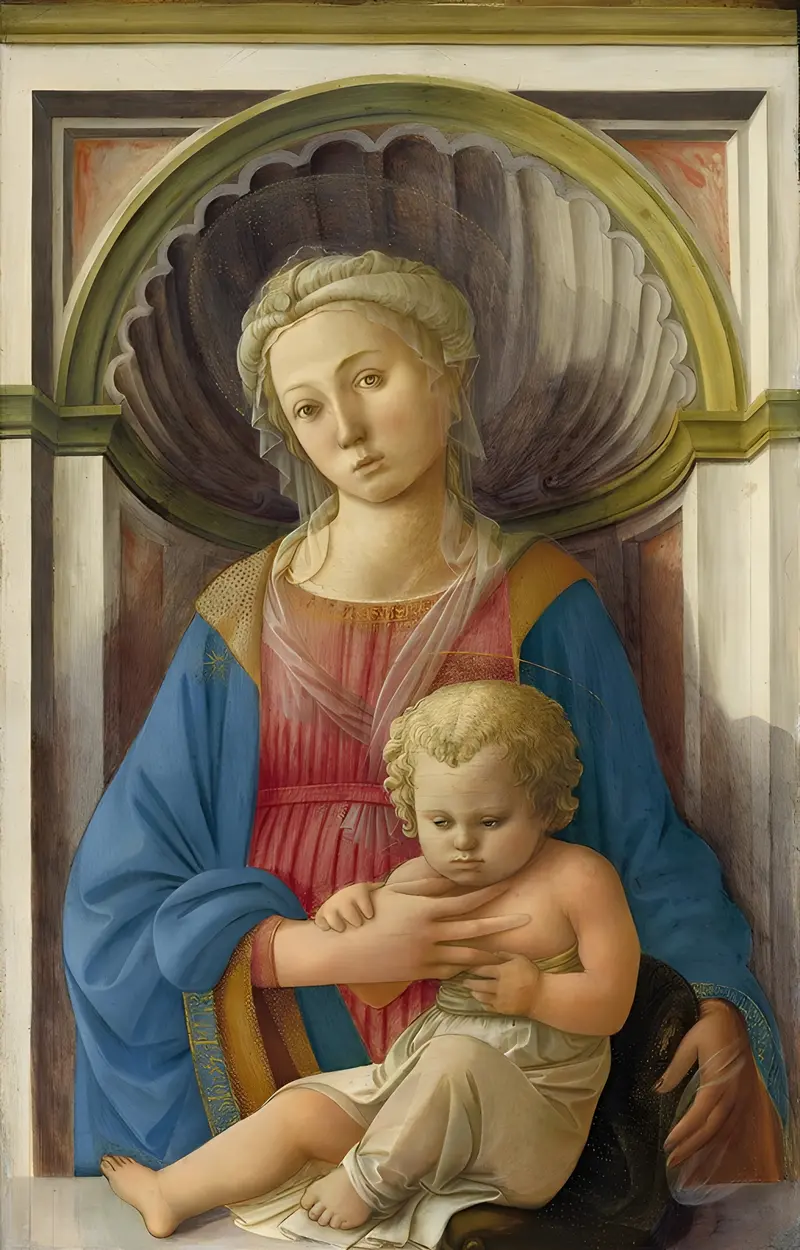
Madonna and Child
Filippino Lippi
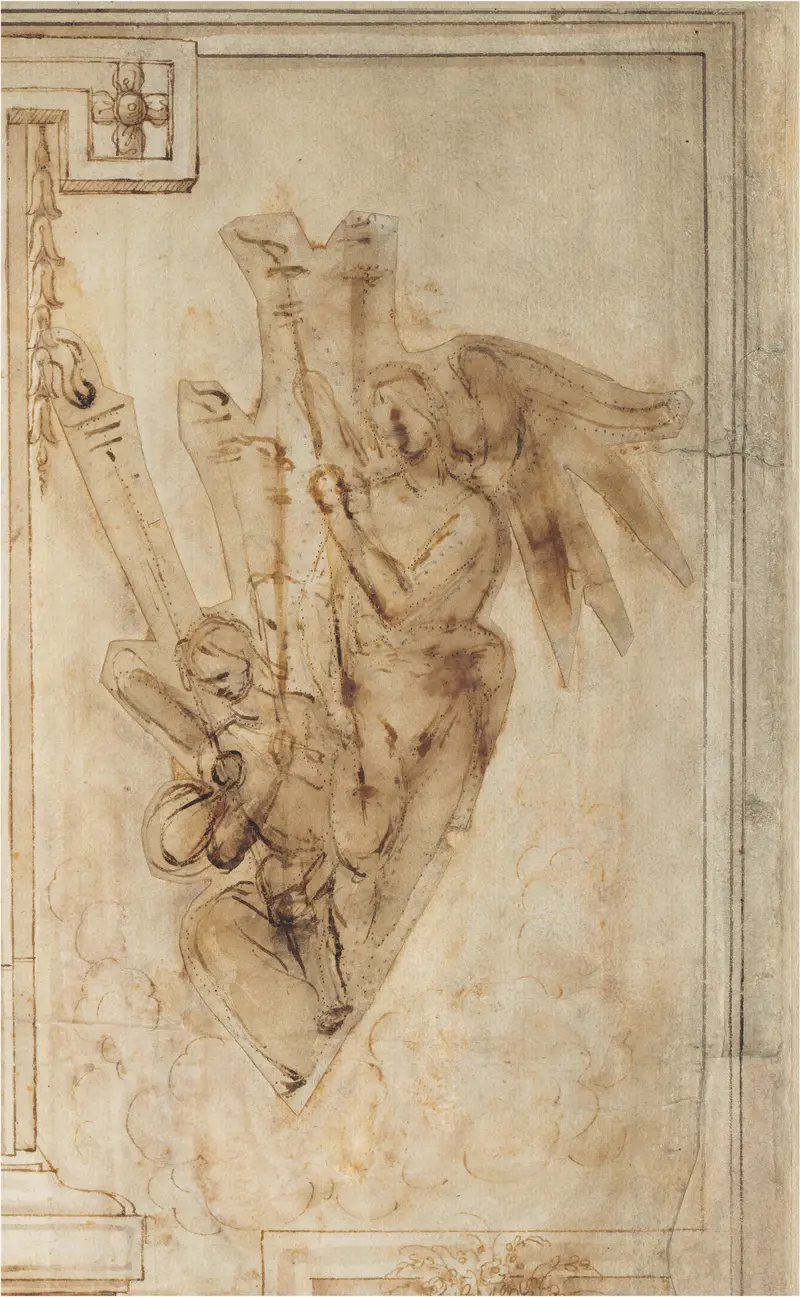
Two Angels Carrying Torches
Filippino Lippi





