Apple Blossoms — History & Facts
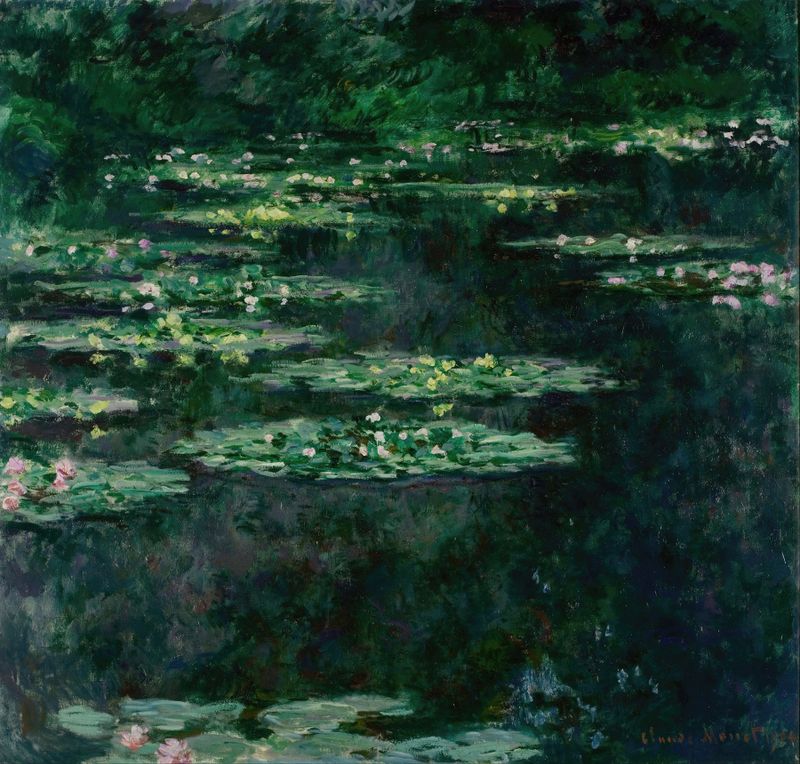
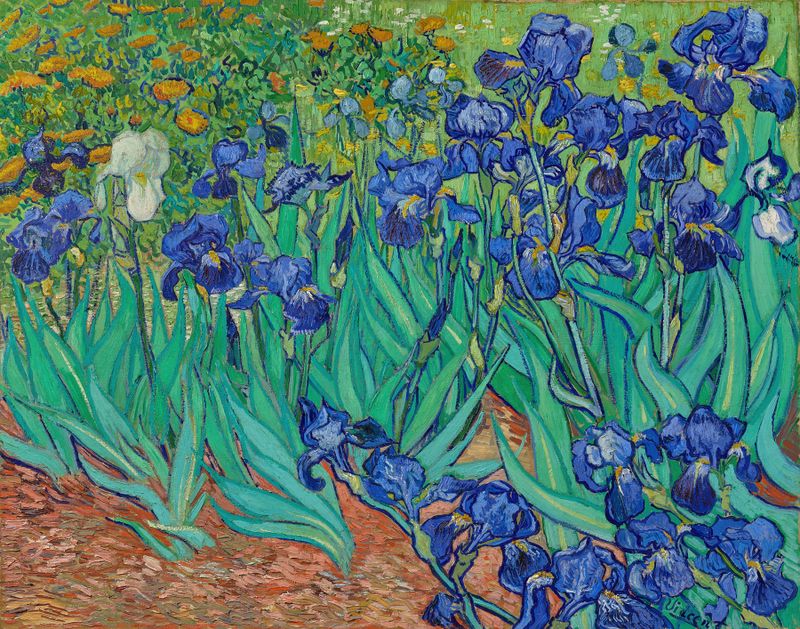
Where does light end, and longing begin? In Apple Blossoms, a delicate tension between fear and beauty unfolds, inviting contemplation of the ephemeral nature of life. Focus on the luminous blossoms that dominate the canvas, their soft pink and white hues almost pulsating with vitality. Notice how the light filters through the petals, casting gentle shadows on the surrounding leaves, creating an ethereal glow. The background, softly blurred with rich greens and hints of blue, suggests a serene yet fleeting moment in nature, urging the viewer to linger in its fragile beauty. Beneath the surface of this idyllic scene lies a deeper dichotomy.
The vibrancy of the flowers contrasts starkly with the somber undertones evoked by the looming shadows in the background. It’s as if the fleeting joy of spring is overshadowed by an underlying fear of loss, a reminder that beauty is transient. Each blossom, while full of life, also holds the weight of its inevitable fading, prompting reflection on the passage of time and the fragility of our experiences. In 1873, Daubigny was settled in his studio along the banks of the Oise River in France, where he was immersed in the Impressionist movement.
This period was marked by a burgeoning exploration of light and color, alongside a personal search for emotional depth in nature. As the world embraced modernity, his work captured the essence of a fleeting moment, blending personal longing with a broader commentary on the changing landscapes of both art and life.
More Artworks by Charles François Daubigny
Browse all →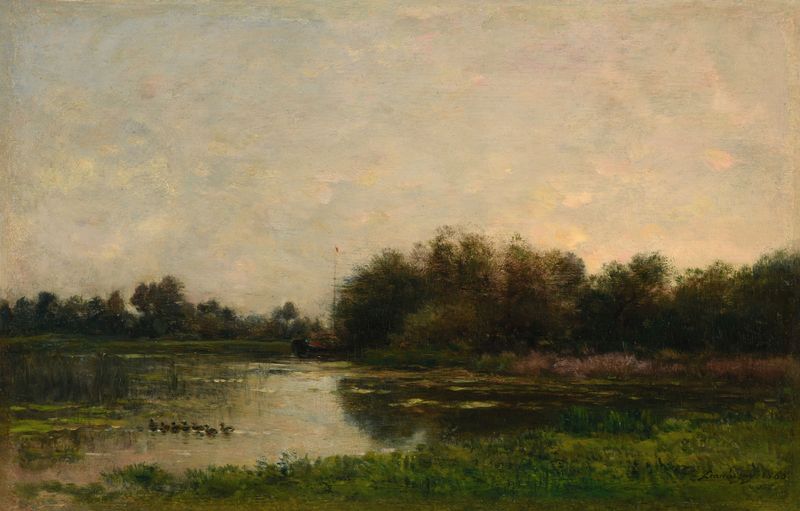
Bords de l’Oise
Charles François Daubigny
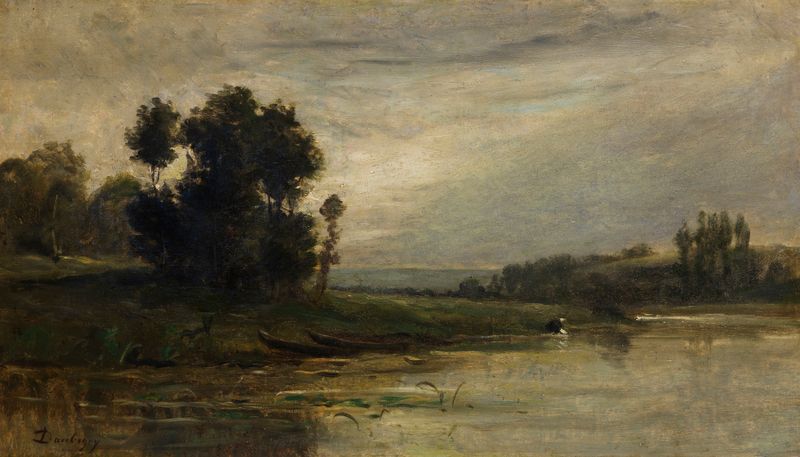
Bords de l’Oise
Charles François Daubigny
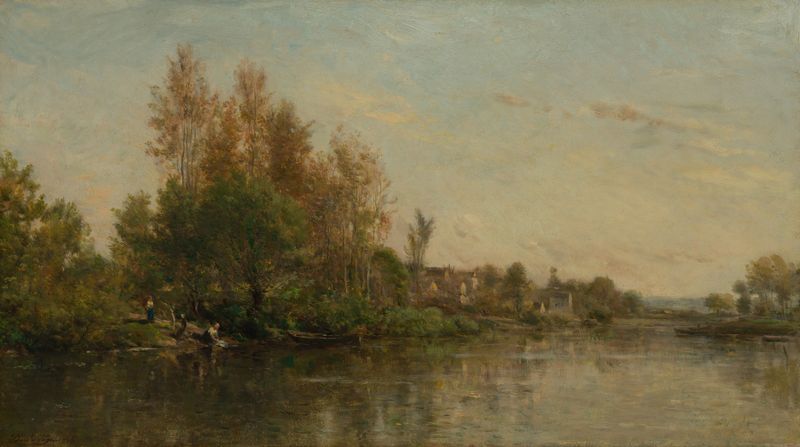
The Banks of the Oise
Charles François Daubigny
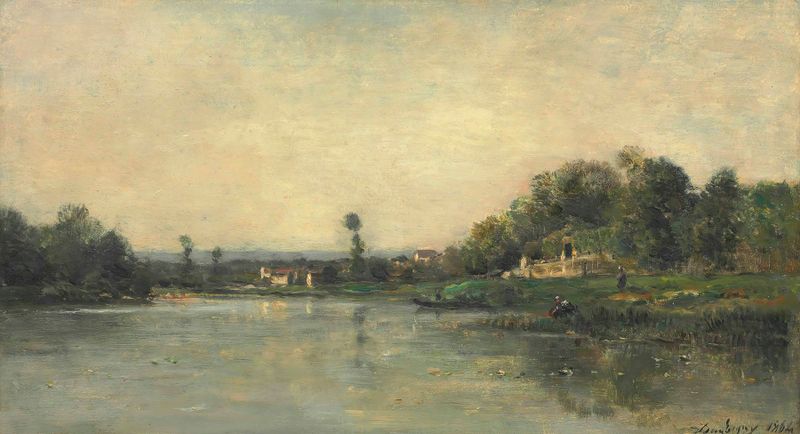
Les Bords De L’oise
Charles François Daubigny
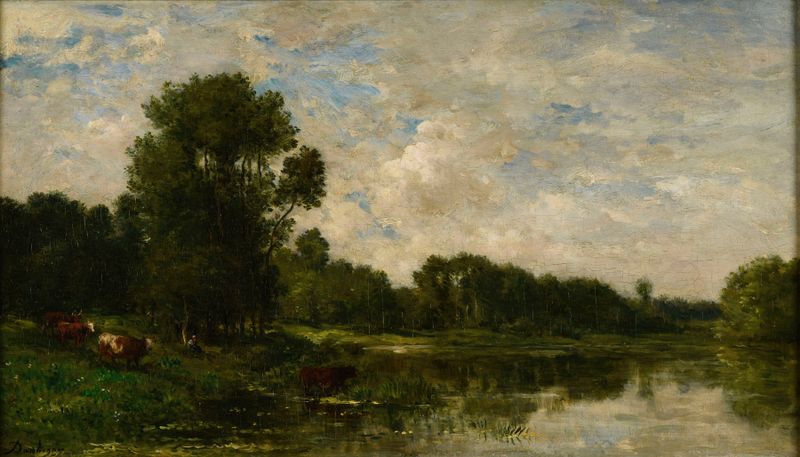
Bords de l’Oise
Charles François Daubigny
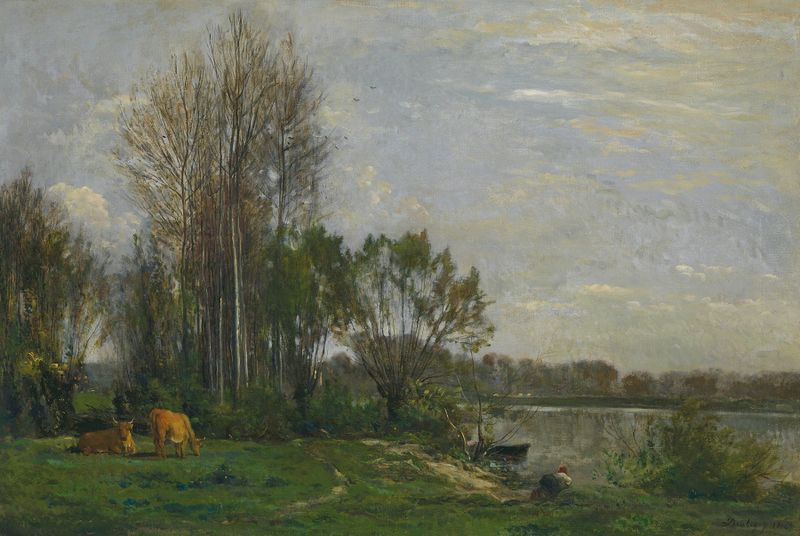
Les Bord De L’oise
Charles François Daubigny
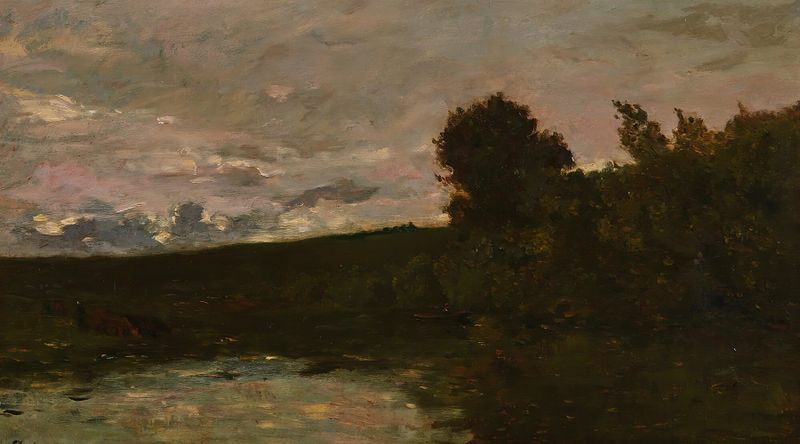
Bord De Riviére
Charles François Daubigny
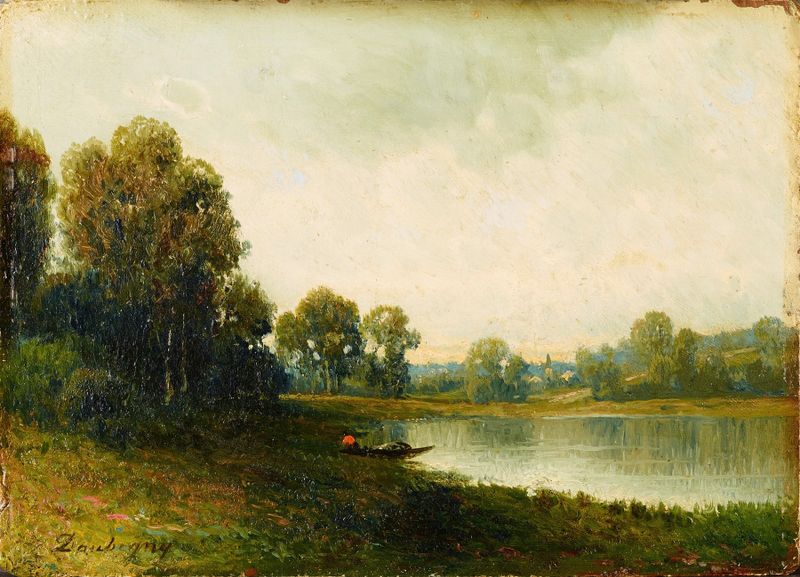
Landscape
Charles François Daubigny
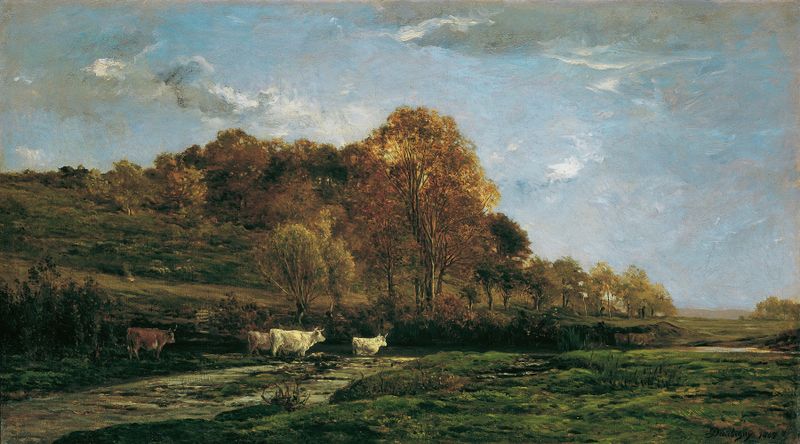
Herbstliche Aulandschaft Abendstimmung
Charles François Daubigny
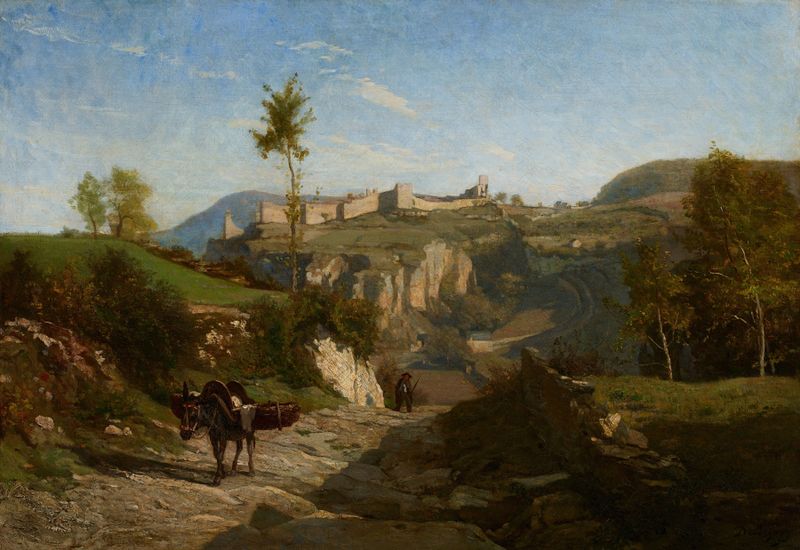
Landscape near Crémieu
Charles François Daubigny