Arabian Ornament No. 1 — History & Facts
What first catches the eye in Arabian Ornament No. 1 is the sense of rhythm—each panel, though distinct, pulses with a shared visual language of curves, tendrils, and stylized leaves. The chromolithograph draws you in with its intricate repetition, guiding your gaze from border to border, each motif echoing the next but never repeating exactly.
The black lines, crisp against a warm ochre ground, create a play of positive and negative space that feels almost musical, as if the ornaments are variations on a theme. The details—teardrop forms, spirals, and palmettes—are not merely decorative; they signal a tradition where geometry and organic growth are inseparable, each flourish inviting the viewer to trace its path. The page itself becomes a garden of invention, every section a new invitation to lose oneself in the logic of ornament. Produced in the mid-nineteenth century and published in London, this plate belongs to a world fascinated by the science of design.
The Victorian era saw a surge of interest in cataloguing and understanding the decorative arts of distant cultures, and Owen Jones’s work stands as a monument to this impulse. Such chromolithographs were not only admired for their beauty but served as teaching tools and sources of inspiration for architects, designers, and craftsmen seeking to enrich their own work with historical motifs. The Grammar of Ornament, from which this comes, helped shape Western ideas about pattern and decoration, bridging cultures through the universal language of form.
Today, the page calls us to look closer—not just at the surface, but at the centuries of exchange and adaptation that ornament, in all its intricacy, records.
More Artworks by Owen Jones

Greek Ornament No. 1
Owen Jones
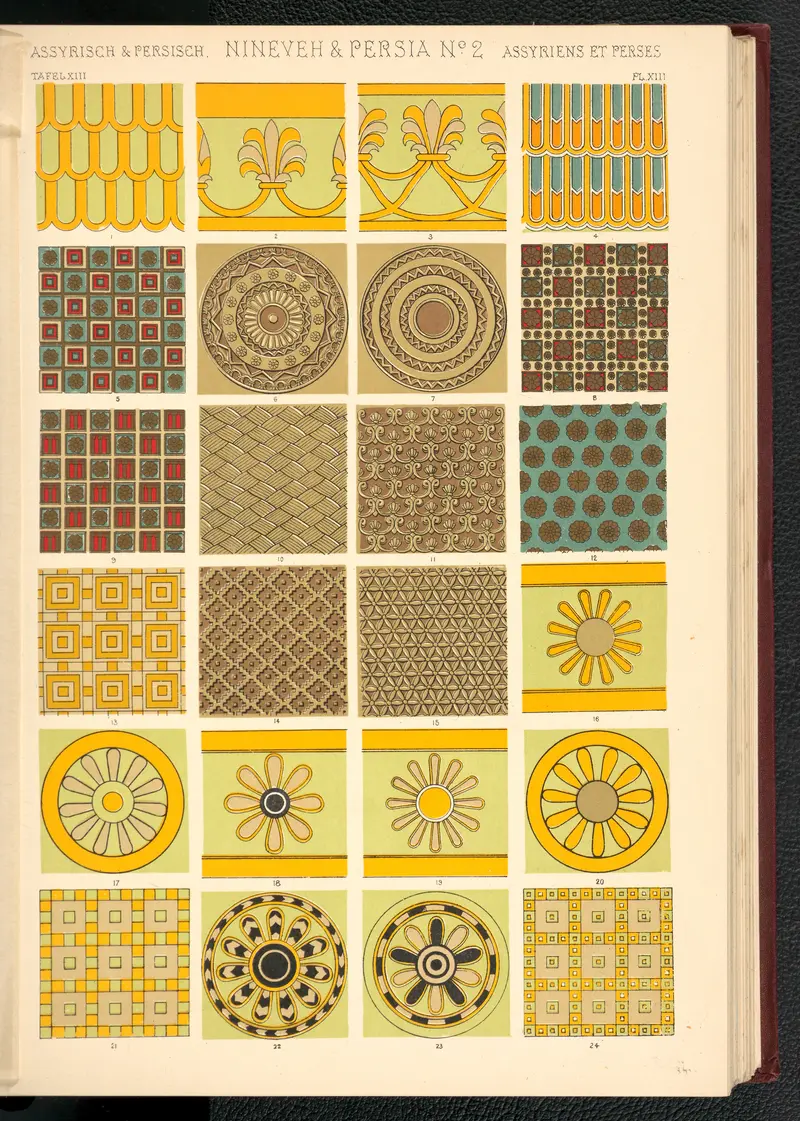
Assyrian Ornament No. 2
Owen Jones

Egyptian Ornament No. 3
Owen Jones
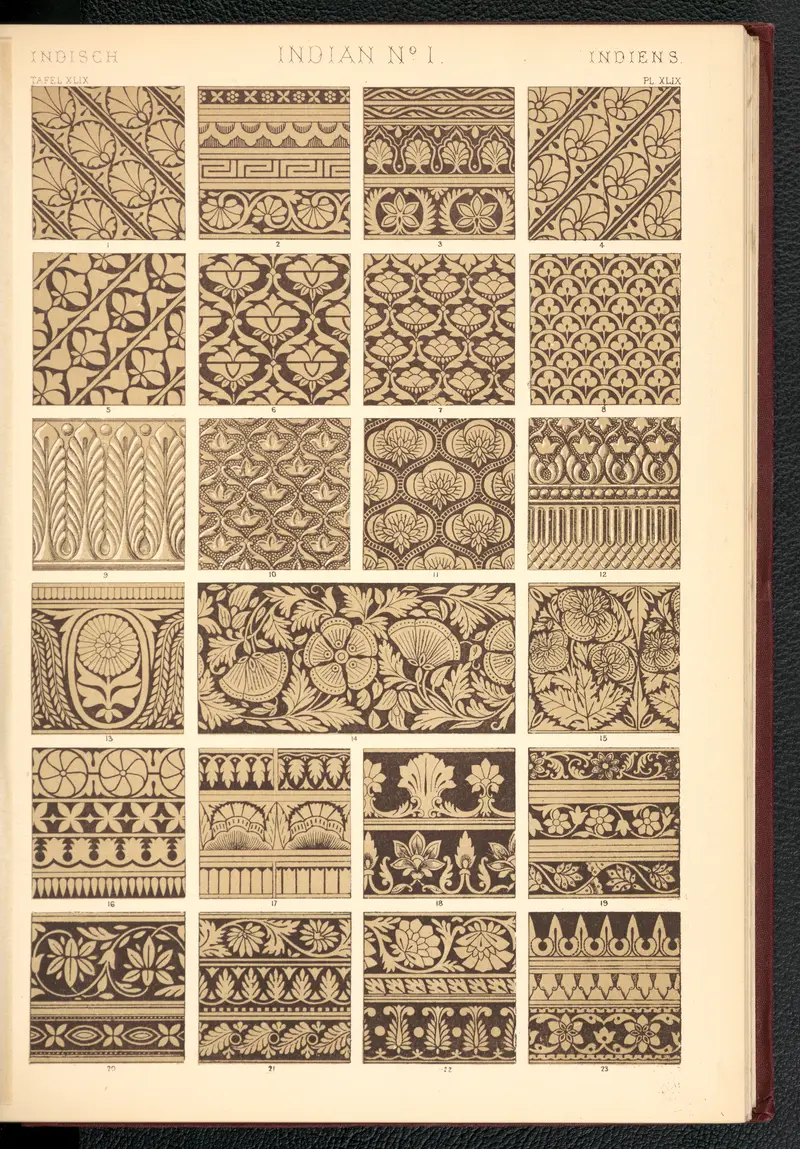
Indian Ornament No. 1
Owen Jones
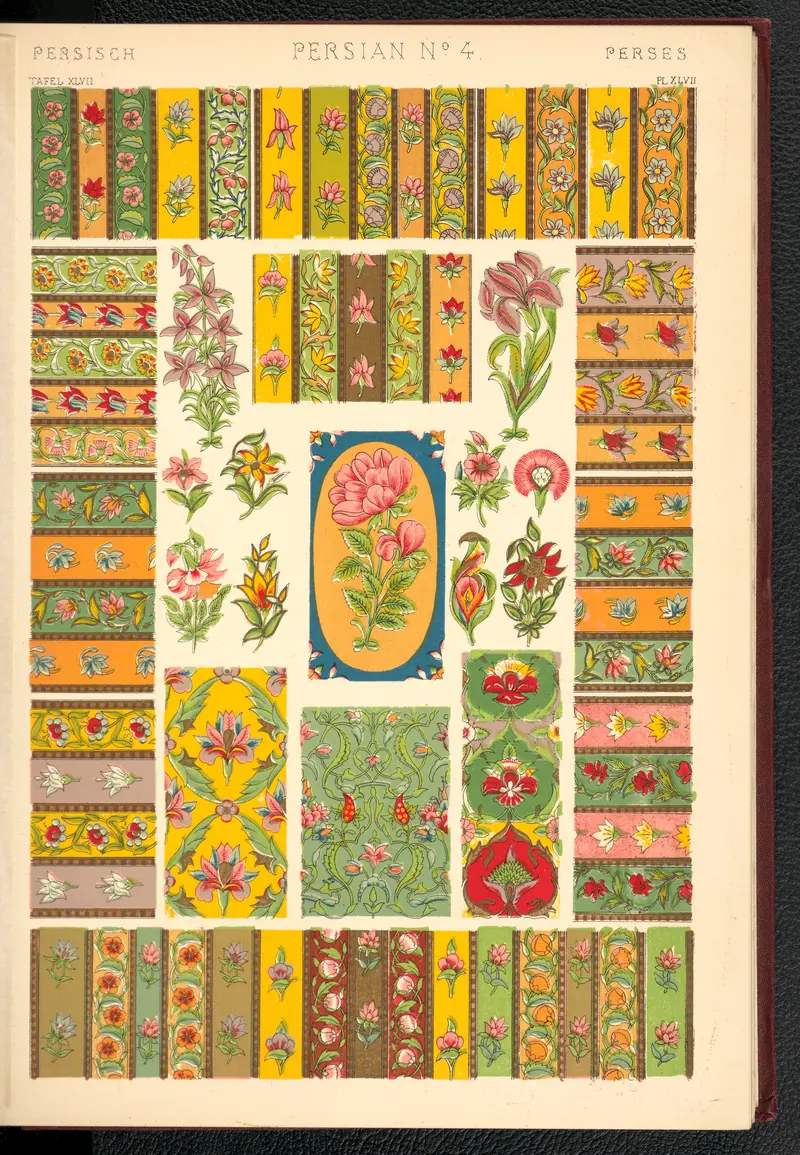
Persian Ornament No. 4
Owen Jones
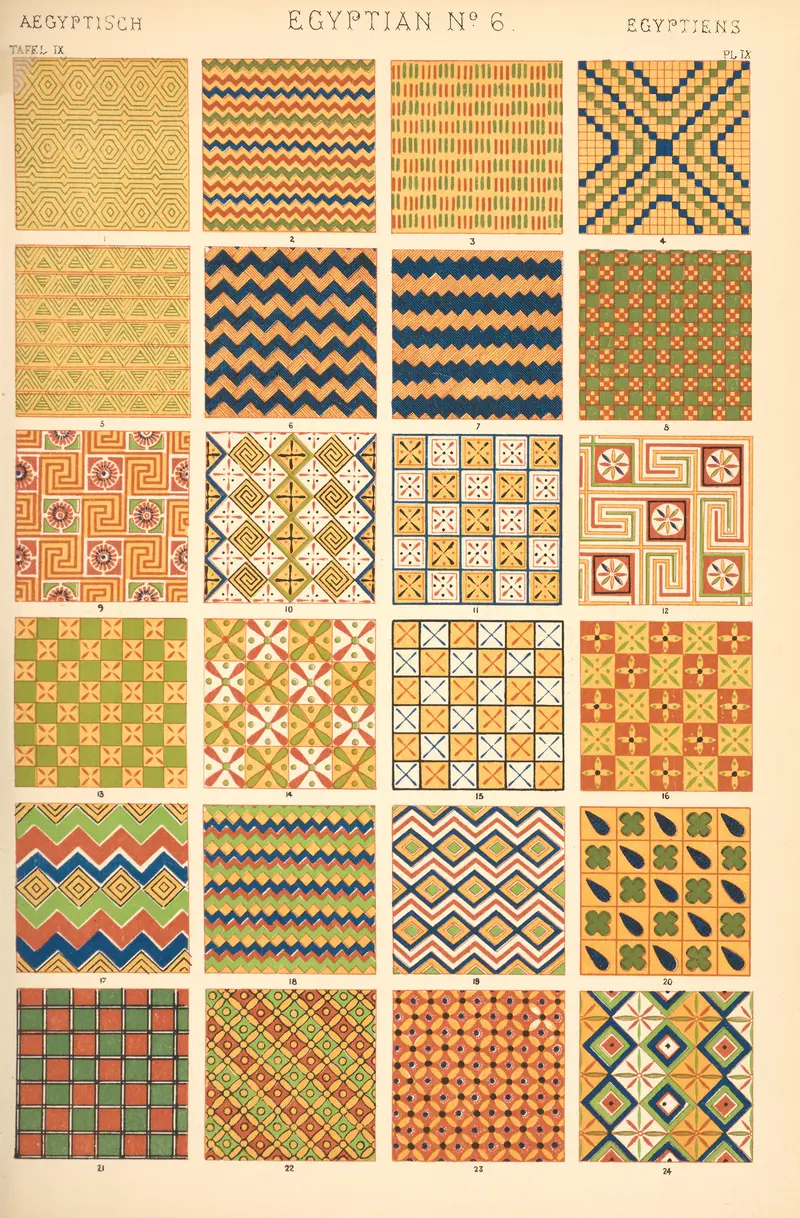
Egyptian Ornament No. 6
Owen Jones
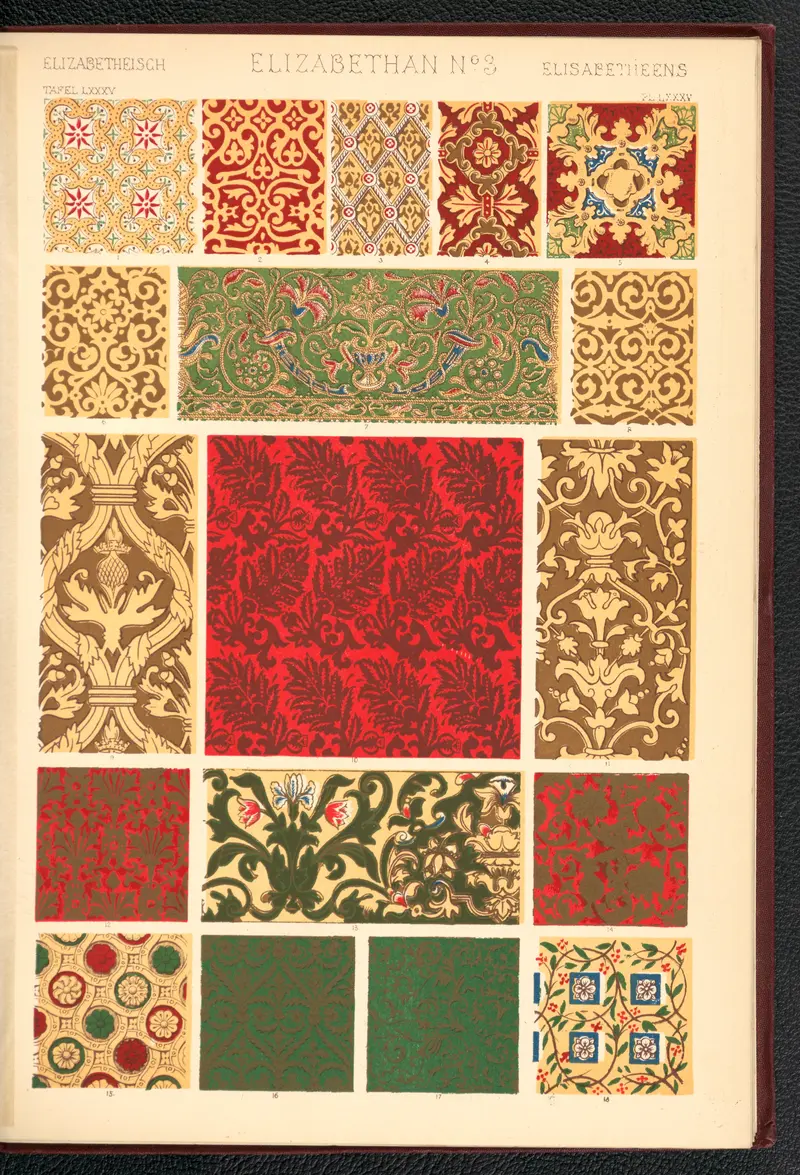
Elizabethan Ornament No. 3
Owen Jones
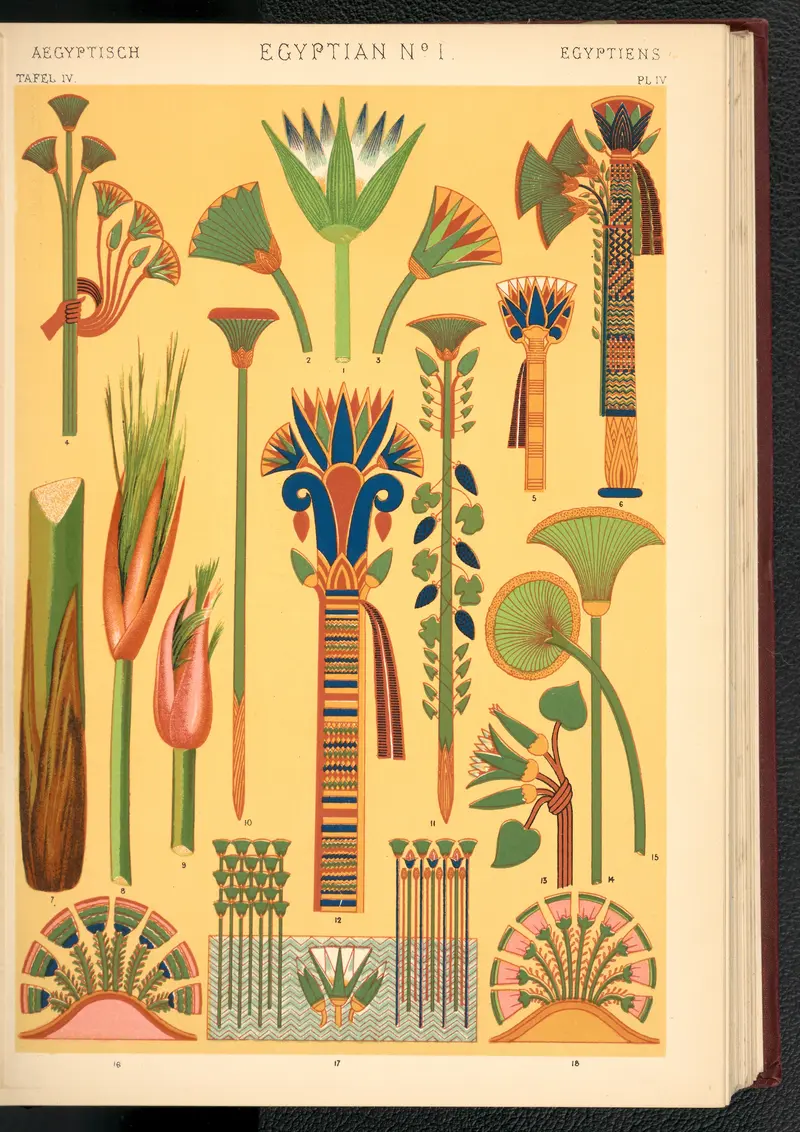
Egyptian Ornament No. 1
Owen Jones
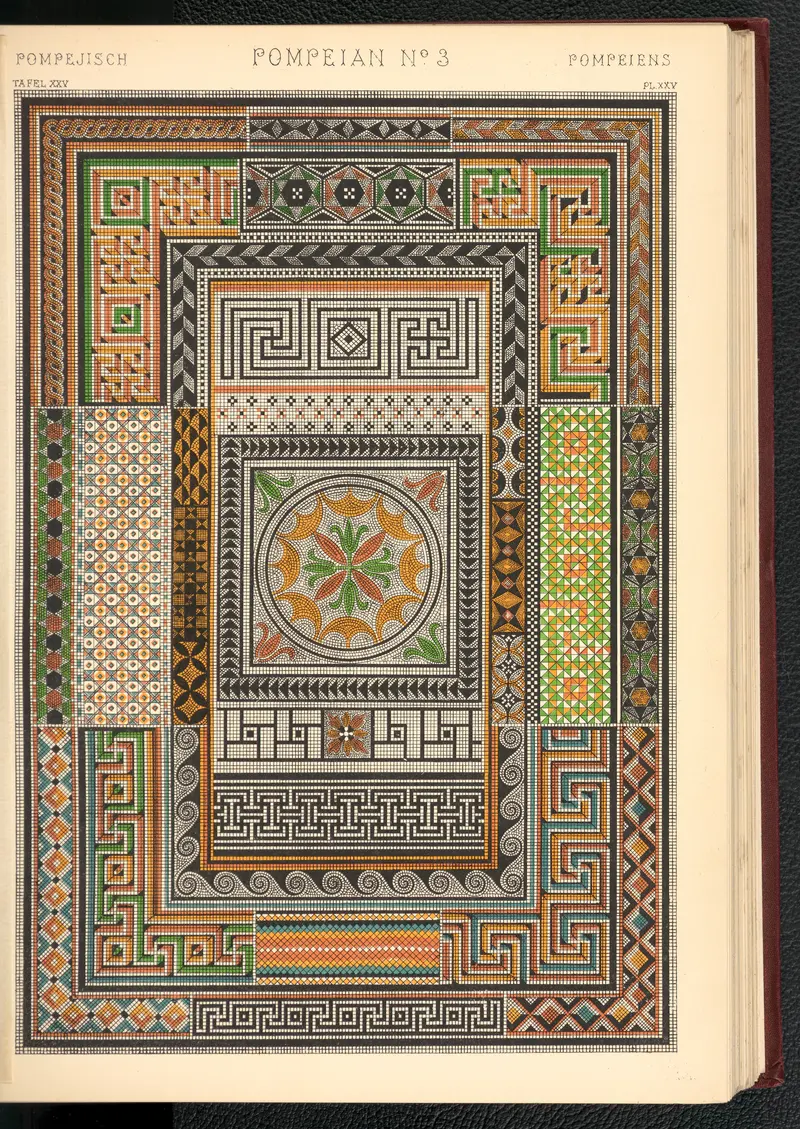
Pompeian Ornament No. 3
Owen Jones
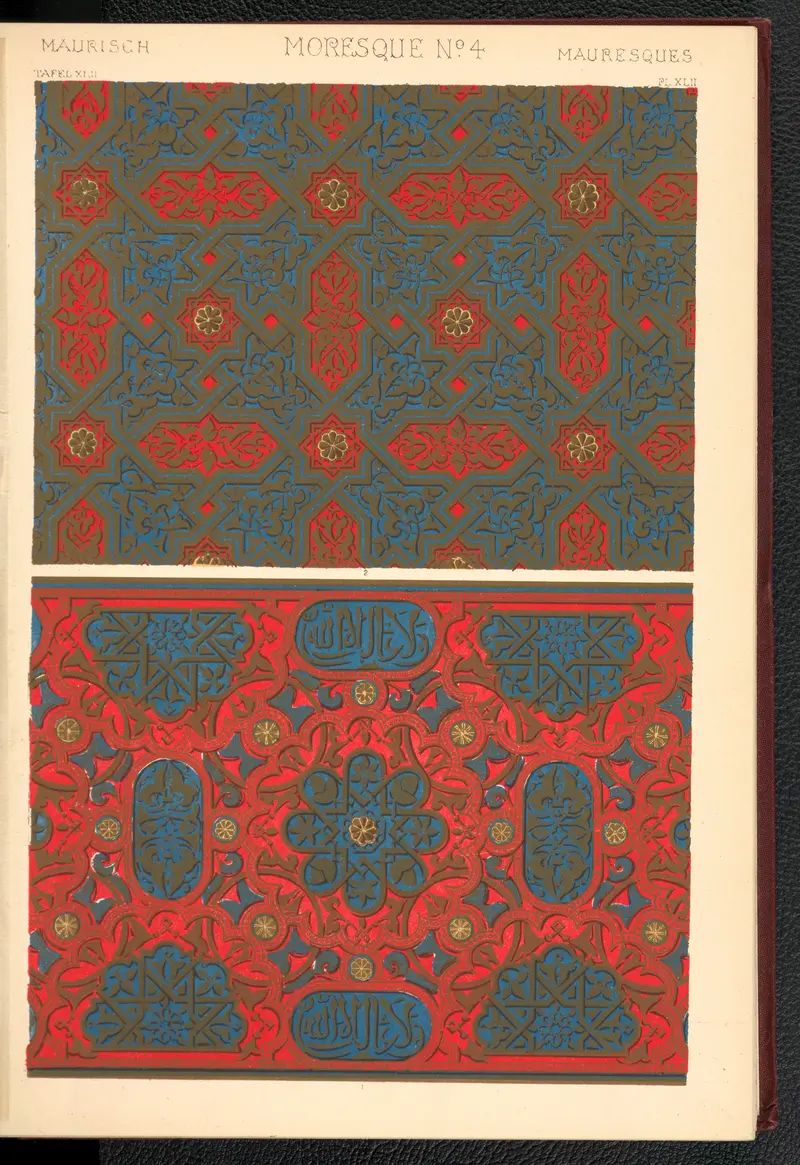
Moresque Ornament from the Alhambra No. 4
Owen Jones