Assyrian Ornament No. 2 — History & Facts
What first arrests the eye in Assyrian Ornament No. 2 is the sheer rhythm of repetition—twenty-four squares, each a self-contained world of pattern, color, and line, marching in precise formation across the page. The palette is deliberate: ochre, turquoise, olive, and red, each hue carefully chosen to evoke the grandeur of ancient palaces.
Your gaze is drawn from scalloped borders reminiscent of tiled roofs, to floral rosettes and geometric grids, each motif inviting closer inspection. Some patterns pulse with the energy of interlocking lines, while others rest in the calm symmetry of concentric circles. The orderliness is not cold but celebratory, as if the artist is inviting you to decode the language of ornament itself—each detail a clue to a vanished civilization’s taste and ideals. This chromolithograph belongs to a world fascinated by the rediscovery and cataloguing of the past.
Published in London in the early twentieth century, it forms part of a larger project to capture the decorative vocabulary of ancient Assyria and Persia—civilizations whose ruins were, at the time, being uncovered and studied with new scientific rigor. Such works were not only scholarly references but also sources of inspiration for architects, designers, and artists eager to revive historic styles. The meticulous arrangement and labeling reflect a period obsessed with order and classification, yet the exuberance of the designs themselves hints at the enduring human delight in pattern and color.
As you linger over each square, you glimpse both the ancient hands that first shaped these motifs and the modern eyes that sought to preserve them.
More Artworks by Owen Jones

Greek Ornament No. 1
Owen Jones
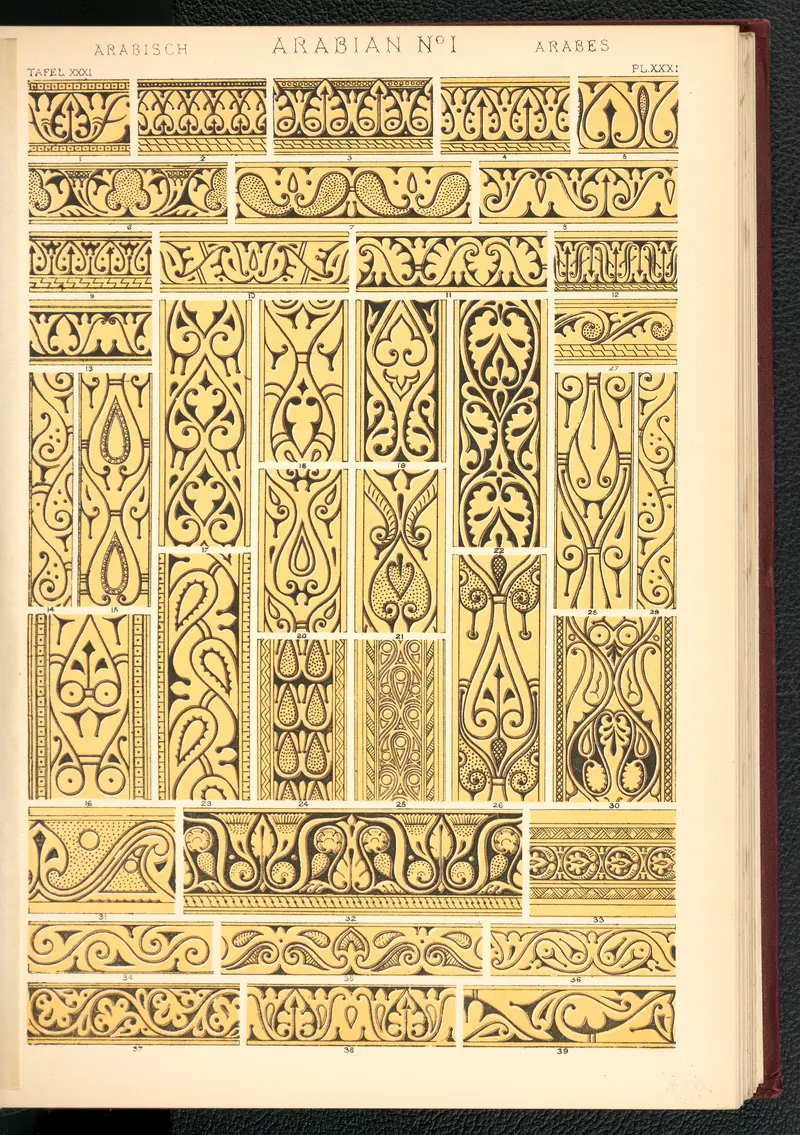
Arabian Ornament No. 1
Owen Jones

Egyptian Ornament No. 3
Owen Jones
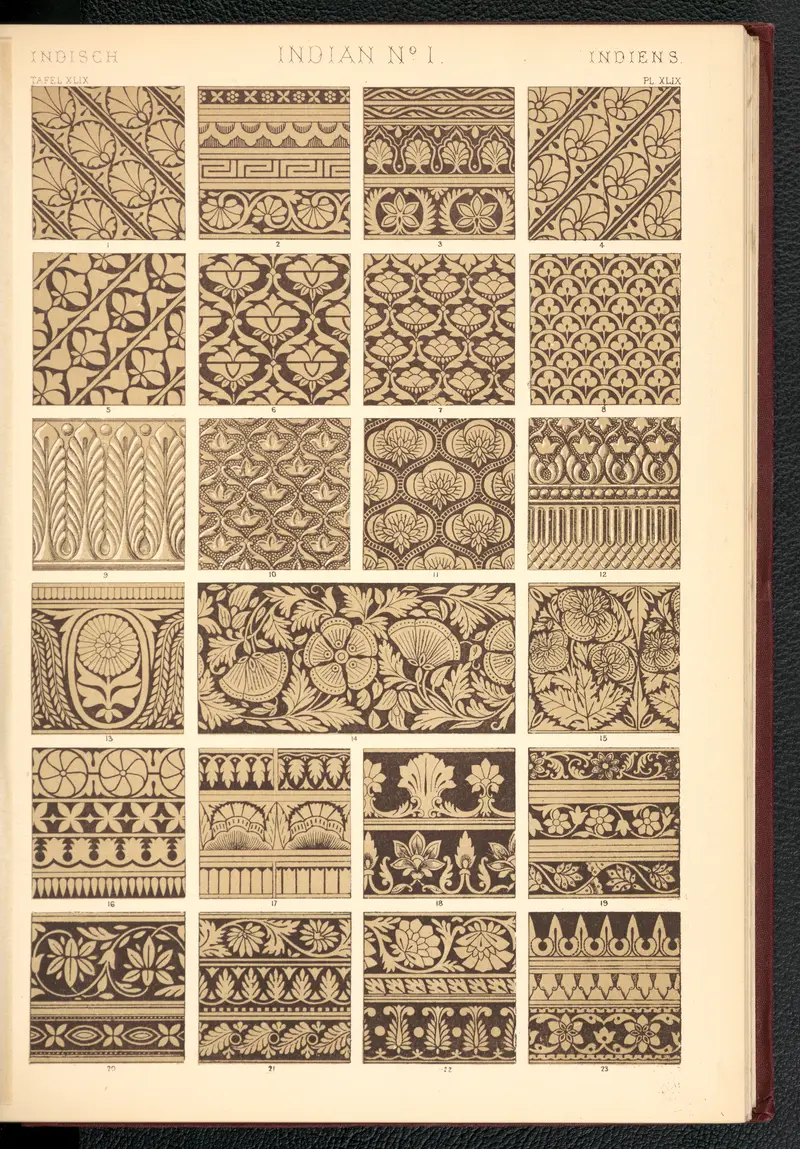
Indian Ornament No. 1
Owen Jones
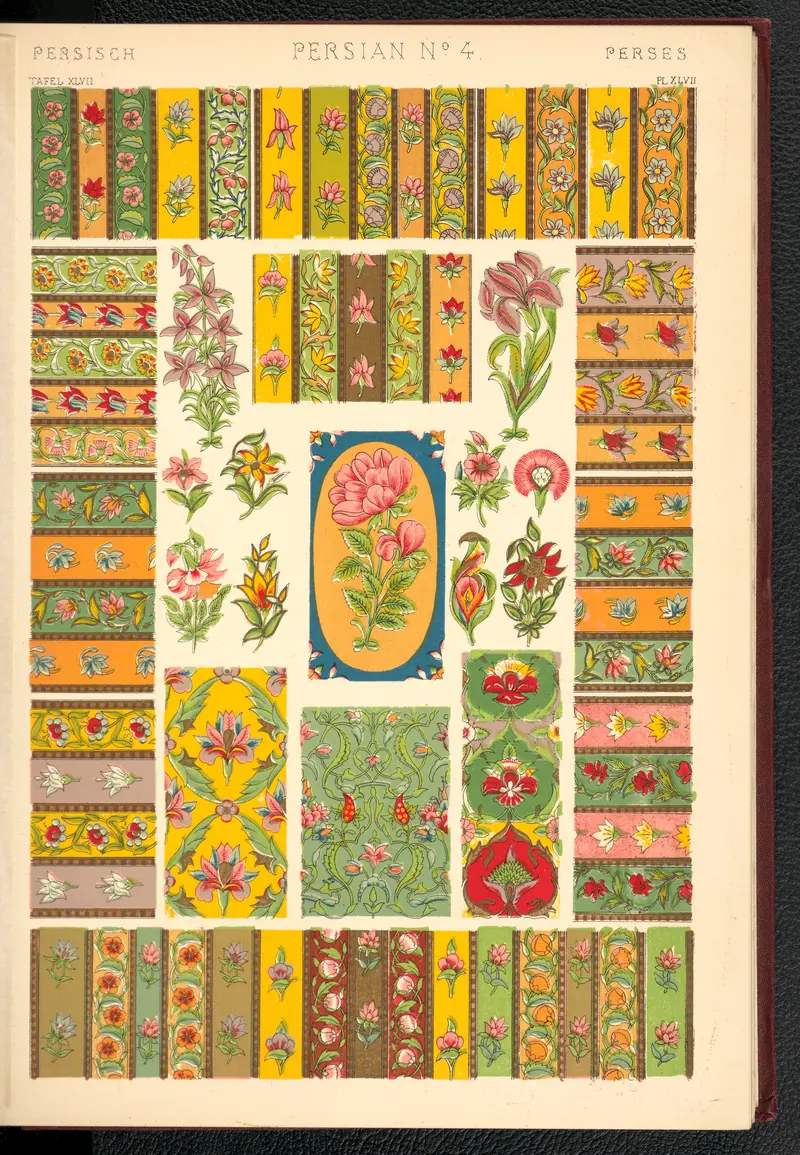
Persian Ornament No. 4
Owen Jones
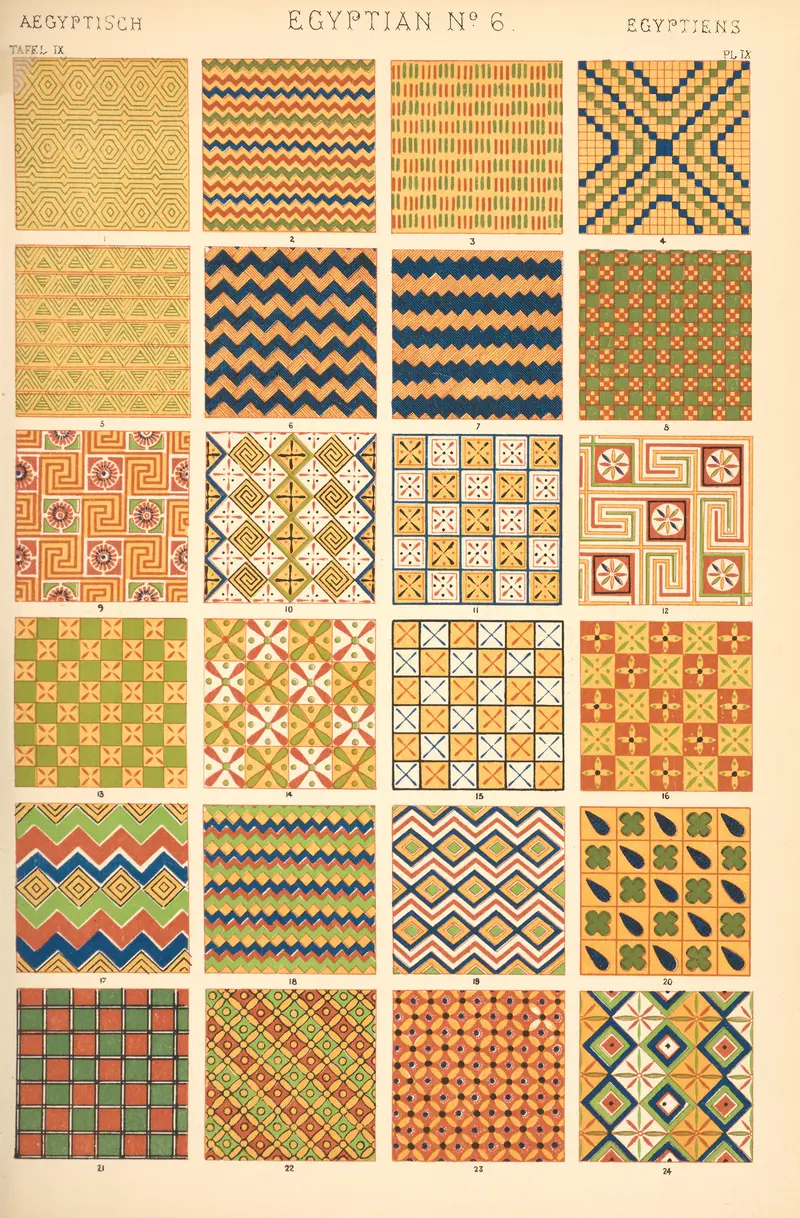
Egyptian Ornament No. 6
Owen Jones
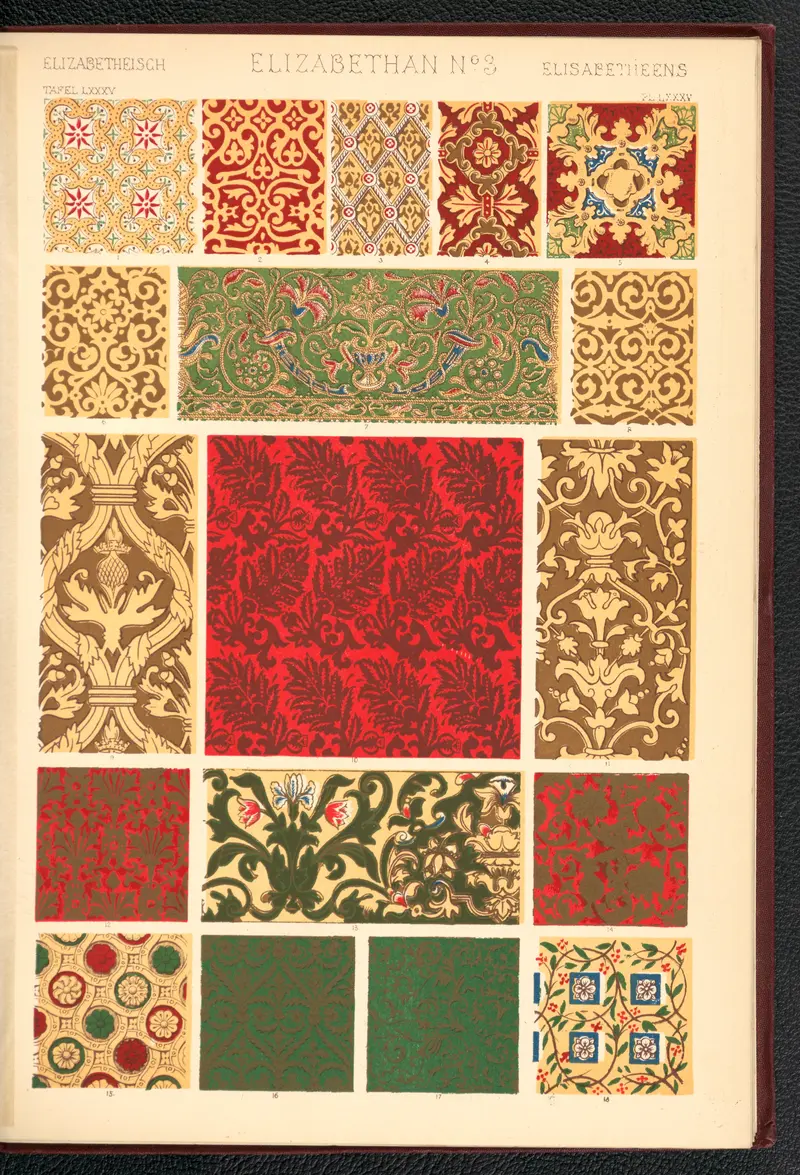
Elizabethan Ornament No. 3
Owen Jones
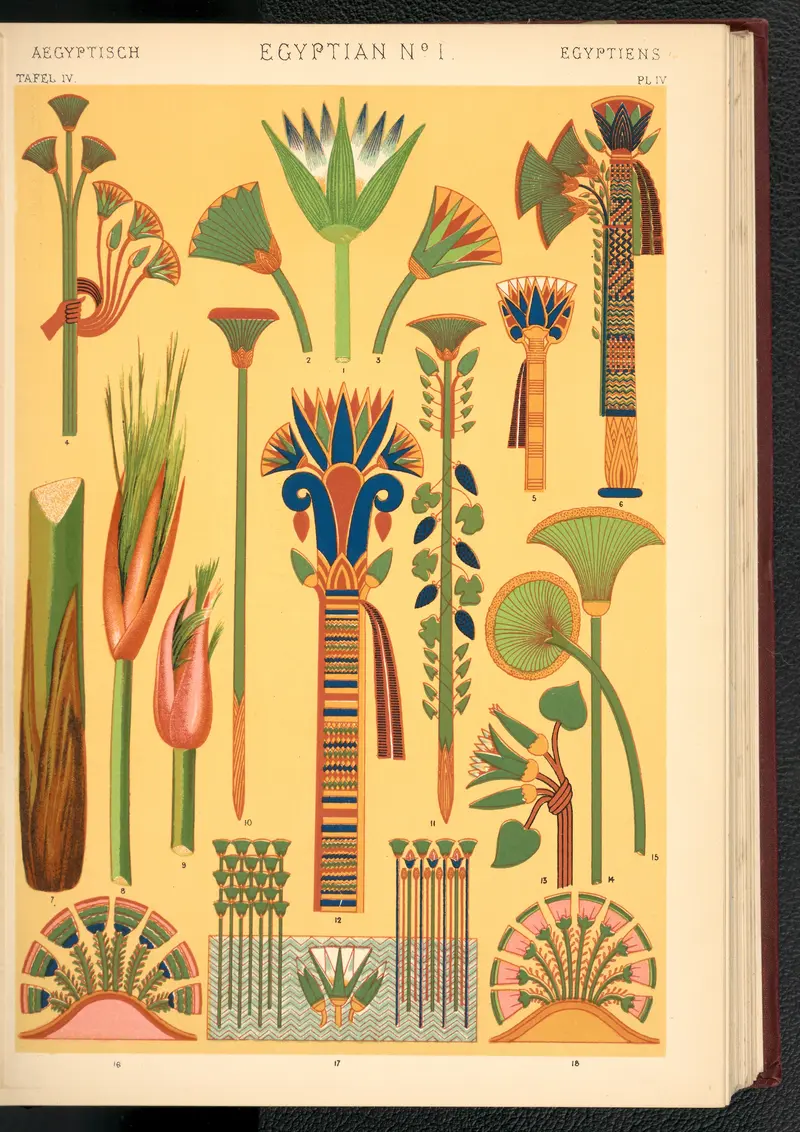
Egyptian Ornament No. 1
Owen Jones
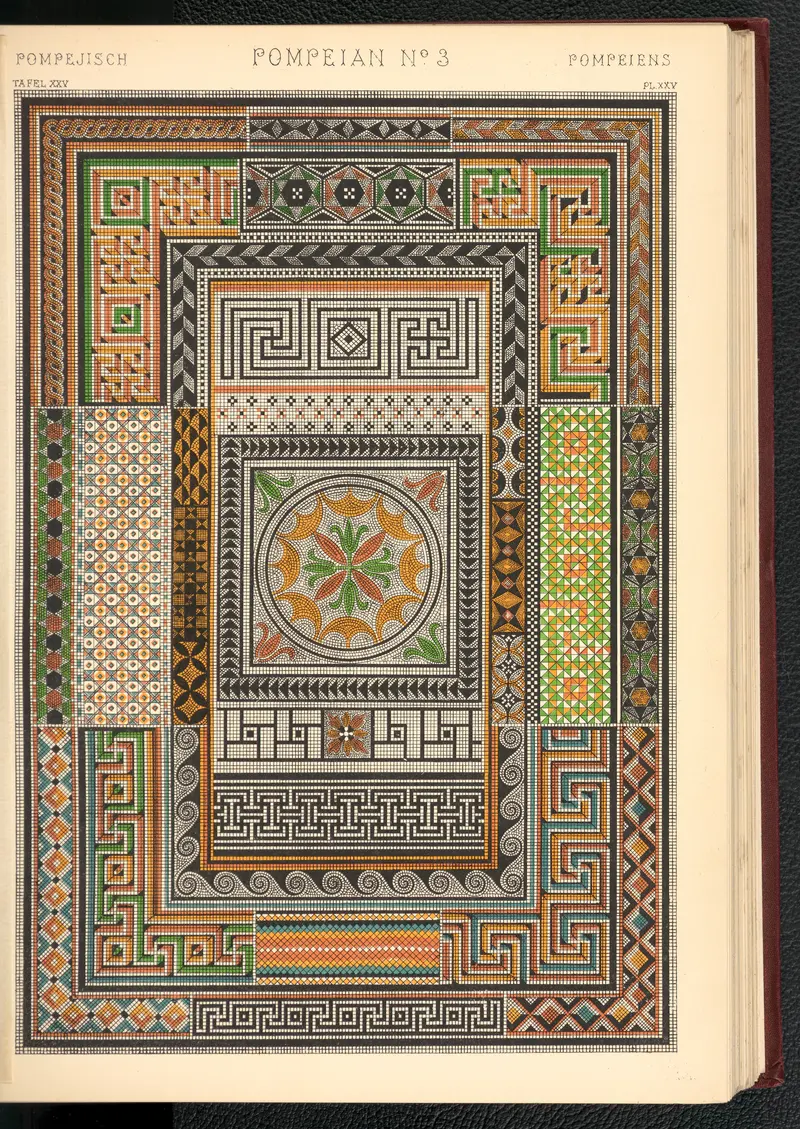
Pompeian Ornament No. 3
Owen Jones
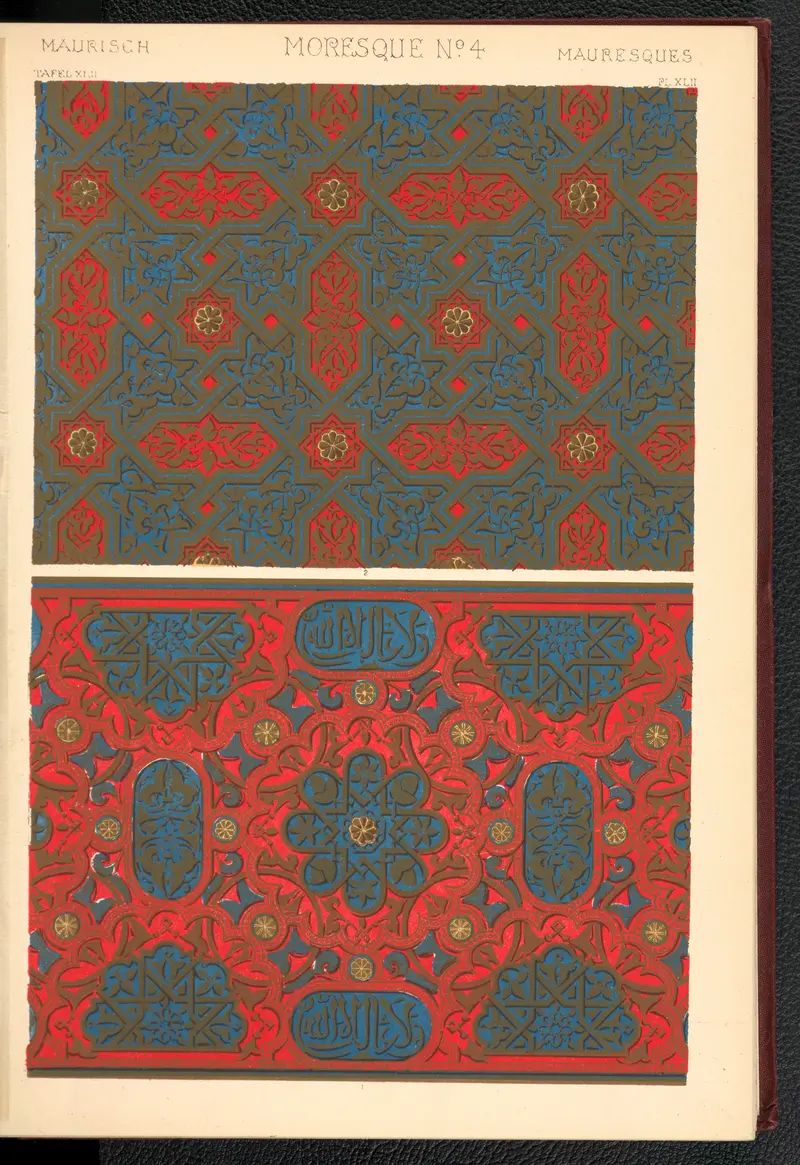
Moresque Ornament from the Alhambra No. 4
Owen Jones