Indian Ornament No. 1 — History & Facts
What first catches the eye in Indian Ornament No. 1 by Owen Jones is the hypnotic rhythm of repetition—twenty-three distinct panels, each a world of pattern, each coaxing the viewer to linger. The chromolithograph’s sepia palette unifies the page, but within each square, the visual energy shifts: some teem with tight, interlocking florals, others breathe with the sweep of stylized leaves or the strict geometry of borders.
The page feels like a sampler, a cabinet of wonders, where every motif is both self-contained and part of a larger visual conversation. The crispness of the lines and the careful balance of positive and negative space reveal the hand not only of a designer but of a thinker, inviting us to decode the language of ornament. This plate comes from a world where ornament was more than decoration—it was a subject of study, a sourcebook for architects, designers, and craftspeople in Victorian Britain’s fever for global motifs. Published in London in 1910, this edition of The Grammar of Ornament reflects the era’s fascination with cataloguing and classifying the arts of distant cultures, often filtered through the lens of empire.
Owen Jones’s work, originally published in the mid-19th century, became a touchstone for generations of designers, its pages mined for inspiration and authority. History has kept few traces of the individual artisans whose work inspired these patterns, but their legacy endures here, distilled and reimagined for new eyes—yours among them, as you trace each line and curve.
More Artworks by Owen Jones

Greek Ornament No. 1
Owen Jones
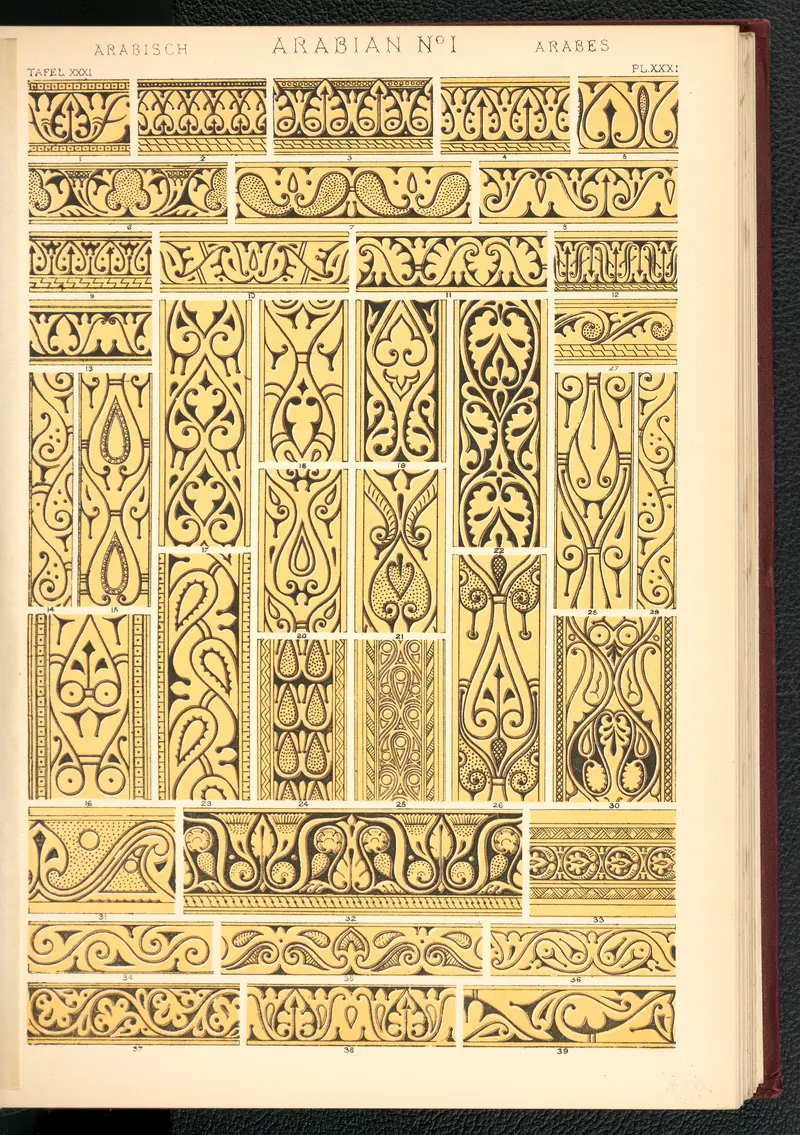
Arabian Ornament No. 1
Owen Jones
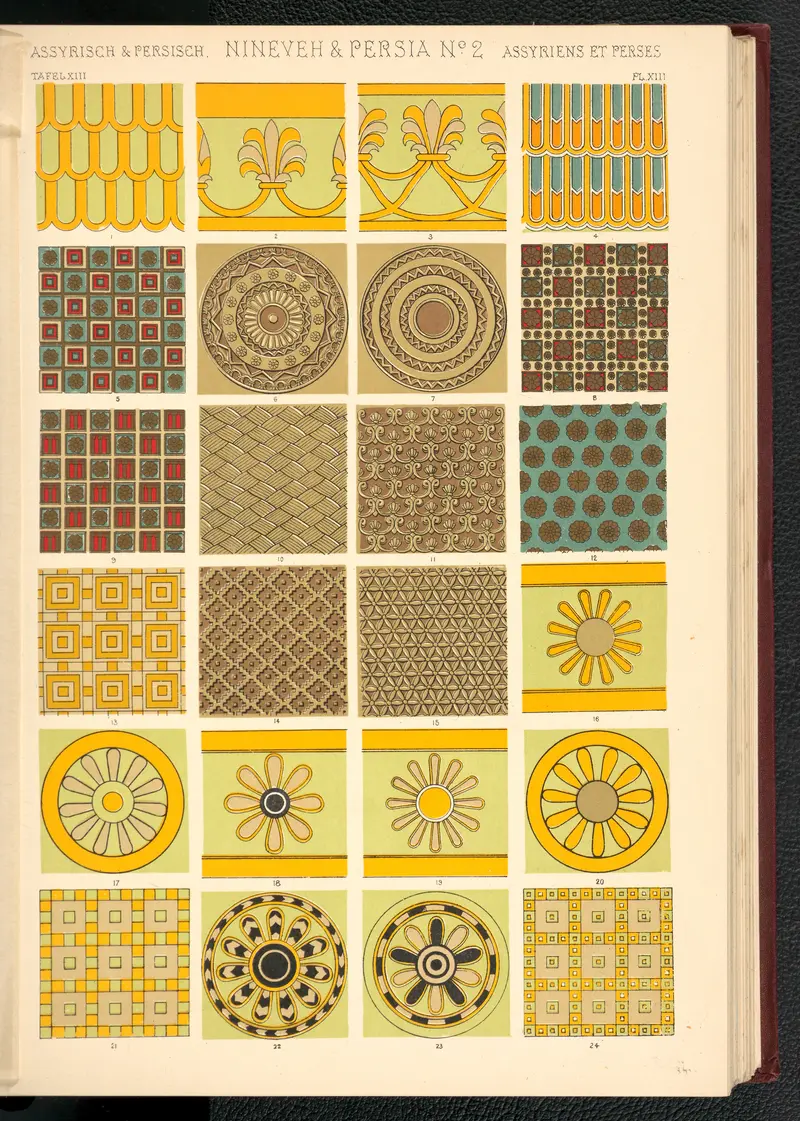
Assyrian Ornament No. 2
Owen Jones

Egyptian Ornament No. 3
Owen Jones
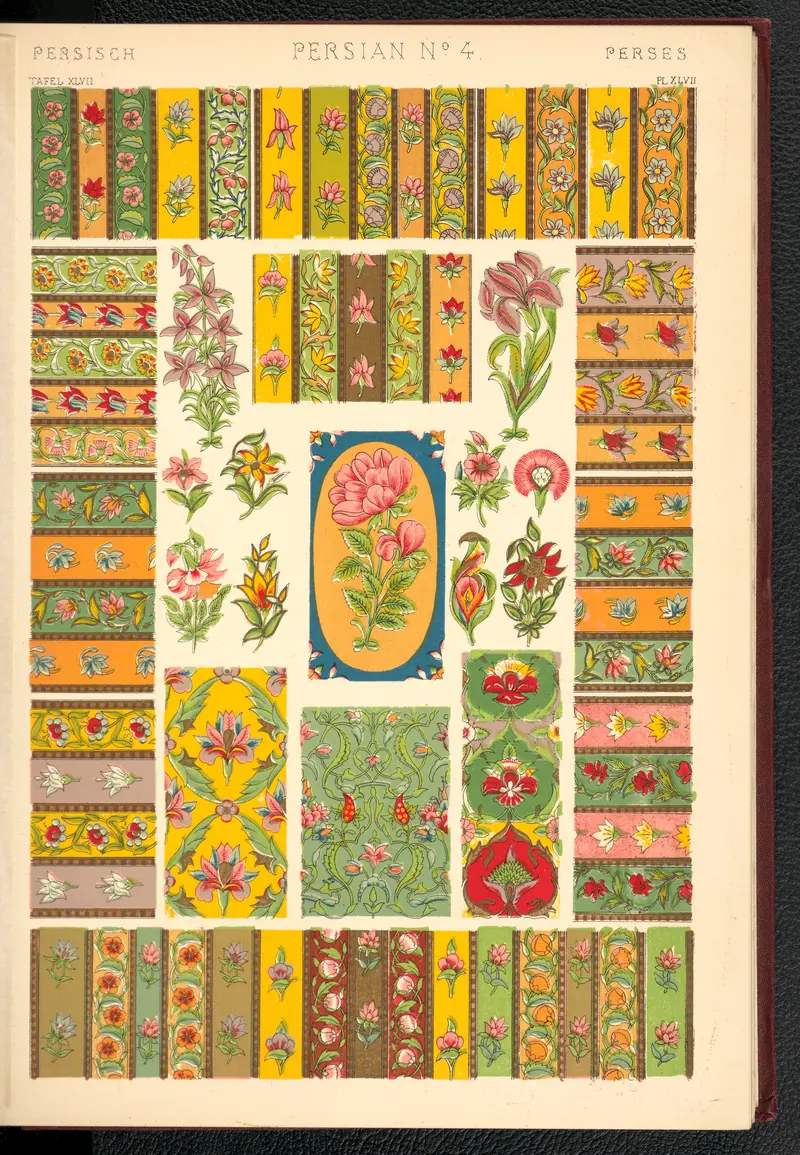
Persian Ornament No. 4
Owen Jones
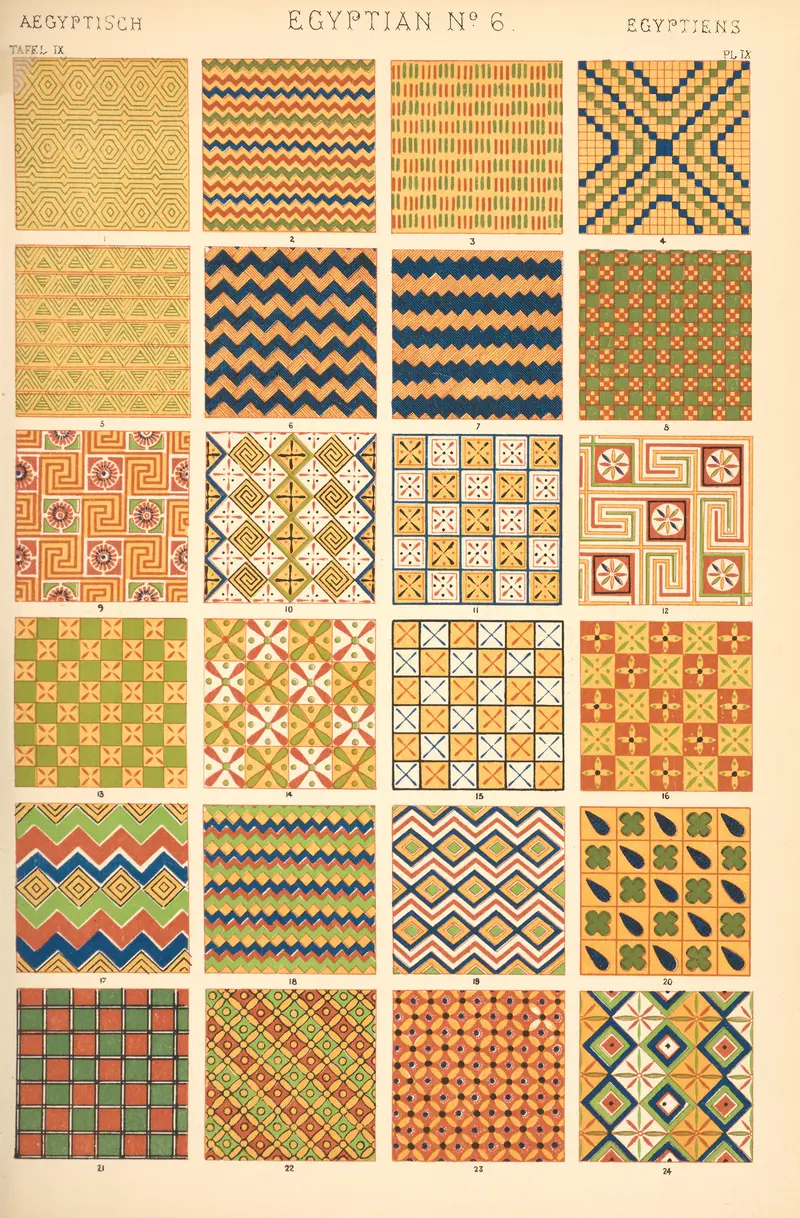
Egyptian Ornament No. 6
Owen Jones
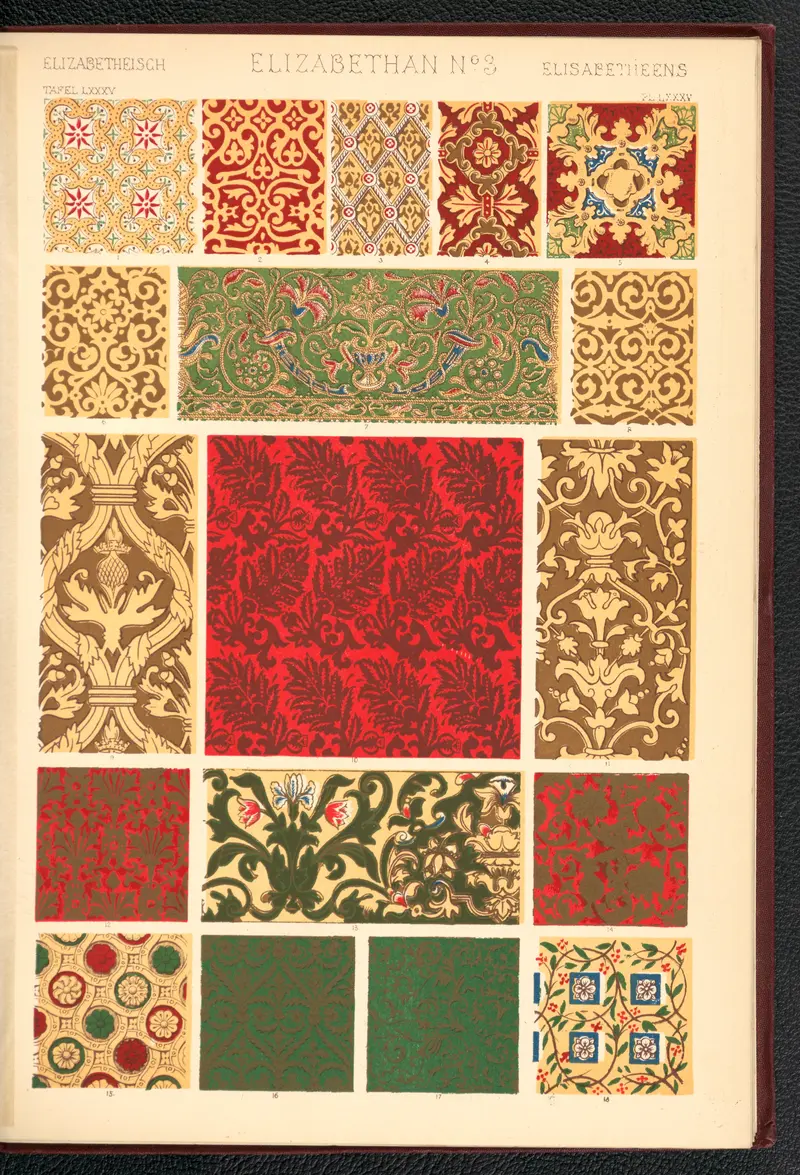
Elizabethan Ornament No. 3
Owen Jones
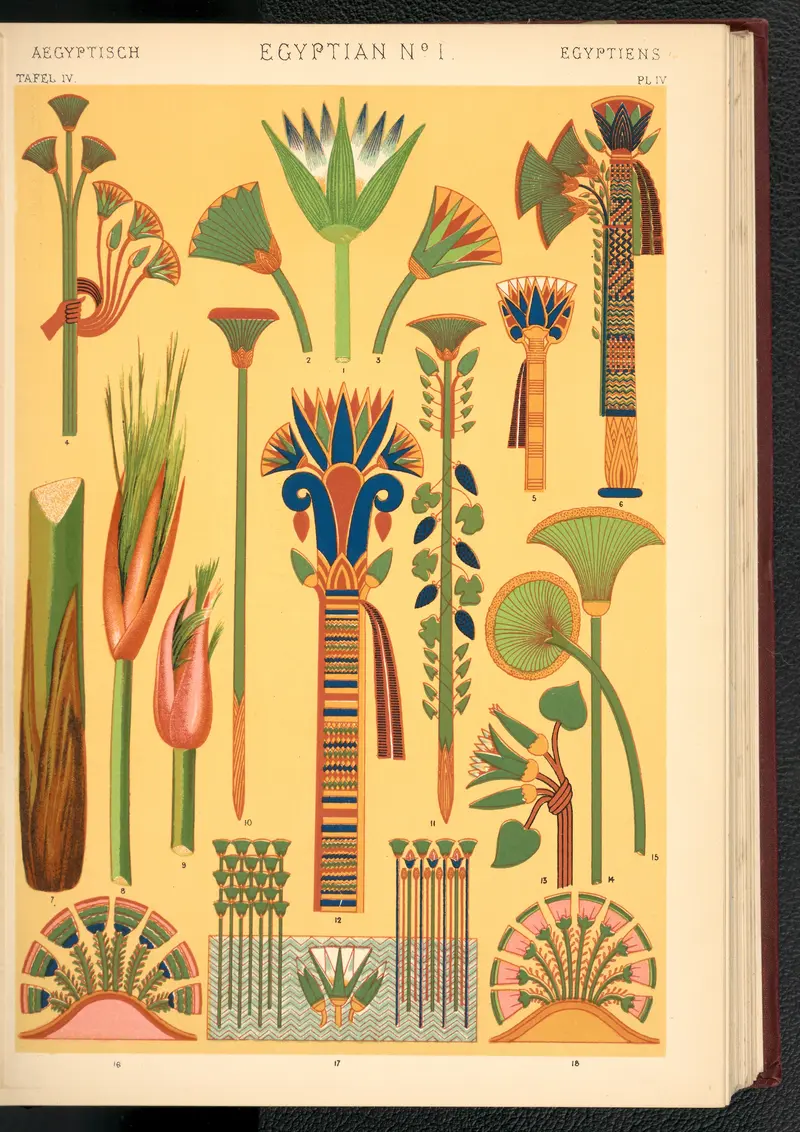
Egyptian Ornament No. 1
Owen Jones
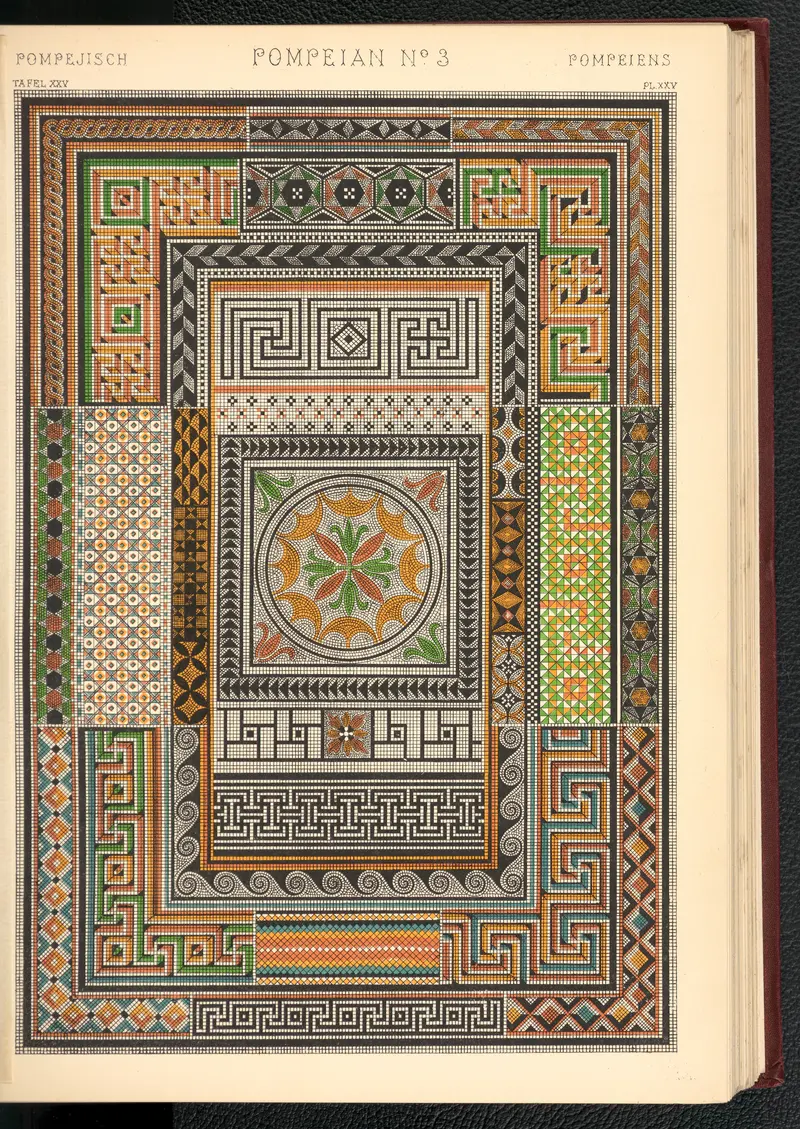
Pompeian Ornament No. 3
Owen Jones
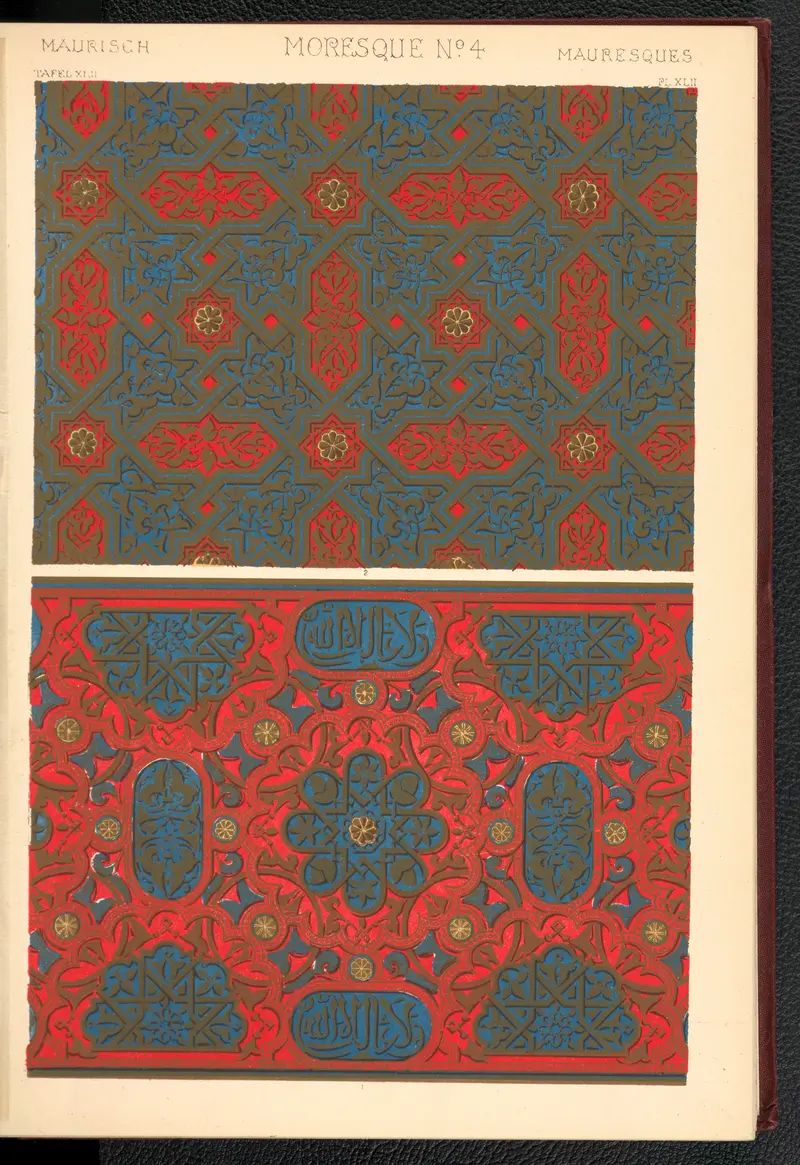
Moresque Ornament from the Alhambra No. 4
Owen Jones