Persian Ornament No. 4 — History & Facts
A feast of color and rhythm greets the eye in Persian Ornament No. 4, where every inch is alive with the careful repetition and variation of floral motifs. The page is a garden cultivated by geometry: blossoms unfurl along borders, stems spiral in mirrored pairs, and each panel is a world of its own, yet all are united by the same luminous palette of yellows, greens, pinks, and reds.
The central oval, with its lush pink flower, draws you in, but the real pleasure is in wandering—tracing the way a tulip bends here, a carnation bursts there, and how the strict order of the grid only heightens the sense of organic abundance. This is ornament as both discipline and delight, where the eye is led from detail to detail, always discovering another twist of leaf or petal. Created in the mid-nineteenth century by Owen Jones, this chromolithograph belongs to a world obsessed with cataloguing and reviving the decorative arts. The era saw designers and architects turning to the past—especially the arts of Persia—for inspiration, seeking patterns that could lend richness and unity to everything from wallpaper to ceramics.
Published in London in 1910 by B. Quaritch and now preserved in the Polona Digital Library, this plate is part of a larger grammar of ornament, a visual dictionary for a new industrial age hungry for beauty and order. History has kept few traces of the individual artisans who first devised these motifs, but their legacy blooms anew each time a viewer lets their gaze wander across Jones’s meticulous page.
More Artworks by Owen Jones

Greek Ornament No. 1
Owen Jones
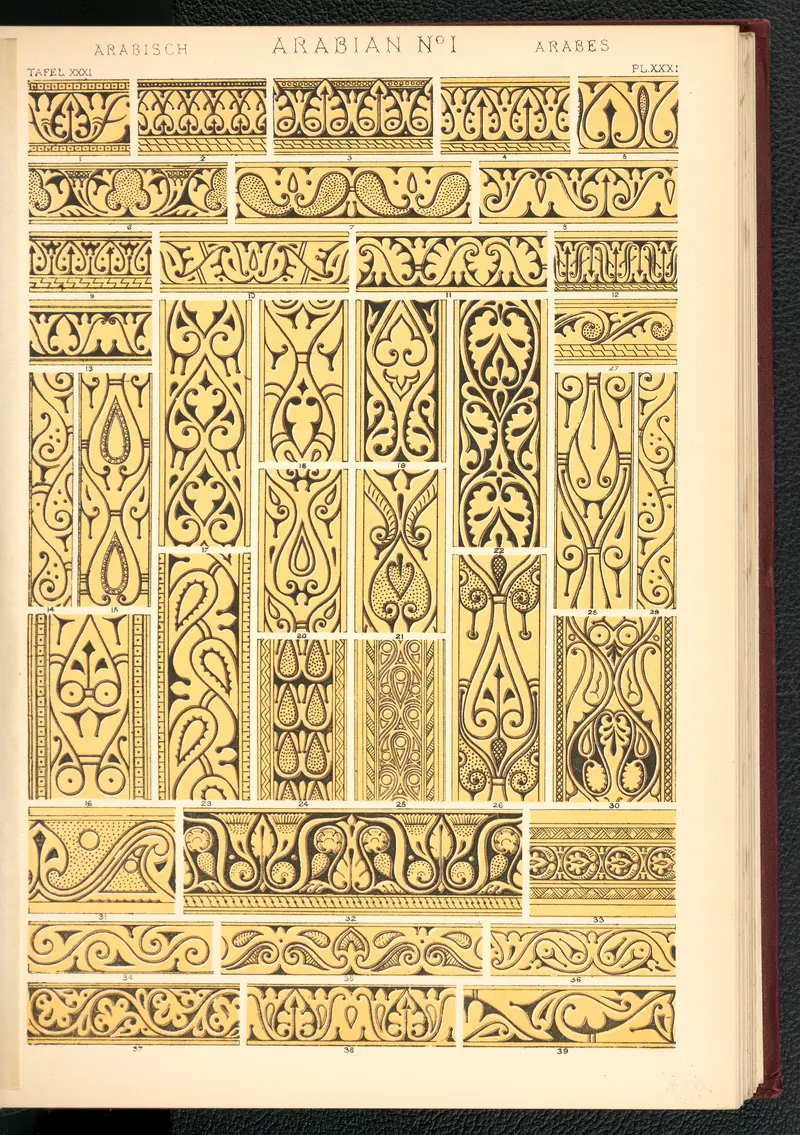
Arabian Ornament No. 1
Owen Jones
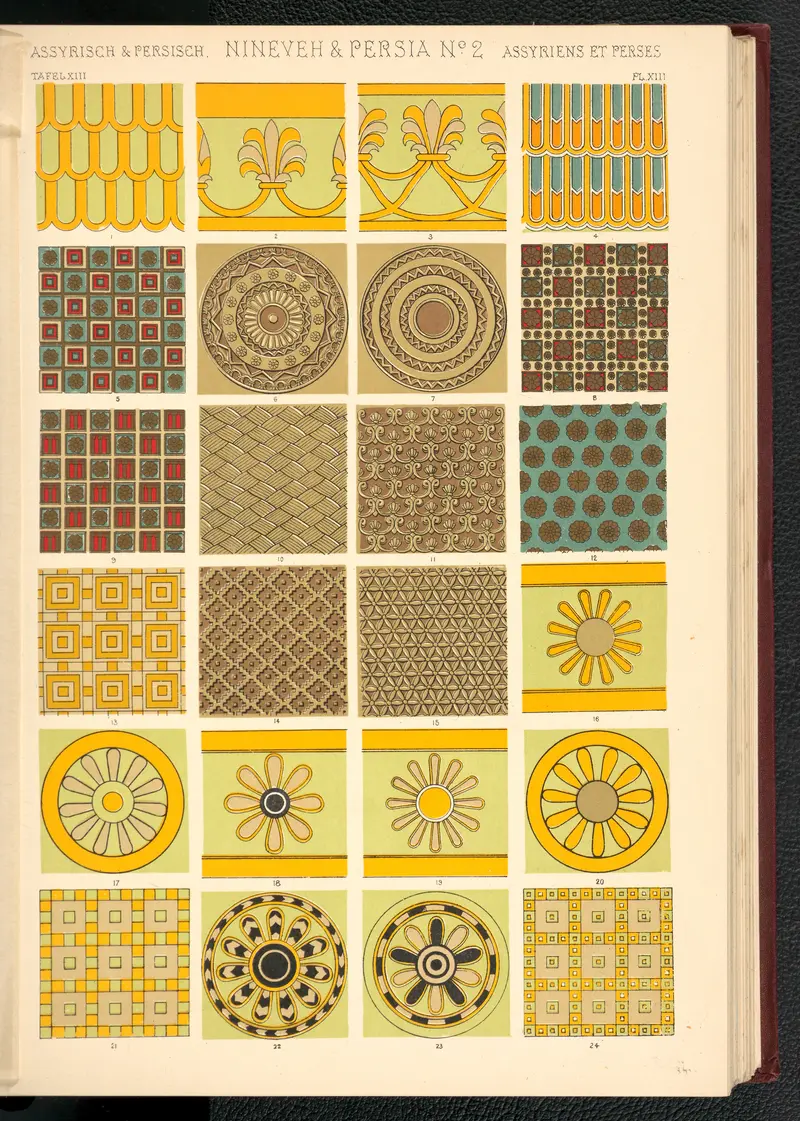
Assyrian Ornament No. 2
Owen Jones

Egyptian Ornament No. 3
Owen Jones
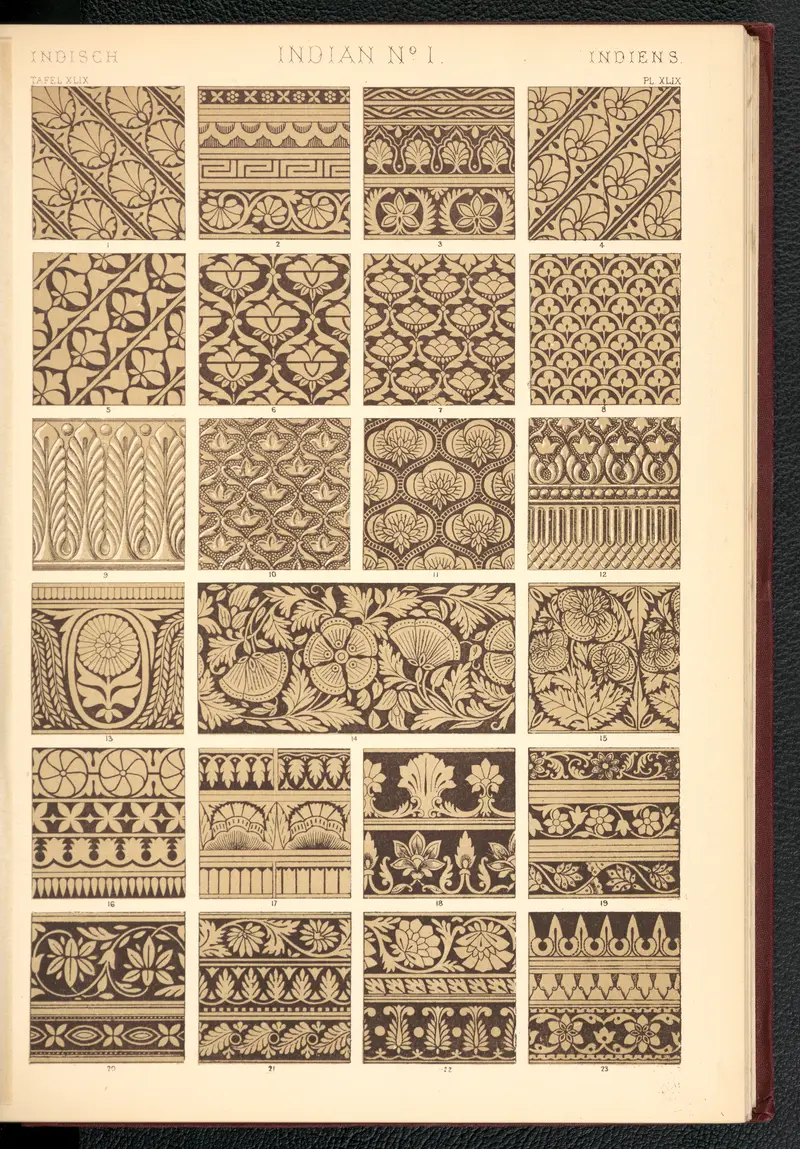
Indian Ornament No. 1
Owen Jones
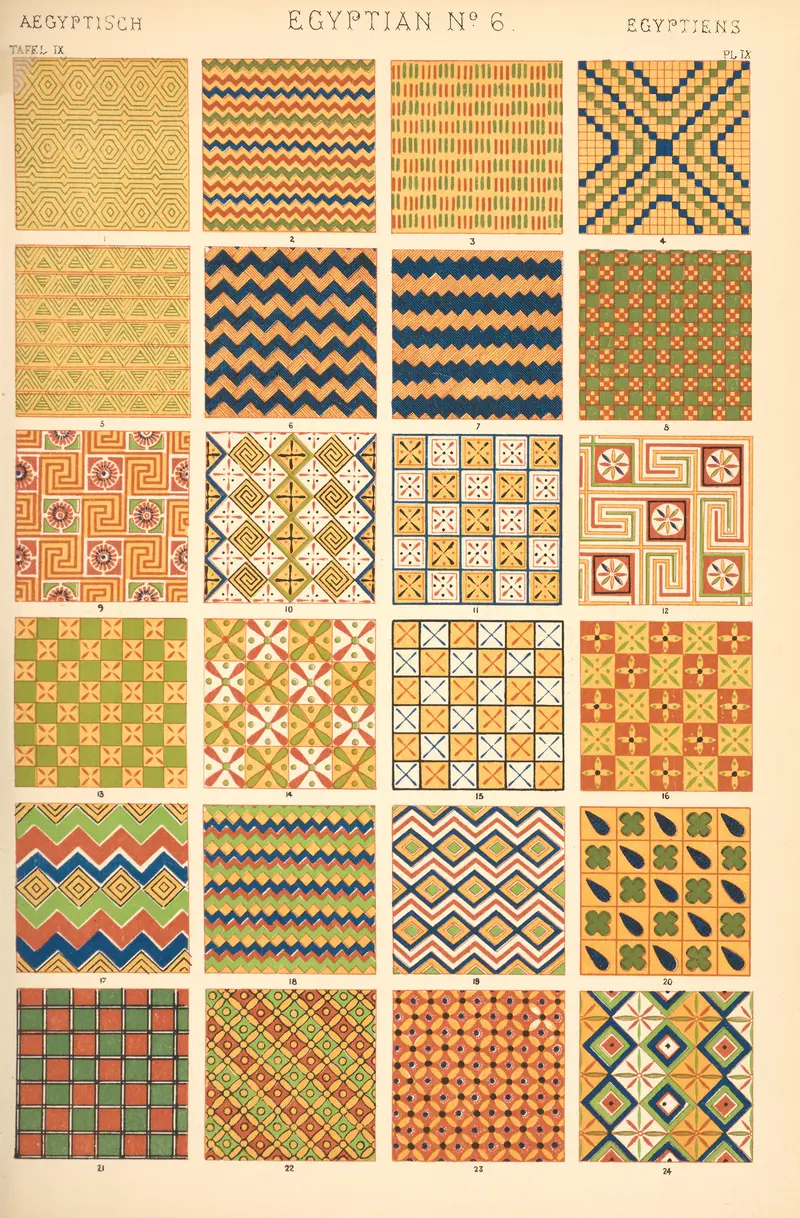
Egyptian Ornament No. 6
Owen Jones
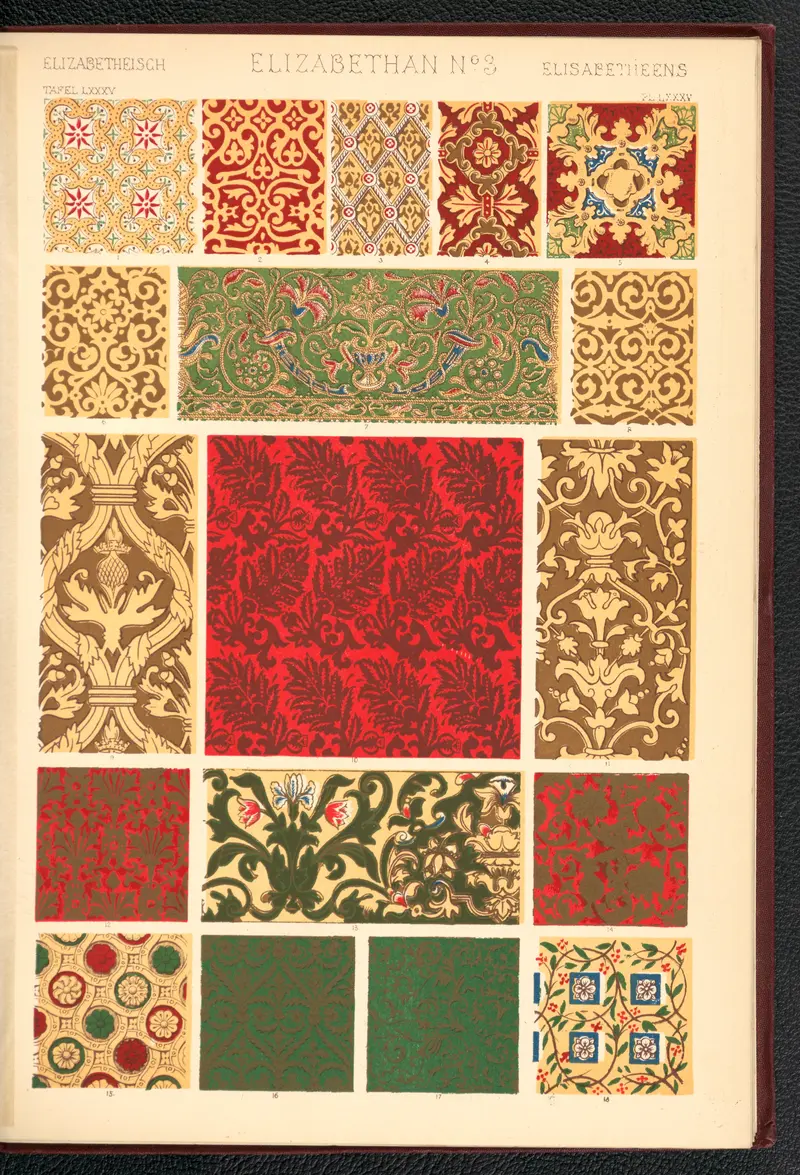
Elizabethan Ornament No. 3
Owen Jones
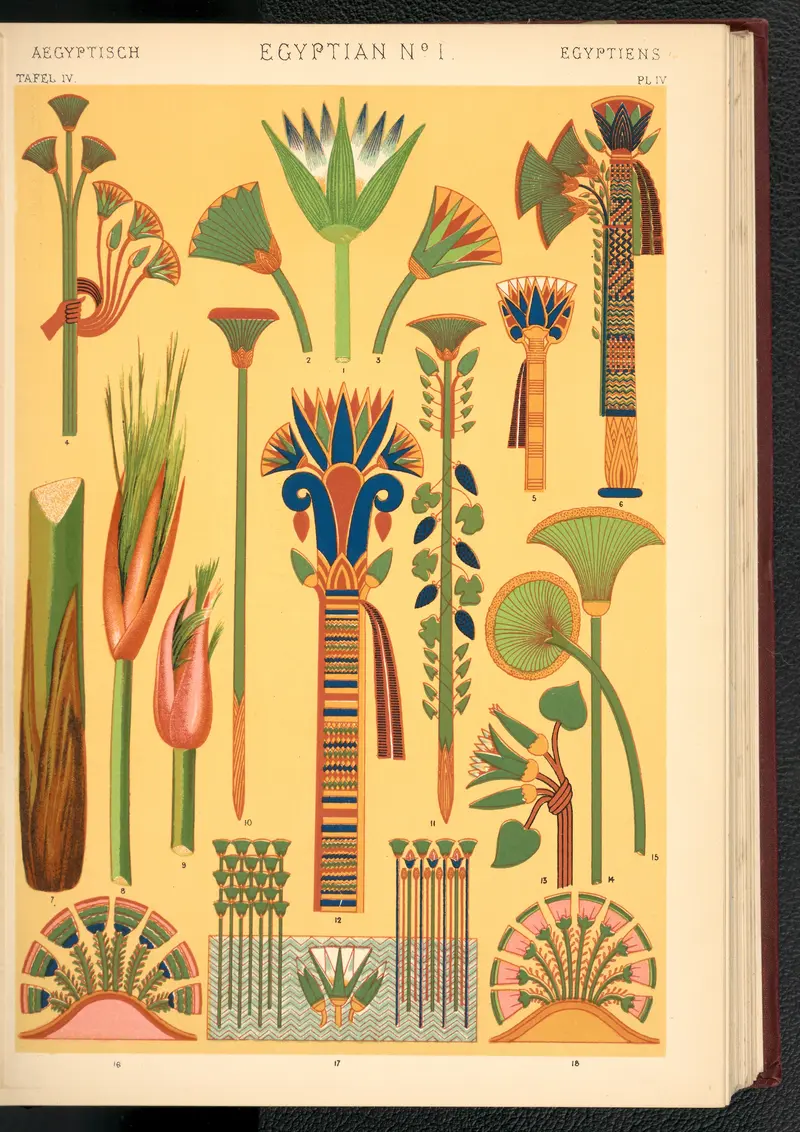
Egyptian Ornament No. 1
Owen Jones
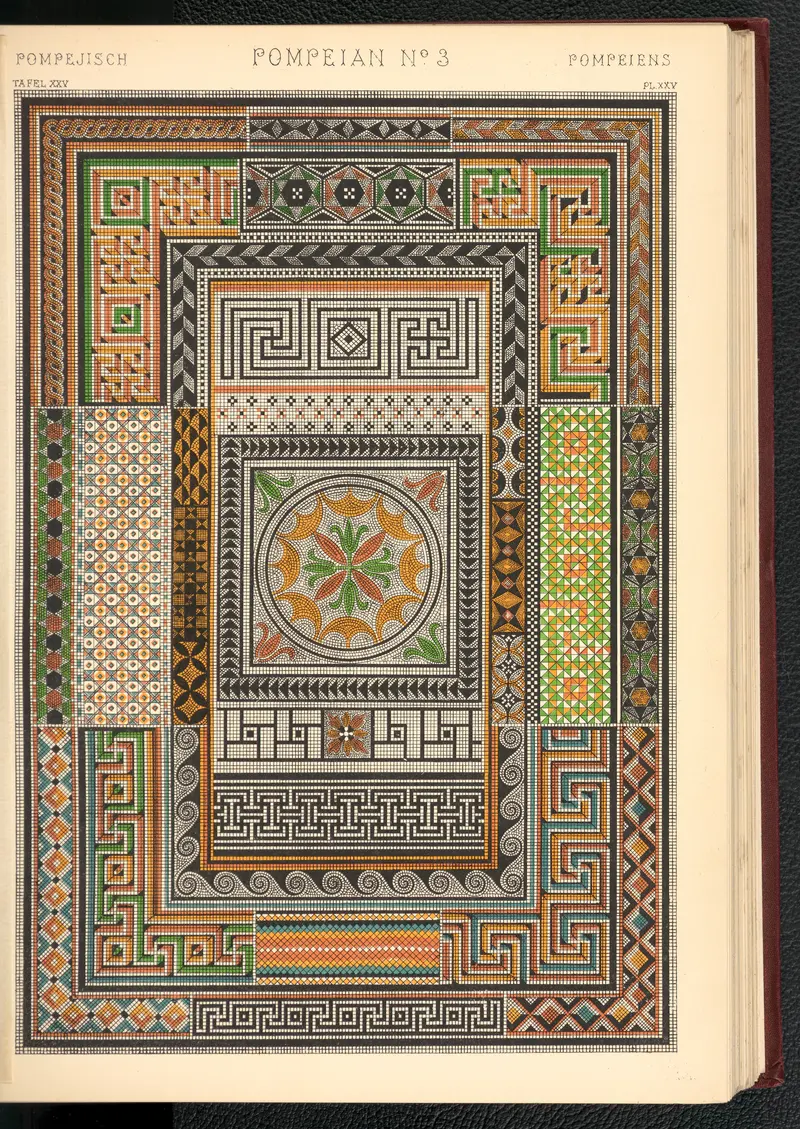
Pompeian Ornament No. 3
Owen Jones
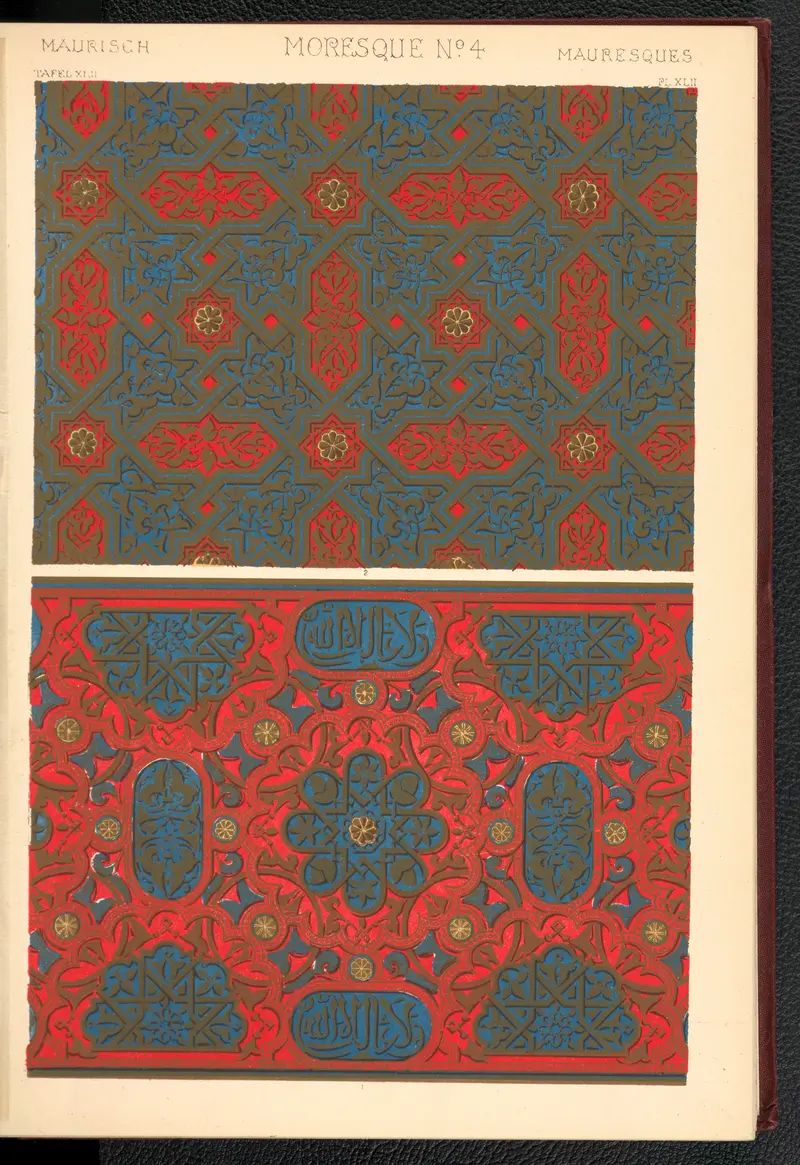
Moresque Ornament from the Alhambra No. 4
Owen Jones