Pompeian Ornament No. 3 — History & Facts
A maze of geometry and color draws the eye into Pompeian Ornament No. 3, where every border and motif seems to pulse with intention. The central medallion, a flower-like burst of orange, green, and gold, anchors the composition, while concentric bands of intricate patterns ripple outward—each layer a new code to decipher.
The sharp black lines and precise symmetry give the whole a sense of order, but the shifting palette and the playful Greek keys keep the gaze in motion, never letting it rest for long. This is not a scene to be entered, but a world to be navigated, each detail a deliberate invitation to linger. Works like this chromolithograph, published in London in 1910 and now preserved in the Polona Digital Library, are the legacy of a nineteenth-century fascination with the art and architecture of antiquity. The era saw a surge of interest in archaeological discoveries at Pompeii, and designers like Owen Jones translated those ancient visual languages into modern ornament and design theory.
Such plates were not mere decoration—they were teaching tools, pattern books, and manifestos for a new design age, fueling everything from wallpaper to architecture. The legacy of these images is not just in their beauty, but in their role as bridges between lost worlds and new visions. Look again at the interlocking patterns: they are both ancient and modern, a reminder that ornament is never just surface, but a story told in line and color.
More Artworks by Owen Jones

Greek Ornament No. 1
Owen Jones
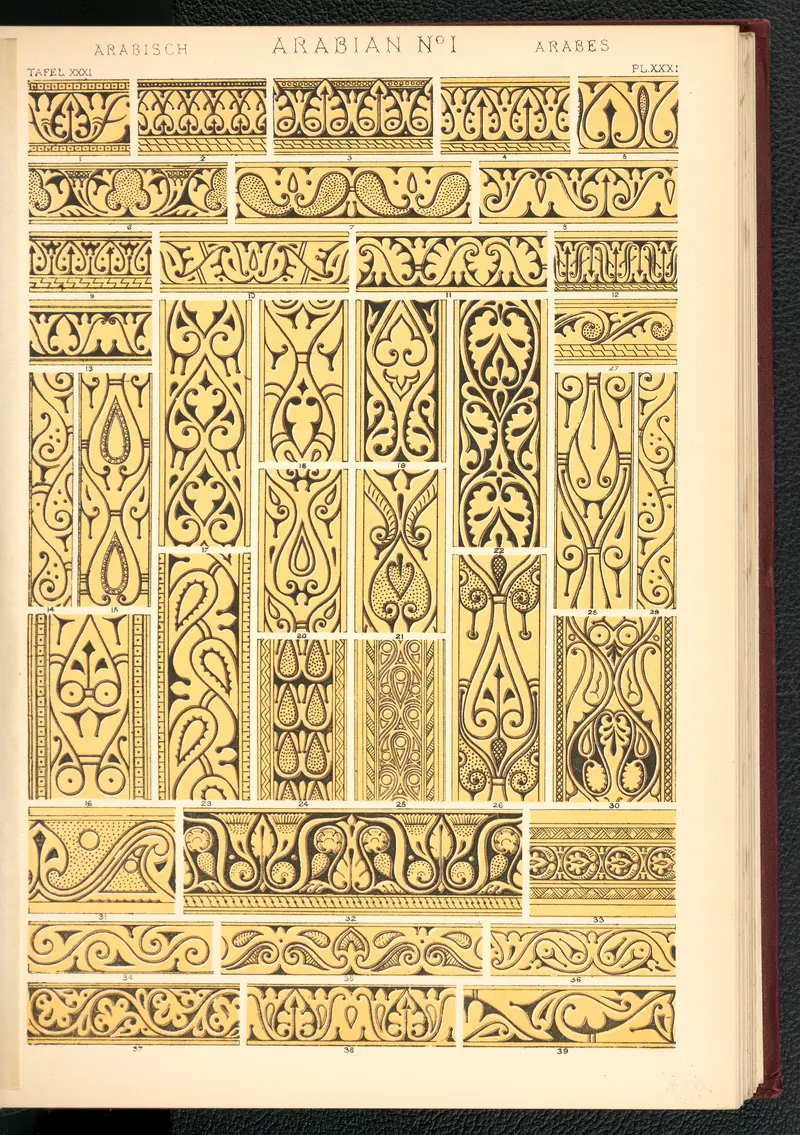
Arabian Ornament No. 1
Owen Jones
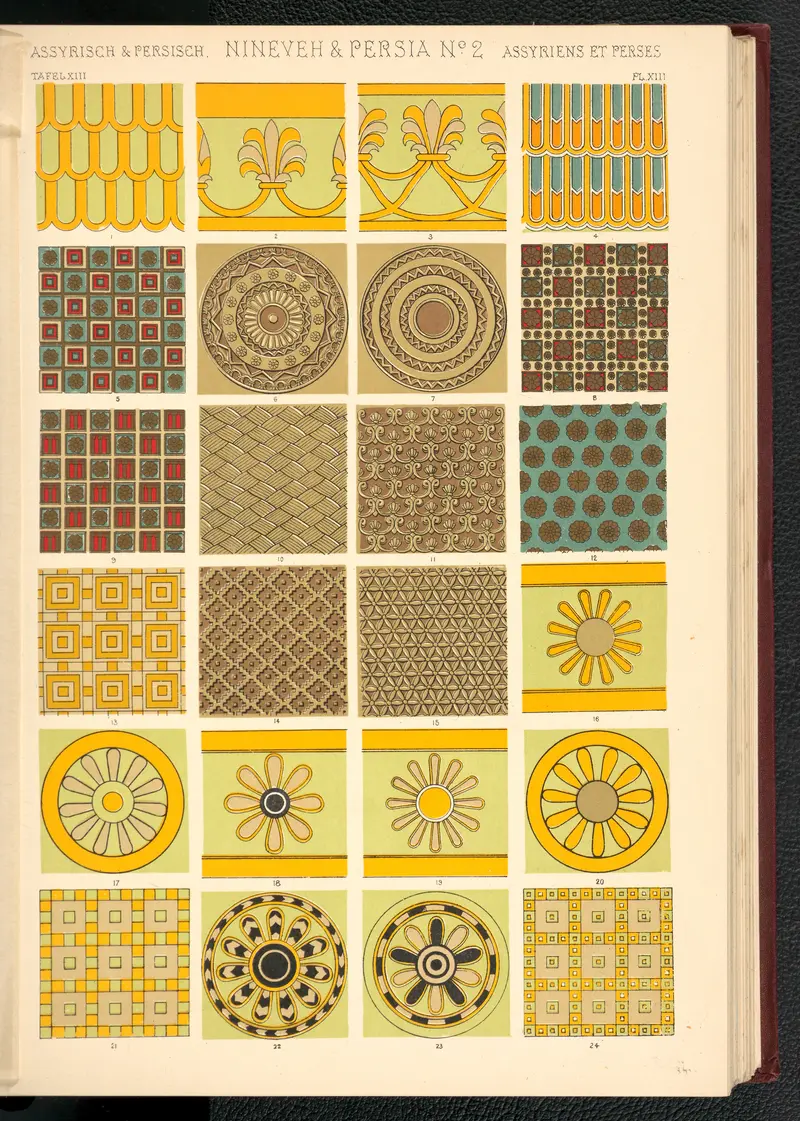
Assyrian Ornament No. 2
Owen Jones

Egyptian Ornament No. 3
Owen Jones
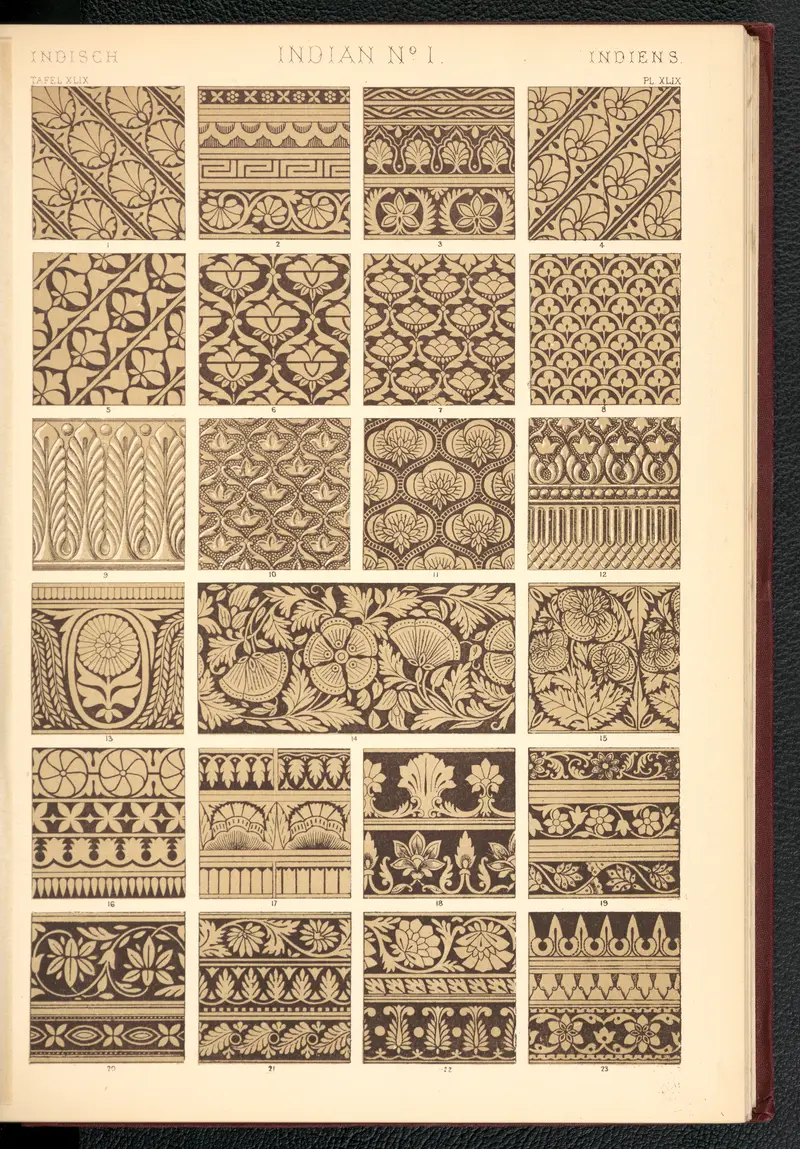
Indian Ornament No. 1
Owen Jones
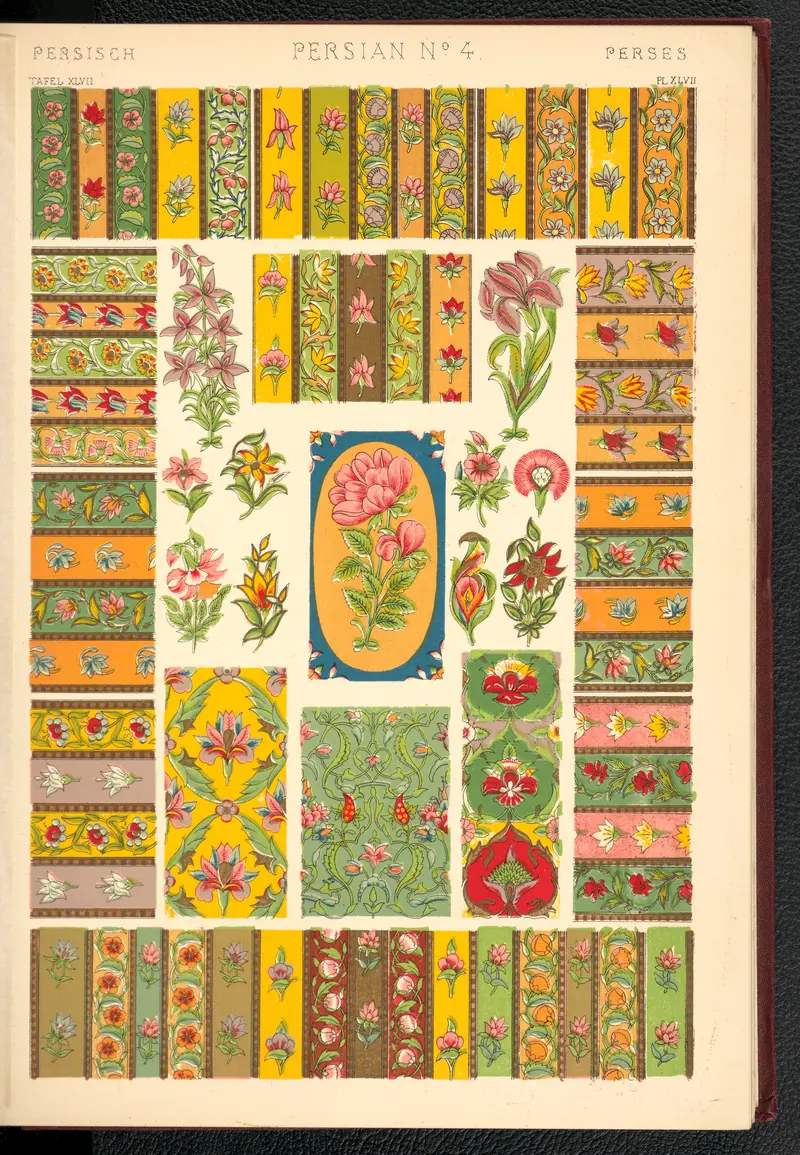
Persian Ornament No. 4
Owen Jones
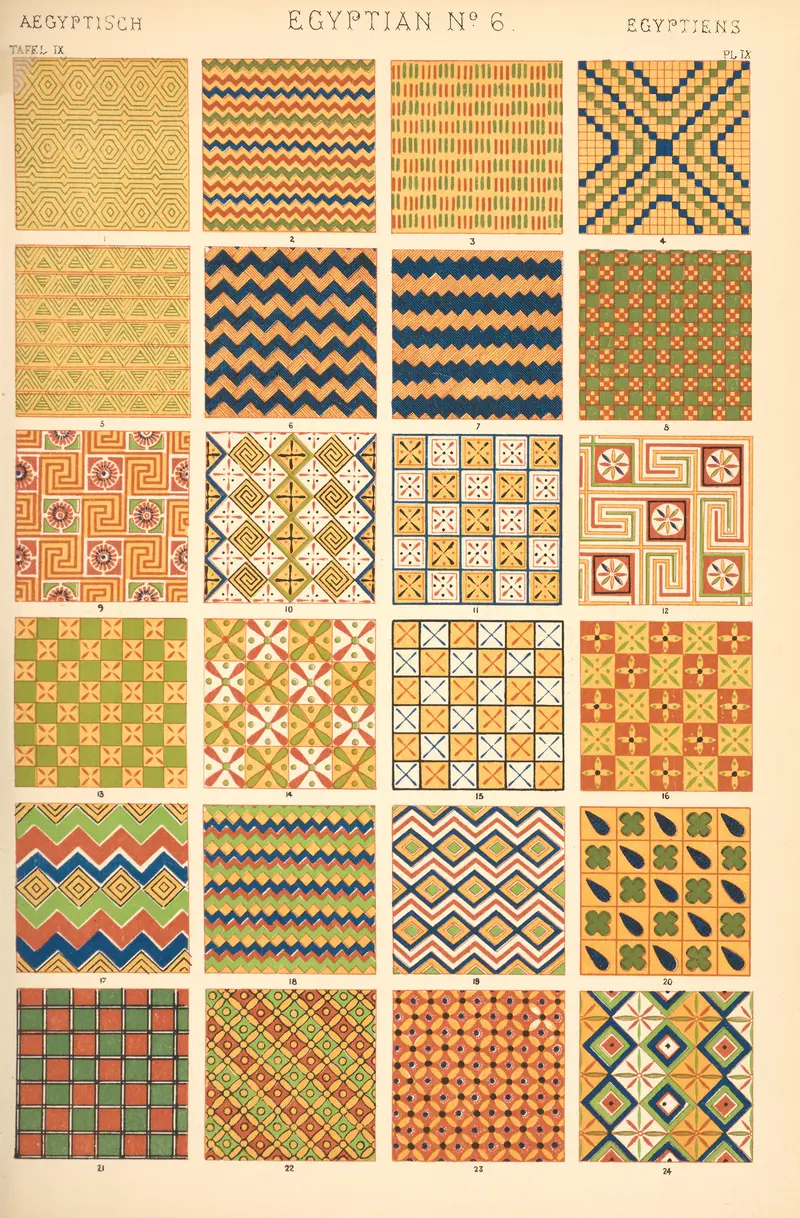
Egyptian Ornament No. 6
Owen Jones
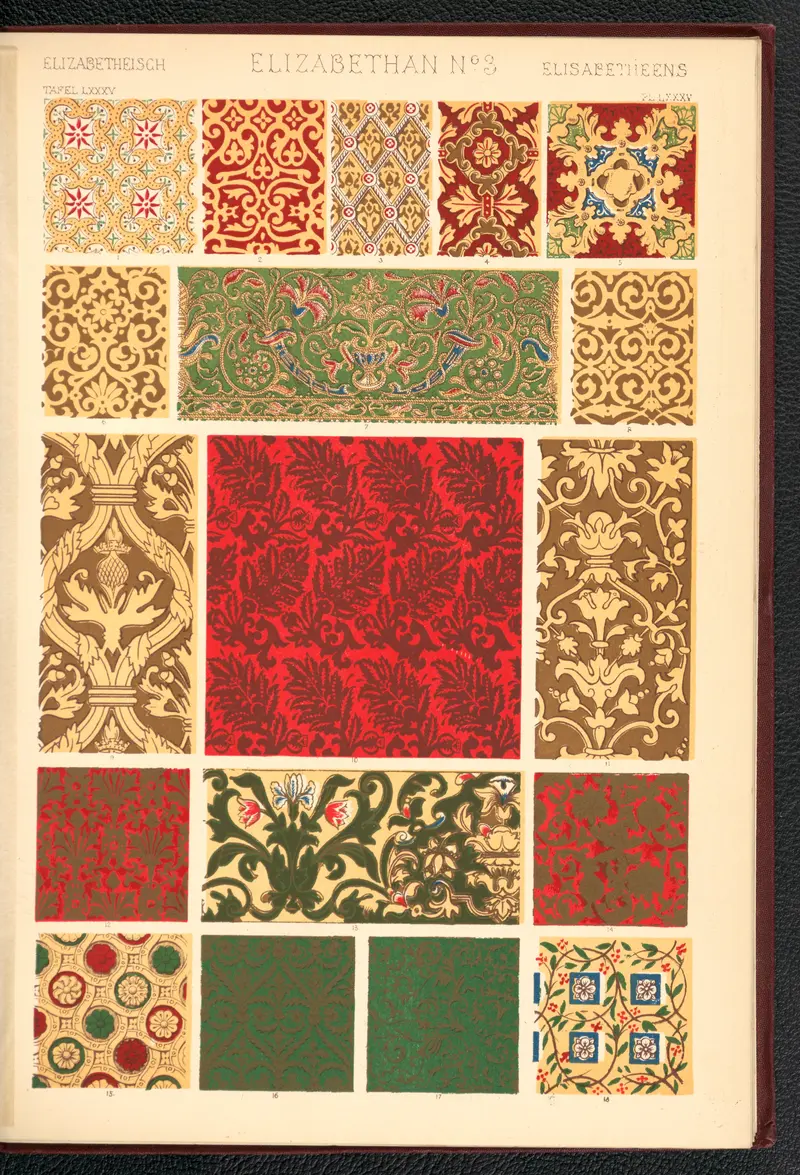
Elizabethan Ornament No. 3
Owen Jones
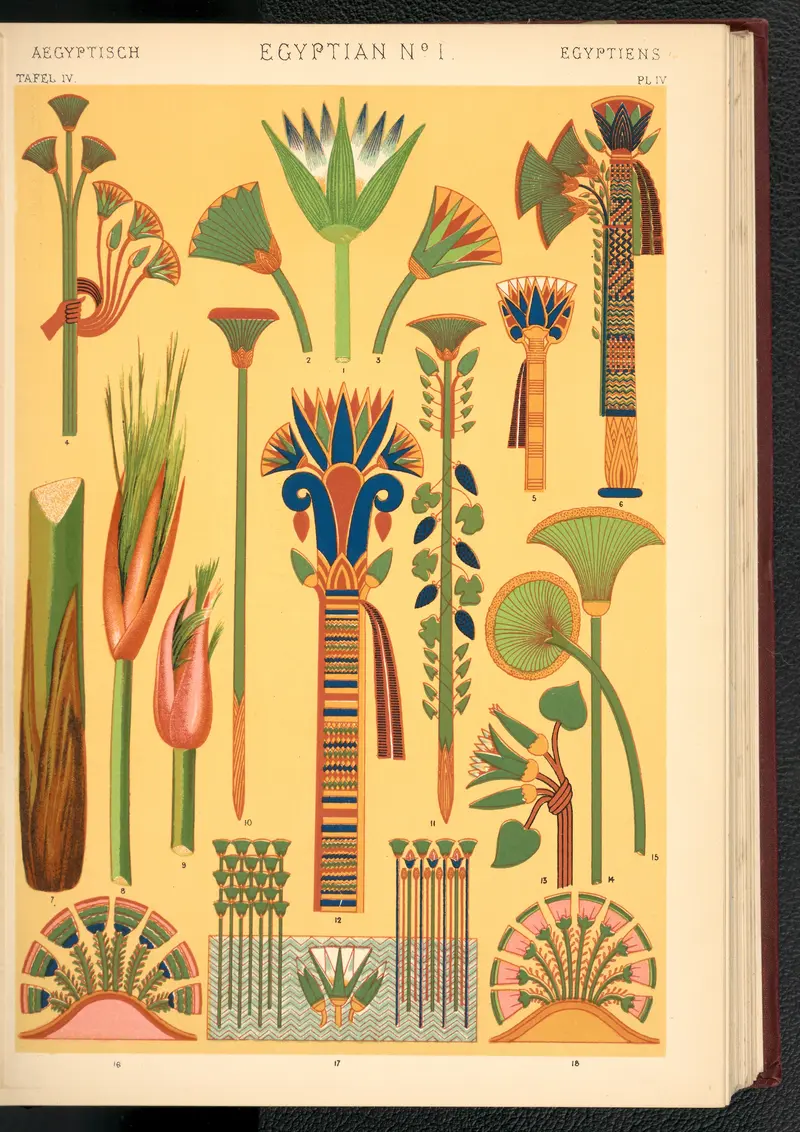
Egyptian Ornament No. 1
Owen Jones
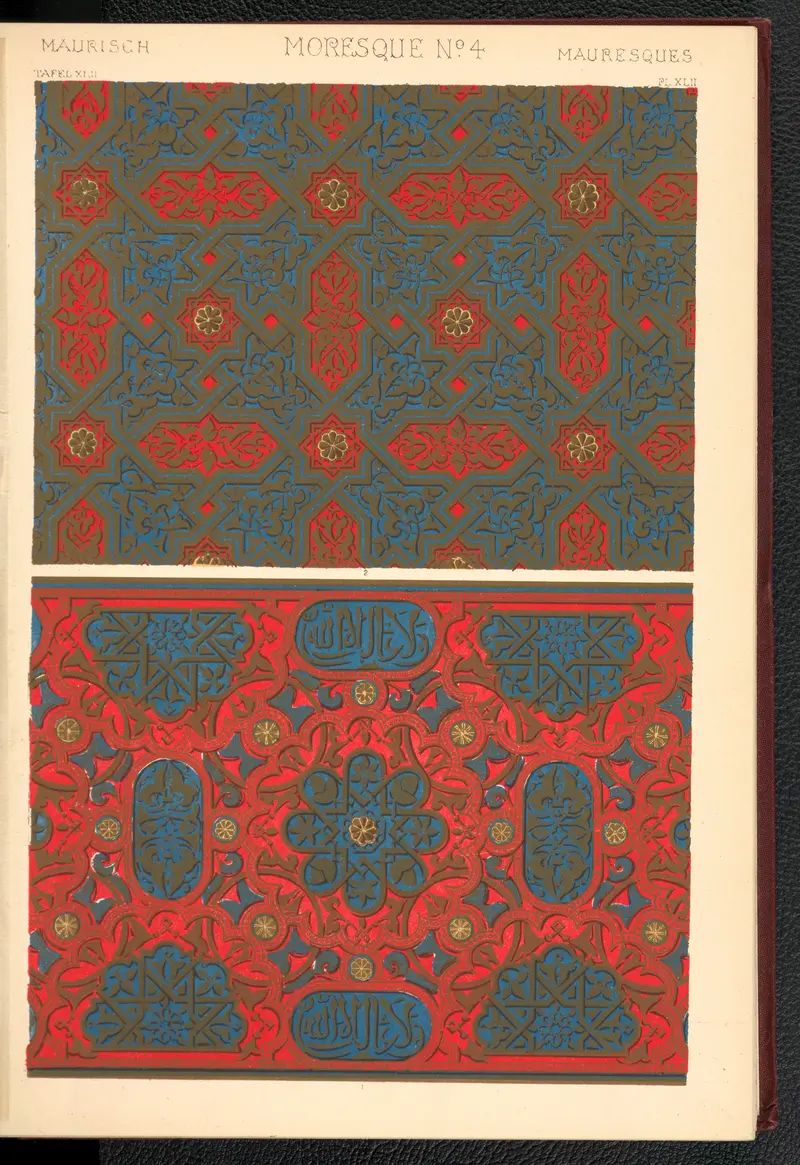
Moresque Ornament from the Alhambra No. 4
Owen Jones