Egyptian Ornament No. 6 — History & Facts
What first seizes the eye in Egyptian Ornament No. 6 by Owen Jones is the sheer rhythm of repetition—twenty-four squares, each a world of pattern, each a study in how geometry and color can pulse with energy. The page is a parade of zigzags, grids, and labyrinthine lines, all rendered in the sun-baked palette of ochre, blue, red, and green.
Some patterns dazzle with their tight, almost hypnotic regularity, while others invite the gaze to wander through mazes and interlocking motifs. The effect is both orderly and exuberant: a visual grammar that hints at the ancient walls and textiles from which these motifs were drawn. The careful chromolithography allows each hue to stand distinct, yet the harmony across the page is unmistakable—a testament to Jones’s belief in the universal language of ornament. This plate belongs to a world where ornament was not mere decoration, but a key to understanding civilizations.
In the mid-19th century, as archaeology revealed the painted splendors of Egypt, designers like Owen Jones sought to catalogue and revive these motifs for a new industrial age. His The Grammar of Ornament, published in London and here seen in a 1910 edition from the Polona Digital Library, became a touchstone for architects and artists hungry for both inspiration and system. The chromolithograph process, then at its height, allowed for the faithful reproduction of color and line, making such works prized teaching tools and objects of beauty in their own right.
History has kept few traces of the individual artisans who first painted these patterns millennia ago, but their legacy endures—inviting viewers to lose themselves in the logic and play of ancient design.
More Artworks by Owen Jones

Greek Ornament No. 1
Owen Jones
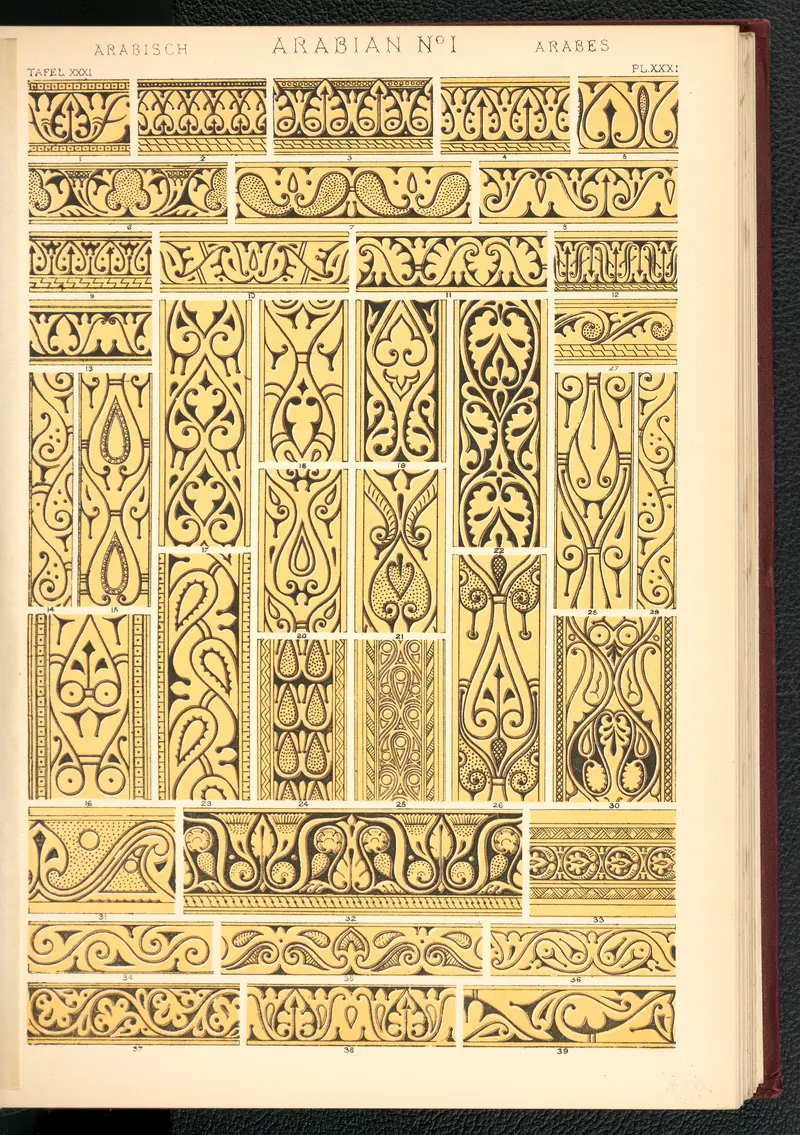
Arabian Ornament No. 1
Owen Jones
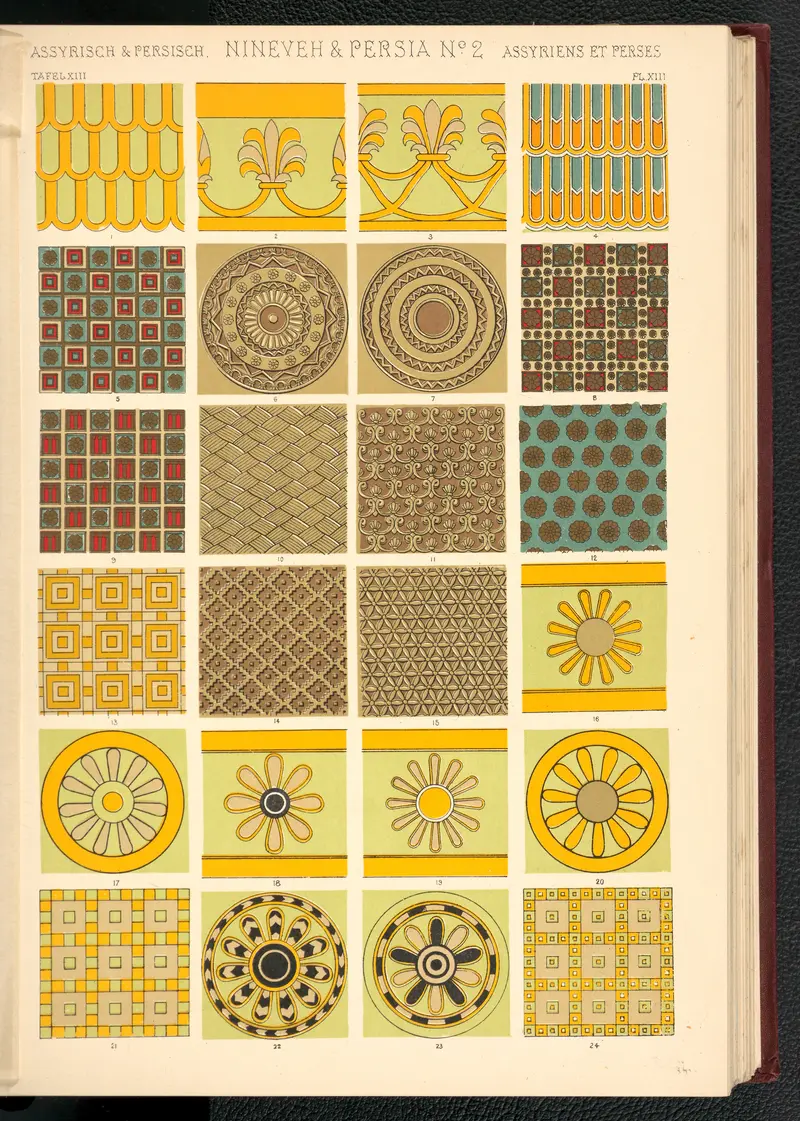
Assyrian Ornament No. 2
Owen Jones

Egyptian Ornament No. 3
Owen Jones
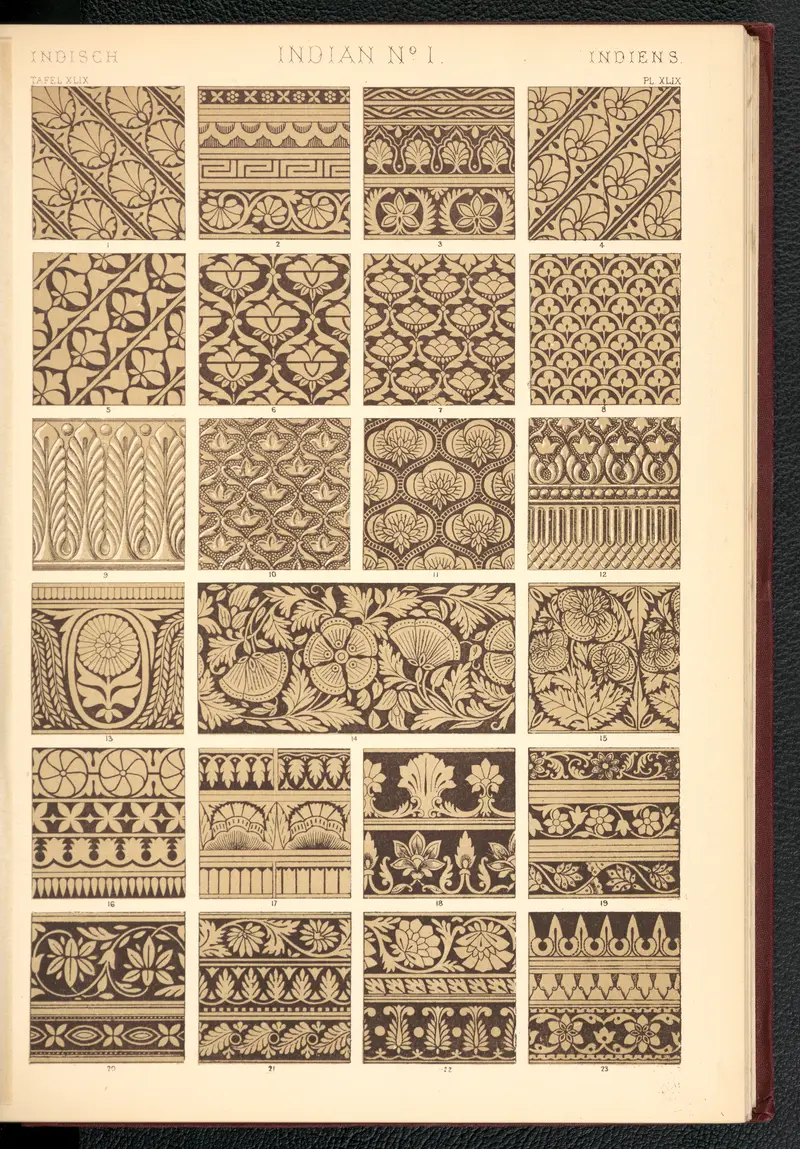
Indian Ornament No. 1
Owen Jones
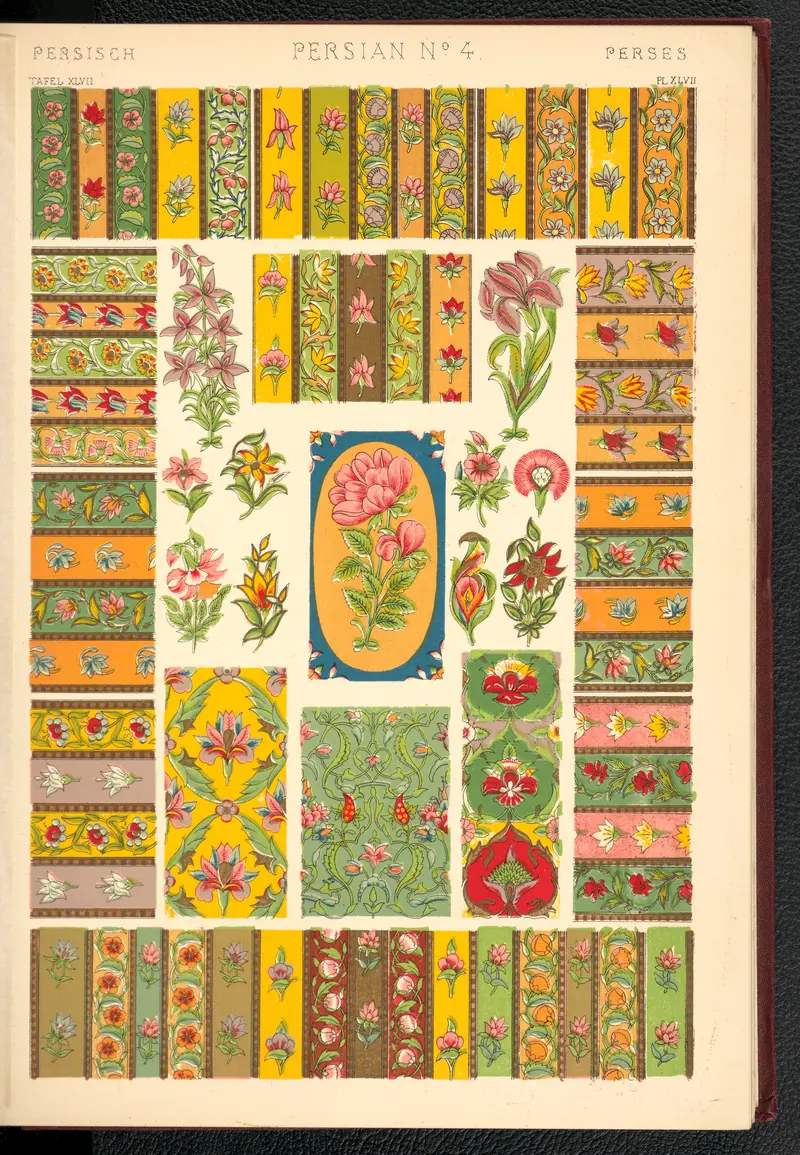
Persian Ornament No. 4
Owen Jones
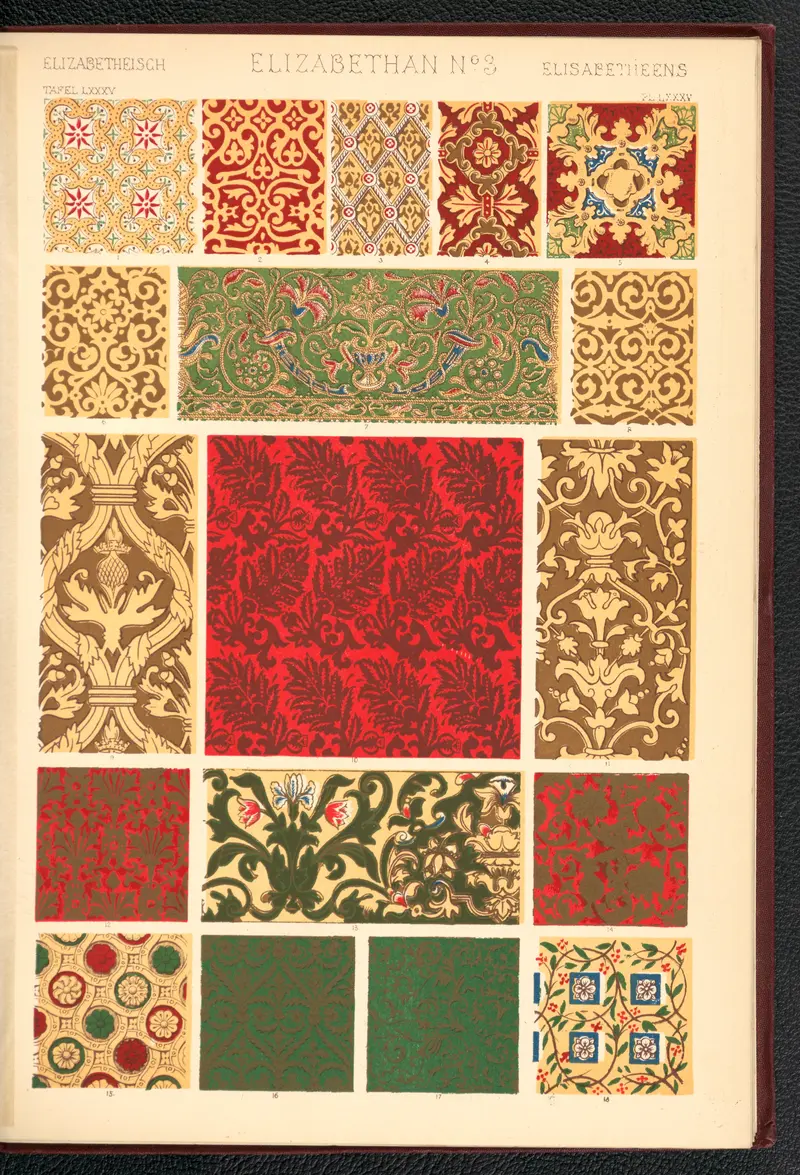
Elizabethan Ornament No. 3
Owen Jones
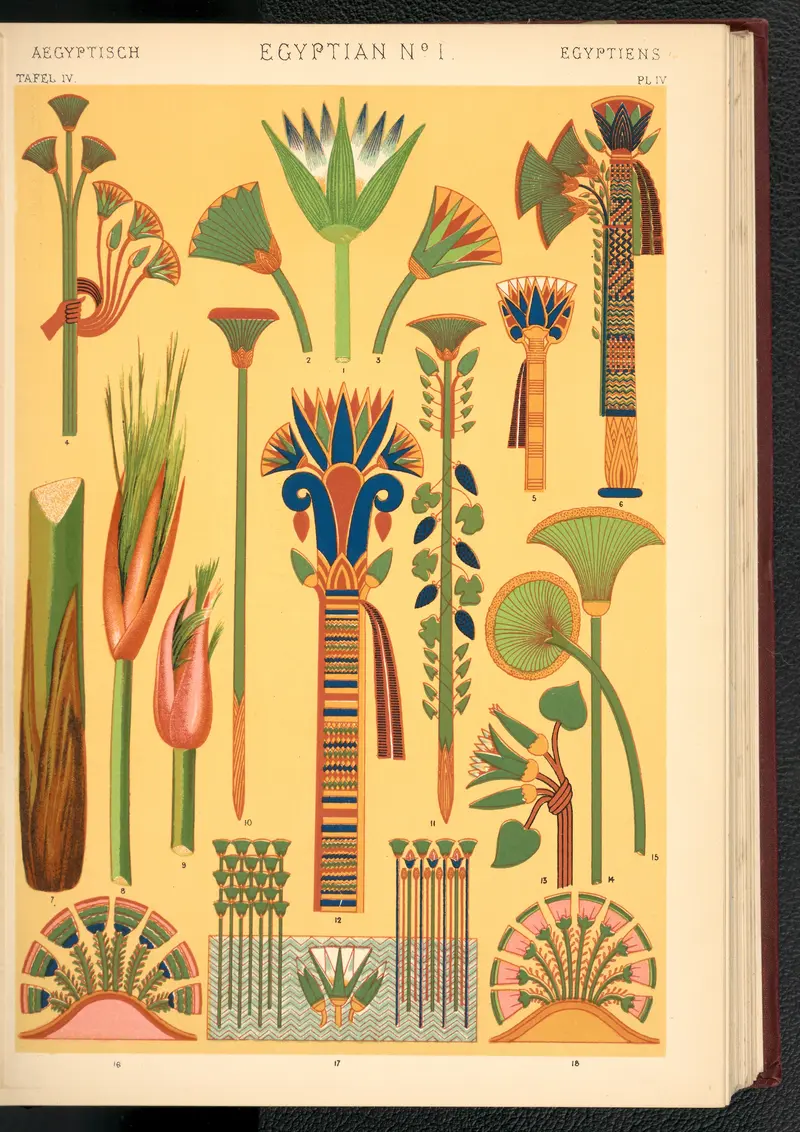
Egyptian Ornament No. 1
Owen Jones
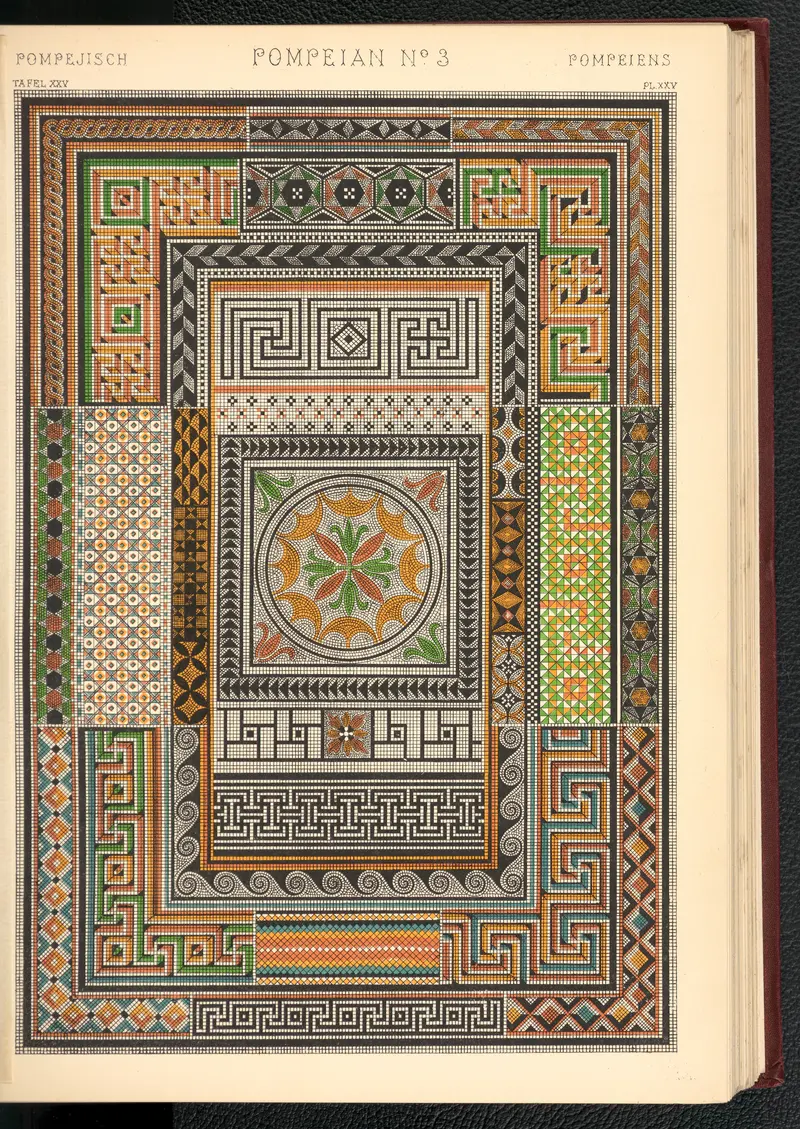
Pompeian Ornament No. 3
Owen Jones
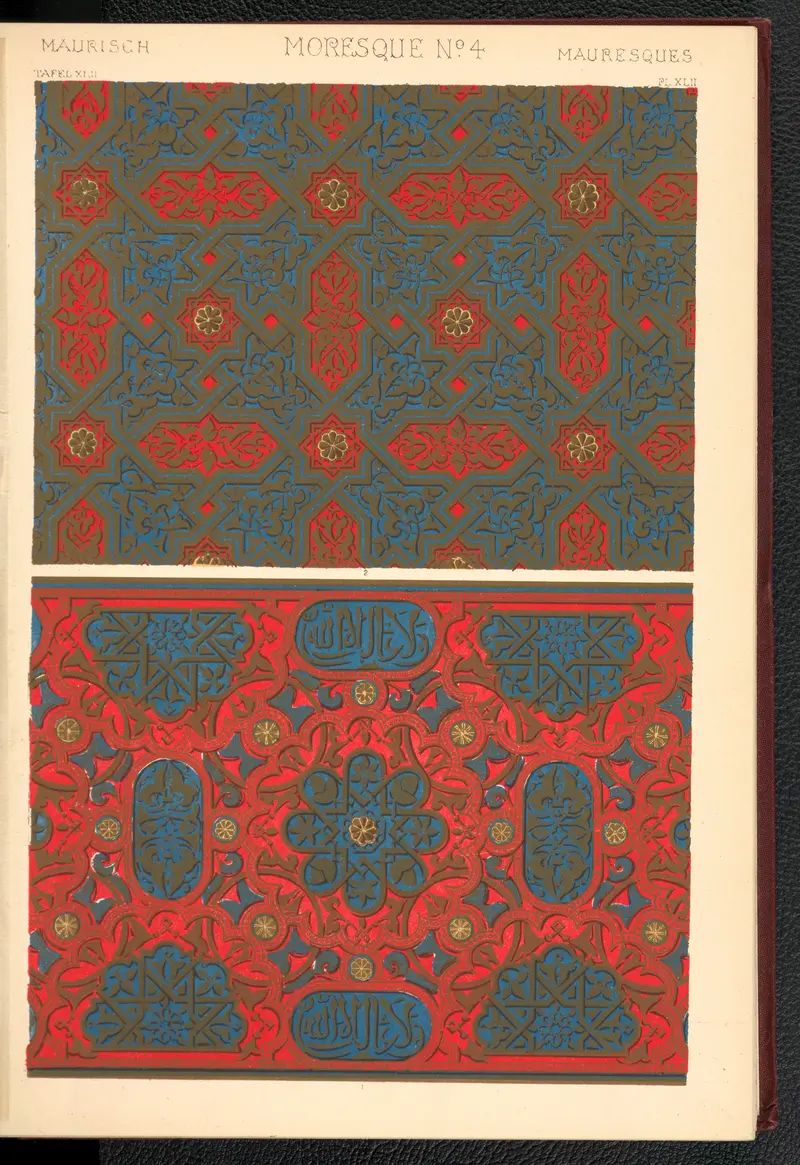
Moresque Ornament from the Alhambra No. 4
Owen Jones