
Arbre sur des rochers contre un soleil couchant — History & Facts
A single tree stands at the center of a storm of brushwork, its twisting limbs caught in a wild dance against the last light of day. The eye is drawn first to the thick, almost sculptural paint, where ochres, umbers, and flashes of yellow seem to pulse with the heat of a setting sun. Every stroke is a decision: the dark, web-like branches anchor the composition, while the ground beneath is a riot of earthy reds and greens, hinting at rocks and tangled undergrowth.
There is no clear horizon, no distant view—just the immediacy of nature pressed close, as if the viewer has stumbled into the scene at the very moment dusk begins to swallow detail and color. Painted between 1880 and 1882, Arbre sur des rochers contre un soleil couchant belongs to a world in flux, when artists like Adolphe Joseph Thomas Monticelli were pushing the boundaries of landscape painting. In these years, the French art scene was alive with experiment: Impressionists chased fleeting light, while Monticelli, with his thick impasto and feverish energy, seemed to paint the very sensation of seeing. Works like this were rarely grand commissions; instead, they were often made for a growing middle class hungry for images that captured the drama of nature and the artist’s hand.
Today, the painting lives in the collection of Museum Boijmans Van Beuningen, a testament to a moment when the landscape became not just a view, but an experience you could almost touch—if only you look closely enough.
More Artworks by Adolphe Monticelli

Portrait of a Lady
Adolphe Monticelli
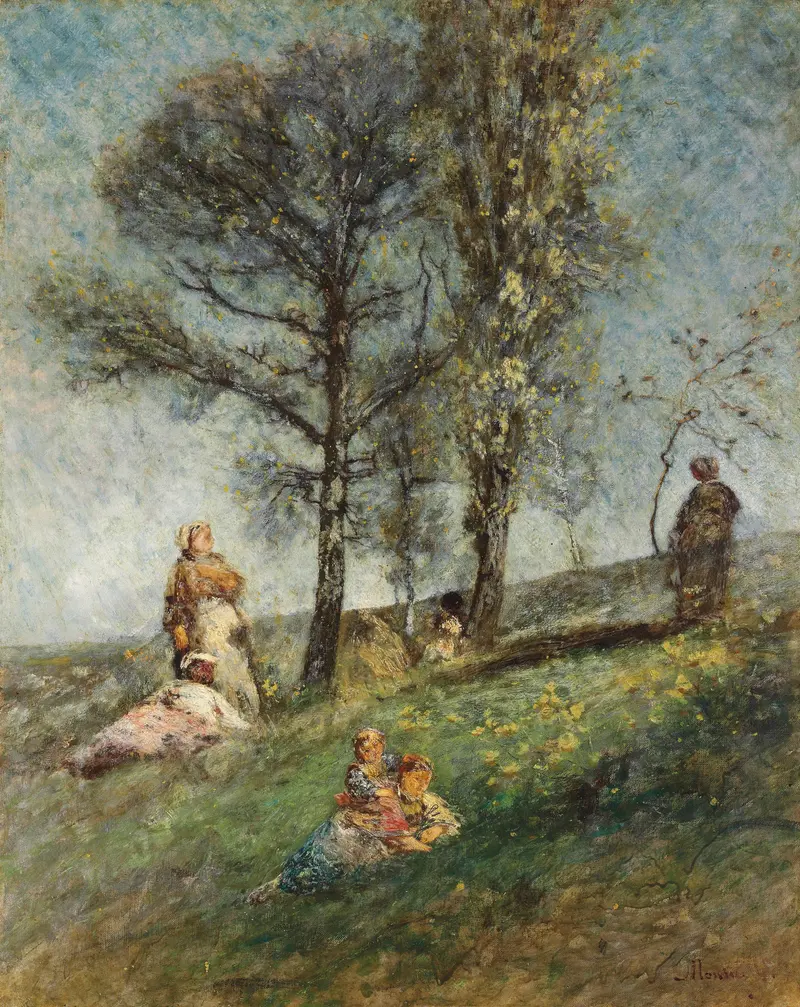
A Young Family Under Trees On A Hill
Adolphe Monticelli

Fête d'Après-Midi
Adolphe Monticelli
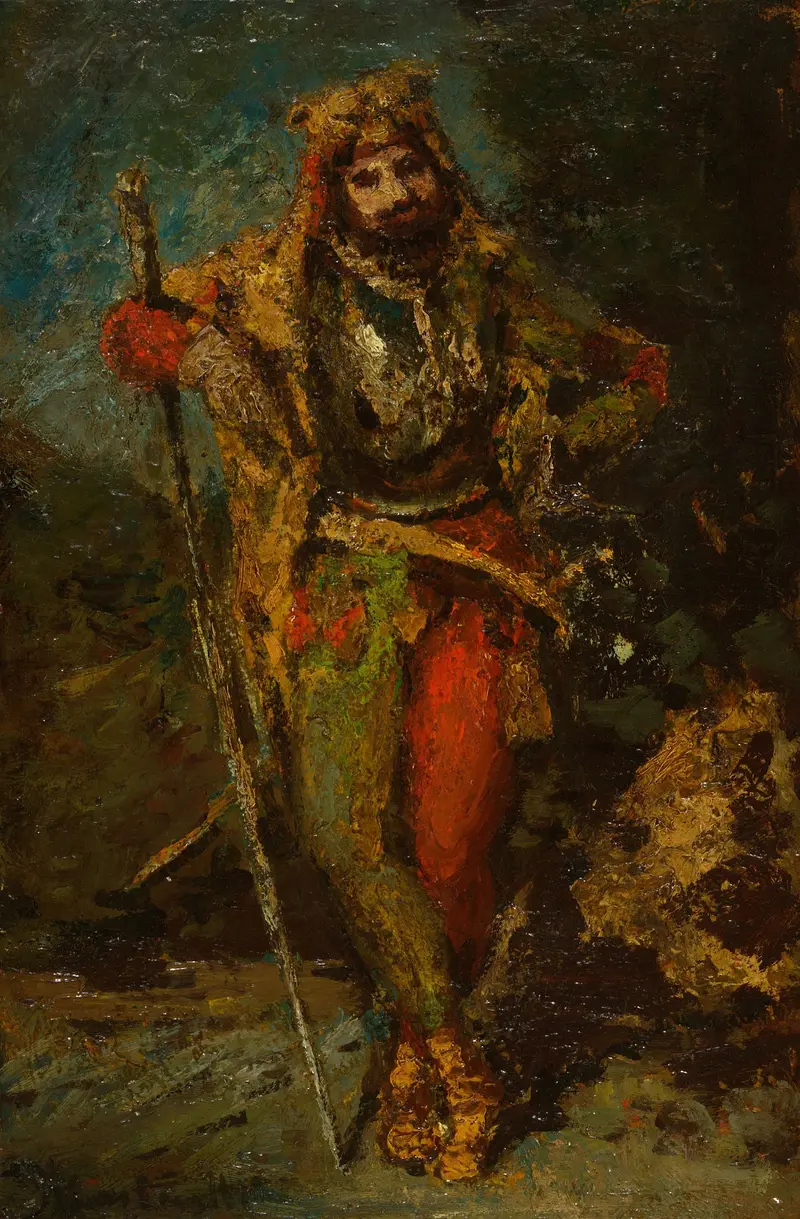
Mephisto from the Opera Faust
Adolphe Monticelli
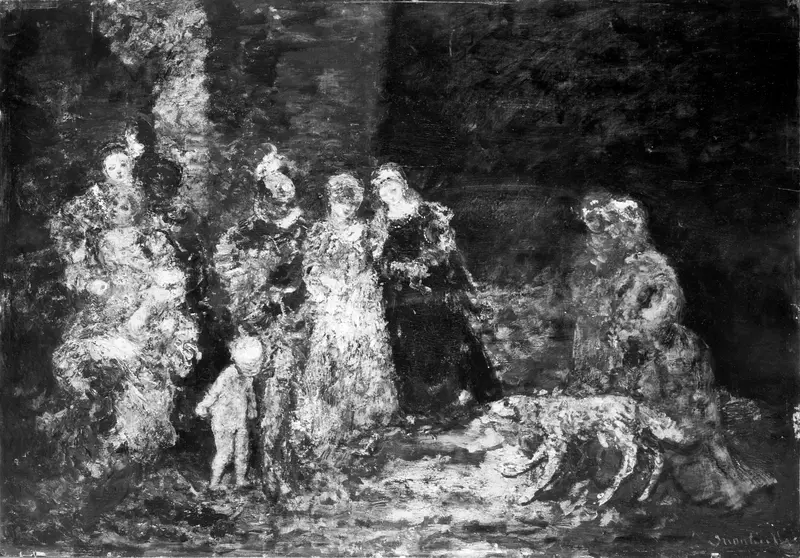
The Fairies
Adolphe Monticelli
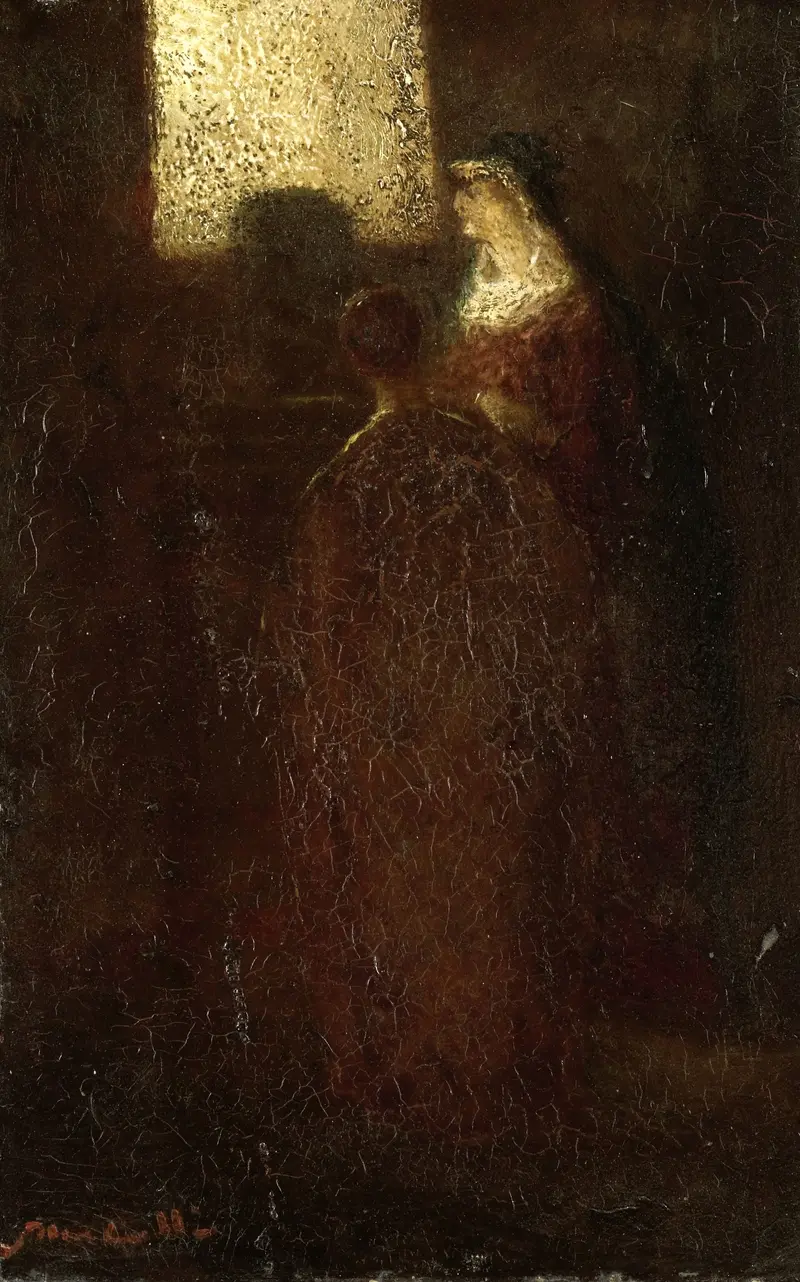
Aan het altaar
Adolphe Monticelli
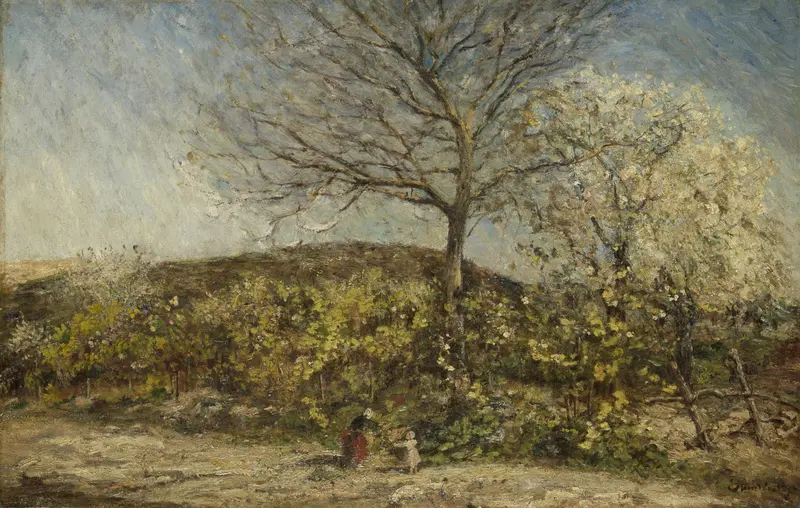
Landschap met bloeiende boomgaard
Adolphe Monticelli
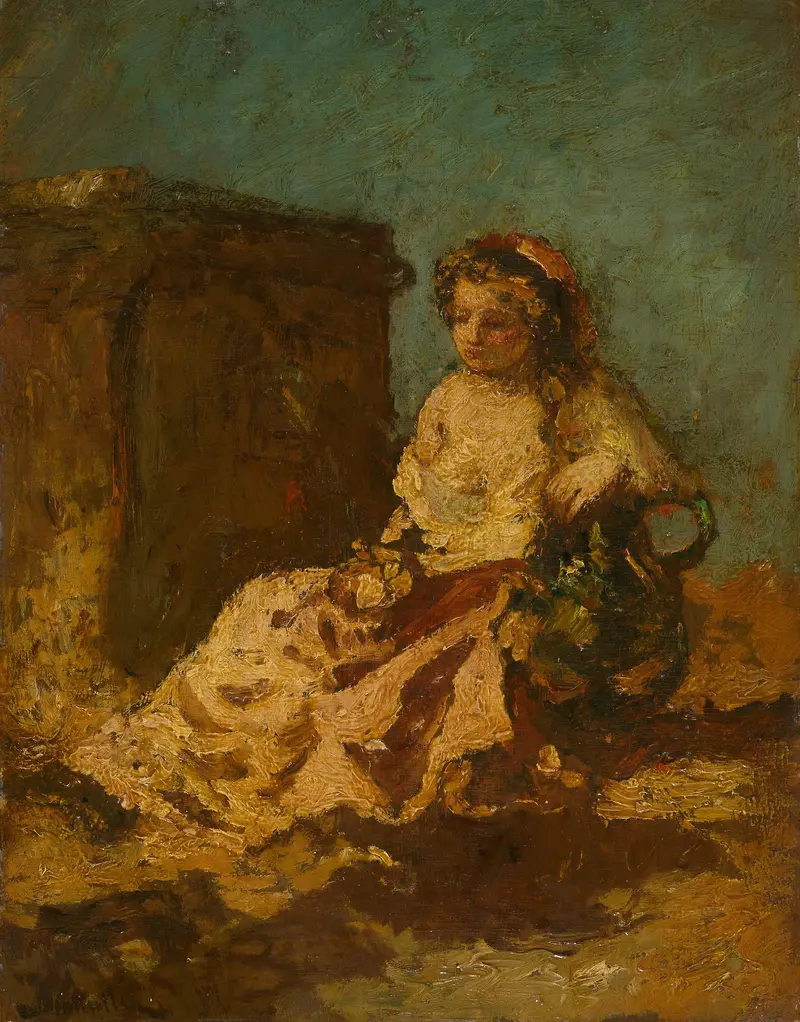
Meditation (Seated Woman)
Adolphe Monticelli
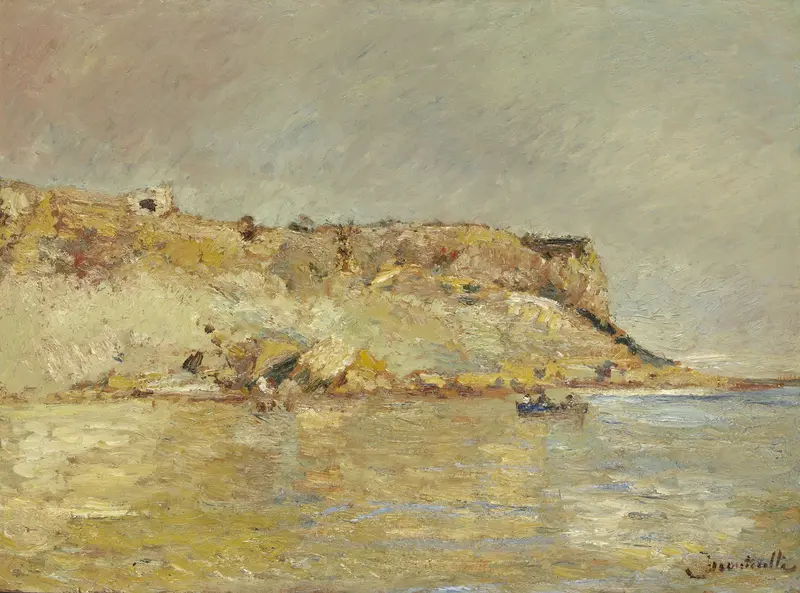
Coastal Mountains
Adolphe Monticelli
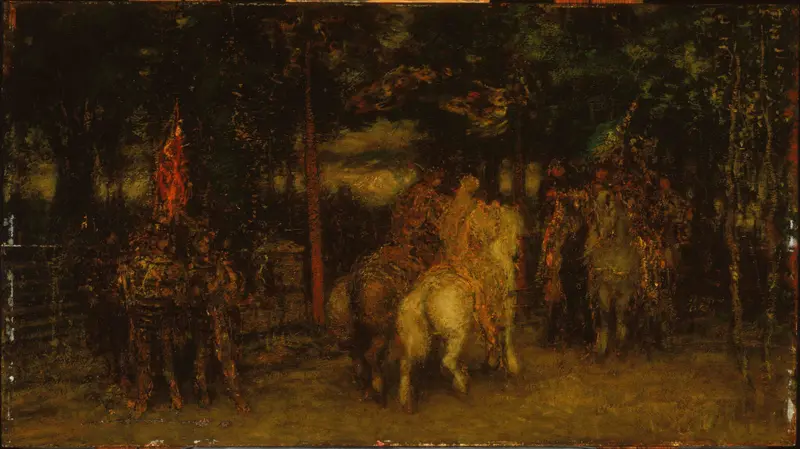
Landscape with Figures
Adolphe Monticelli
More Landscape Art

The Starry Night
Vincent van Gogh

View of Delft
Johannes Vermeer

Water Lilies
Claude Monet

The Grand Canal, Venice, looking north-west from the Ca' Corner to the Ca' Contarini degli Scrigni, with the campanile of Santa Maria della Carità
Canaletto

Windsor Castle
Canaletto

The Grand Canal looking North-East from the Palazzo Dolfin-Manin to the Rialto Bridge
Canaletto