
Arnulf, Dirk III, Dirk IV en Floris I — History & Facts
In Arnulf, Dirk III, Dirk IV en Floris I, colors speak volumes, hinting at stories untold and lives intertwined. Each hue breathes life into the figures, wrapping their narratives in both warmth and mystery, as if inviting the viewer to step closer and discover the layers beneath the surface. Focus on the central figures: their solemn expressions and the rich fabrics draped around them. Notice how the deep reds and greens contrast against the muted background, drawing your gaze to the intricate details of their attire.
The careful application of gold leaf highlights their status, while the soft light enhances the depth of their features, creating a sense of intimacy and gravity. Every brushstroke reveals a masterful technique that holds the viewer’s attention, as you trace the contours of each face and the delicacy of their hands. Yet the painting also reveals contrasts that resonate beyond the canvas. The unity of the figures suggests a shared legacy, bound by familial ties and responsibilities, while the individual expressions hint at personal burdens.
This interplay between solidarity and solitude encapsulates the emotional weight of aristocratic life in 16th-century Holland, where each figure appears both proud and pensive, caught in the tension of heritage and expectation. In 1518, while working in Amsterdam, the artist navigated the complex world of the Northern Renaissance, a time rife with innovation in both art and thought. This period saw an increased interest in portraiture, and van Oostsanen was at the forefront, employing meticulous detail and vibrant color to capture the essence of his subjects. His work reflects not only personal mastery but also the shifting dynamics of identity and representation in a bustling society on the brink of modernity.
More Artworks by Jacob Cornelisz van Oostsanen
Browse all →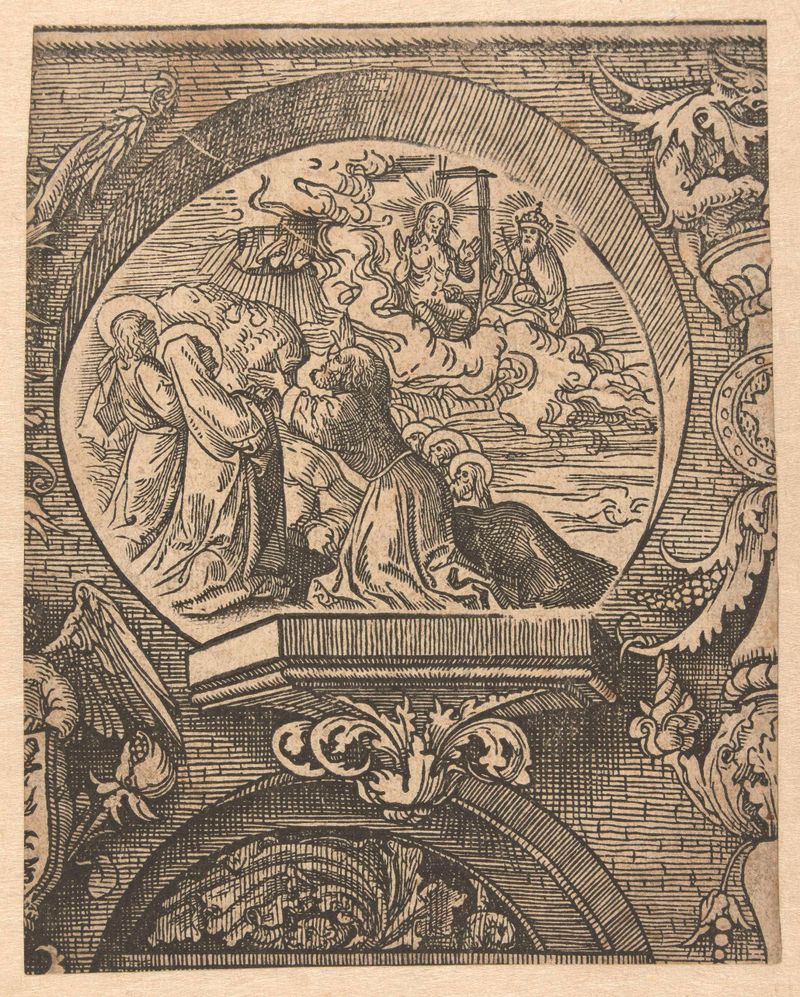
De hemelvaart en Christus voor God de Vader
Jacob Cornelisz van Oostsanen
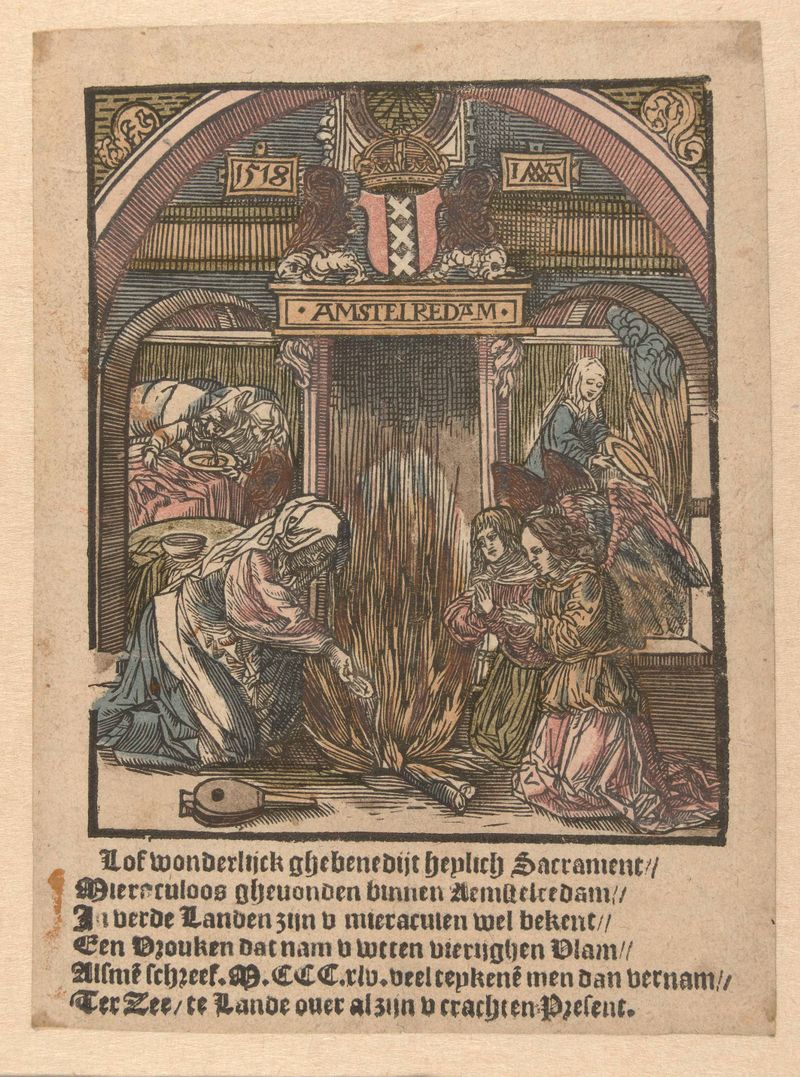
Het hostiewonder van Amsterdam
Jacob Cornelisz van Oostsanen
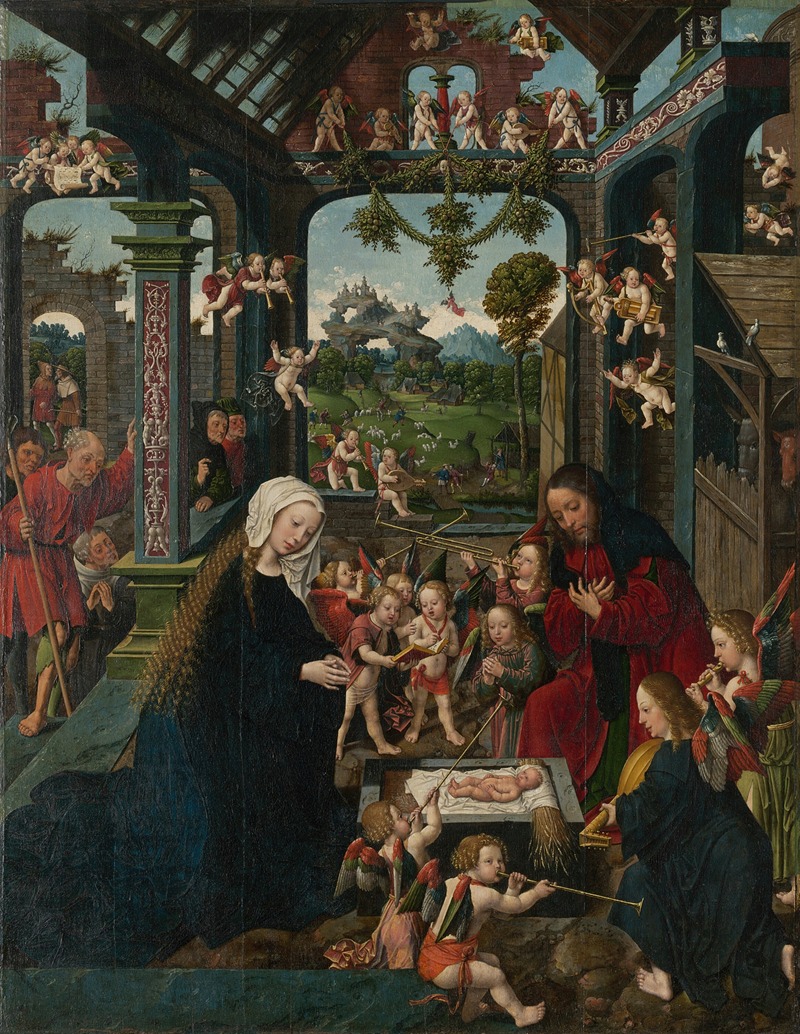
The Adoration of the Christ Child
Jacob Cornelisz van Oostsanen
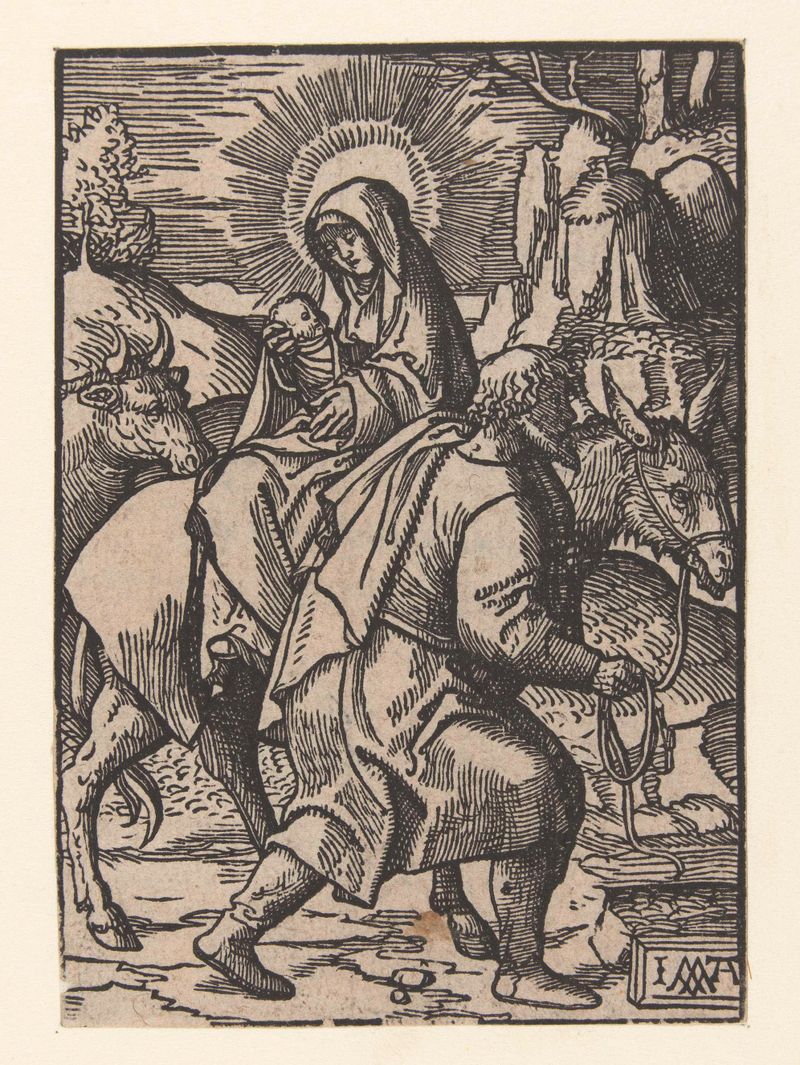
Vlucht naar Egypte
Jacob Cornelisz van Oostsanen
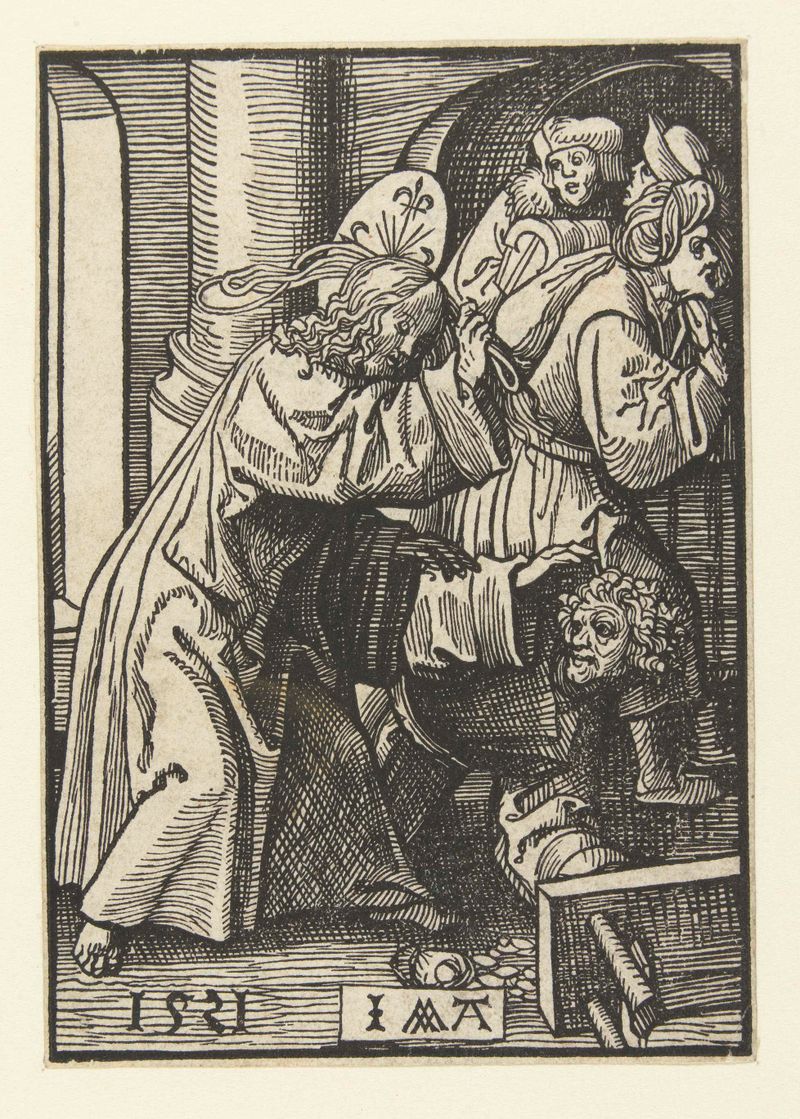
Verdrijving van de handelaren uit de tempel
Jacob Cornelisz van Oostsanen
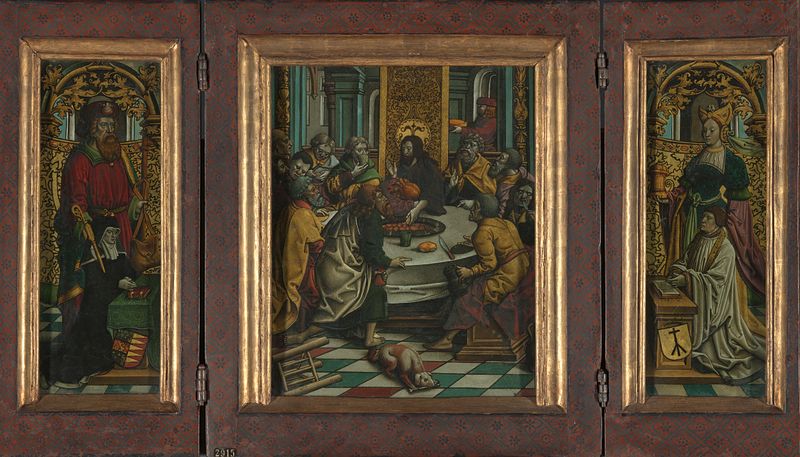
Triptych with the Last Supper and Donors
Jacob Cornelisz van Oostsanen
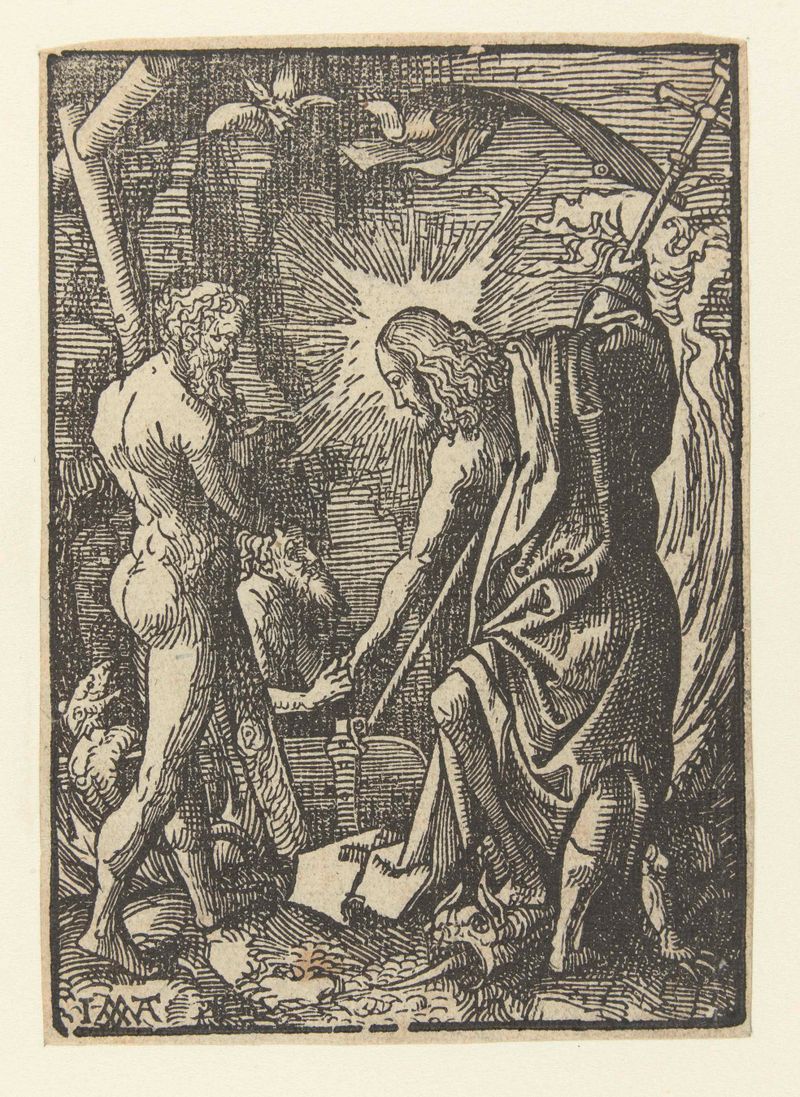
Christus in het voorgeborchte
Jacob Cornelisz van Oostsanen
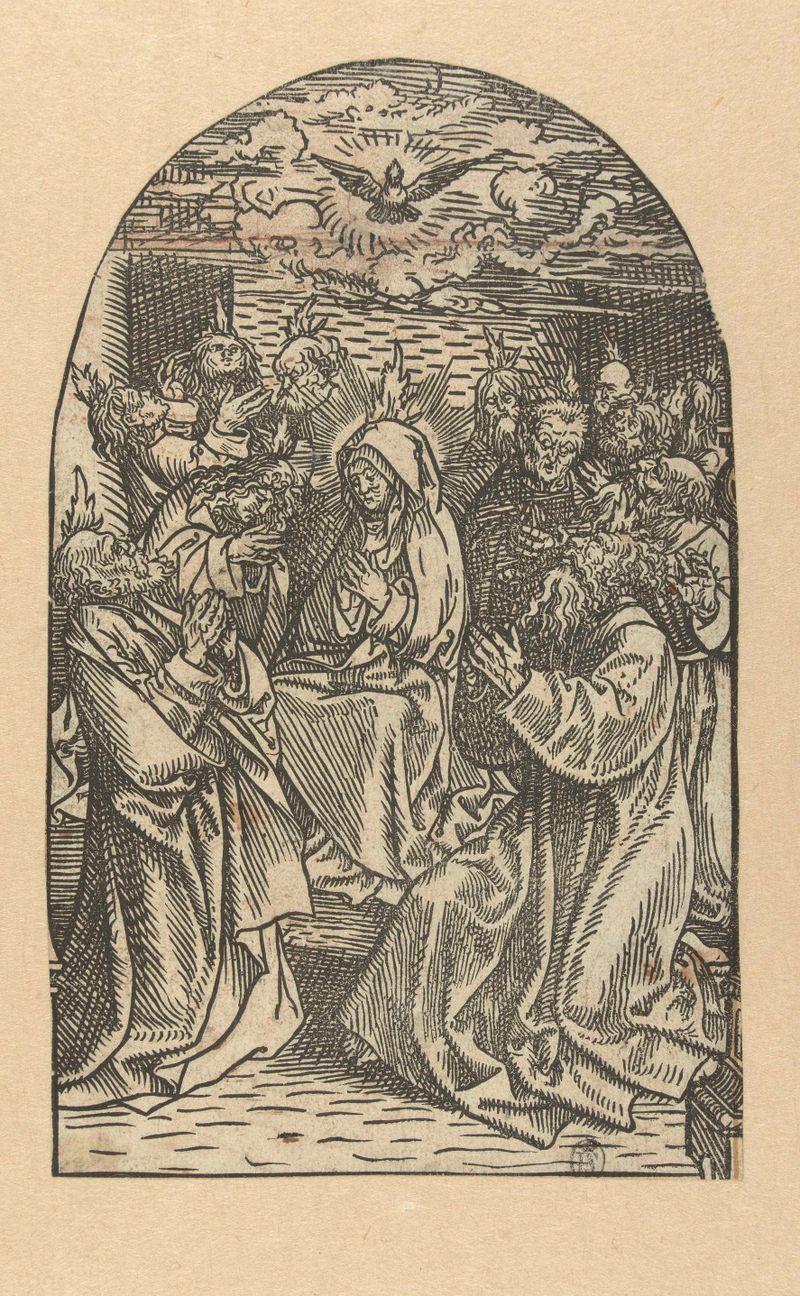
Uitstorting van de Heilige Geest
Jacob Cornelisz van Oostsanen
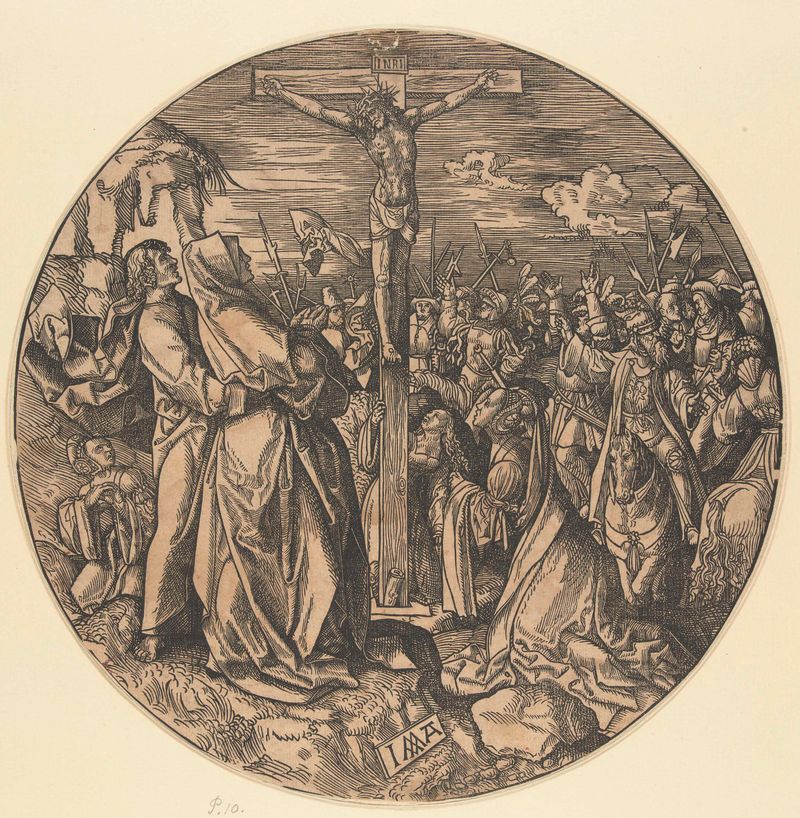
Christus aan het kruis
Jacob Cornelisz van Oostsanen

De kruisiging en de graflegging van Christus
Jacob Cornelisz van Oostsanen
More Historical Art
Browse all →
The Night Watch Militia Company of District II under the Command of Captain Frans Banninck Cocq
Rembrandt van Rijn

Lincoln Memorial
Henry Bacon

The Third of May 1808
Francisco de Goya

Isaac and Rebecca, Known as ‘The Jewish Bride’
Rembrandt van Rijn

The Charge of the Mamelukes (1814)
Francisco de Goya

De vier ruiters van de apocalyps
Albrecht Dürer