
Arques-la-Bataille — History & Facts
Could beauty survive in a century of chaos? In Arques-la-Bataille, the delicate interplay of light and color suggests an ecstatic celebration of nature that defies the tumultuous world surrounding it. Look to the center where soft, verdant hills roll gently beneath an ethereal sky, dappled with clouds that whisper of sunlight filtering through. The palette is composed of muted greens and blues, creating a serene backdrop that invites the viewer to breathe deeply and lose themselves in the tranquil landscape. The brushstrokes, loose yet deliberate, seem to dance across the canvas, capturing the essence of a fleeting moment in time. Amidst the beauty, there lies a subtle tension.
The contrast between the vibrant flora and the shadowy undertones hints at the fragile balance of life. The quiet water reflects the sky's soft blues, yet the ripples remind us that tranquility is always at the mercy of disruption. Each element in the composition speaks to the interconnectedness of joy and sorrow, revealing the deeper emotional landscape Twachtman sought to portray. In 1884, Twachtman was deeply immersed in the Impressionist movement, drawn to the interplay of light and atmosphere.
Living in a rapidly changing world, he found solace in capturing nature's ephemeral beauty. During this period, he embraced plein air painting, seeking to convey the richness of his environment while simultaneously grappling with the chaos that surrounded the artistic community.
More Artworks by John Henry Twachtman
Browse all →
Hemlock Pool
John Henry Twachtman

Waterfall
John Henry Twachtman
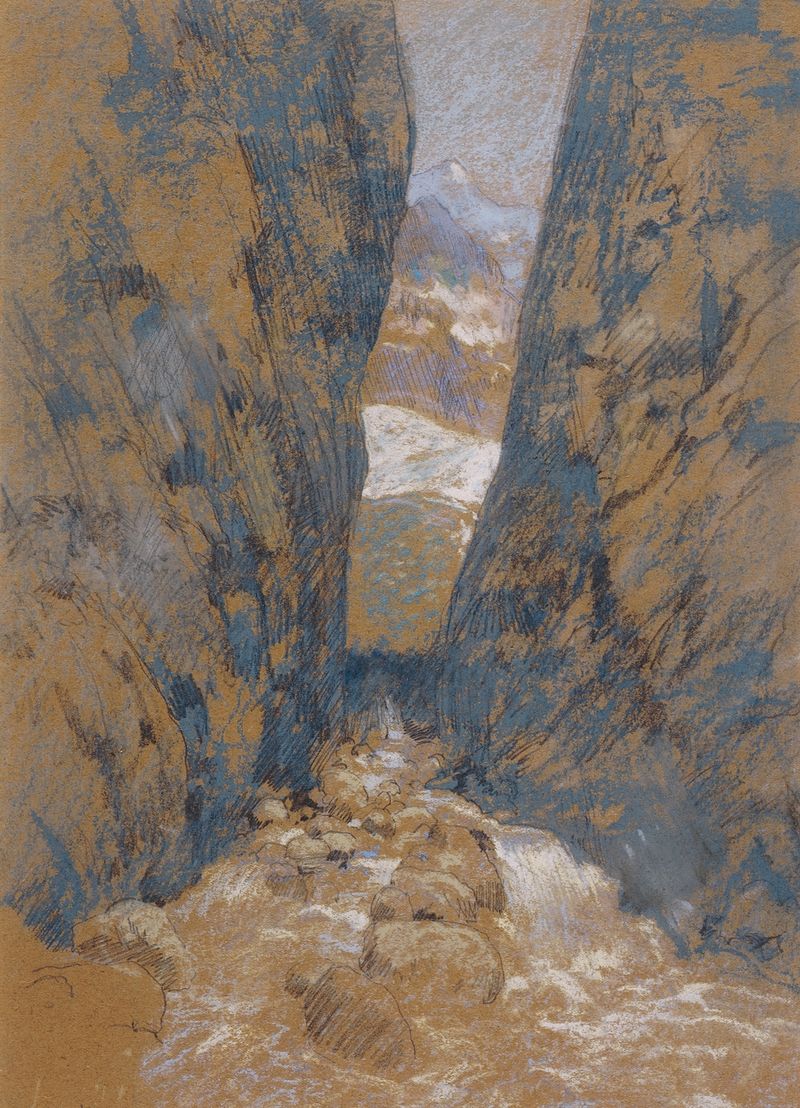
A Mountain Gorge
John Henry Twachtman

The White Bridge
John Henry Twachtman

Snow
John Henry Twachtman

Icebound
John Henry Twachtman
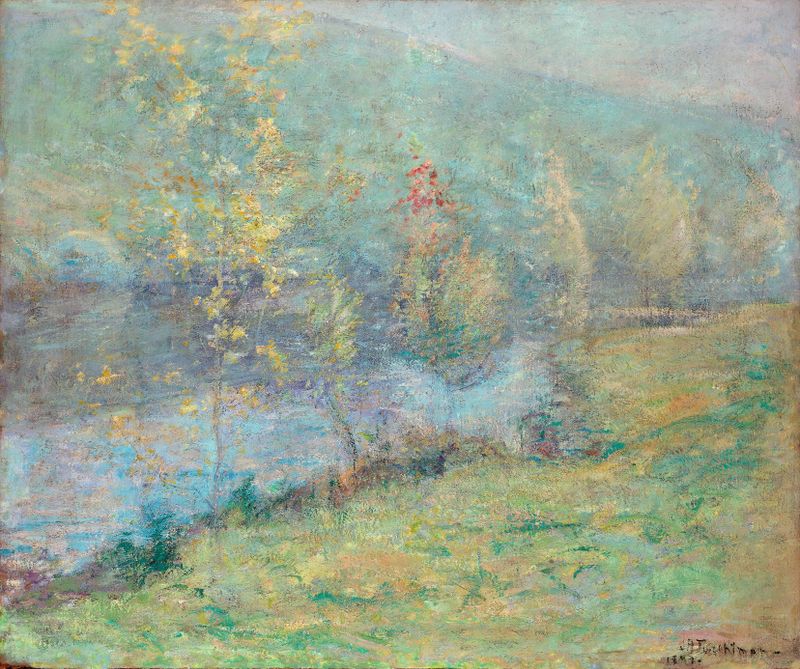
Misty May Morn
John Henry Twachtman
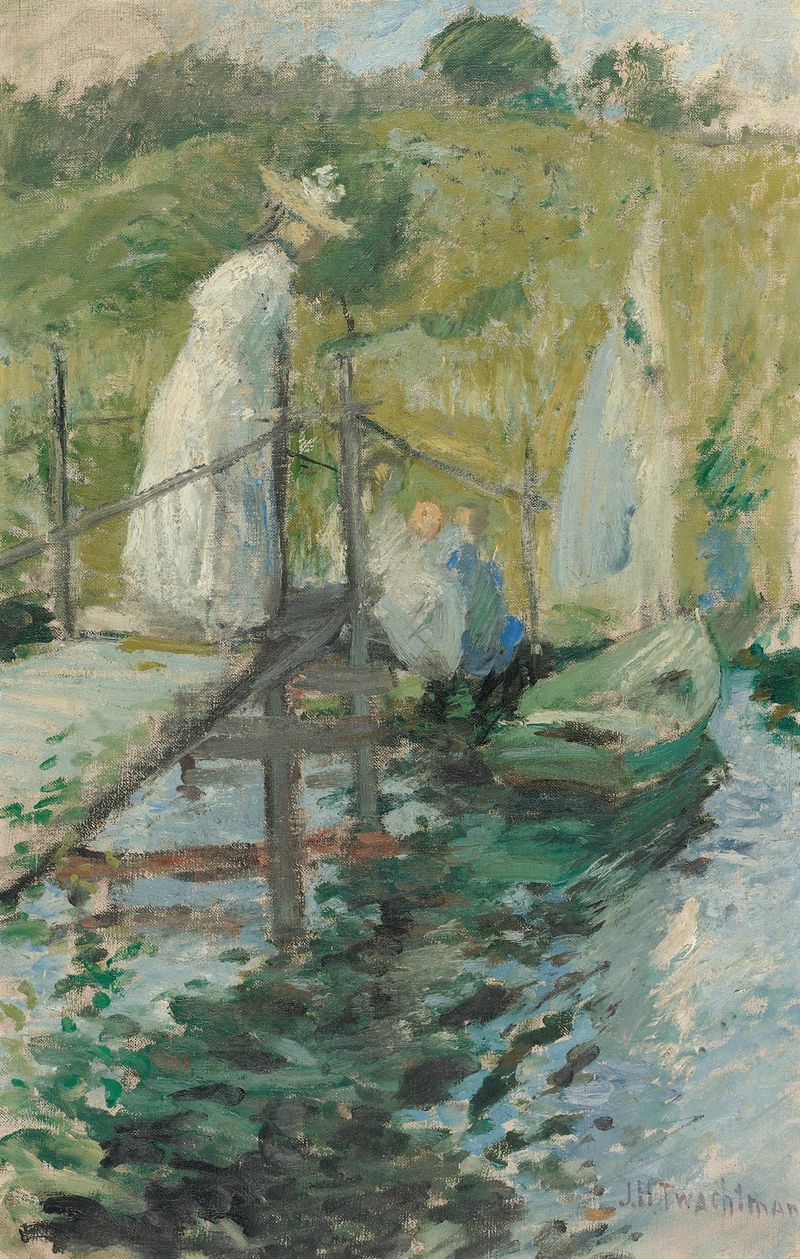
Summer Afternoon
John Henry Twachtman
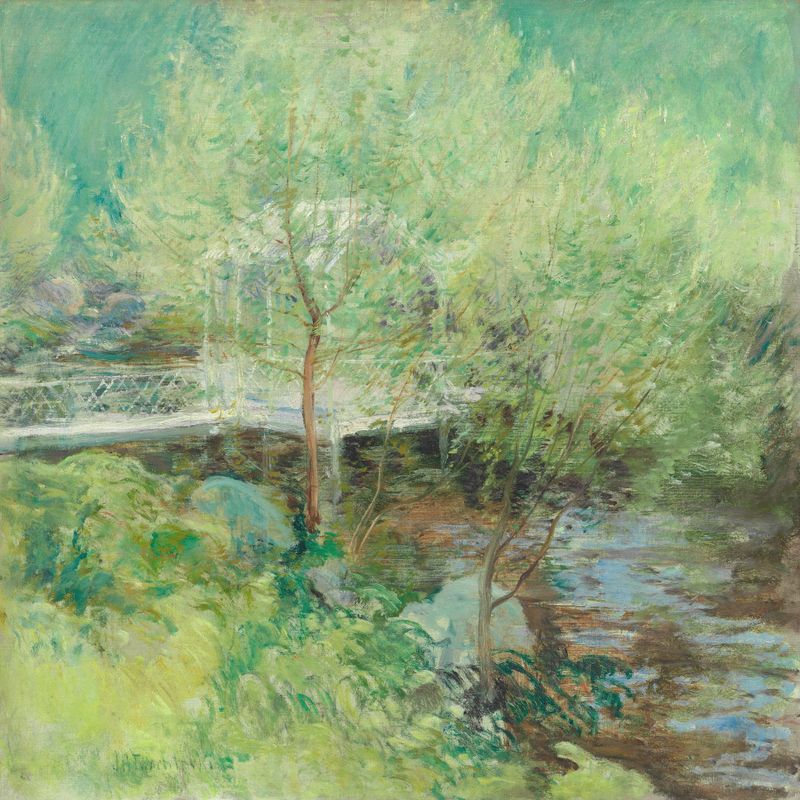
The White Bridge
John Henry Twachtman

Niagara Falls
John Henry Twachtman





