
Arranging Flowers — History & Facts
What draws the eye first in Arranging Flowers is the hush of a private moment, caught in the soft Mediterranean light. The young woman stands barefoot on pale stone, her arms full of fresh blooms, pausing in the act of placing them in a terracotta vase. Her delicate profile and the gentle fall of her white gown speak of a world unhurried, where beauty is a quiet ritual.
The creamy walls and lush green foliage frame her, guiding the gaze from her intent expression to the flowers she so carefully arranges. Waterhouse’s brush lingers on the contrast between the cool shadow of the alcove and the warmth of her skin, inviting us to imagine the scent of the blossoms and the faint sound of her movement. Painted circa 1890-1891, this work belongs to the late Victorian era, when artists like John William Waterhouse found inspiration in classical themes and the Pre-Raphaelite devotion to detail. Such scenes were often created for private homes, offering viewers an escape into an idealized past, far from the bustle of industrial Britain.
The painting’s recent appearance in a Virginia auction reminds us how far these quiet visions have traveled, cherished for their promise of tranquility. History has kept few traces of this particular canvas, but its gentle atmosphere and careful composition make it a window into a world where the simplest acts—like arranging flowers—are worthy of lasting attention.
More Artworks by John William Waterhouse
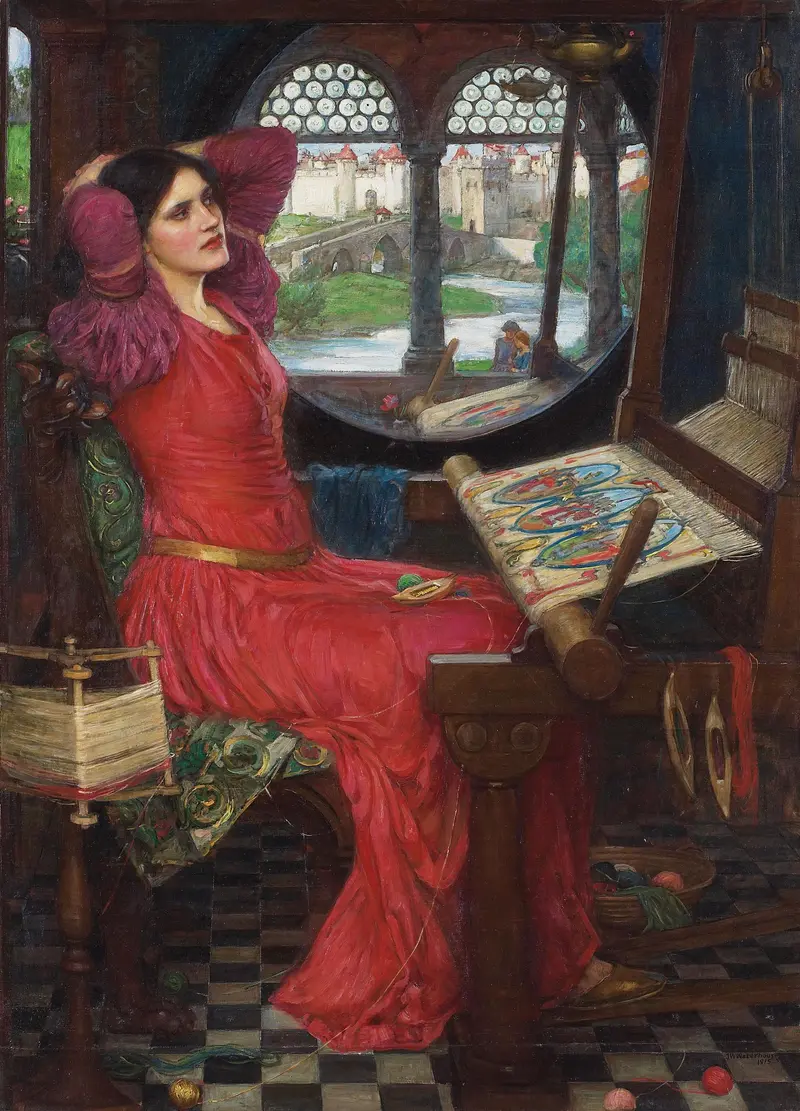
'I Am Half-Sick of Shadows,' Said the Lady of Shalott
John William Waterhouse

The Favourites of the Emperor Honorius, 1883
John William Waterhouse
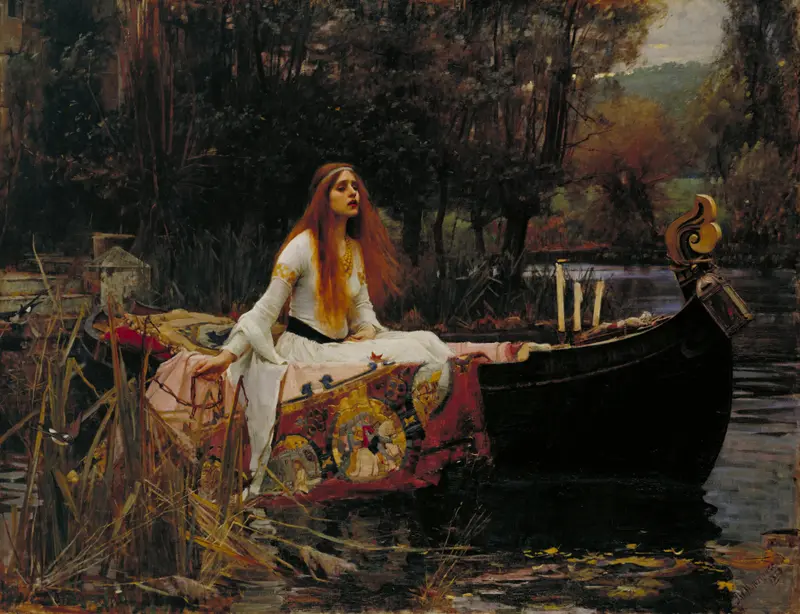
The Lady of Shalott
John William Waterhouse
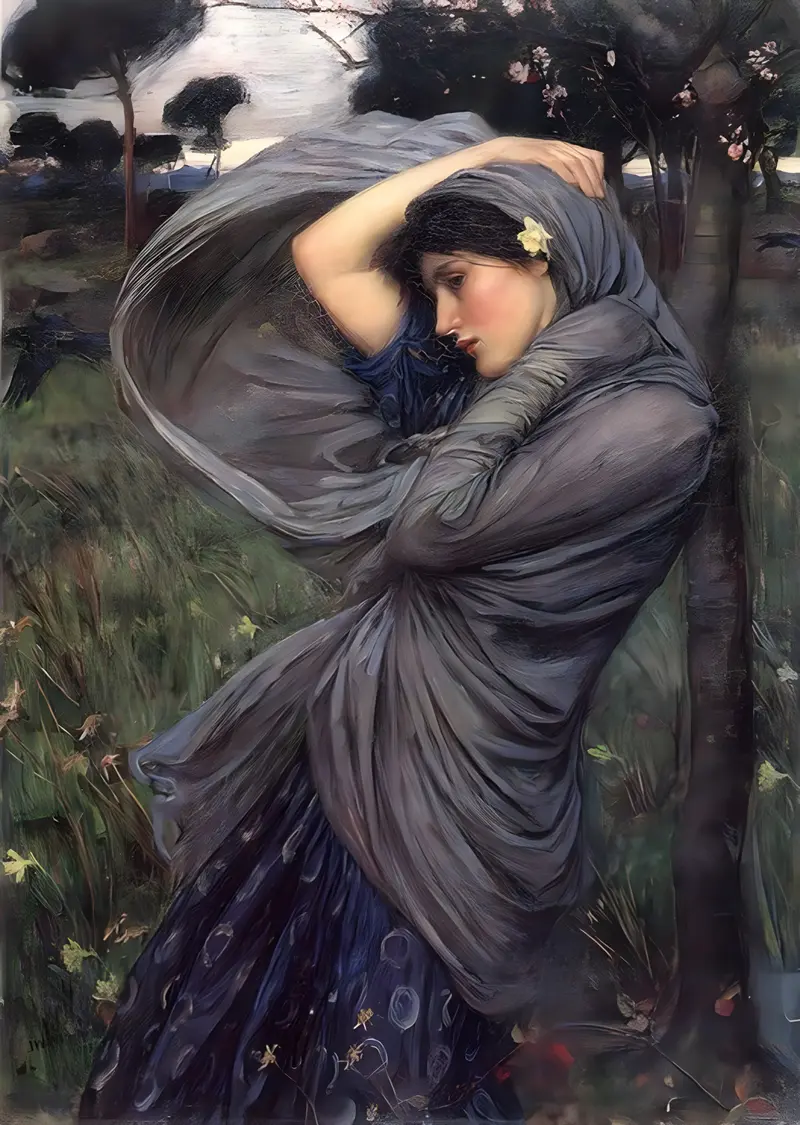
Boreas
John William Waterhouse
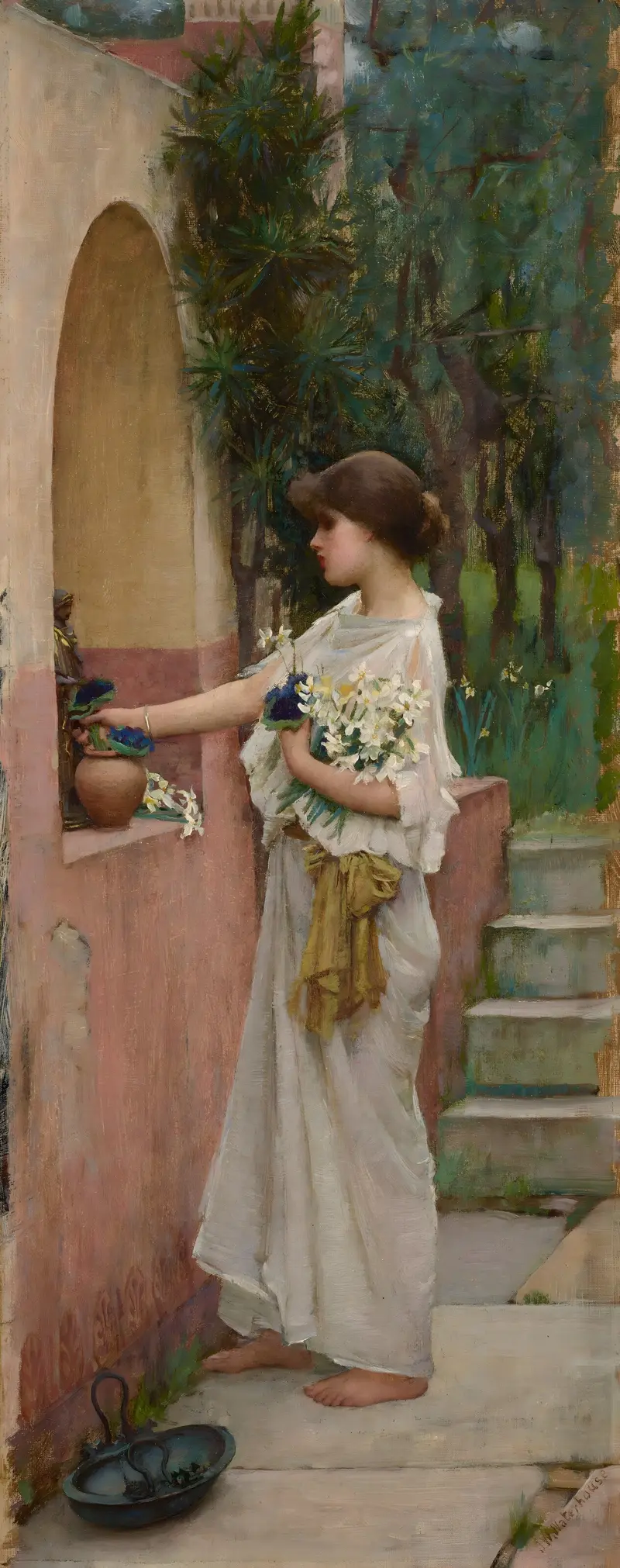
A Roman Offering
John William Waterhouse
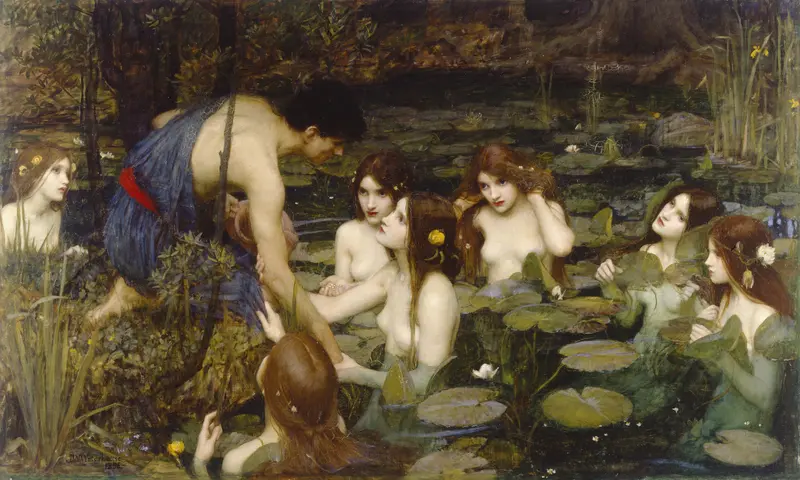
Hylas and the Nymphs
John William Waterhouse
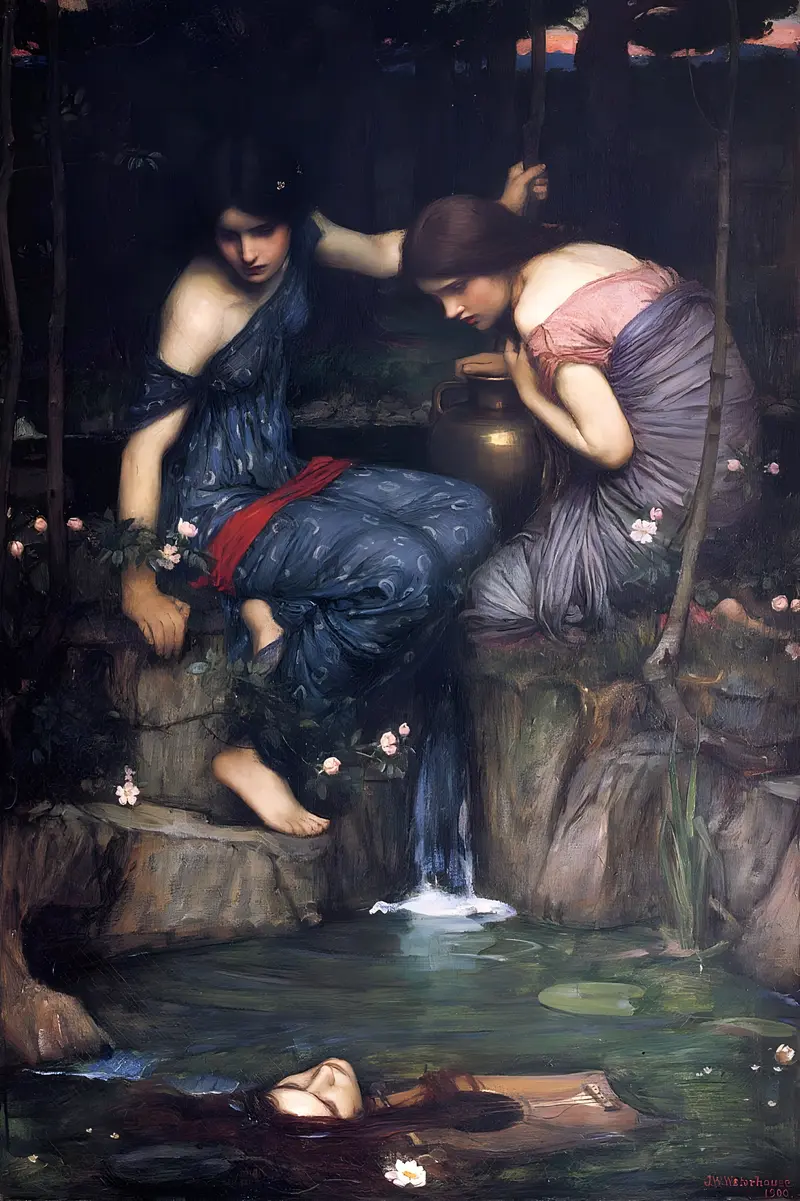
Nymphs Finding the Head of Orpheus
John William Waterhouse
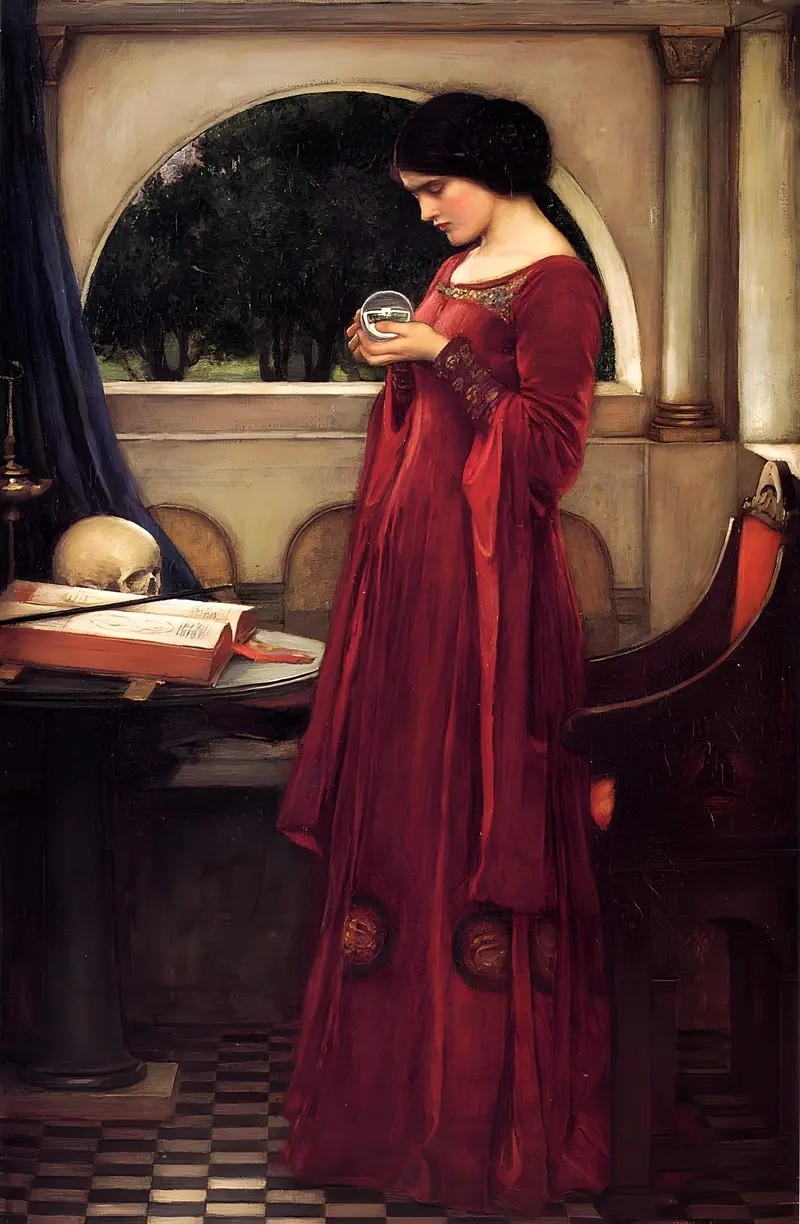
The Crystal Ball
John William Waterhouse
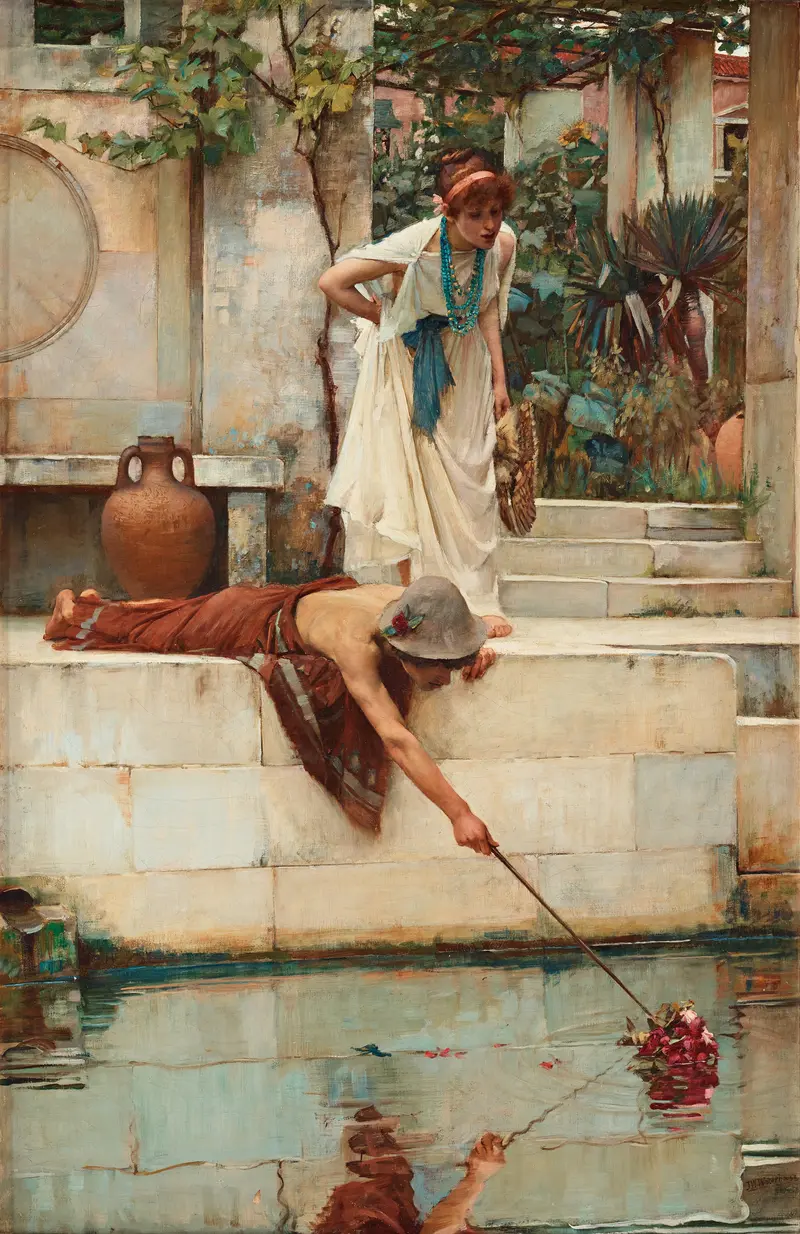
The Rescue
John William Waterhouse
The Siren, 1900
John William Waterhouse



