Assyrian Ornament No. 1 — History & Facts
The first thing to catch the eye in Assyrian Ornament No. 1 is the bold, rhythmic interplay of color and geometry—sunlit golds, cool turquoise, and deep reds, all arranged in patterns that seem to pulse with life. Each panel is a self-contained world of symmetry and stylized nature: palmettes, rosettes, and lotus buds unfurl in measured repetition, their forms both ancient and startlingly modern.
The chromolithograph technique heightens the crispness of every line, making each motif pop against its pale ground. These are not mere decorations—they are visual codes, designed to guide the gaze, to suggest order, abundance, and the grandeur of vanished palaces. The page invites the viewer to move from border to border, square to square, tracing the logic that binds these fragments into a single, harmonious page. This work belongs to a moment in the mid-nineteenth century when artists and designers across Europe looked to the distant past for inspiration, seeking universal principles in the ornament of ancient civilizations.
Published in London in 1910, this plate is part of a larger project to catalogue and revive the decorative languages of Nineveh and Persia, as filtered through the eyes of Owen Jones. Such collections were not only scholarly but practical—serving architects, designers, and craftsmen eager to enrich their own work with echoes of Assyrian splendor. The chromolithograph’s precision and color fidelity made it a tool for both study and imitation.
Though the original context of each motif may be lost to time, their survival in print is a testament to the Victorian hunger for beauty and order, and a reminder to linger over the details that once adorned the walls of kings.
More Artworks by Owen Jones

Greek Ornament No. 1
Owen Jones
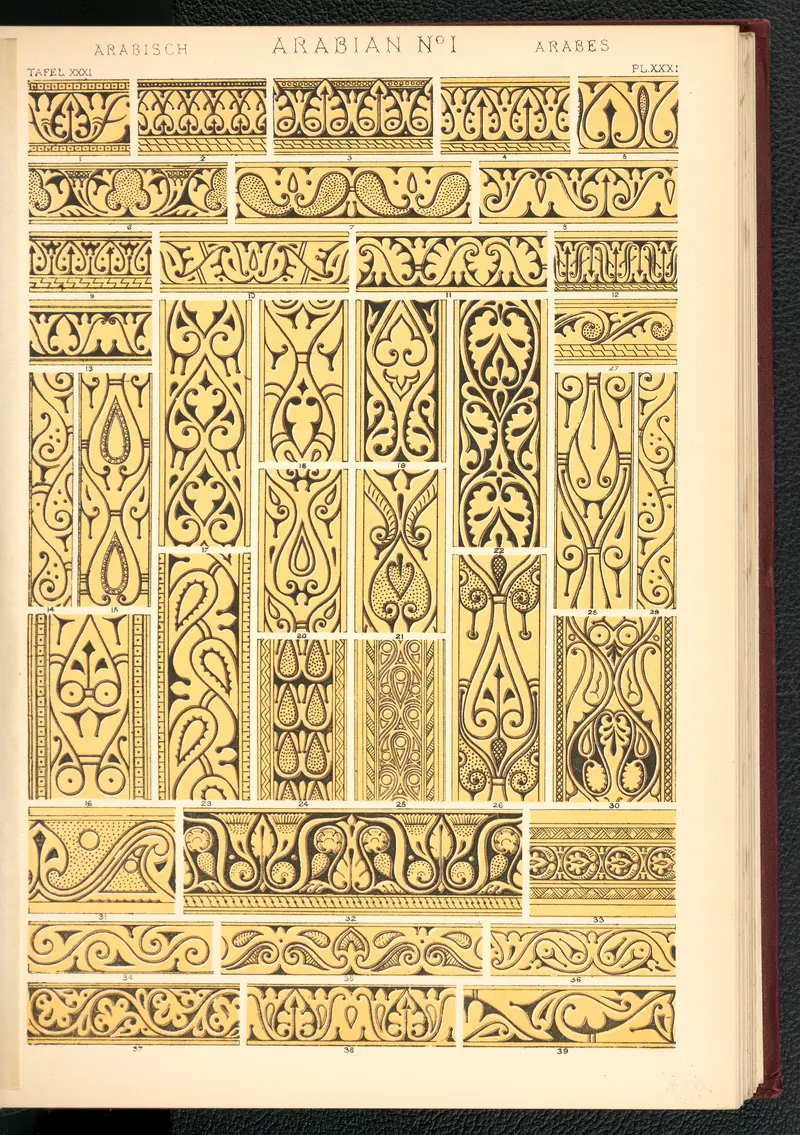
Arabian Ornament No. 1
Owen Jones
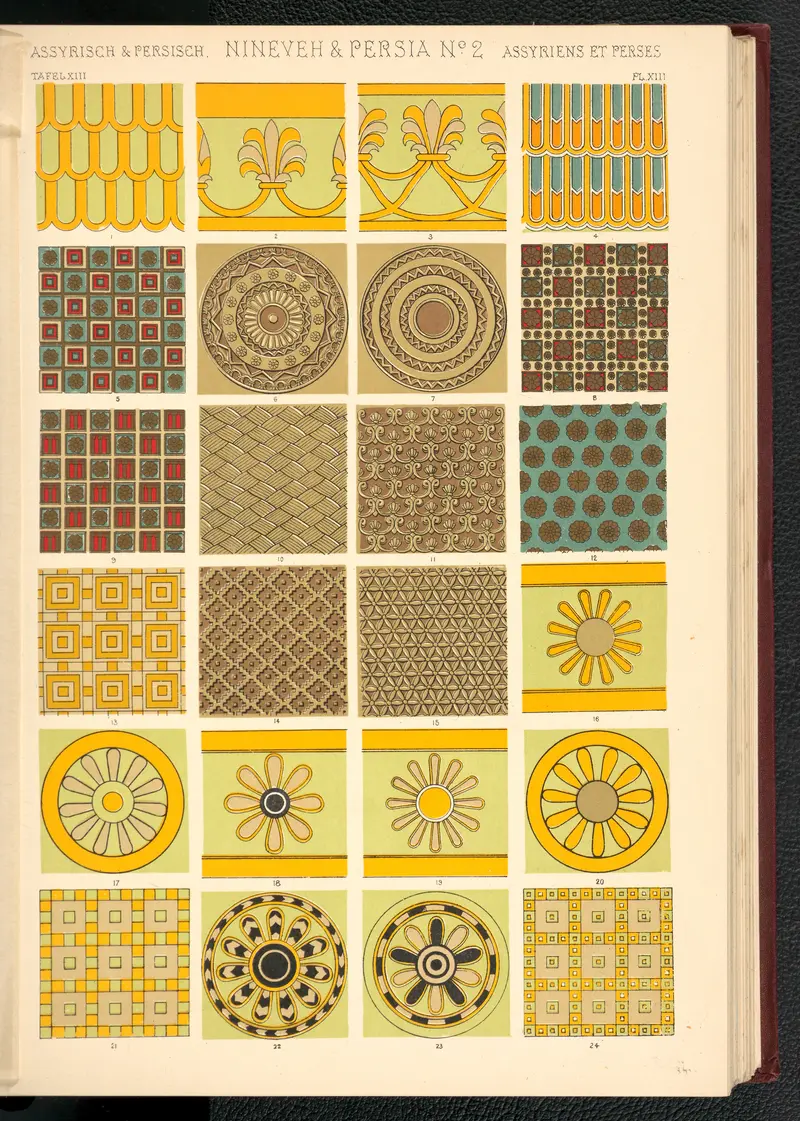
Assyrian Ornament No. 2
Owen Jones

Egyptian Ornament No. 3
Owen Jones
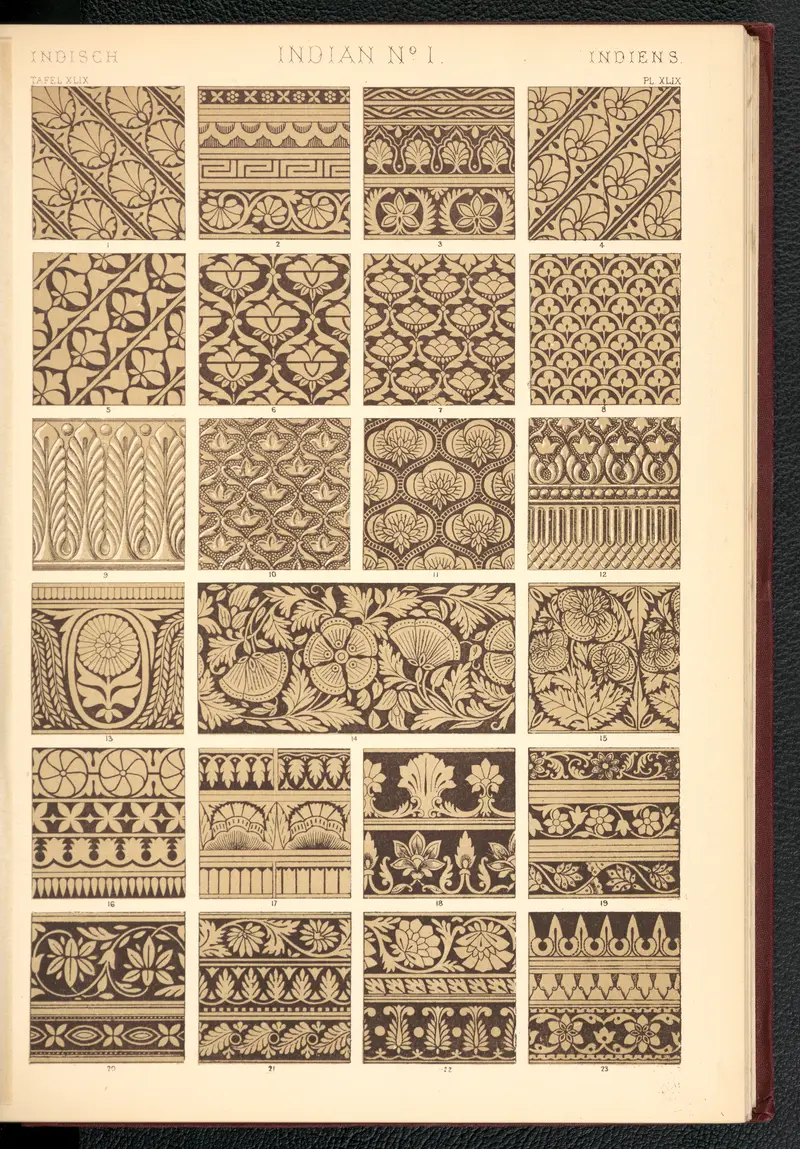
Indian Ornament No. 1
Owen Jones
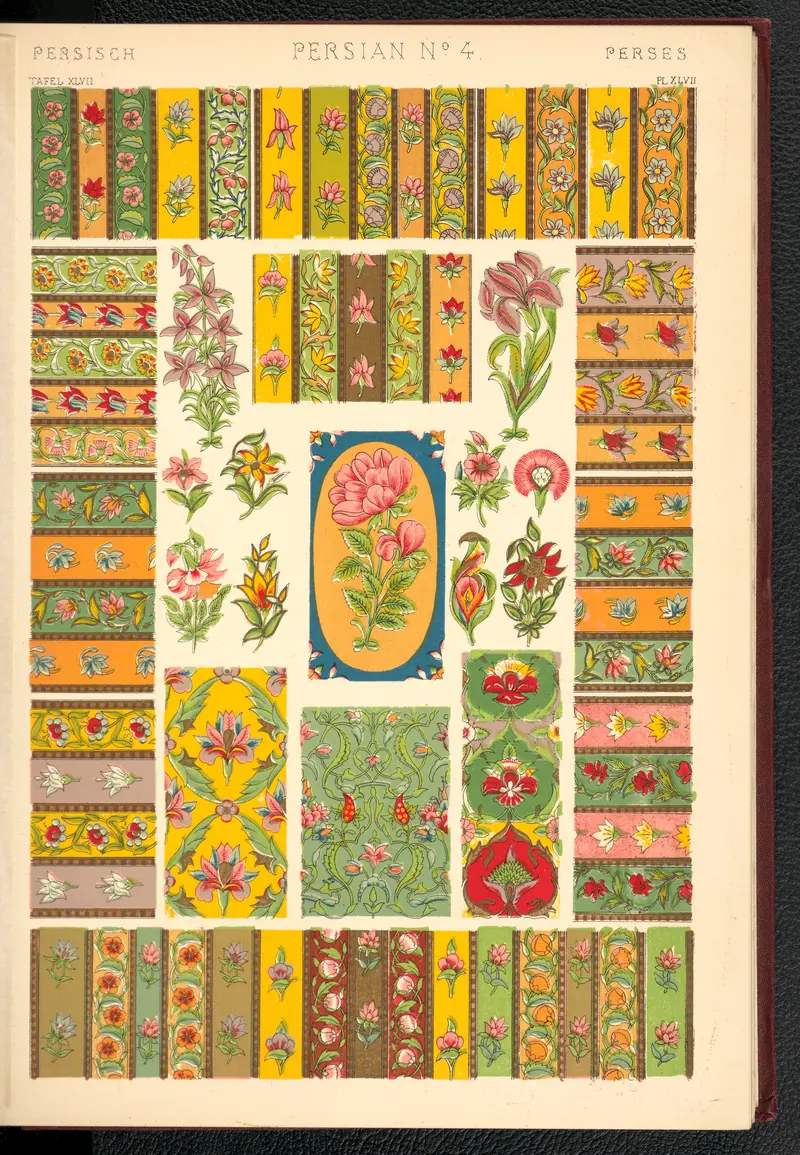
Persian Ornament No. 4
Owen Jones
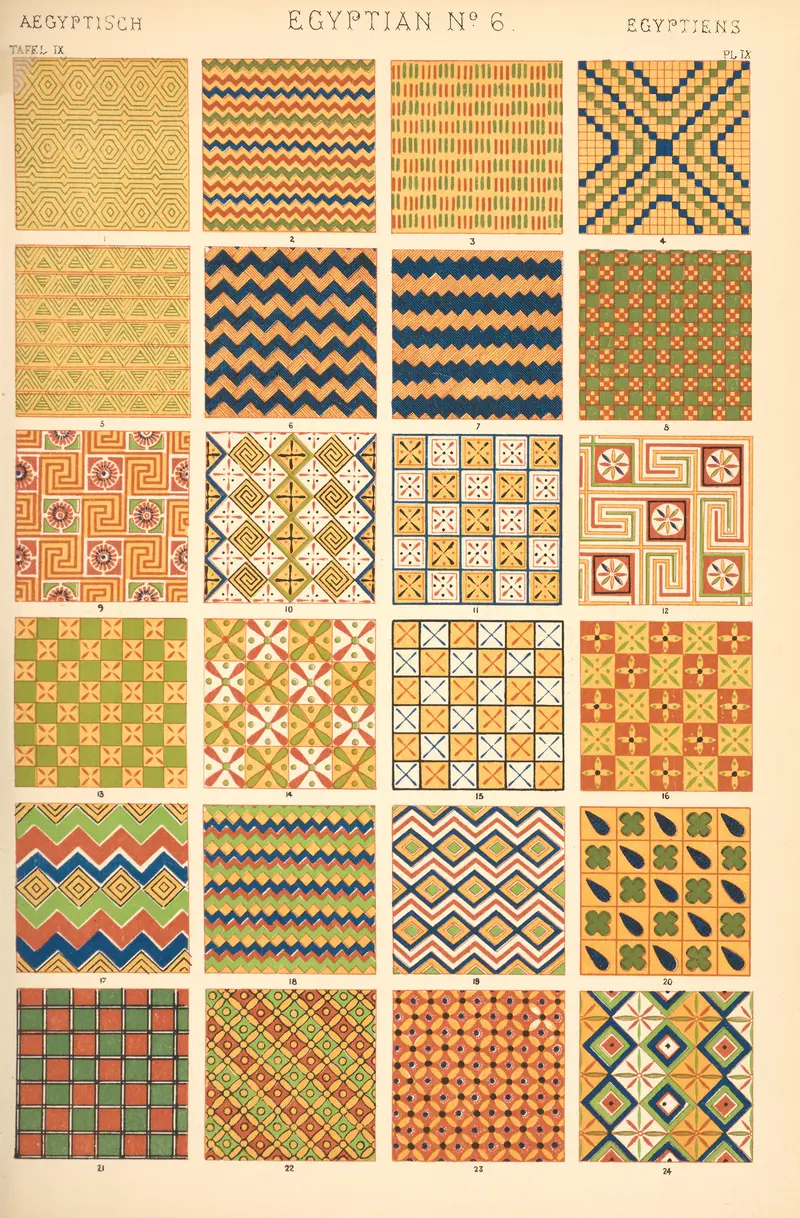
Egyptian Ornament No. 6
Owen Jones
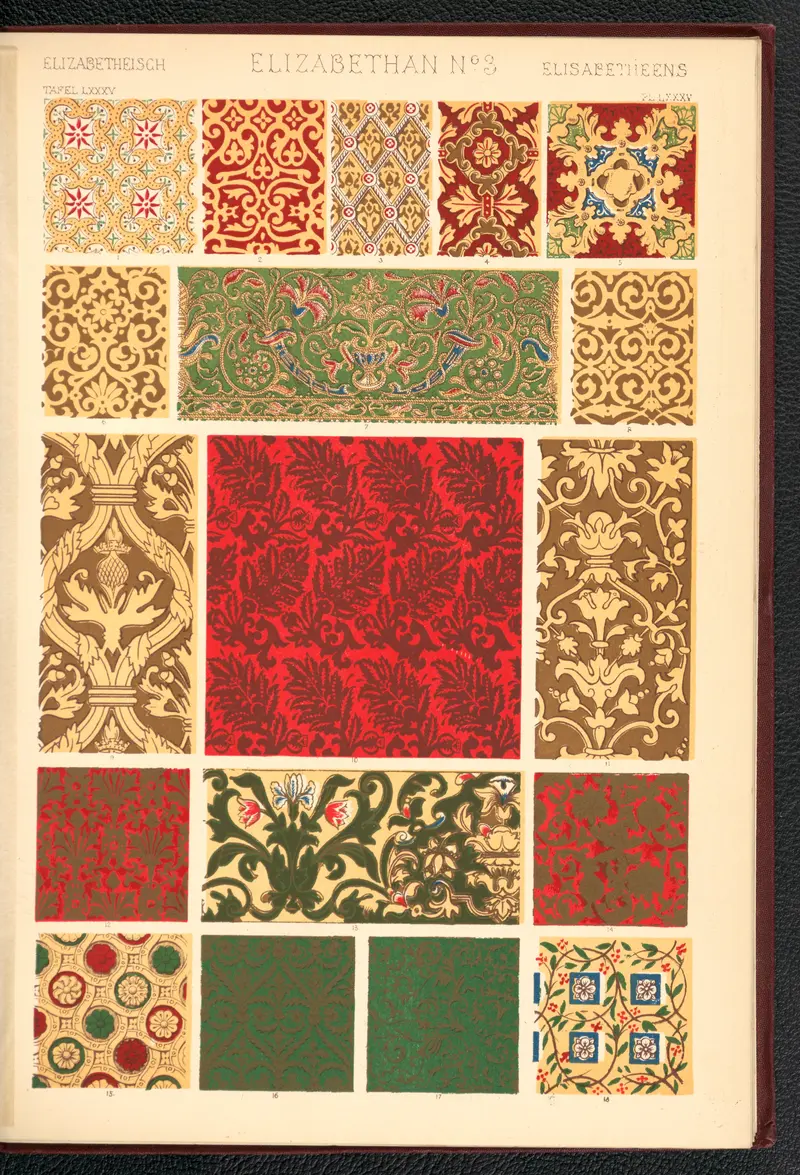
Elizabethan Ornament No. 3
Owen Jones
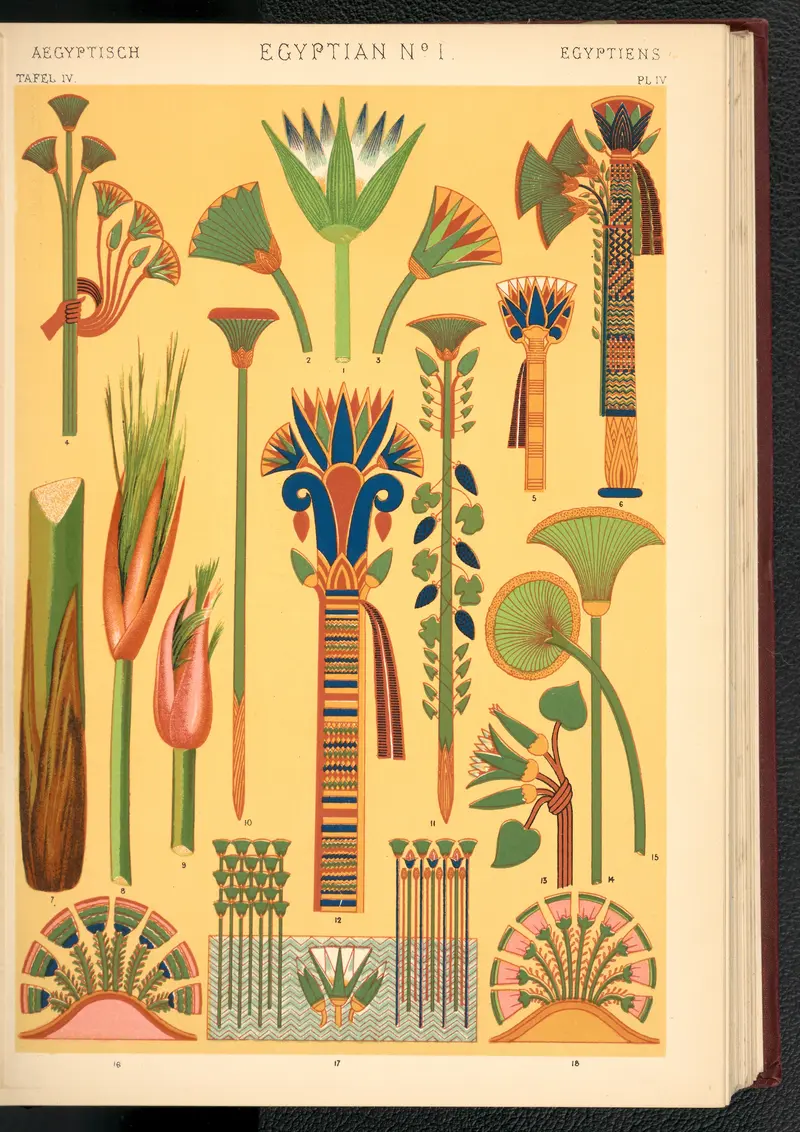
Egyptian Ornament No. 1
Owen Jones
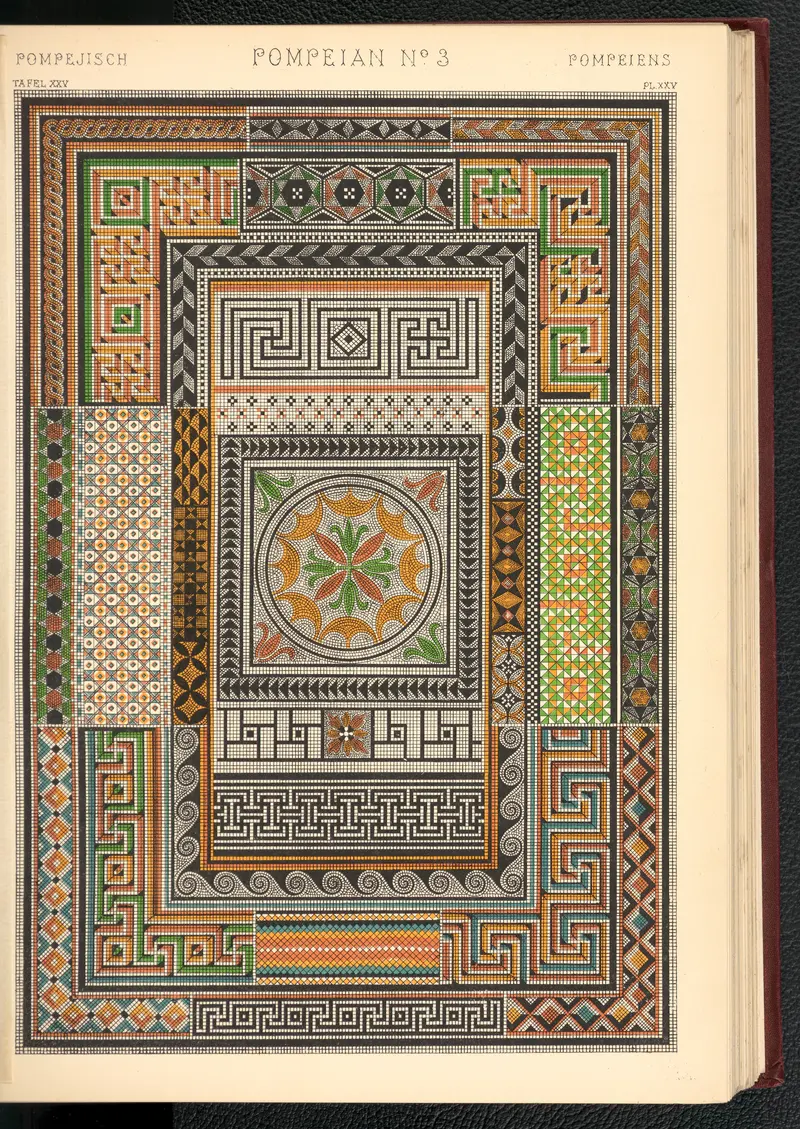
Pompeian Ornament No. 3
Owen Jones