
Aurora Triumphing over Night — History & Facts
When Jean-Honoré Fragonard unveiled Aurora Triumphing over Night in 1755, he was only twenty-three and newly arrived in Rome, having just won the coveted Prix de Rome. The painting was created during his formative years at the French Academy, where young artists were expected to prove their skill with mythological subjects. This early work was Fragonard’s bold entry into the competitive world of grand history painting, a genre dominated by his teacher François Boucher and other luminaries of the Rococo movement.
The painting’s subject—a celestial contest between light and darkness—mirrored the ambitions and anxieties of a young artist striving to make his mark. In the scene, Aurora, the Roman goddess of dawn, soars across the canvas, scattering roses as she chases away the personification of Night. Fragonard captures the precise instant when Aurora’s radiant form, draped in swirling fabrics, bursts into the sky, her outstretched arm heralding the arrival of day. Below her, Night recoils, shrouded in shadowy blues and purples, clutching a dark veil as she retreats.
The contrast between Aurora’s golden light and Night’s deep hues is heightened by Fragonard’s energetic brushwork and play of color, a technique reminiscent of Boucher but with a youthful exuberance all his own. Unlike Guido Reni’s stately Aurora, Fragonard’s version teems with movement and sensuality, making the myth feel immediate and alive. The exact provenance of Aurora Triumphing over Night remains somewhat unclear, as records from Fragonard’s Roman period are fragmentary. It is likely that the painting was produced as an academic exercise, possibly for a patron or as a demonstration piece for the Academy’s directors.
Over the centuries, the work has surfaced in several private collections, occasionally misattributed due to Fragonard’s evolving style. Today, it stands as an important milestone in his early career, foreshadowing the exuberance and inventiveness that would define his later masterpieces. The painting’s journey from a student’s easel in Rome to the walls of modern galleries reflects the enduring fascination with Fragonard’s vision of myth transformed by youthful daring.
More Artworks by Jean-Honoré Fragonard
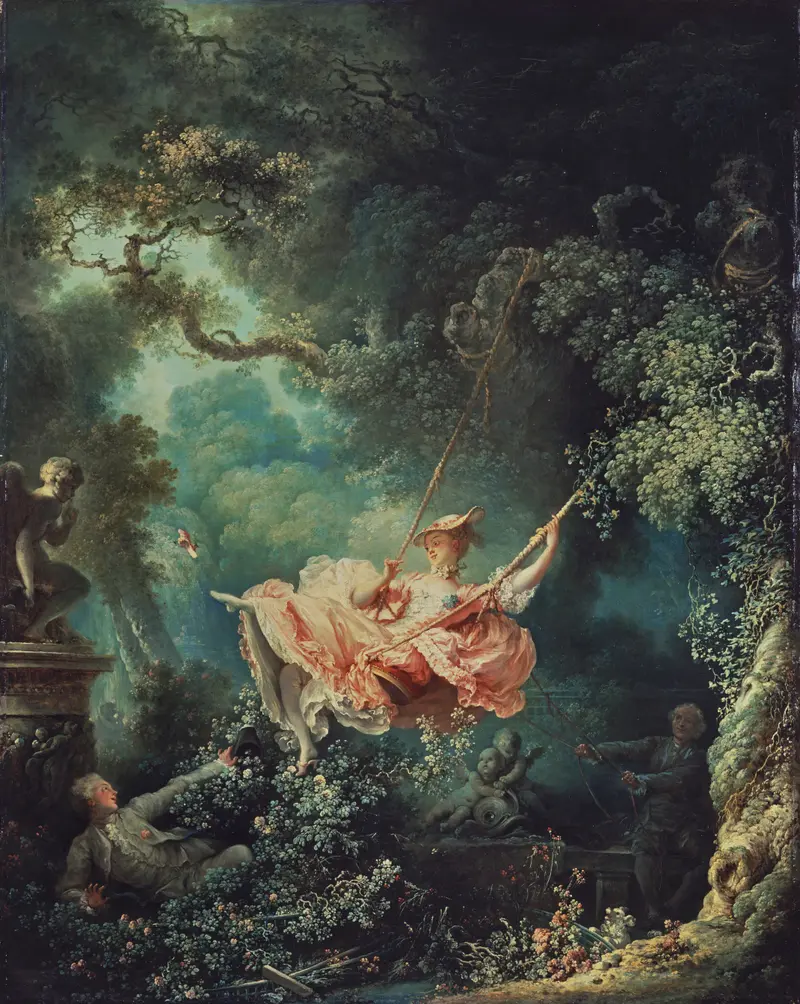
The Swing
Jean-Honoré Fragonard

The Swing
Jean-Honoré Fragonard
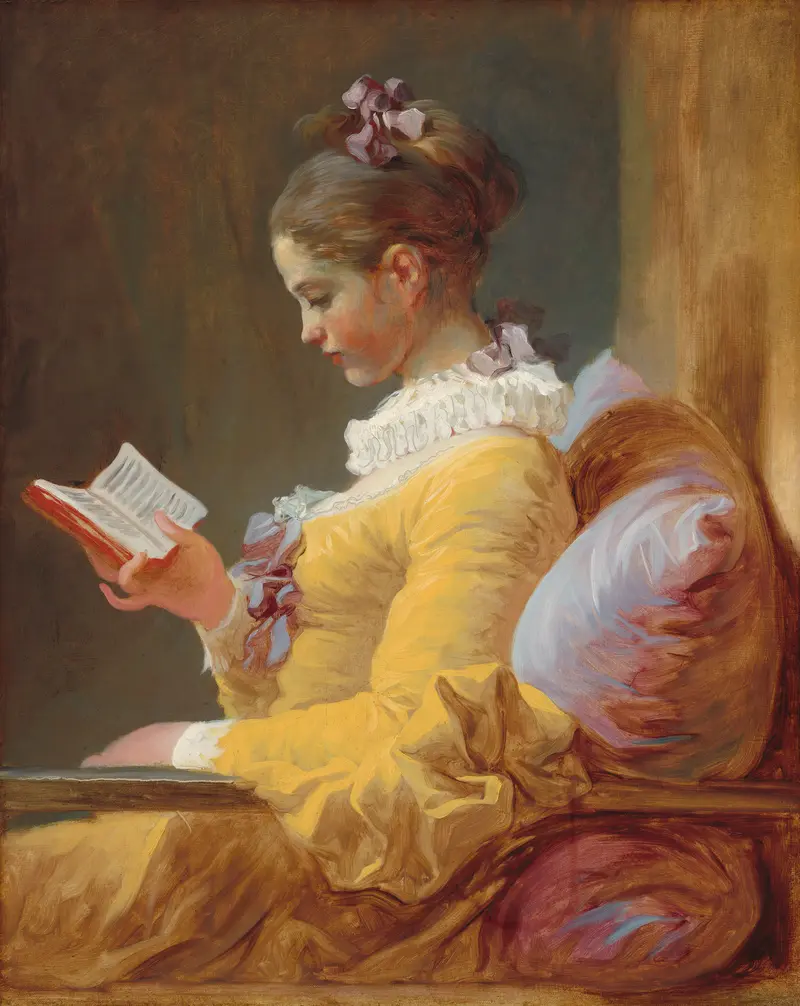
A Young Girl Reading
Jean-Honoré Fragonard
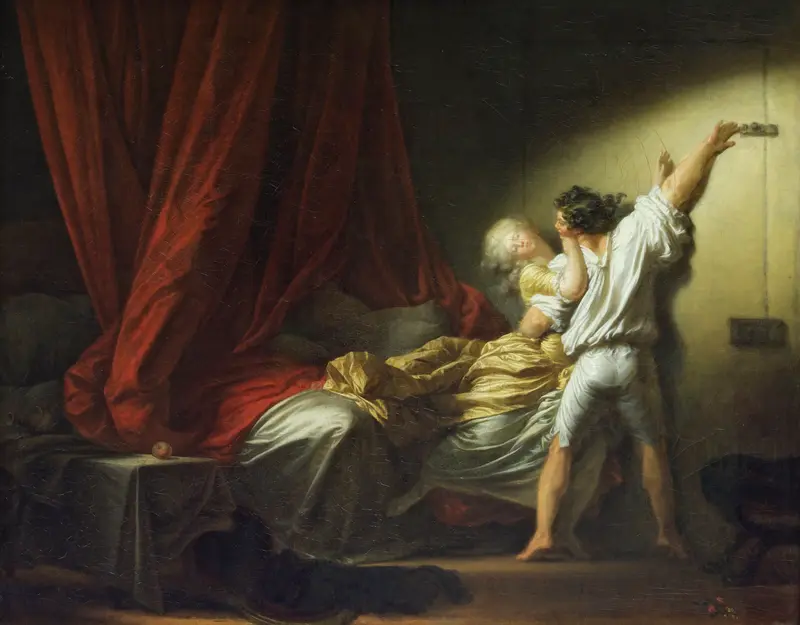
The Lock
Jean-Honoré Fragonard
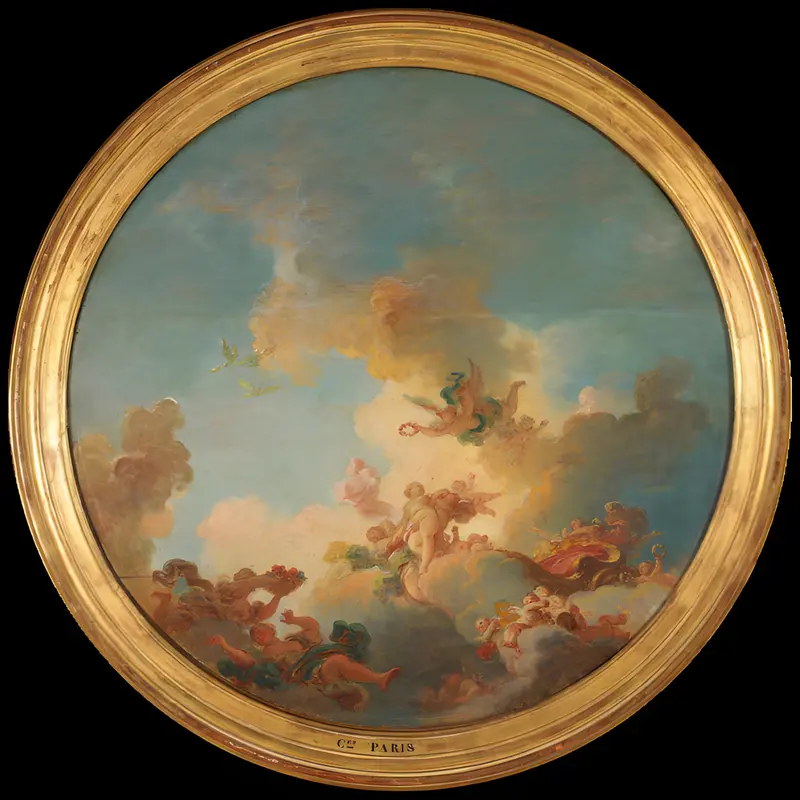
The Triumph of Venus
Jean-Honoré Fragonard
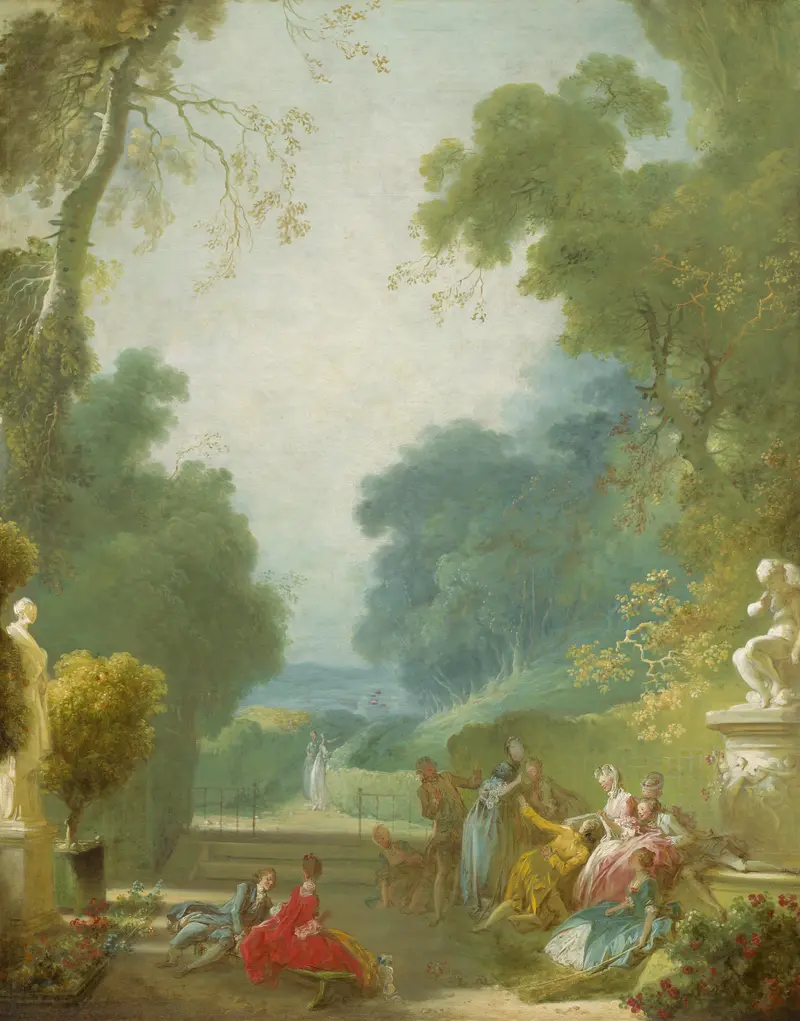
A Game of Hot Cockles
Jean-Honoré Fragonard
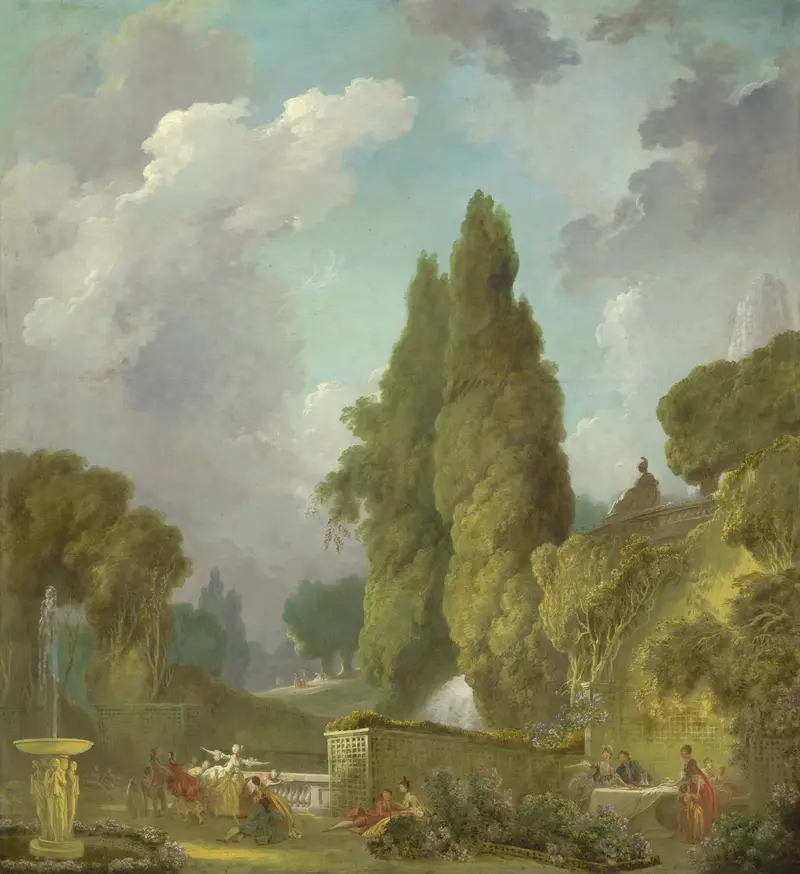
Blindman’s Buff
Jean-Honoré Fragonard
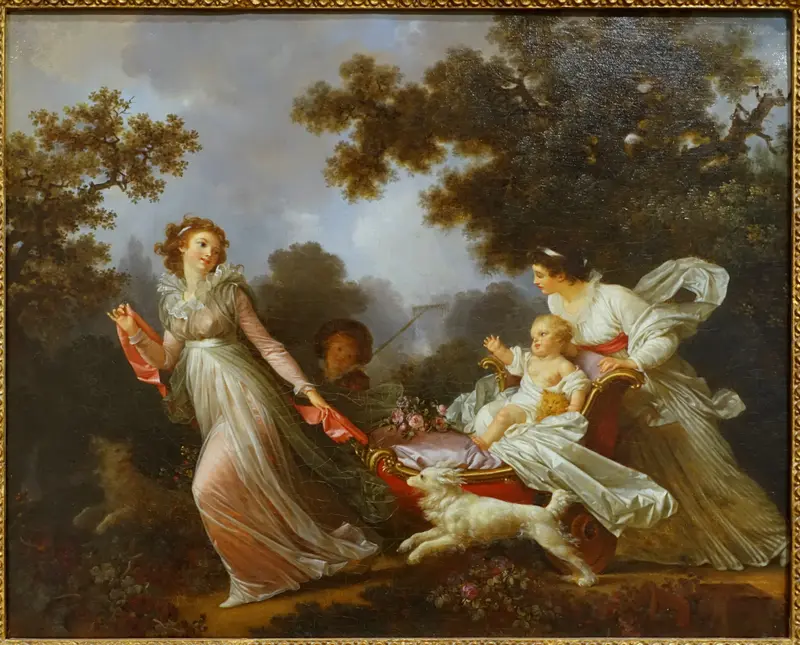
The Beloved Child
Jean-Honoré Fragonard
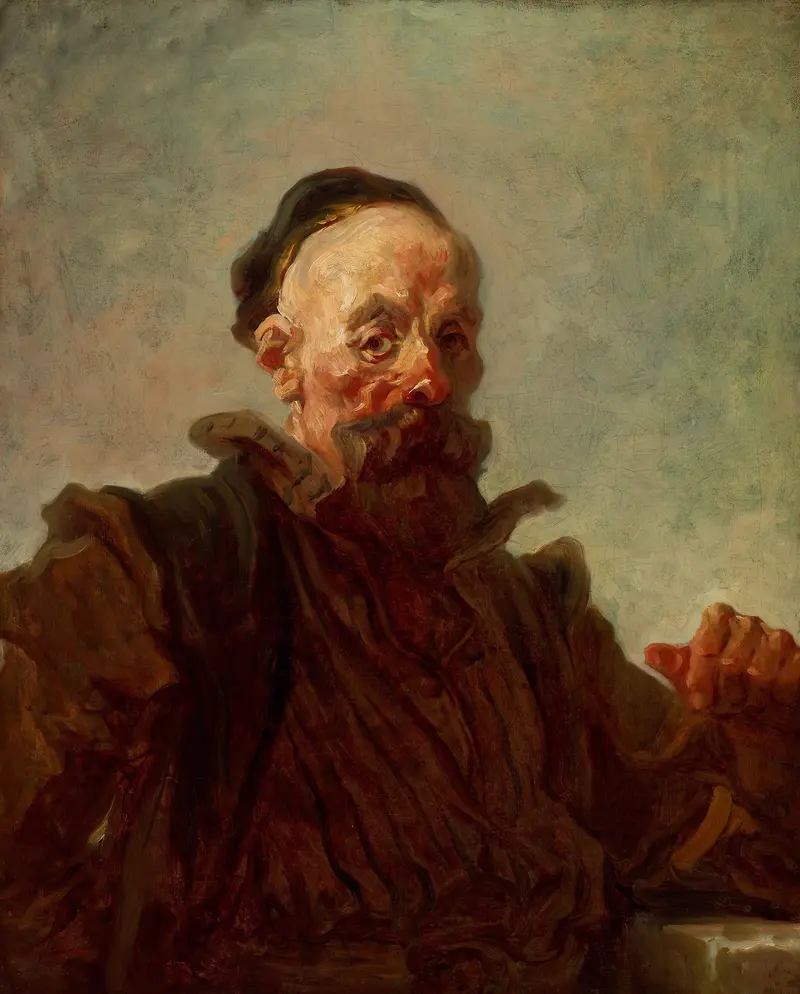
Portrait of a Man in Costume
Jean-Honoré Fragonard
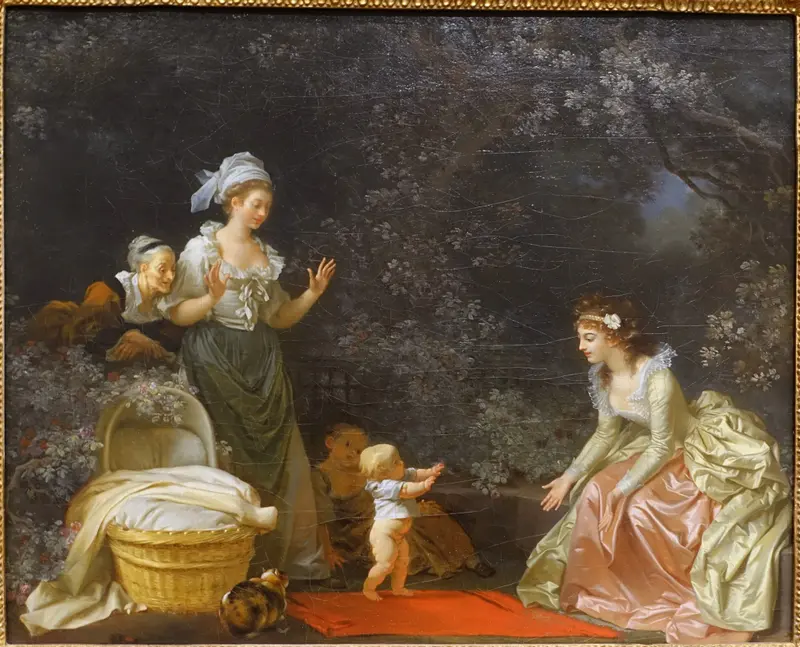
The First Steps
Jean-Honoré Fragonard





