
Aurore. Souvenir des Alpes — History & Facts
When Aurore. Souvenir des Alpes was first exhibited in 1877, critics were surprised to see Gustave Doré, famed for his engravings and illustrations, present a work so deeply personal and painterly. Known for his dramatic scenes from Dante and Don Quixote, Doré here turned away from narrative illustration to evoke his own memories of the Alps, a landscape he cherished from childhood travels.
The painting stands as one of his rare forays into landscape, produced during a period of mourning after his mother’s death, which deeply affected his work. It is not clear if the painting was a commission or a private meditation, but its introspective mood marks it out among Doré’s more public, theatrical works. At the heart of the painting lies the moment of dawn breaking over the Alpine peaks, the first pale light catching on snow and stone. Doré chooses not to populate the scene with figures or grand events; instead, the drama unfolds in the meeting of earth and sky.
The eye is drawn to the luminous horizon, where the cool blues and pinks of morning suggest both hope and solitude. The jagged silhouettes of the mountains recall the Romantic landscapes of Caspar David Friedrich, yet Doré’s treatment is less about the insignificance of man and more a reverent memory—his own "souvenir"—of nature’s grandeur. In the scattered rocks and delicate mists, the viewer senses both the harshness and the beauty of the high Alps. The exact medium of Aurore.
Souvenir des Alpes remains uncertain, though Doré worked in both oil and watercolor during this period. The painting’s subsequent history is not well documented, and it has not achieved the fame of Doré’s illustrations or his larger religious canvases. Today, it is valued as a rare example of Doré’s landscape painting, offering insight into his private world and artistic range.
Its quiet lyricism stands apart from the more bombastic works of his career, and it serves as a testament to the personal resonance the Alps held for him. The work occasionally appears in exhibitions dedicated to Doré’s lesser-known paintings, where it invites viewers to see a different side of this prolific artist.
More Artworks by Gustave Doré

The Deluge
Gustave Doré
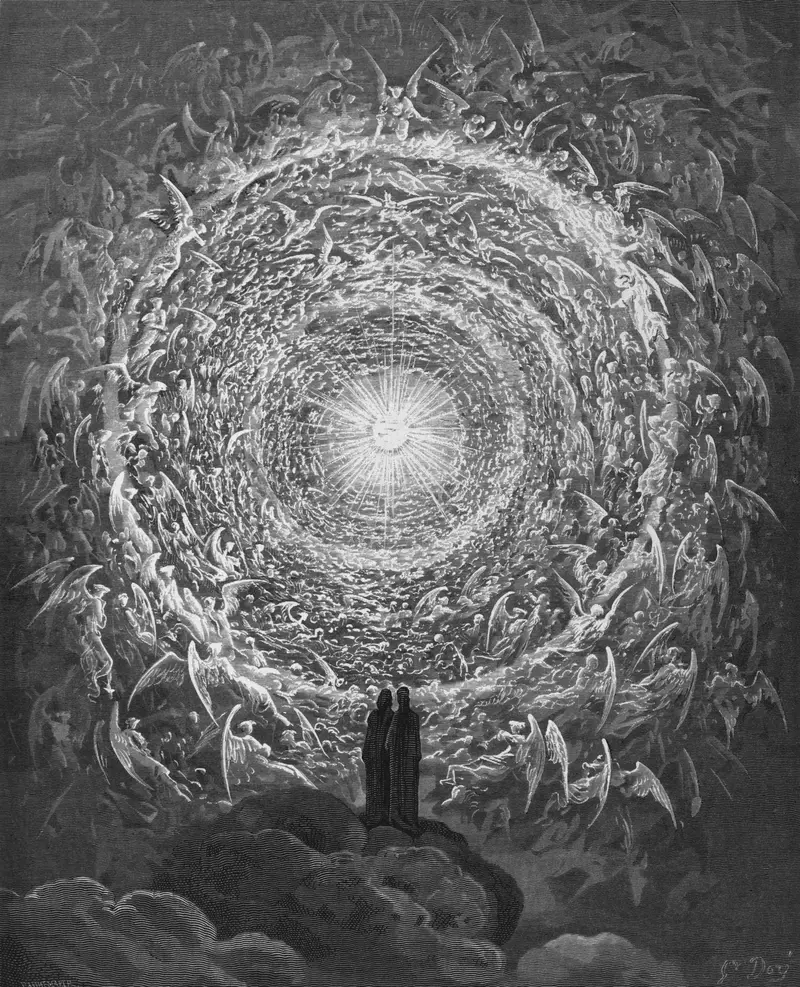
The Empyrean (Paradiso, Canto 31)
Gustave Doré
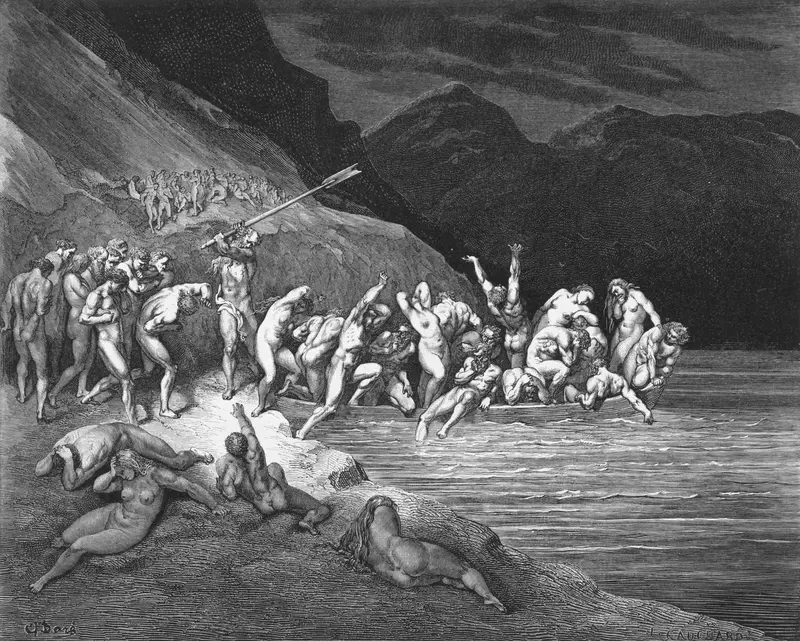
Charon (Inferno, Canto 3)
Gustave Doré
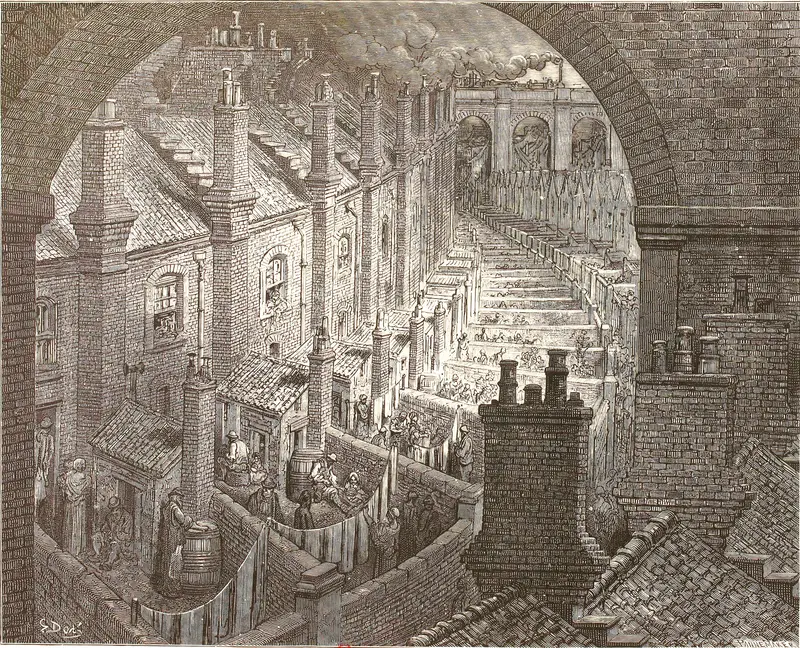
Over London by Rail
Gustave Doré
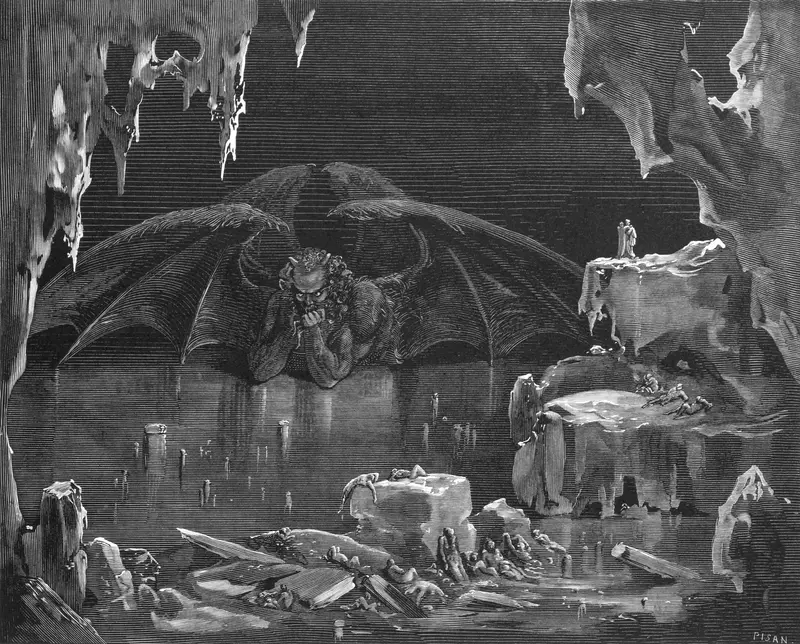
Lucifer, King of Hell
Gustave Doré
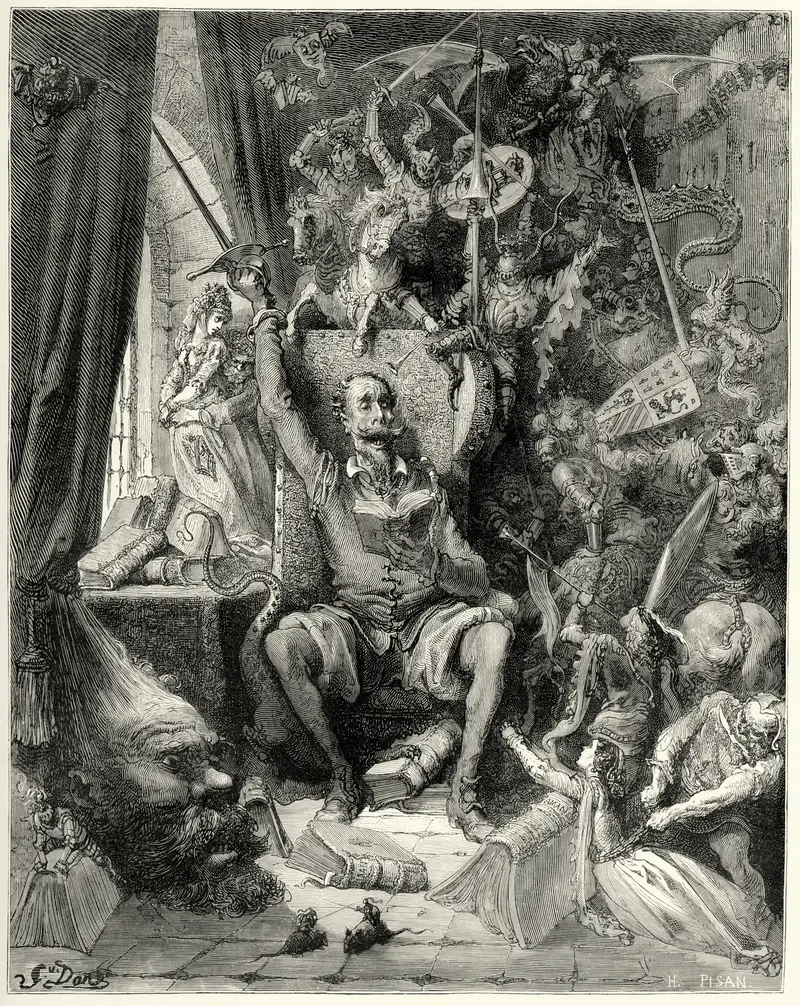
Don Quixote in His Library
Gustave Doré
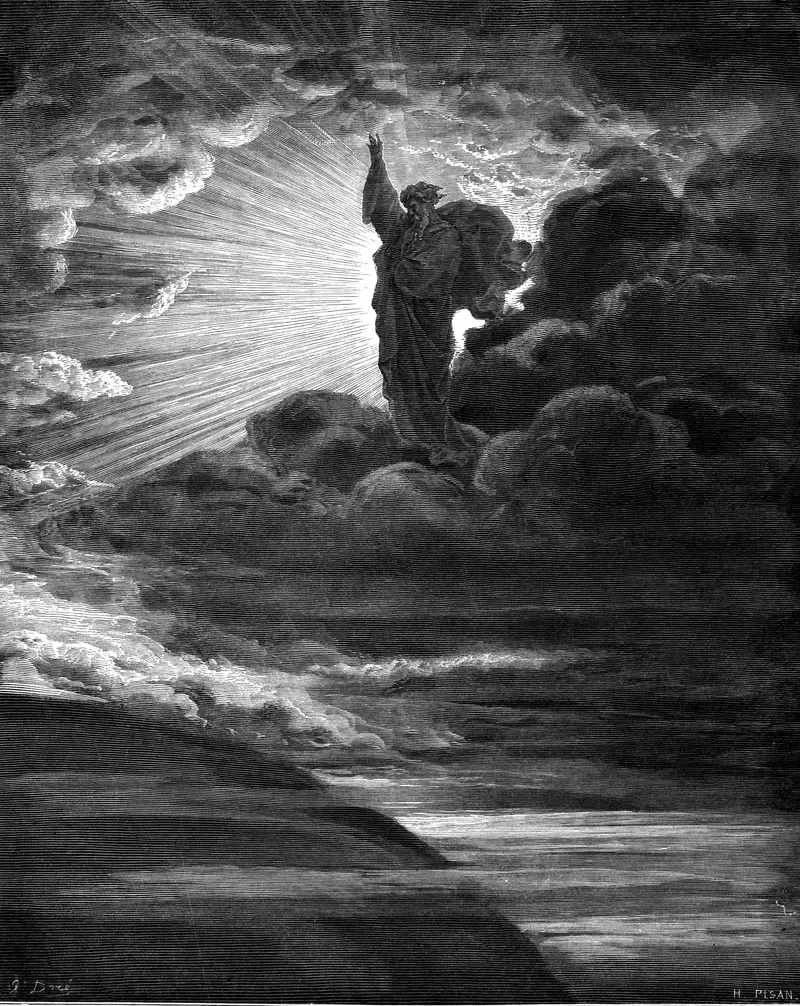
The Creation of Light
Gustave Doré
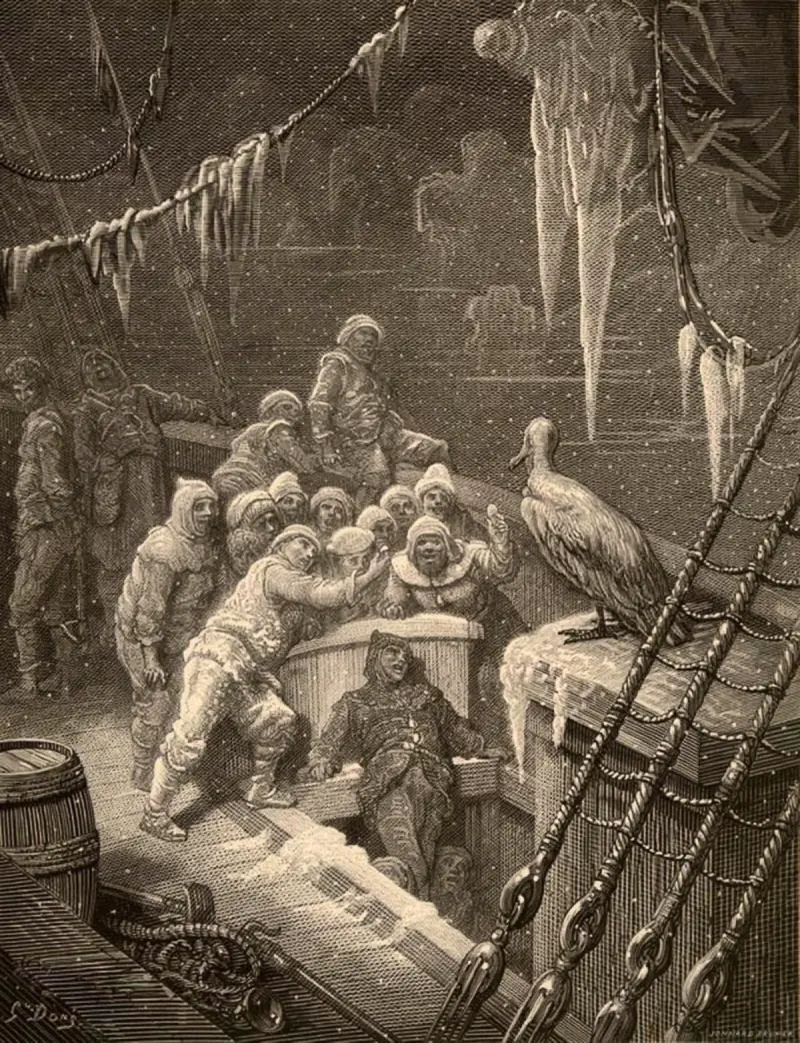
The Albatross (The Rime of the Ancient Mariner)
Gustave Doré
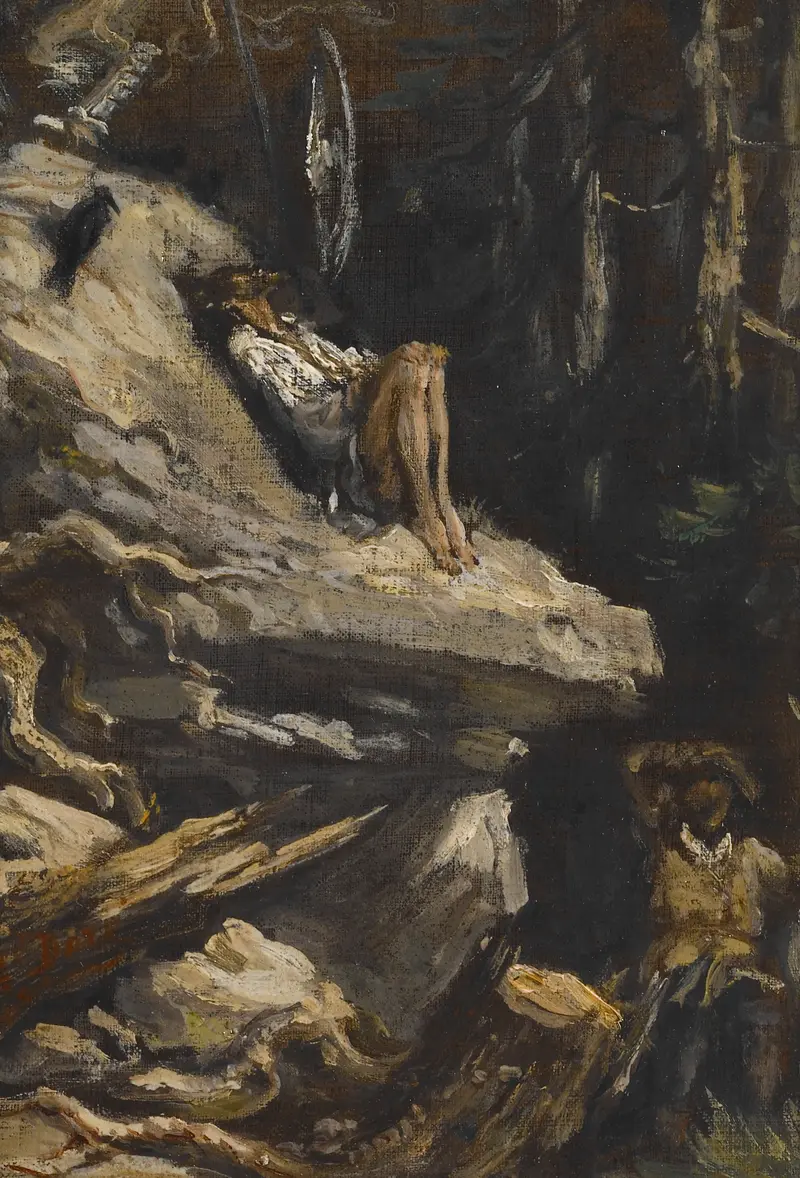
"'Alas!' answered Sancho, 'I found him in his shirt, lean, pale, and almost starved, sighing for his Lady Dulcinea'" from Don Quixote
Gustave Doré
Christ's Entry into Jerusalem
Gustave Doré
More Landscape Art

The Starry Night
Vincent van Gogh

View of Delft
Johannes Vermeer

Water Lilies
Claude Monet

The Grand Canal, Venice, looking north-west from the Ca' Corner to the Ca' Contarini degli Scrigni, with the campanile of Santa Maria della Carità
Canaletto

Windsor Castle
Canaletto

The Grand Canal looking North-East from the Palazzo Dolfin-Manin to the Rialto Bridge
Canaletto