
Autorretrato — History & Facts
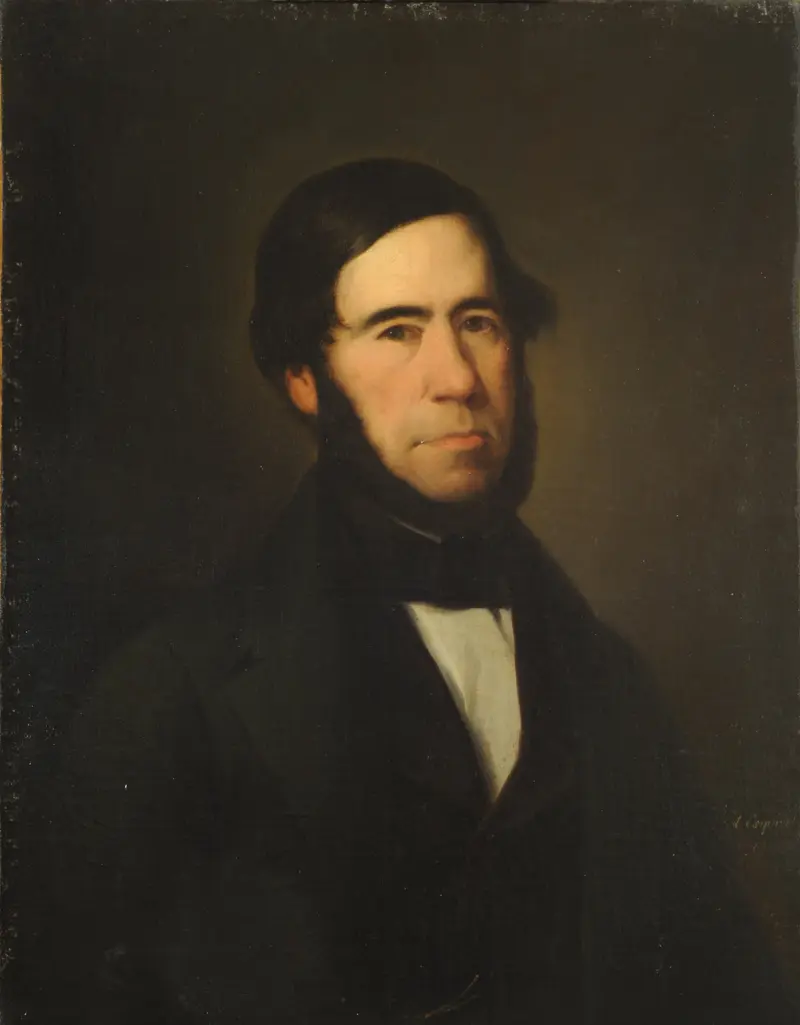
The gaze in Autorretrato by Antonio María Esquivel is unflinching, almost confrontational, as if the artist has caught himself in a moment of sudden, private reckoning. The light falls directly across his brow and cheek, sharpening every line and shadow, while the rest of the canvas recedes into a muted, olive-toned dusk. This is a face rendered with the care of someone who knows every furrow and fleck, and who wants the viewer to know them too—without embellishment or apology.
The crisp collar and dark coat frame the head with a formality that only heightens the sense of directness, making the sitter’s steady eyes the true center of gravity. Esquivel’s brushwork is reserved, almost severe, but the effect is intimate: the viewer is invited to study not just the features, but the temperament behind them. Painted around 1856, this self-portrait belongs to a moment in Spanish art when the genre of the self-portrait was both a declaration and a defense—an artist’s way of staking a claim to his own image and legacy. In the mid-nineteenth century, Spanish painters like Esquivel navigated a world in flux, where the old hierarchies of patronage and academic tradition were being challenged by new ideas about individuality and artistic status.
While history has kept few traces of the circumstances behind this particular work, its presence in a collection today reminds us how artists of the period used the self-portrait to assert not just their likeness, but their place in the shifting world of art. Look again at those eyes: they are not just looking out, but also inward, searching for something lasting in the face of change.
More Artworks by Antonio Maria Esquivel

Baldomero Espartero
Antonio Maria Esquivel
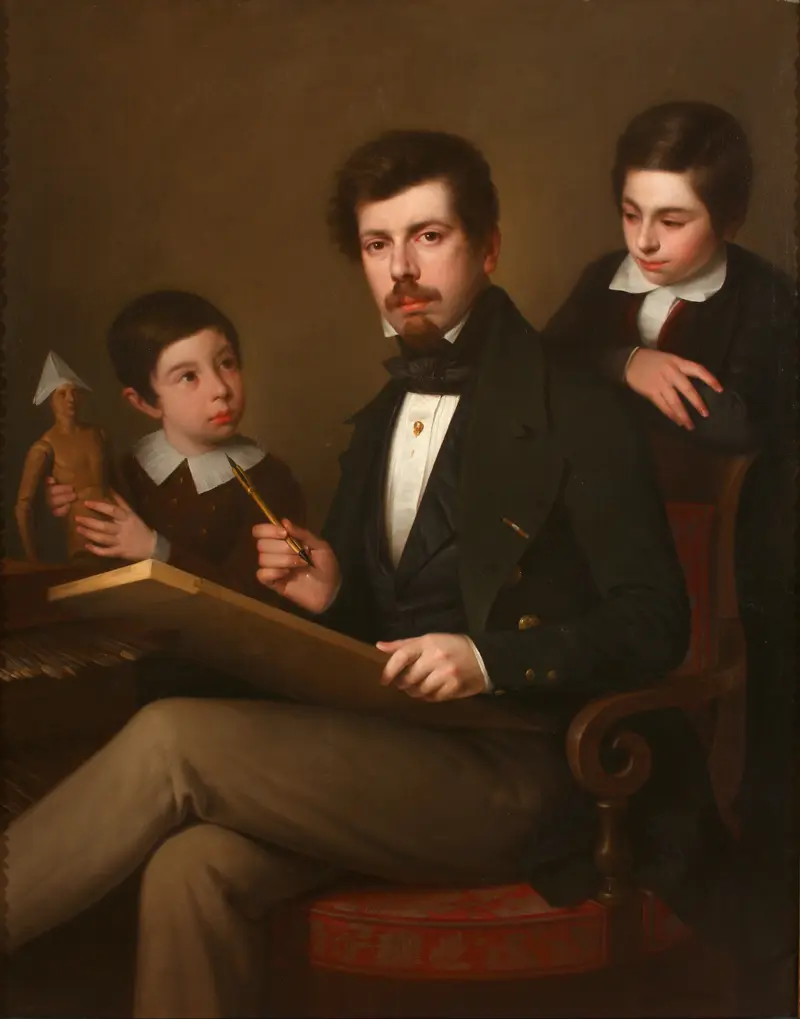
Self-portrait with his sons Carlos and Vicente
Antonio Maria Esquivel
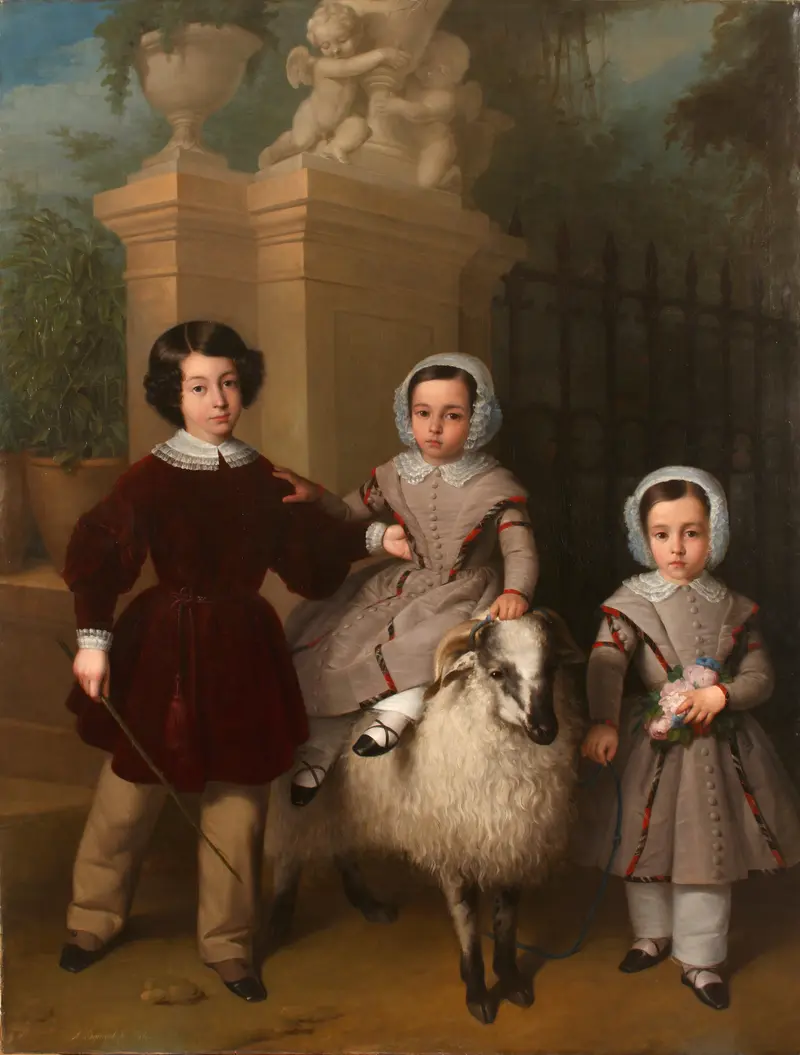
Children playing with a ram
Antonio Maria Esquivel
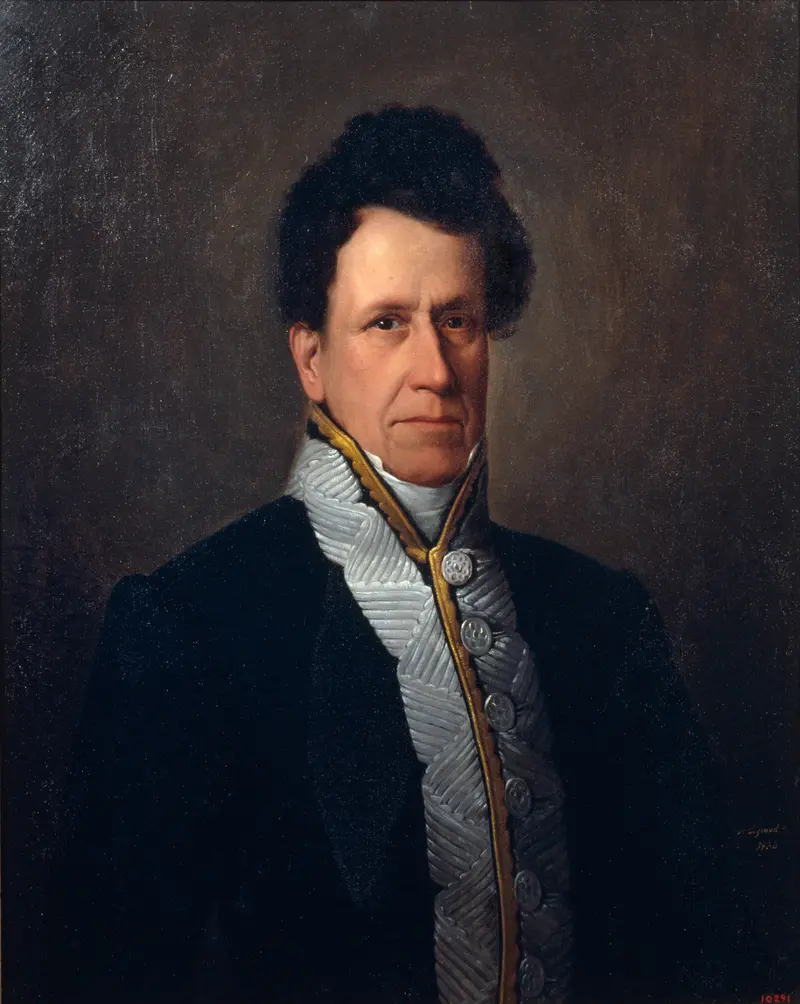
Portrait of Manuel Mª Gutiérrez
Antonio Maria Esquivel
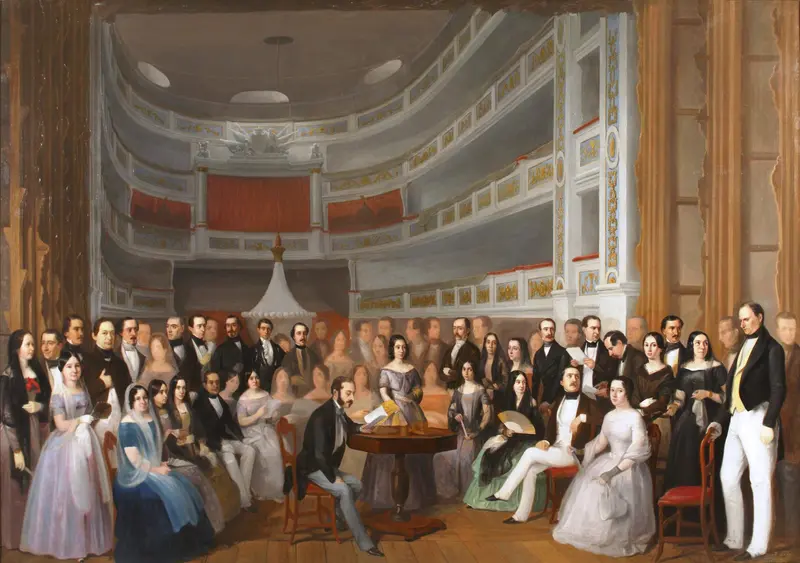
Ventura de la Vega reading a play at the Teatro del Príncipe
Antonio Maria Esquivel
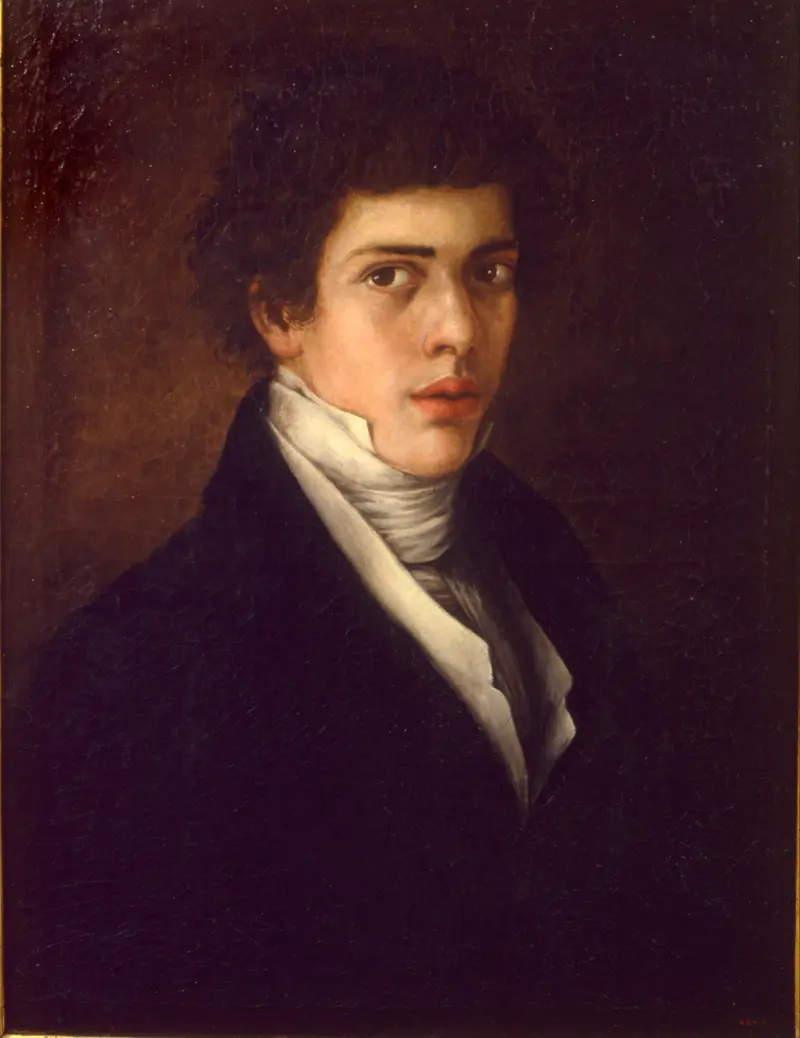
Self-portrait
Antonio Maria Esquivel
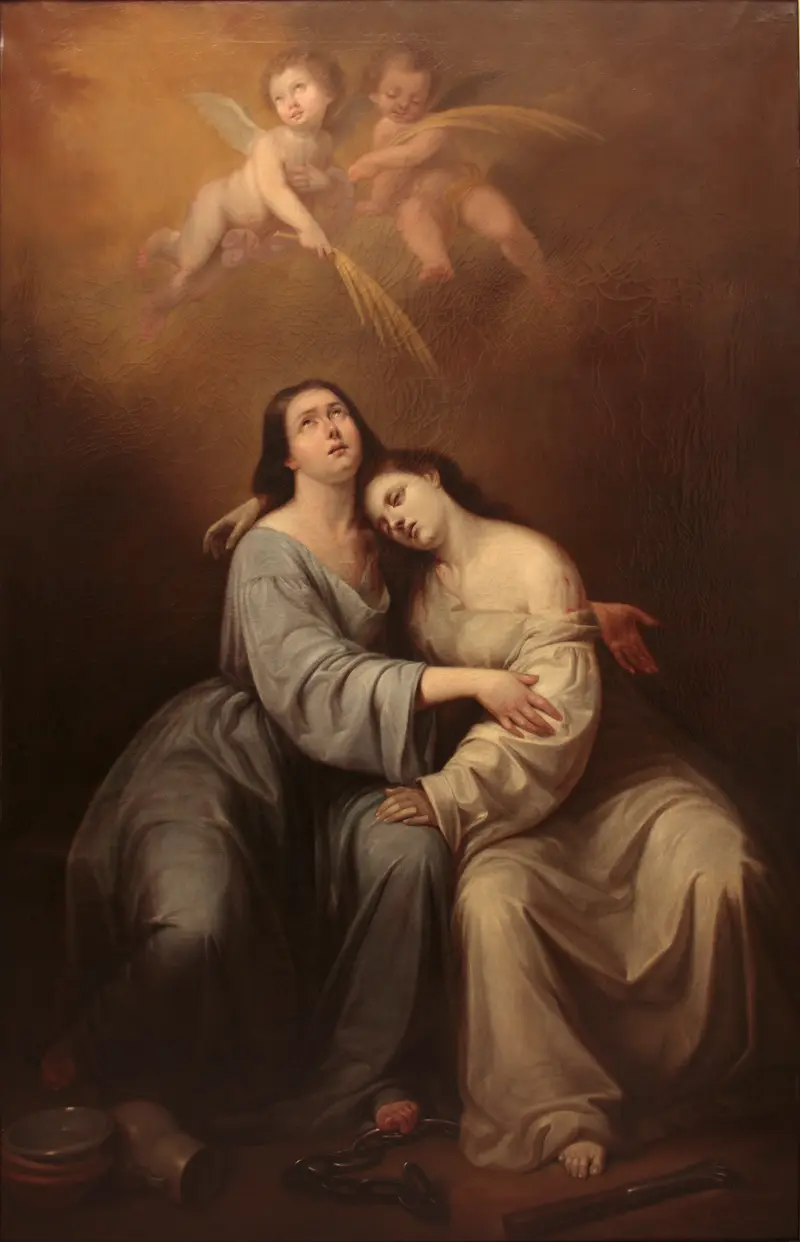
Saint Justa and Saint Rufina
Antonio Maria Esquivel
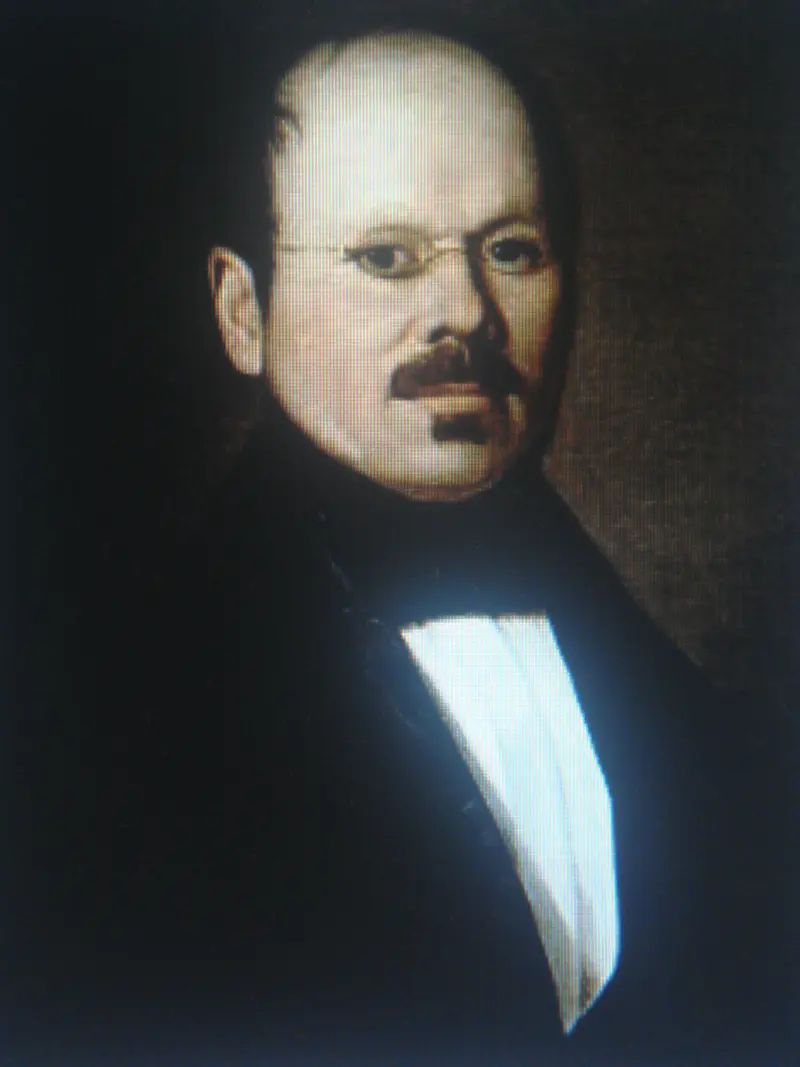
Antonio Benavides Fernández de Navarrete (Real Academia de la Historia)
Antonio Maria Esquivel
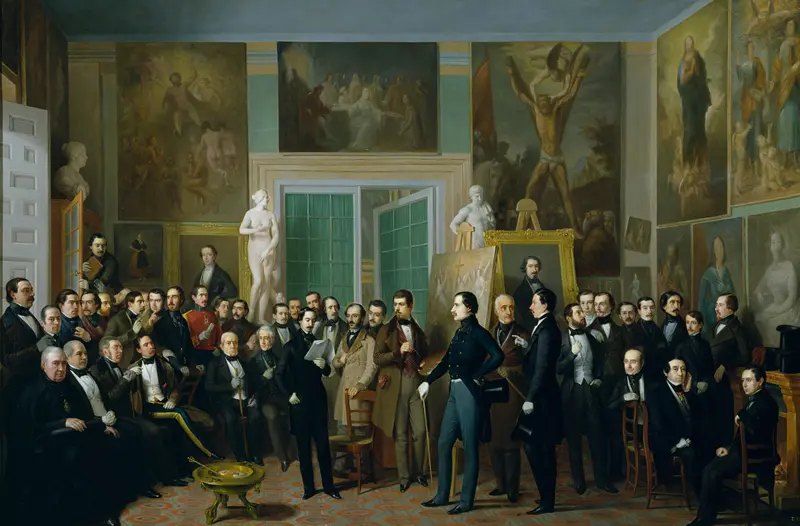
The Contemporary Poets. A Reading of Zorrilla in the Artist's Studio
Antonio Maria Esquivel
Portrait of Don Manuel José de Guerrico
Antonio Maria Esquivel





