Autumn Garden, Plate 44 (Hortus Eystettensis) — History & Facts
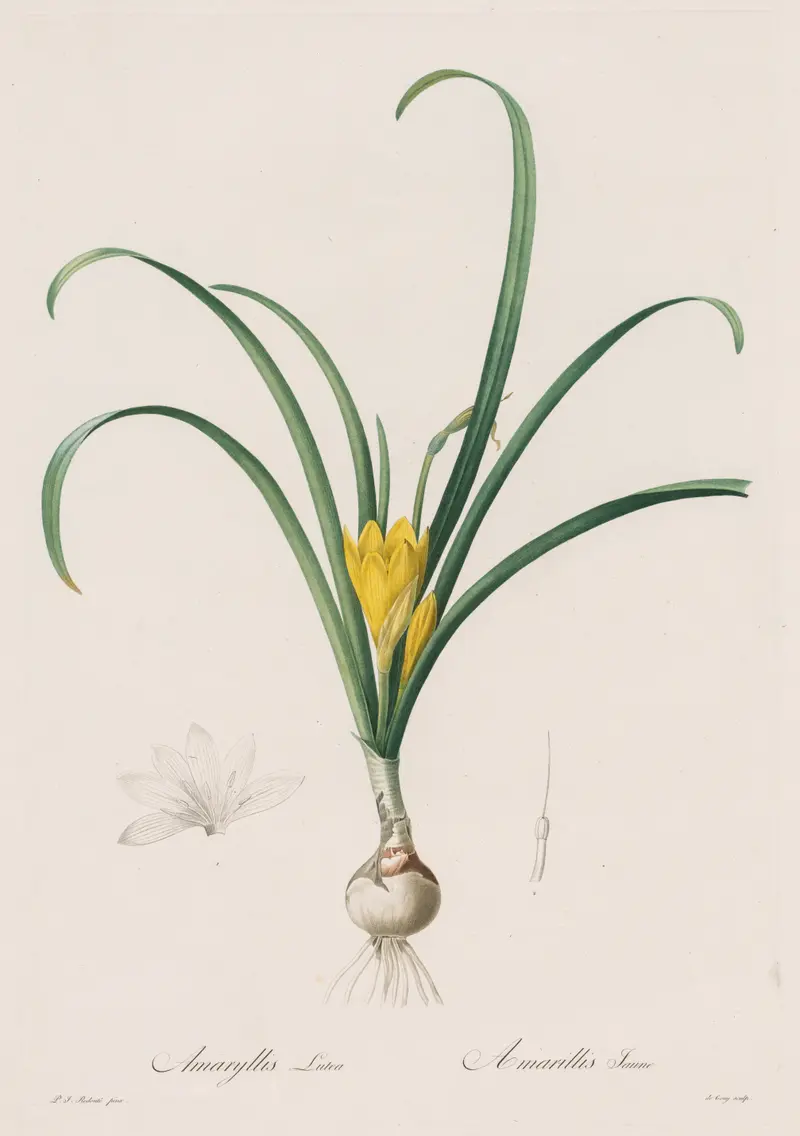
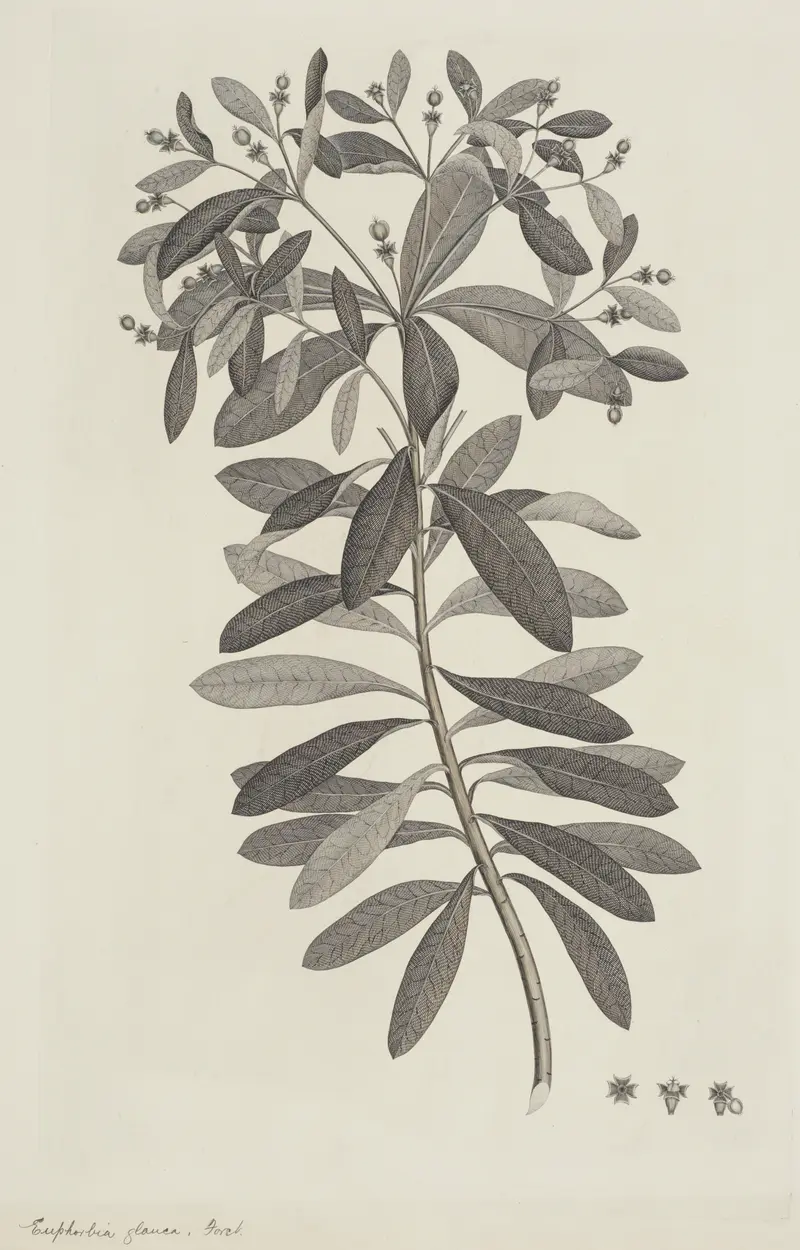
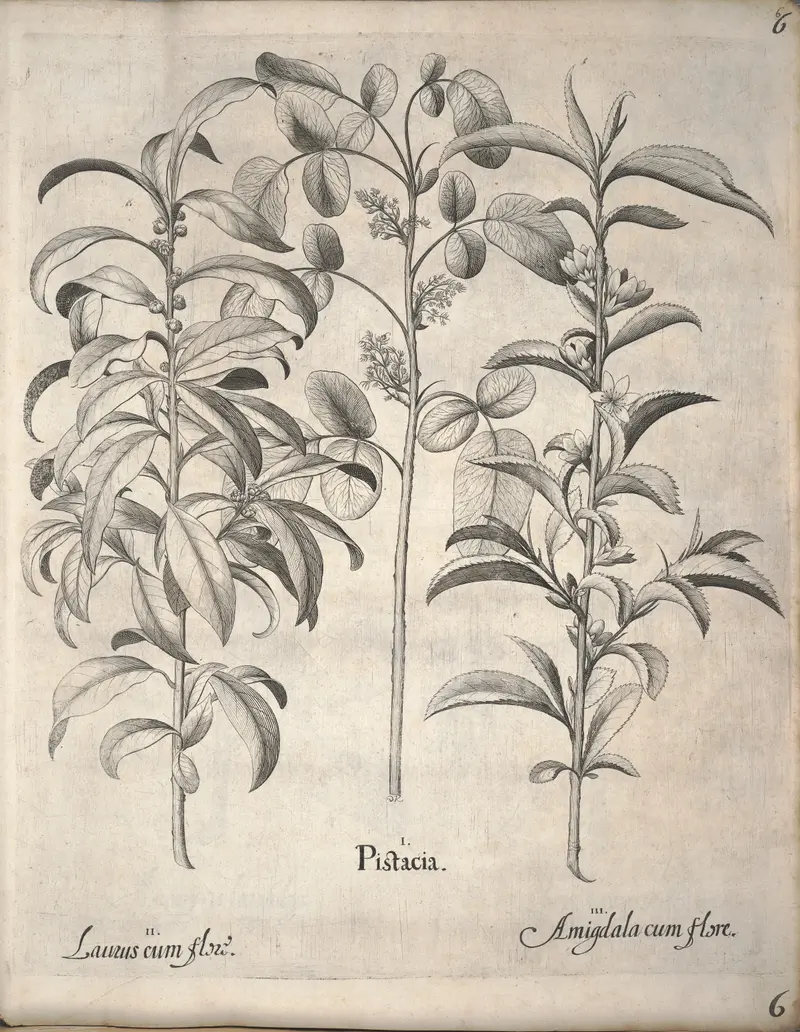
What first catches the eye in Autumn Garden, Plate 44 (Hortus Eystettensis) is the almost architectural clarity with which the plants rise from the page, each root and petal rendered with a precision that feels both scientific and theatrical. The central hellebore stands tall, its blooms and leaves splayed in a careful choreography that invites the viewer to study every vein and contour. To either side, crocuses unfurl in contrasting forms—one spare and elegant, the other exuberantly clustered—each labeled in a looping hand that bridges art and taxonomy.
The artist’s use of line is deliberate, guiding the gaze from the tangled roots below to the crisp edges of the blossoms above, creating a sense of order and wonder in equal measure. This image belongs to the world of early modern botanical illustration, a genre that flourished in the wake of Europe’s botanical gardens and the age of exploration. Created in 1640, as noted by its source, this plate reflects an era when scholars, apothecaries, and collectors sought to catalogue nature’s diversity with unprecedented accuracy. Works like this, often commissioned by noble patrons or universities, served as both scientific reference and objects of prestige, their meticulous detail a testament to the era’s hunger for knowledge.
Little is recorded about the specific journey of this sheet, but its survival in a digital archive today is a reminder of how art and science once grew side by side—inviting us, centuries later, to look again and see both the beauty and the curiosity that shaped its making.
More Artworks by Basilius Besler
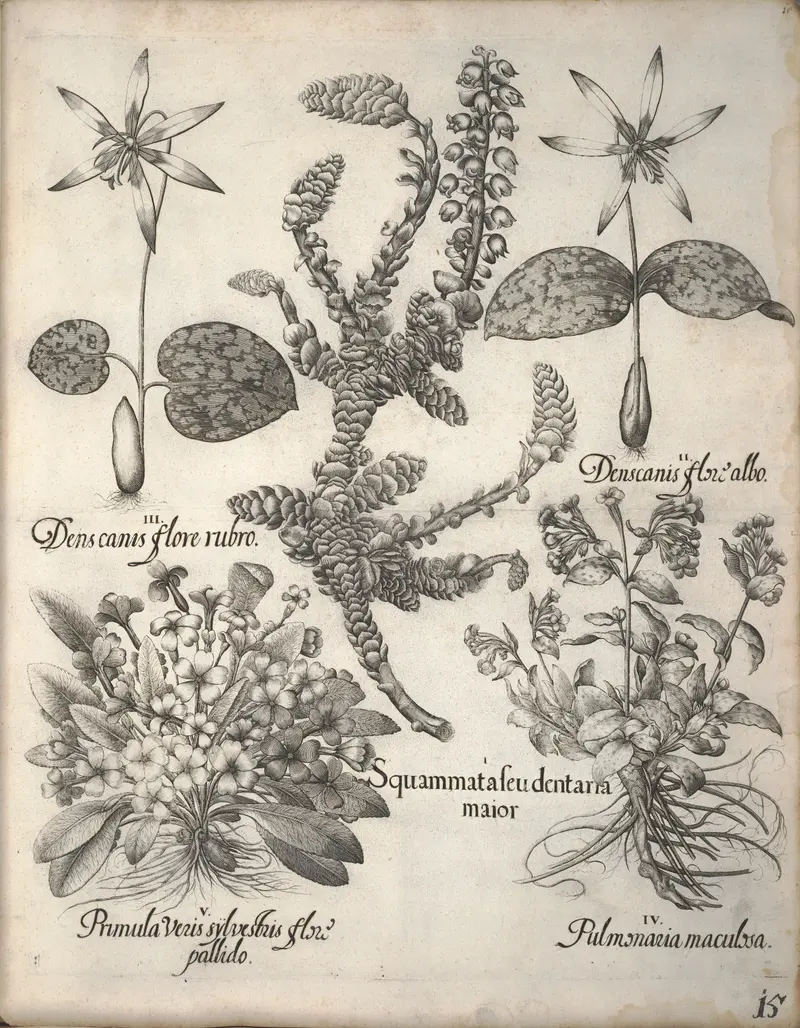
Spring Garden, Plate 15 (Hortus Eystettensis)
Basilius Besler
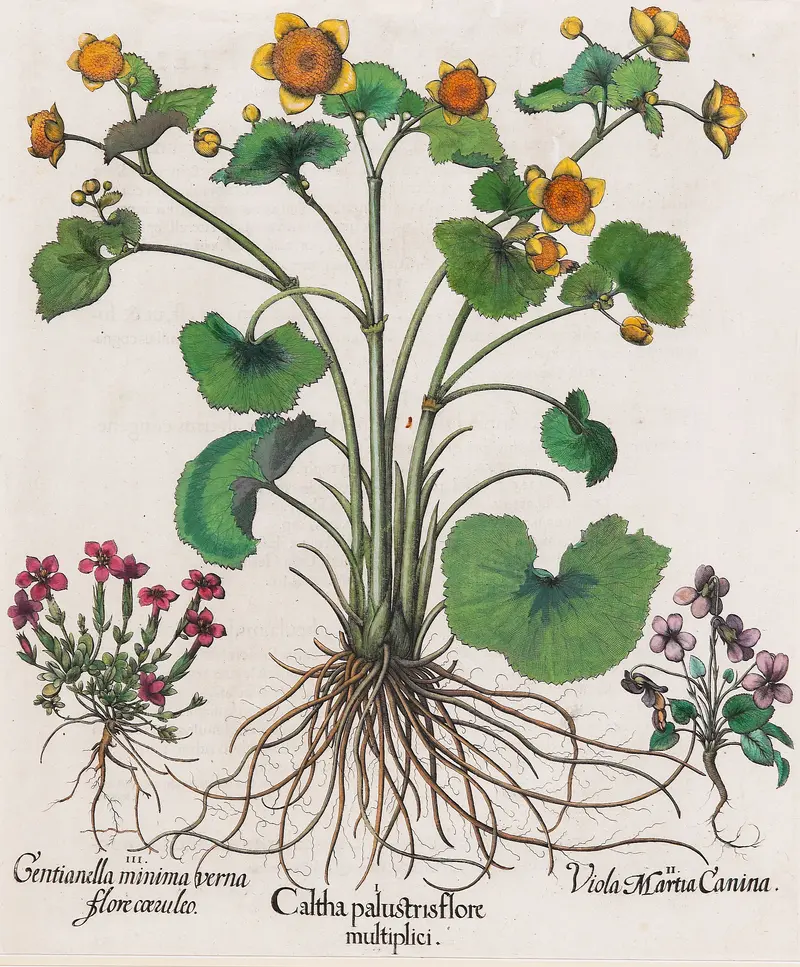
Marsh Marigold (Caltha palustris)
Basilius Besler

Tulips (Hortus Eystettensis)
Basilius Besler

Tulips II (Hortus Eystettensis)
Basilius Besler

Snapdragons (Antirrhinum)
Basilius Besler
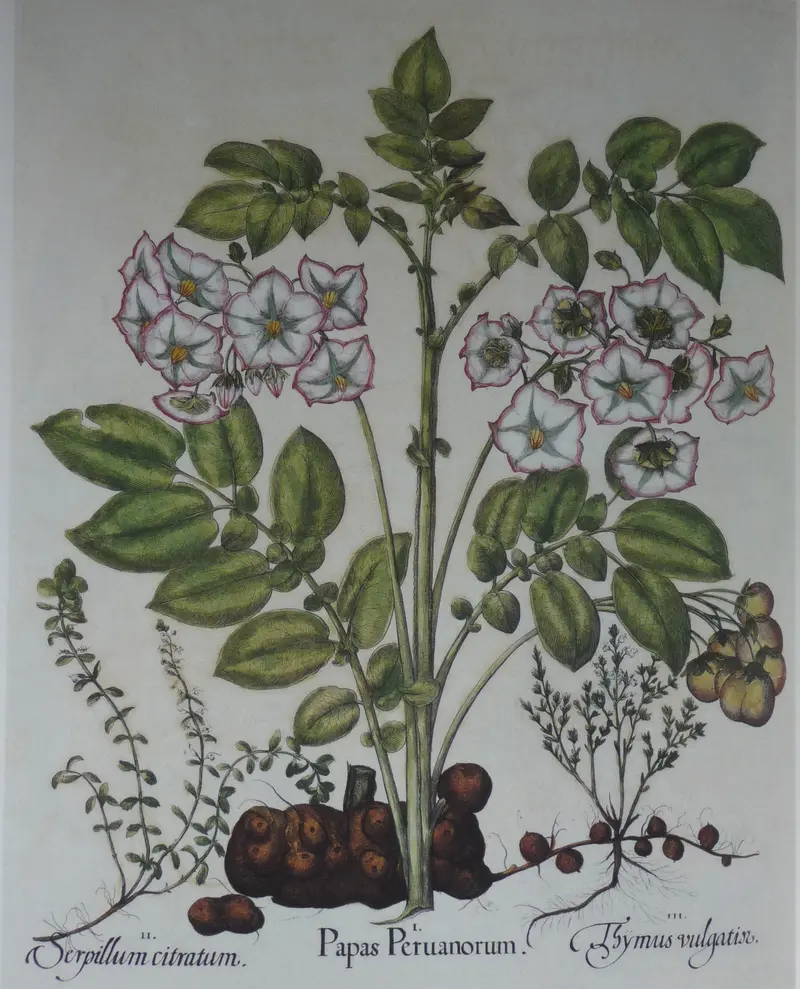
Peruvian Potato Flower (Papas Peruanorum)
Basilius Besler
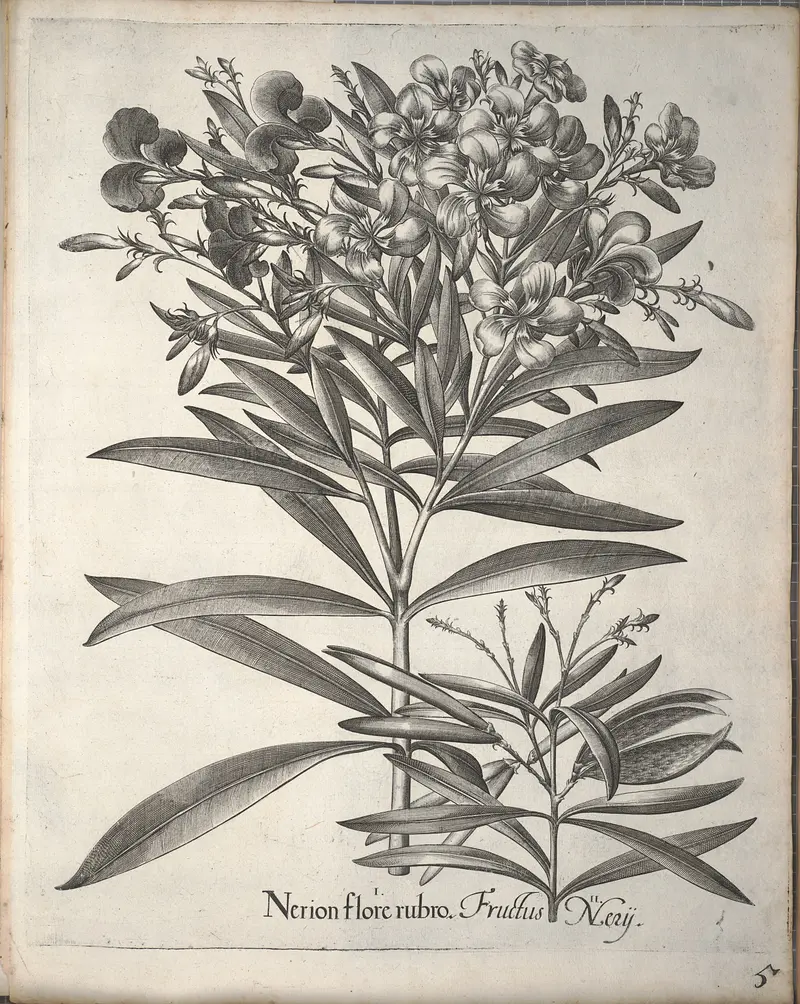
Summer Garden, Plate 5 (Hortus Eystettensis)
Basilius Besler
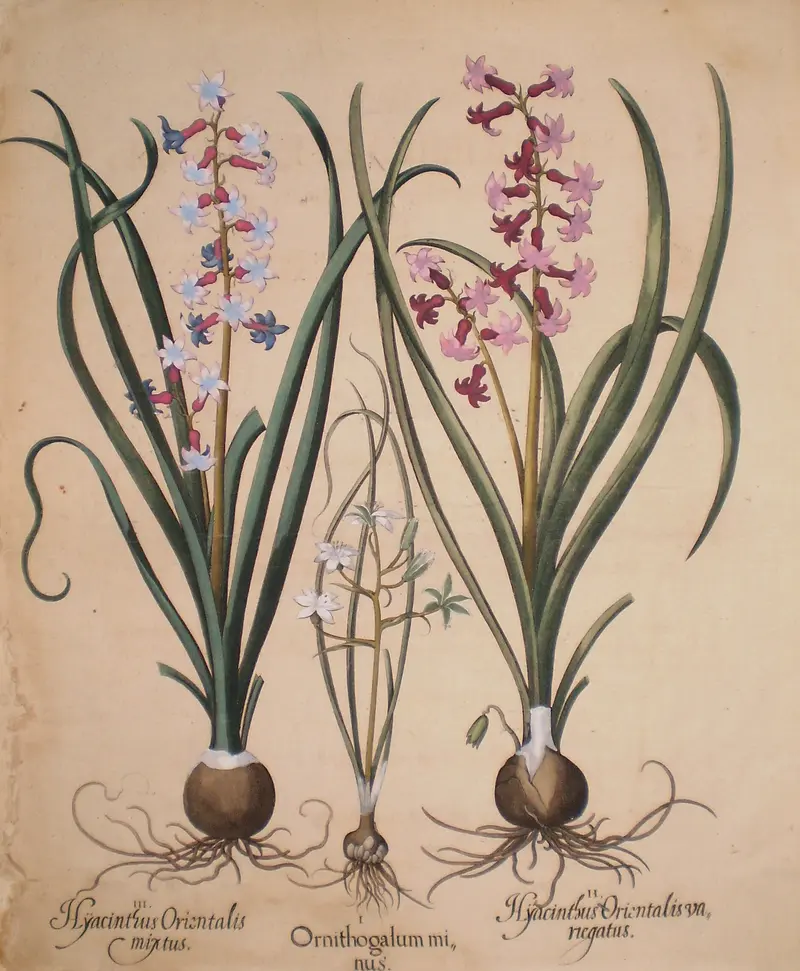
Hyacinths and Star-of-Bethlehem
Basilius Besler
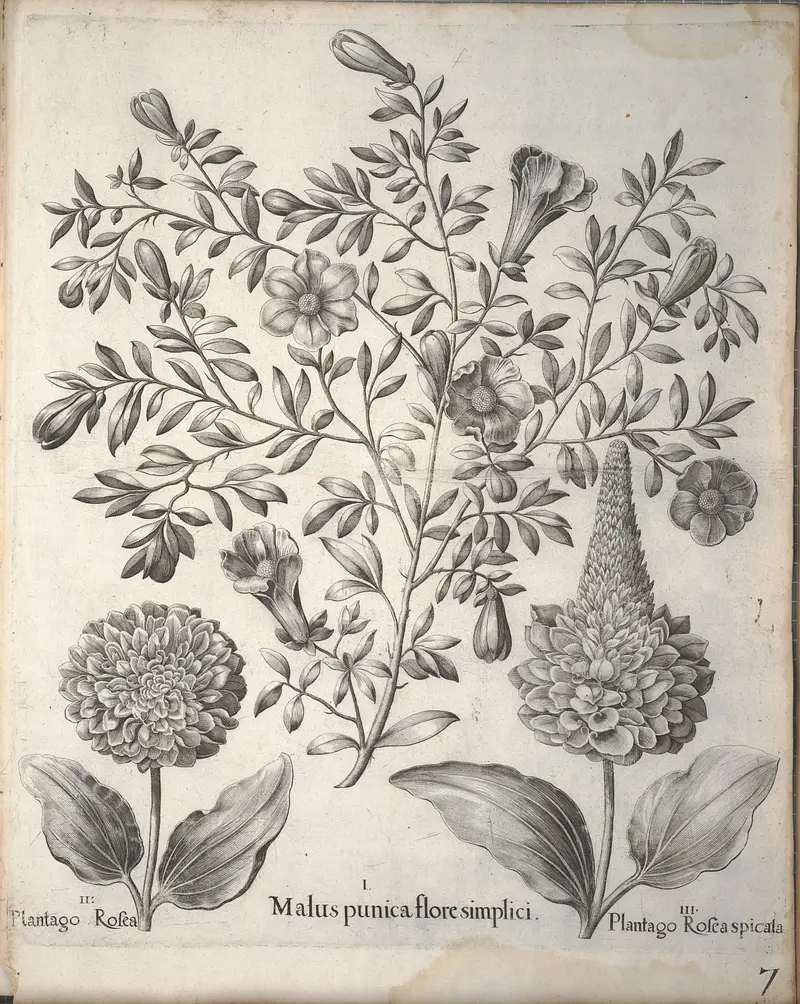
Summer Garden, Plate 7 (Hortus Eystettensis)
Basilius Besler
Spring Garden, Plate 6 (Hortus Eystettensis)
Basilius Besler