Autumn Garden, Plate 46 (Hortus Eystettensis) — History & Facts
What first grips the viewer in this plate is the sense of careful attention lavished on each root and petal, as if the artist were inviting us to marvel at the quiet drama of a garden in autumn. The five plants stand almost as portraits, each isolated yet alive with detail: the curling roots anchor them to the page, while the leaves and blossoms seem to reach outward, animated by invisible breezes. The eye is drawn from the bell-shaped blooms of the Pseudo Helleborus niger to the clustered, rounded leaves of the Caltha palustris, and then to the intricate sprays of the Borrago Minima at the center.
Light and shadow are rendered with a precision that turns each specimen into a study of structure and character, not just a record of species but a celebration of their individuality. Created in 1640, this plate belongs to a world where scientific curiosity and artistic skill were intertwined, especially in the great botanical works of the early modern era. Such illustrations were not only practical tools for scholars and apothecaries, but also symbols of knowledge and status for the wealthy collectors who commissioned them. The Hortus Eystettensis, from which this plate comes, is among the most ambitious of these projects, capturing the diversity of a single garden in a time before photography.
History has kept few traces of the individual stories behind each page, but the survival of this print in a modern collection invites us to linger over the artistry that once brought the living garden onto the printed page—each line a bridge between science and wonder.
More Artworks by Basilius Besler
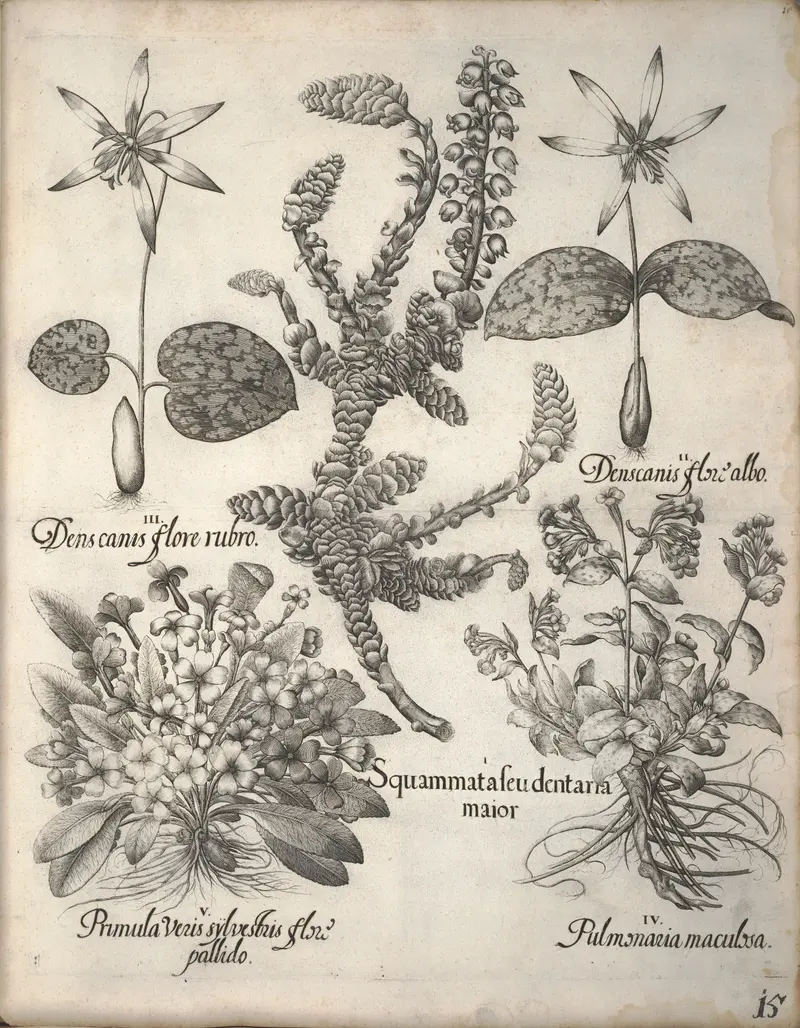
Spring Garden, Plate 15 (Hortus Eystettensis)
Basilius Besler
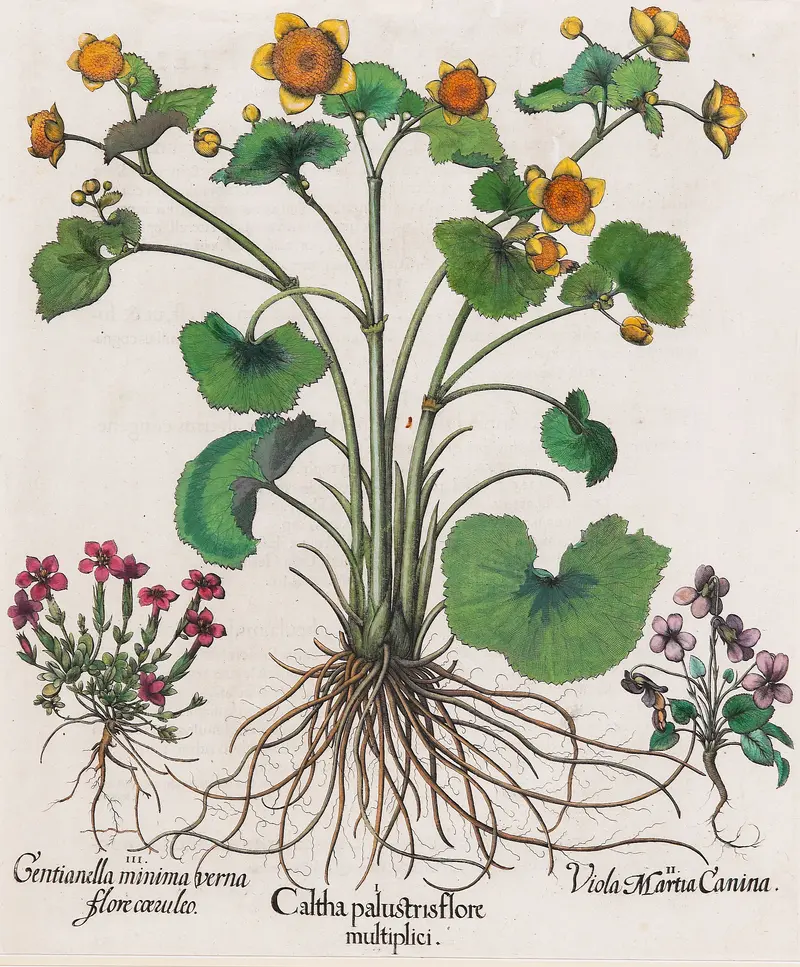
Marsh Marigold (Caltha palustris)
Basilius Besler

Tulips (Hortus Eystettensis)
Basilius Besler

Tulips II (Hortus Eystettensis)
Basilius Besler

Snapdragons (Antirrhinum)
Basilius Besler
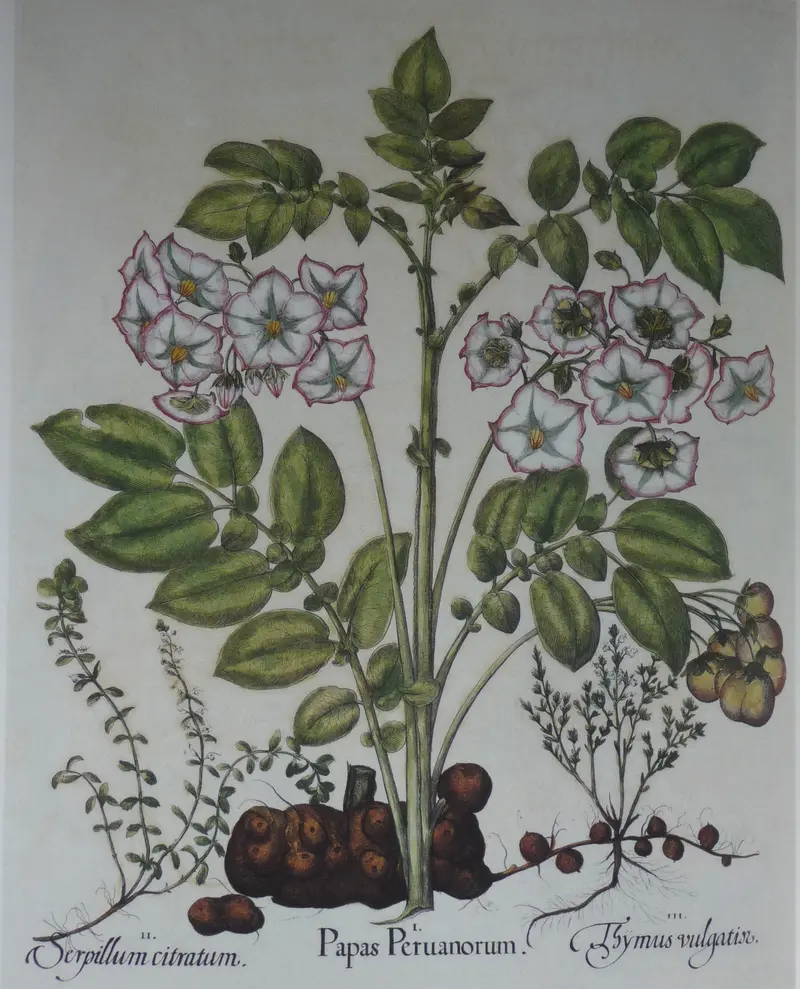
Peruvian Potato Flower (Papas Peruanorum)
Basilius Besler
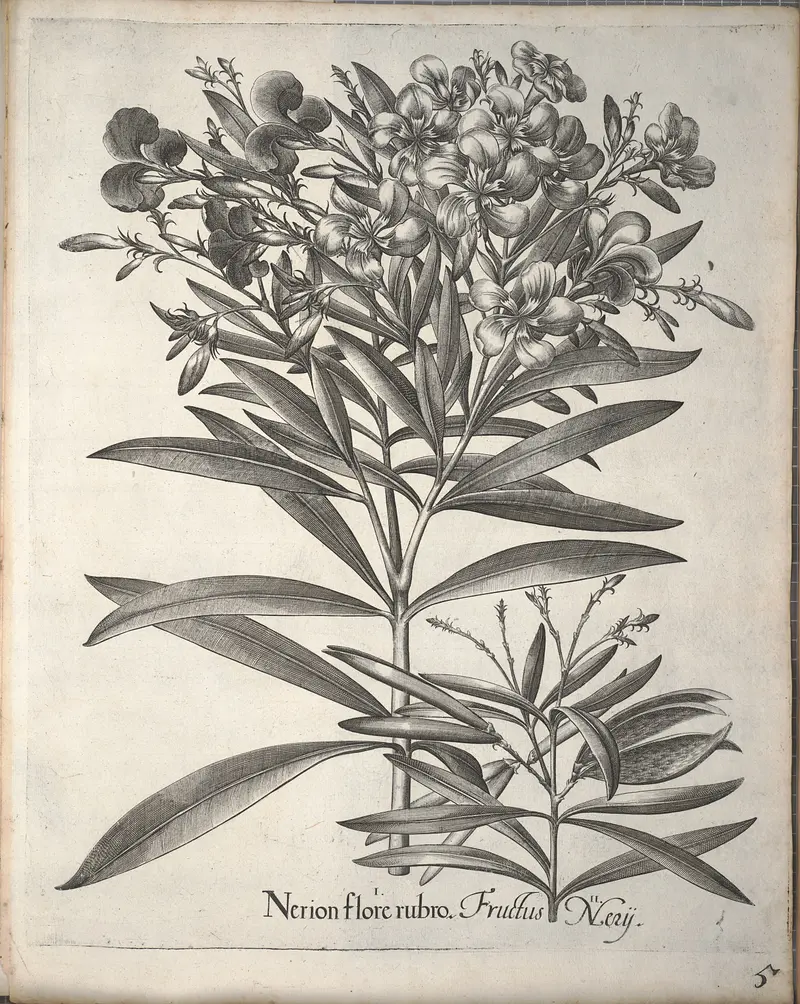
Summer Garden, Plate 5 (Hortus Eystettensis)
Basilius Besler
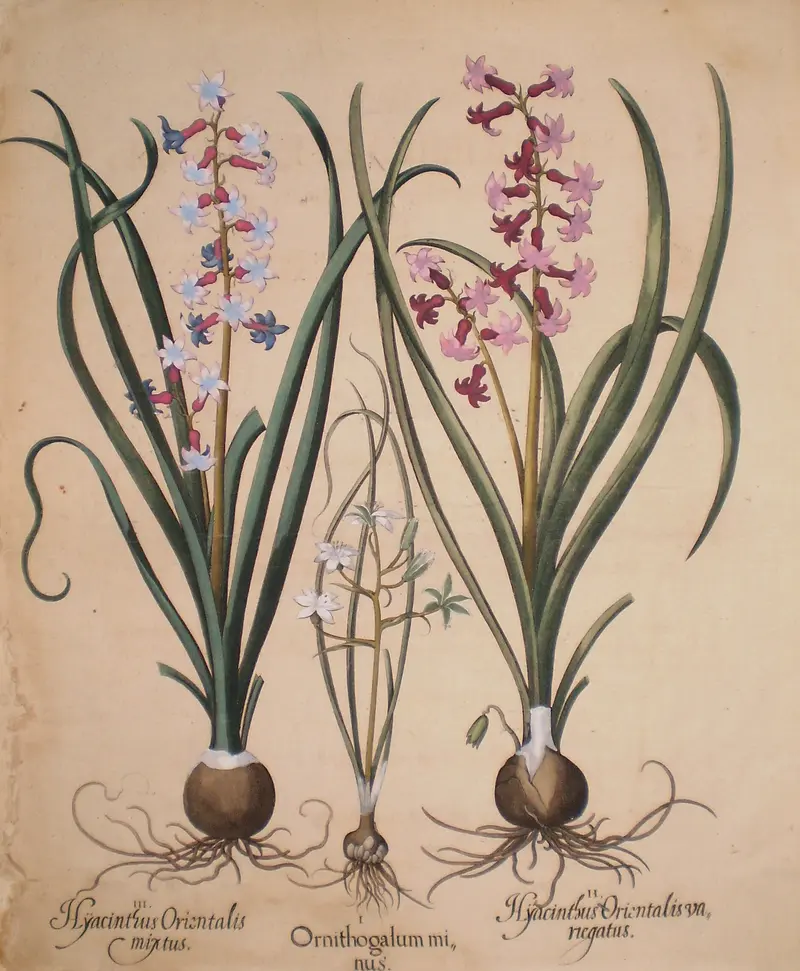
Hyacinths and Star-of-Bethlehem
Basilius Besler
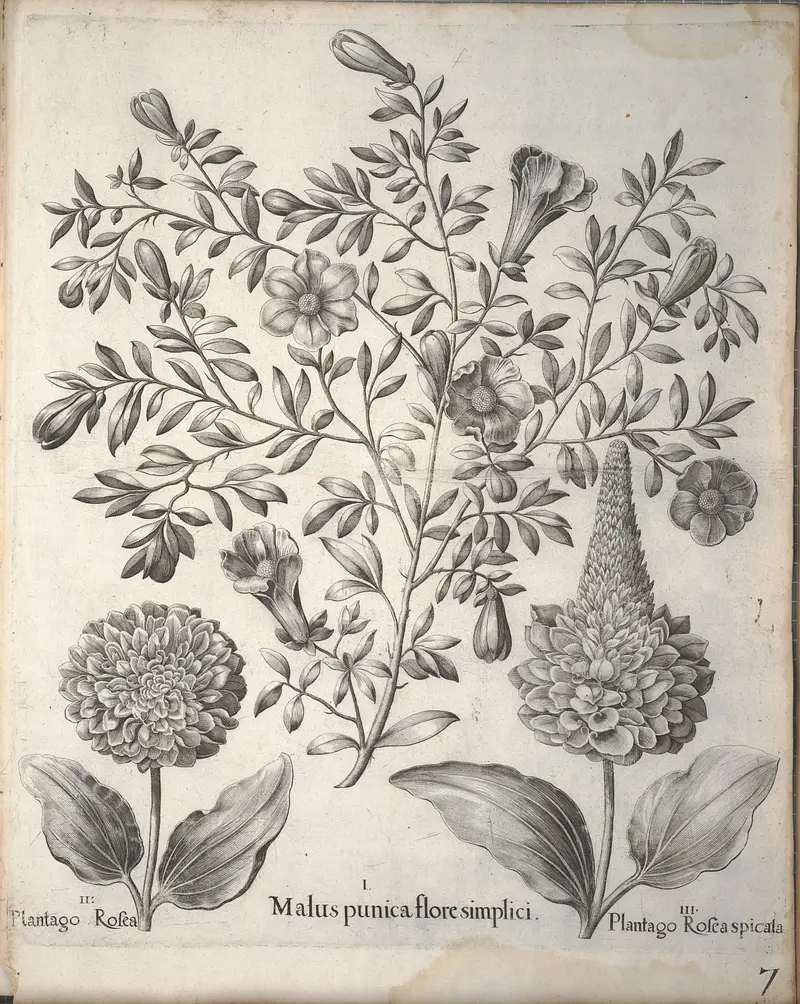
Summer Garden, Plate 7 (Hortus Eystettensis)
Basilius Besler
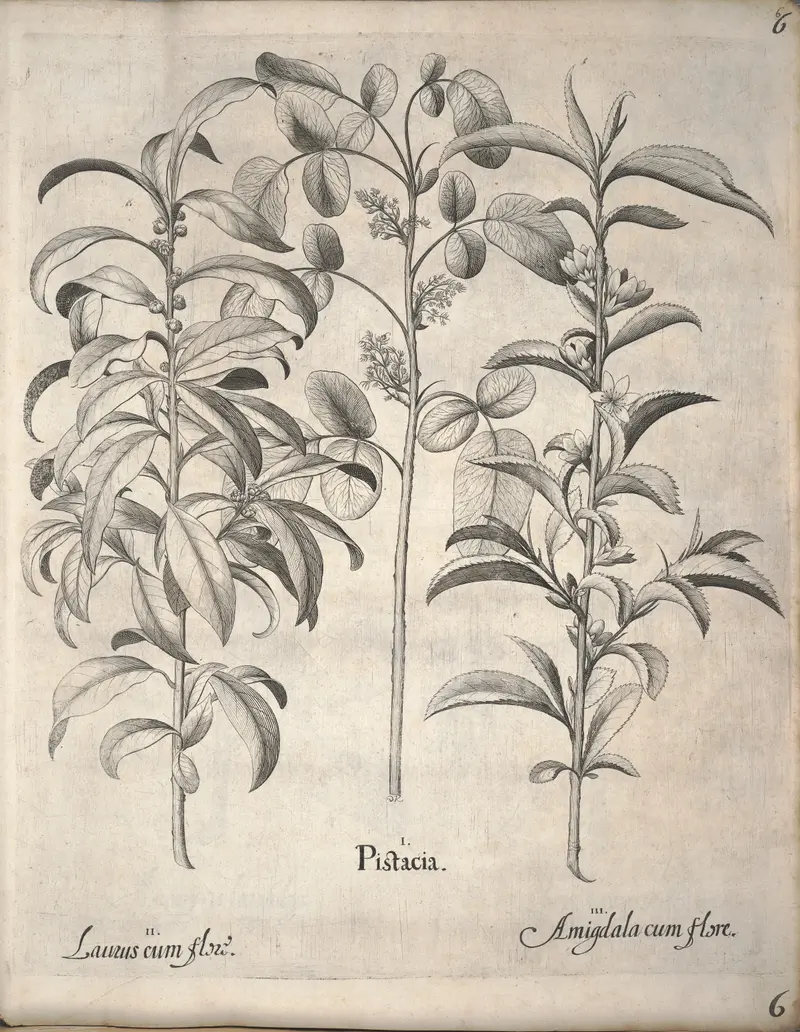
Spring Garden, Plate 6 (Hortus Eystettensis)
Basilius Besler