Autumn Garden, Plate 47 (Hortus Eystettensis) — History & Facts
What first seizes the eye in this plate is the fearless clarity with which each plant is laid bare, roots and all, as if the earth itself had been peeled away for our inspection. The artist’s hand lingers over every tendril and leaf, rendering the Aconitum hyemale, Petasites flore albo, and Petalites with a precision that feels almost surgical. The roots twist and sprawl, not hidden or decorative, but central—inviting us to see the plant as a living organism rather than a mere ornament.
The careful hatching and crosshatching lend the forms a sculptural solidity, while the bold Latin names float above, anchoring these specimens in the world of learned inquiry. There is a quiet drama in the way the uppermost blossoms seem to reach for the light, while the tangled roots below remind us of the unseen struggles beneath the surface. This plate, dated 1640 and included as Plate 47 in the Hortus Eystettensis, belongs to a world where art and science were inseparable partners. Botanical illustration in this era was a tool of both scholarship and prestige, often commissioned by noble patrons eager to display their gardens and their erudition.
The Hortus Eystettensis—a monumental florilegium—was one of the crowning achievements of early modern botanical publishing, its pages intended to educate, astonish, and endure. Little is recorded about the journey of this specific plate, but its survival in a modern digital archive is a testament to the enduring allure of careful observation. Each time you return to the image, let your eye wander from the crisp edges of the petals to the deep, searching roots, and imagine the world of curiosity and ambition that first brought these forms to paper.
More Artworks by Basilius Besler
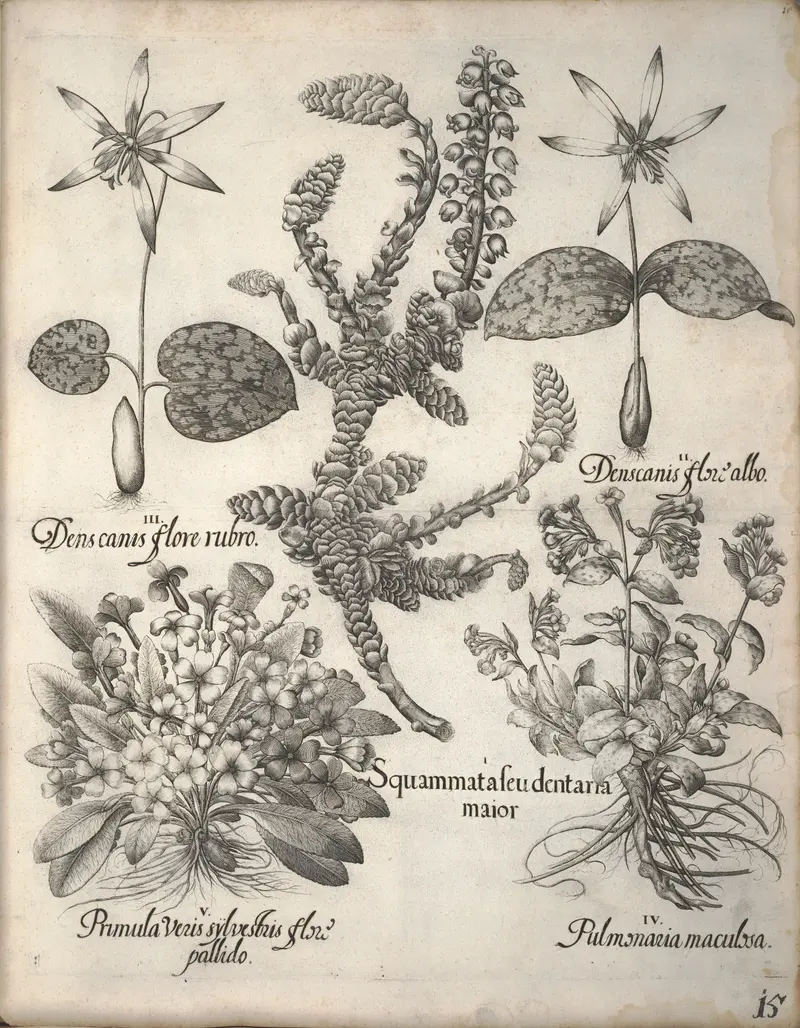
Spring Garden, Plate 15 (Hortus Eystettensis)
Basilius Besler
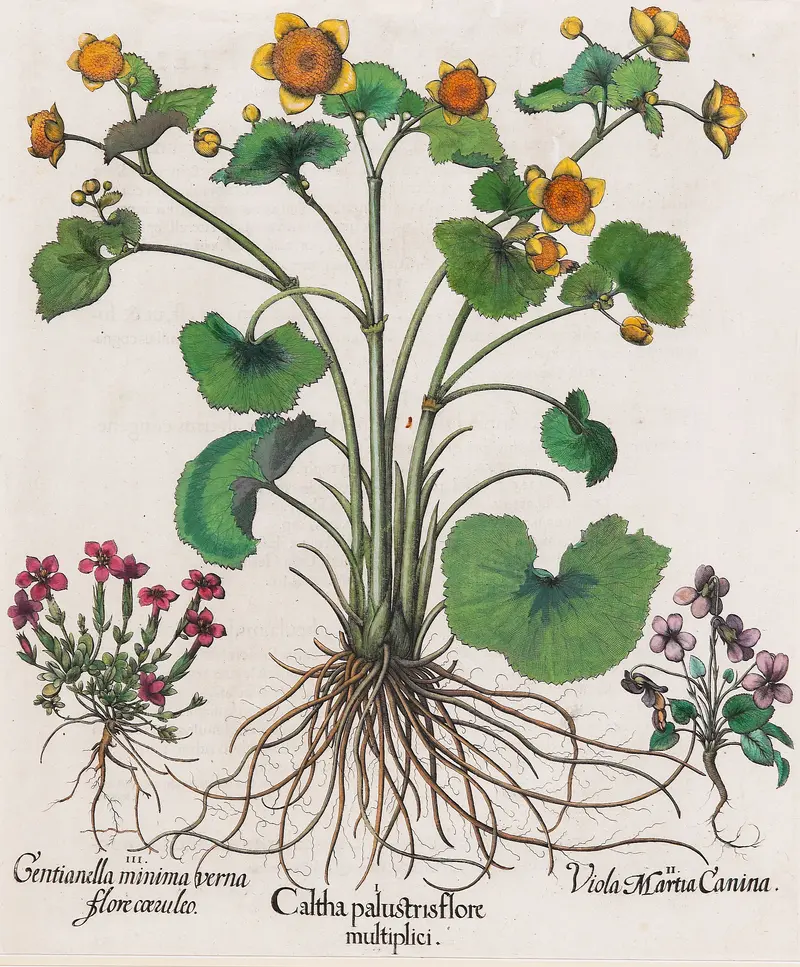
Marsh Marigold (Caltha palustris)
Basilius Besler

Tulips (Hortus Eystettensis)
Basilius Besler

Tulips II (Hortus Eystettensis)
Basilius Besler

Snapdragons (Antirrhinum)
Basilius Besler
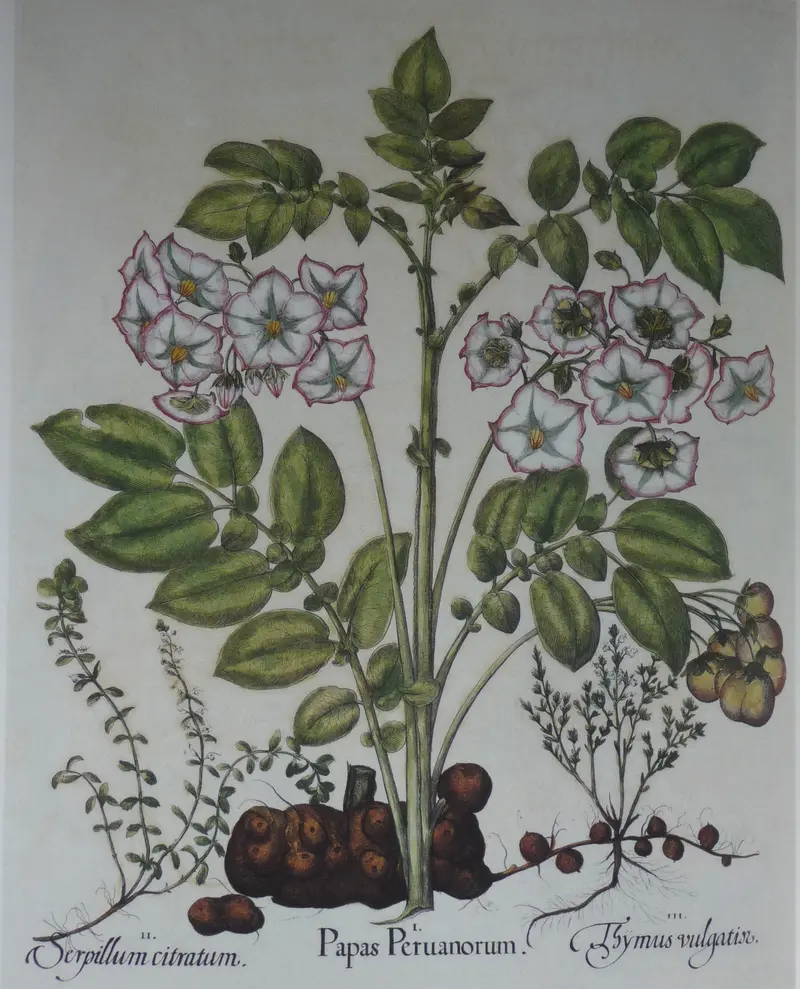
Peruvian Potato Flower (Papas Peruanorum)
Basilius Besler
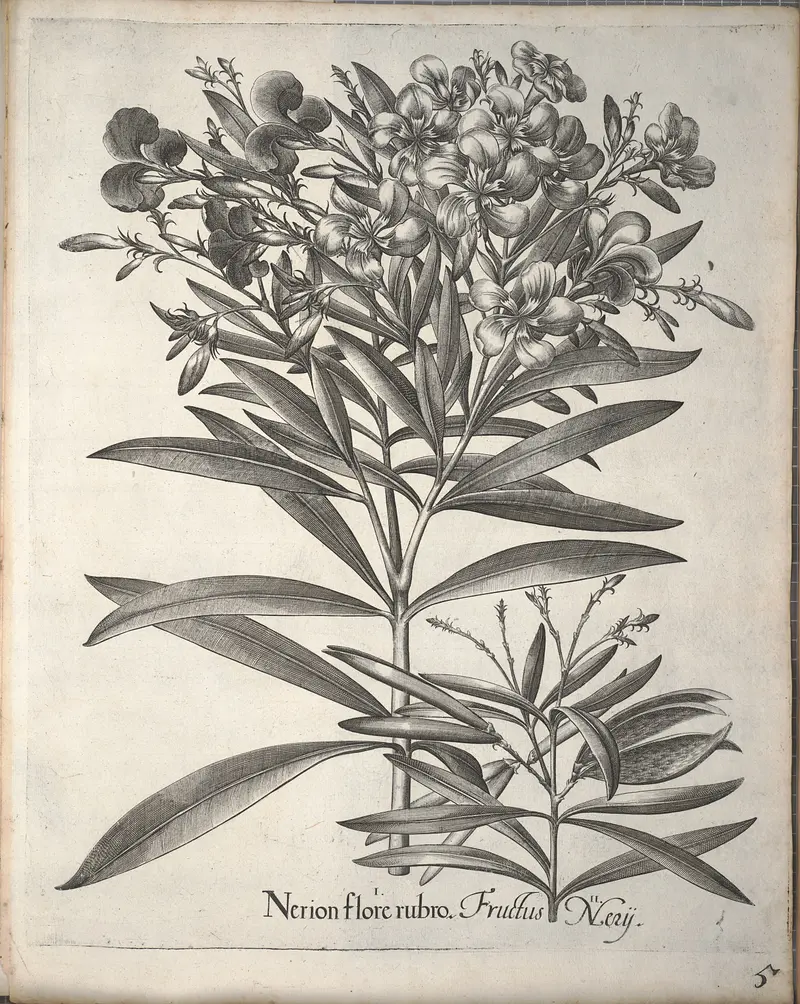
Summer Garden, Plate 5 (Hortus Eystettensis)
Basilius Besler
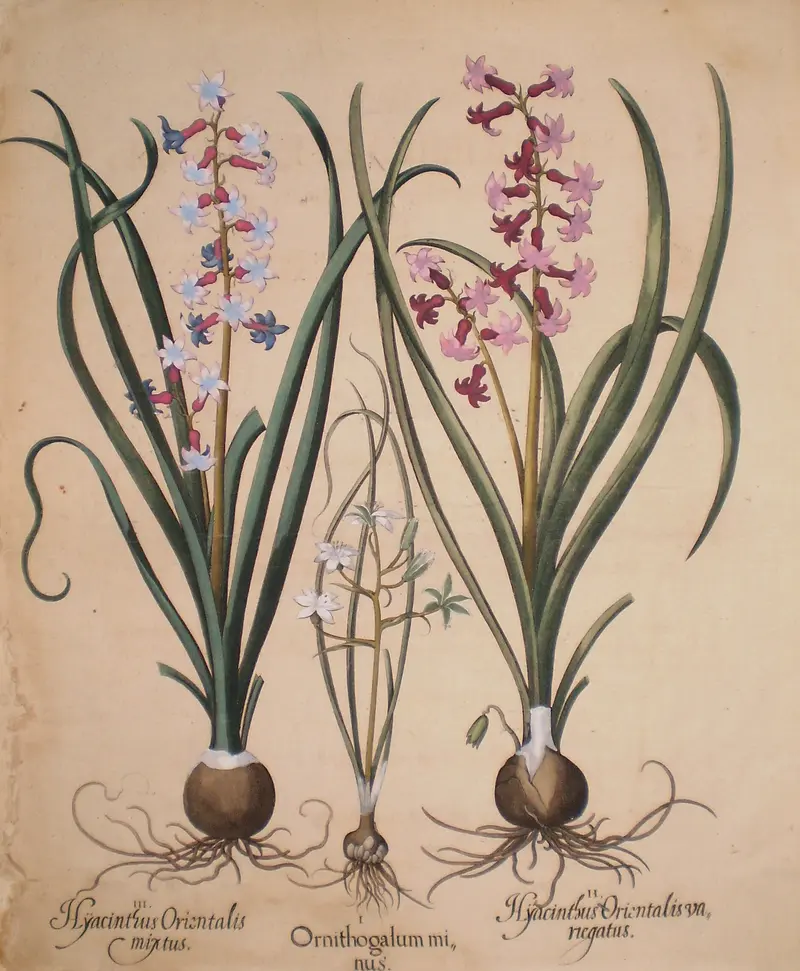
Hyacinths and Star-of-Bethlehem
Basilius Besler
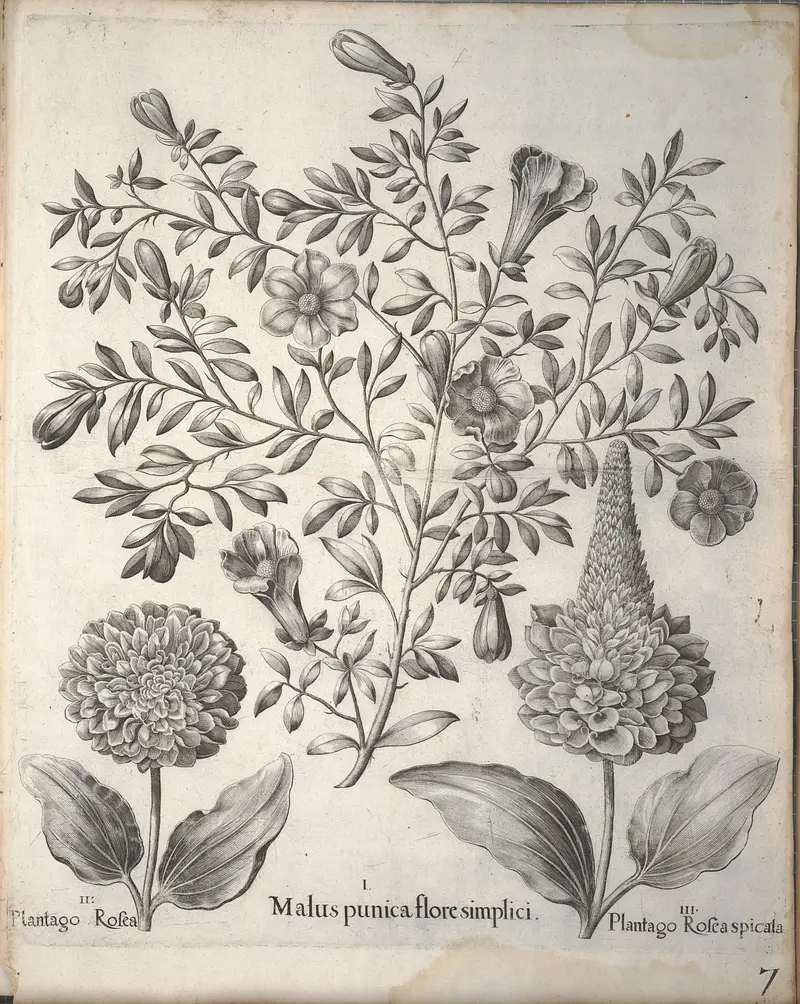
Summer Garden, Plate 7 (Hortus Eystettensis)
Basilius Besler
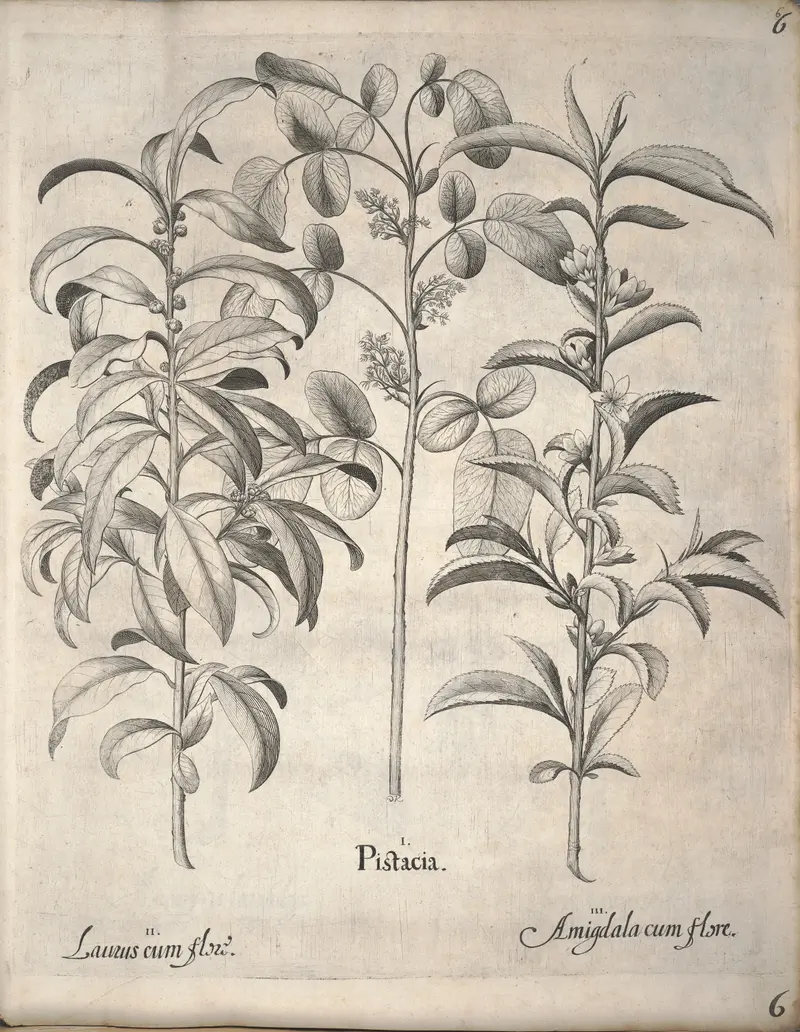
Spring Garden, Plate 6 (Hortus Eystettensis)
Basilius Besler