Autumn Garden, Plate 48 (Hortus Eystettensis) — History & Facts
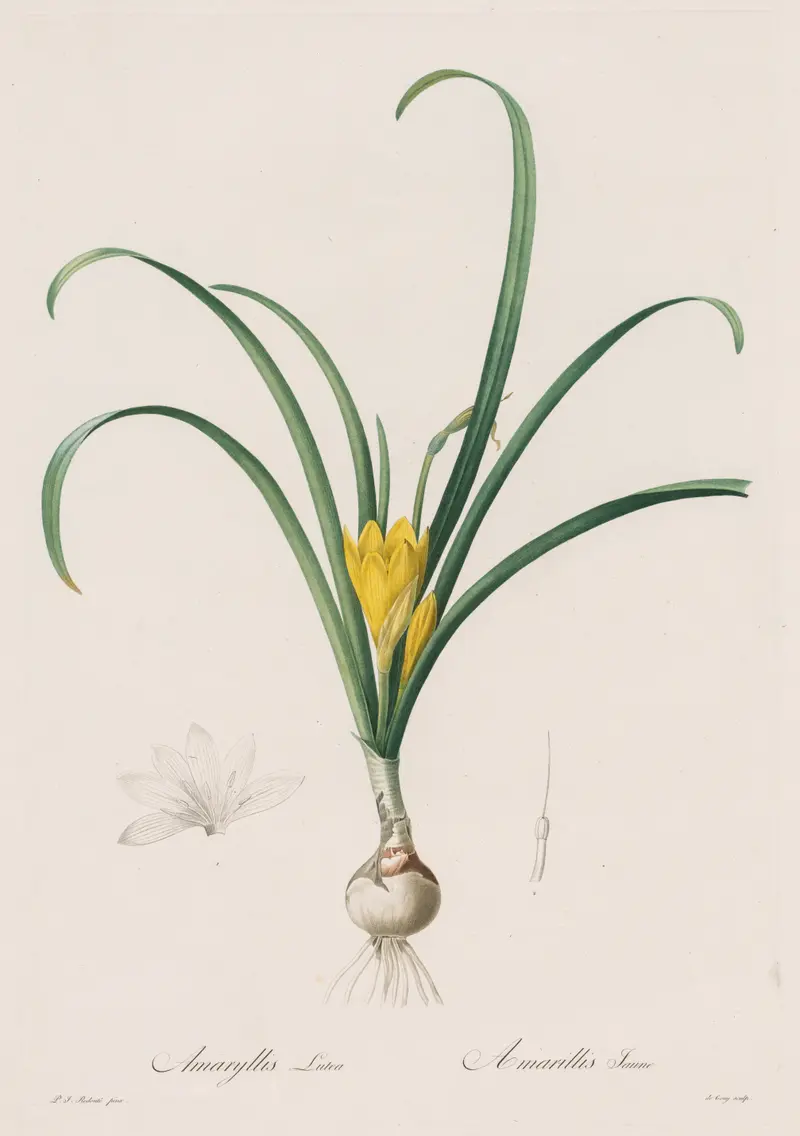
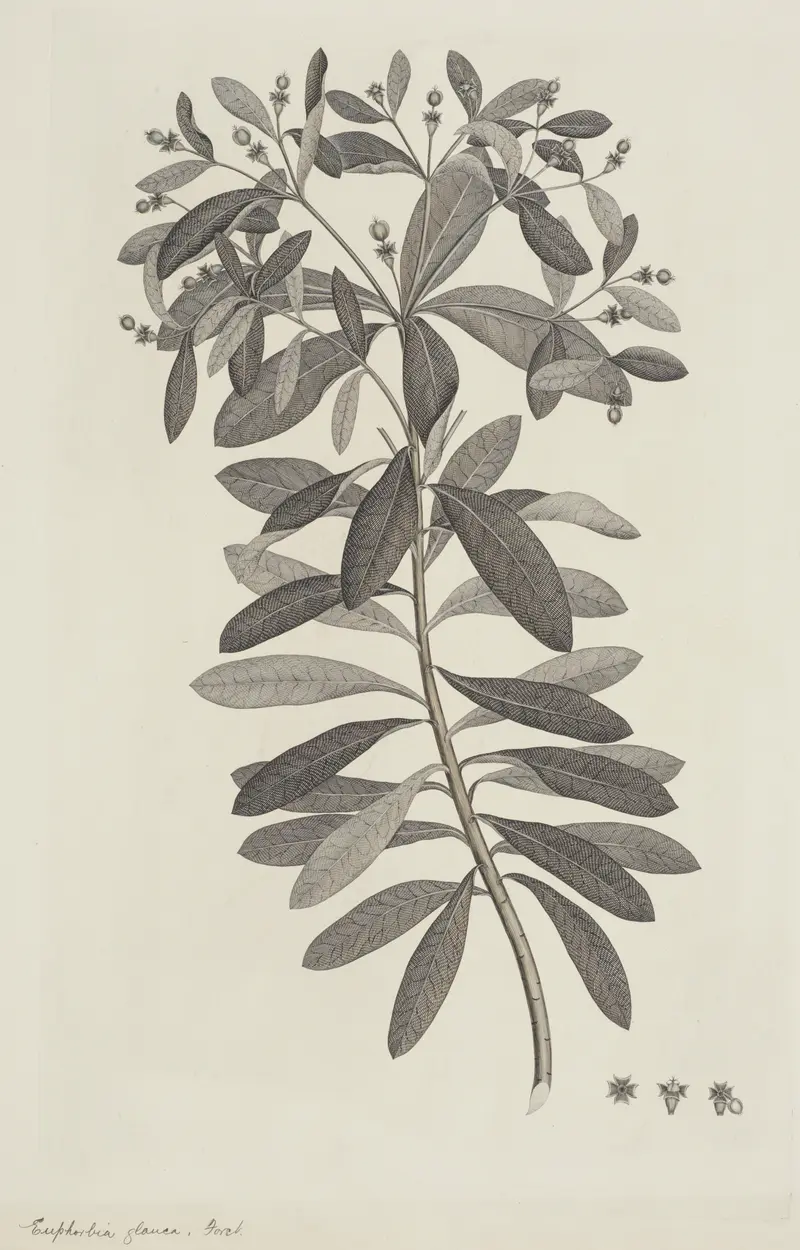
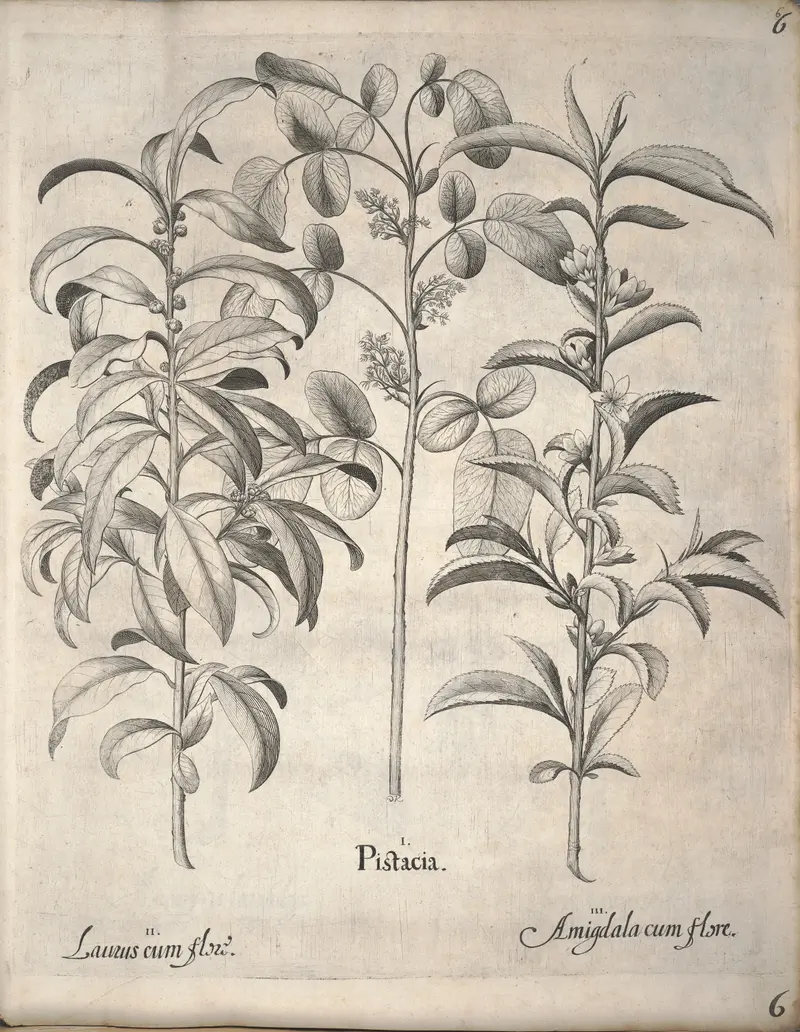
The first thing that catches the eye in this plate is the sheer clarity with which each plant seems to rise from the page, as if plucked from the soil and suspended in time. Every root, stem, and petal is rendered with a precision that invites close study, yet the arrangement feels almost theatrical—each specimen given its own stage, its own personality. The curling roots of the Tussilago anchor the composition at center, while the Pulsatilla varieties lean and twist, their blossoms open to the viewer.
Shadows and light are used not to create drama, but to reveal structure: the fine hairs on a stem, the delicate veining of a leaf. This is not just a record of plants, but a celebration of their individuality, each one posed as if for a portrait. Created in 1640, this plate belongs to a world where art and science were deeply entwined. Botanical illustration was a pursuit of scholars, apothecaries, and noble patrons eager to catalogue the riches of nature with accuracy and beauty.
Basilius Besler’s work, especially in the famed Hortus Eystettensis, stands at the crossroads of Renaissance curiosity and Baroque display, where the garden became a symbol of knowledge and prestige. The detailed Latin labels and the careful composition speak to a time when such images were prized not only for their usefulness in identifying species, but also as objects of wonder. History has kept few traces of the individual hands and patrons behind each plate, but the image itself still draws us in, inviting us to look closer and imagine the world that first demanded such careful attention.
More Artworks by Basilius Besler
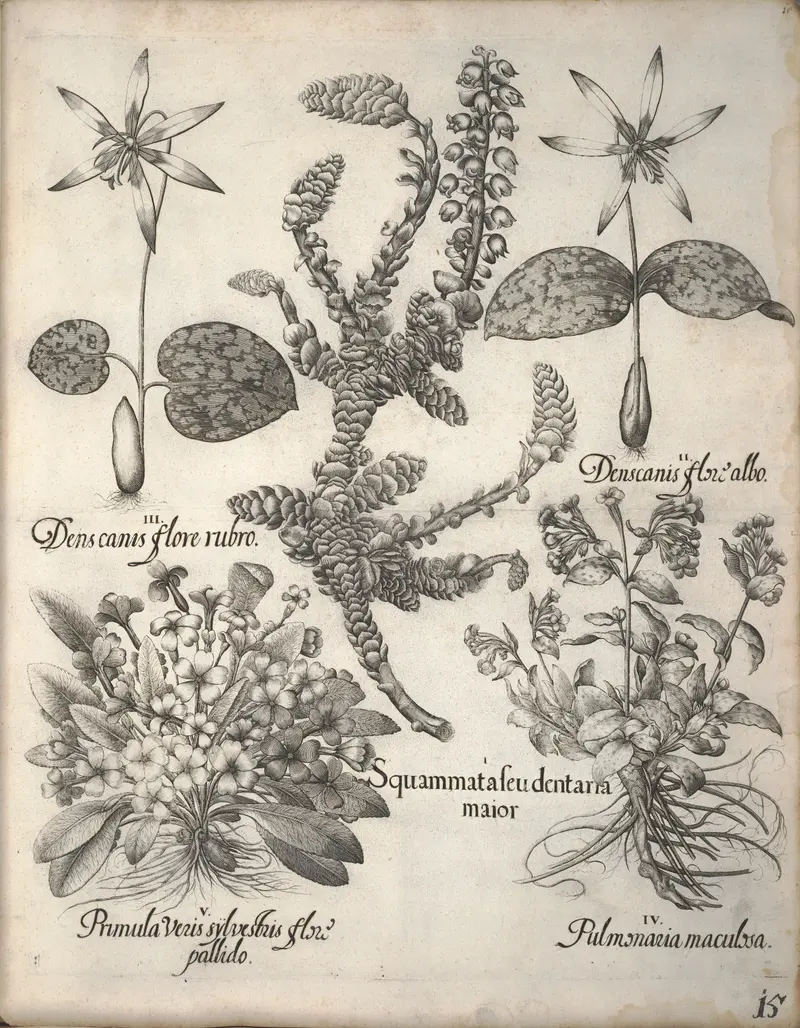
Spring Garden, Plate 15 (Hortus Eystettensis)
Basilius Besler
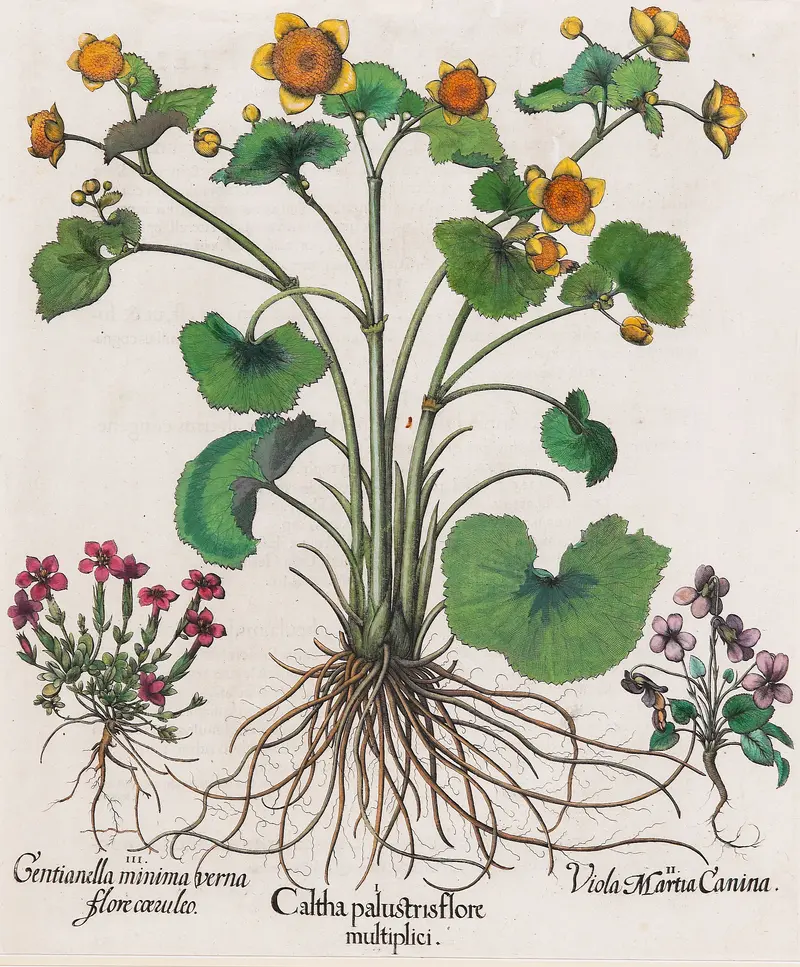
Marsh Marigold (Caltha palustris)
Basilius Besler

Tulips (Hortus Eystettensis)
Basilius Besler

Tulips II (Hortus Eystettensis)
Basilius Besler

Snapdragons (Antirrhinum)
Basilius Besler
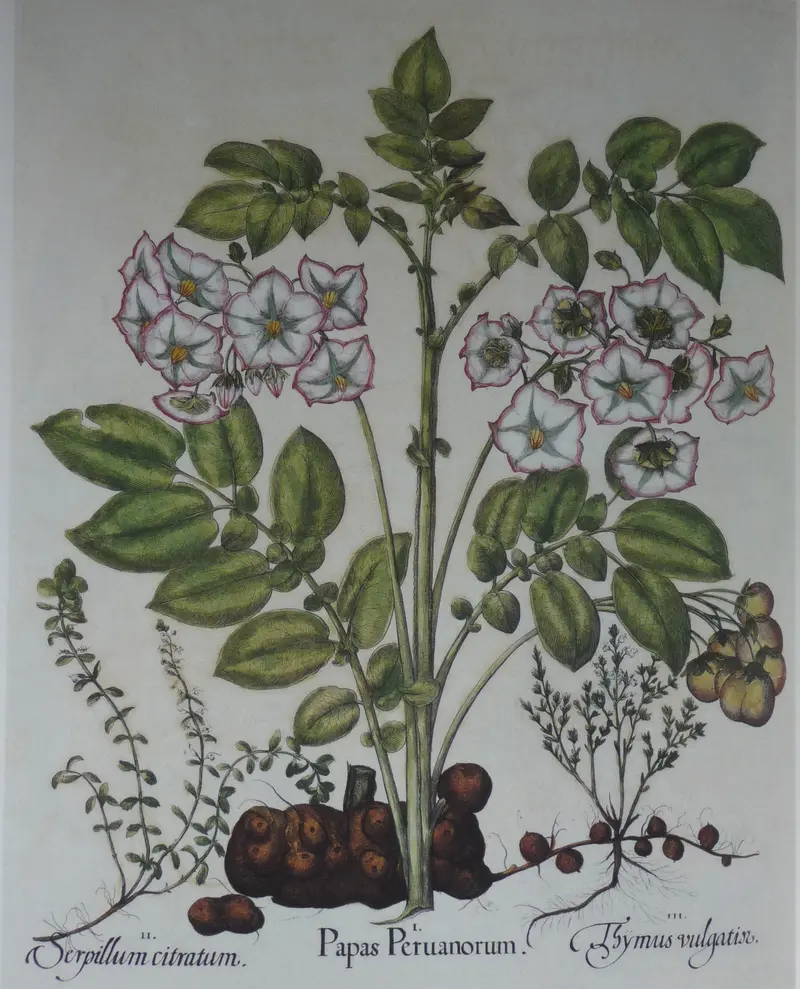
Peruvian Potato Flower (Papas Peruanorum)
Basilius Besler
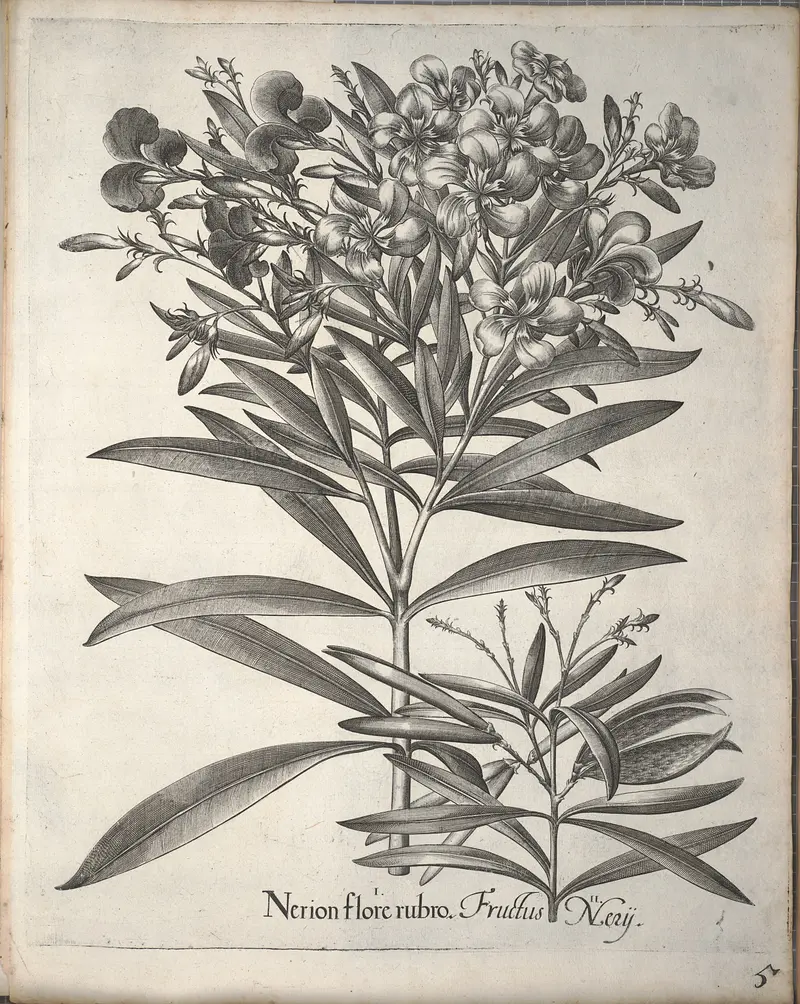
Summer Garden, Plate 5 (Hortus Eystettensis)
Basilius Besler
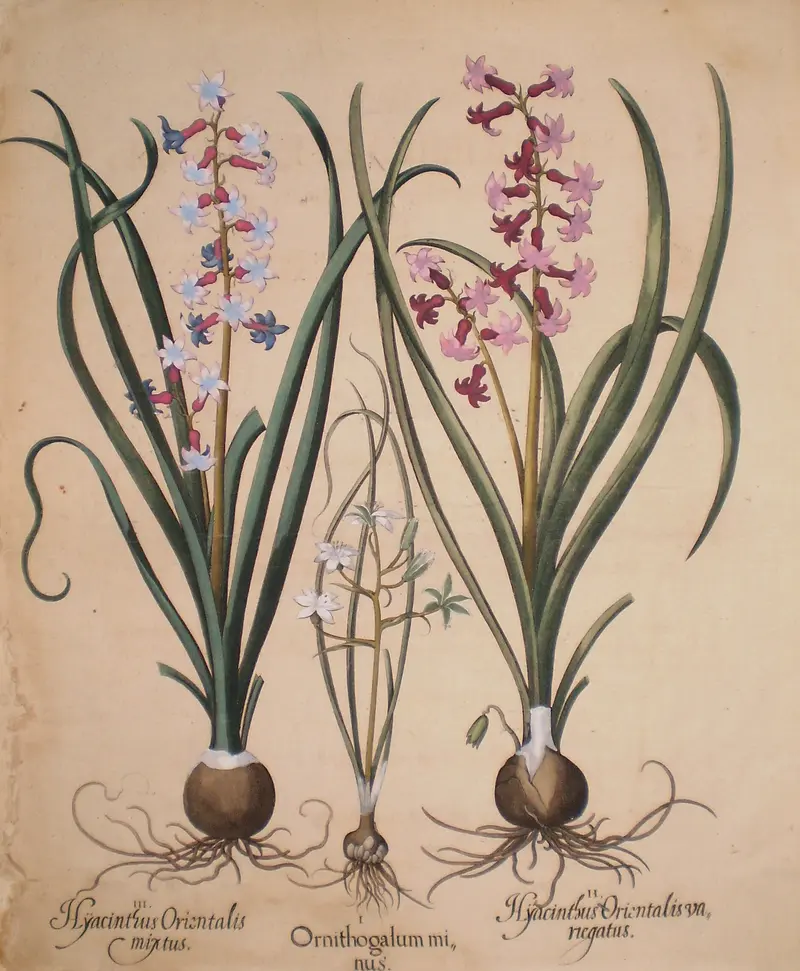
Hyacinths and Star-of-Bethlehem
Basilius Besler
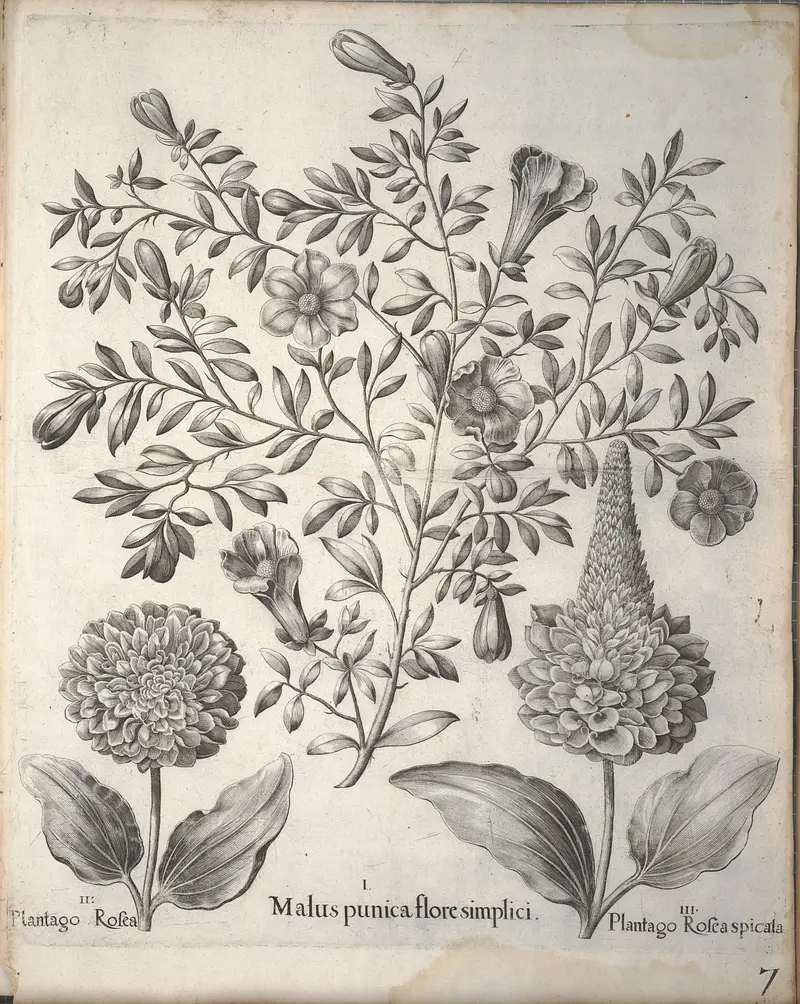
Summer Garden, Plate 7 (Hortus Eystettensis)
Basilius Besler
Spring Garden, Plate 6 (Hortus Eystettensis)
Basilius Besler