
Portrait of Cesáreo María Sáenz y de la Barrera — History & Facts
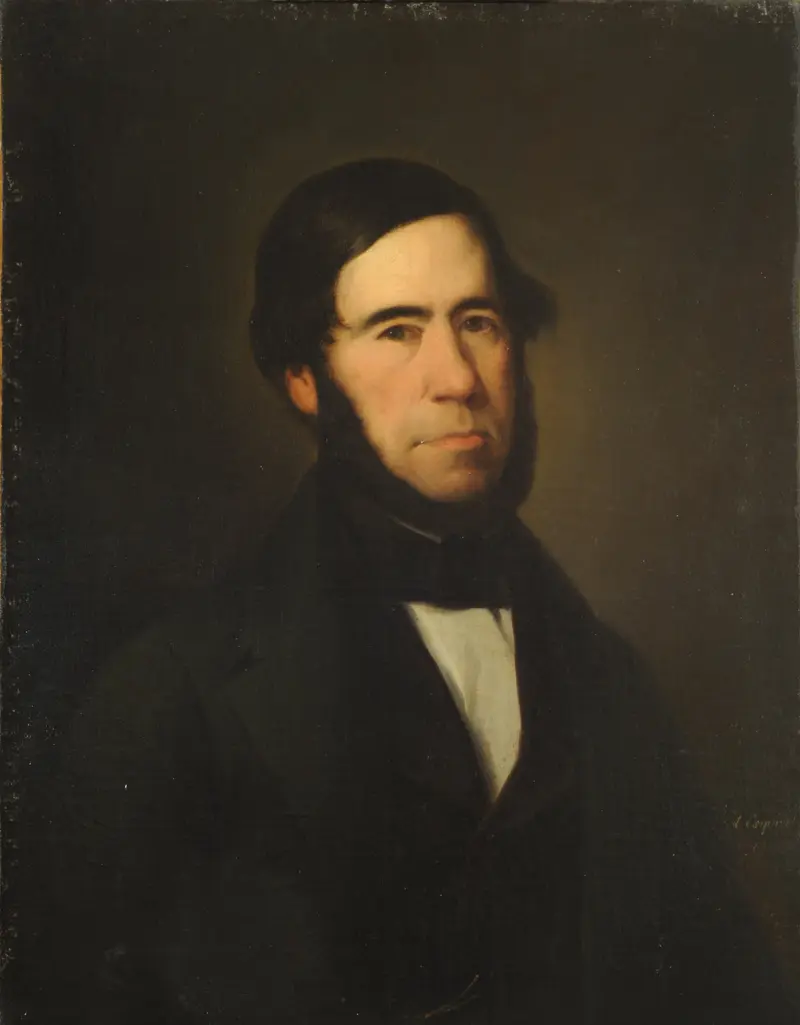
What first commands the viewer’s attention in Portrait of Cesáreo María Sáenz y de la Barrera is the unwavering directness of the sitter’s gaze, framed by the crisp, gold-embroidered uniform and the weight of official decorations. Every detail is marshaled to assert presence and authority: the immaculate gloves, the carefully arranged medals, and the subtle but deliberate placement of the sitter’s hand upon the desk. The light falls squarely on the face and chest, drawing the eye to the insignia of rank and the composed, almost immovable expression.
Behind him, an inkwell and quills hint at the tools of administration, suggesting a life shaped as much by the pen as by ceremonial dress. Painted in 1842 by Antonio Maria Esquivel, this portrait belongs to a world in which public image and social order were meticulously constructed, especially in Spain’s turbulent nineteenth century. Such portraits were often commissioned to commemorate service or to assert one’s place within the shifting hierarchies of court and government. The sober palette and restrained background focus all attention on the man and his office, a hallmark of official portraiture of the period.
While little is recorded about the specific journey of this painting, its survival in a collection today lets us read, in the folds of fabric and the set of the mouth, the ambitions and anxieties of a society in flux. Look again at the sitter’s eyes: there is more than ceremony here—there is a life lived within the boundaries of duty and display.
More Artworks by Antonio Maria Esquivel

Baldomero Espartero
Antonio Maria Esquivel
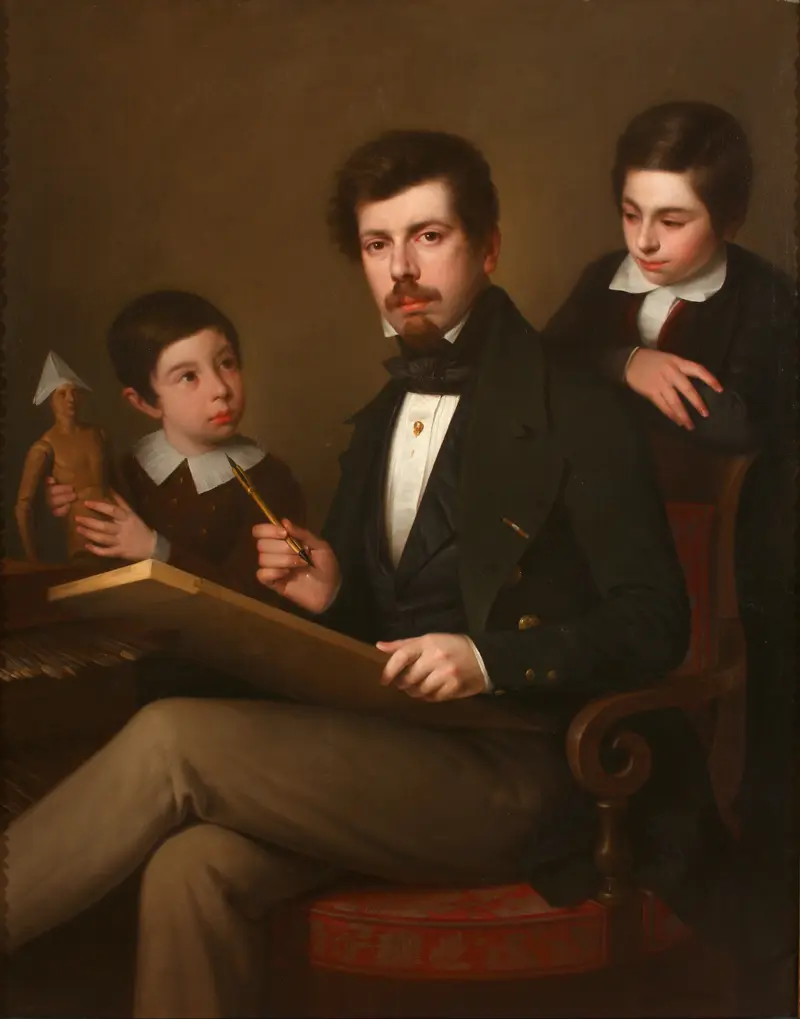
Self-portrait with his sons Carlos and Vicente
Antonio Maria Esquivel
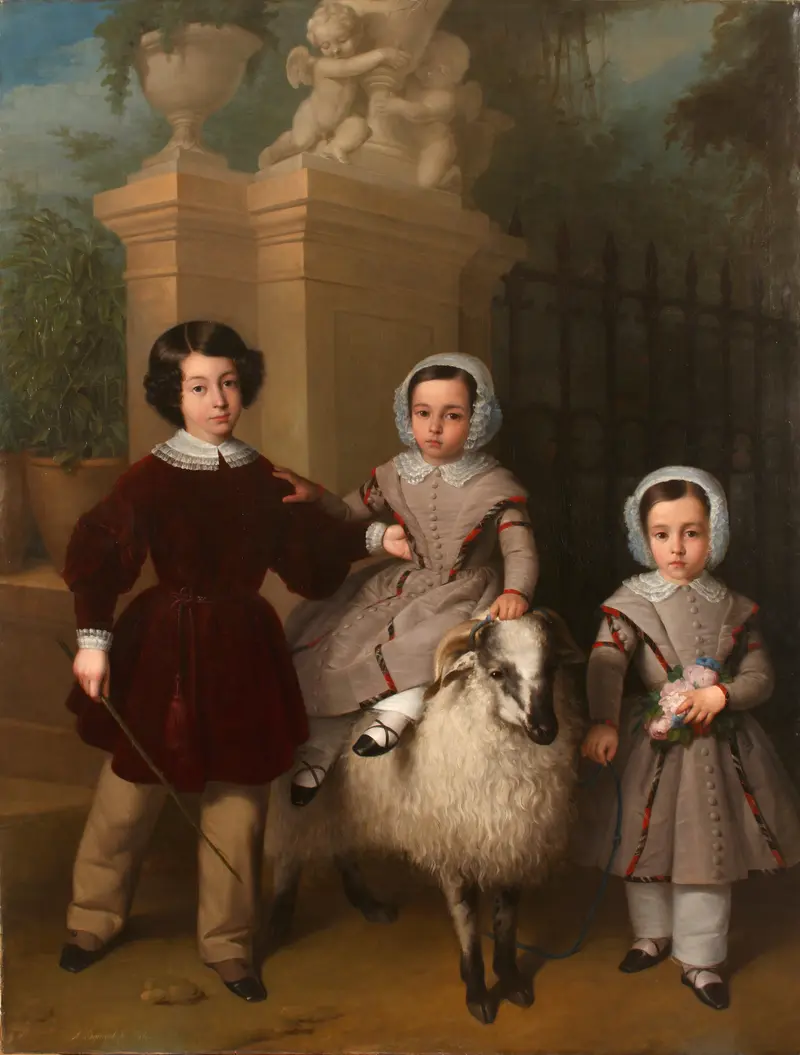
Children playing with a ram
Antonio Maria Esquivel
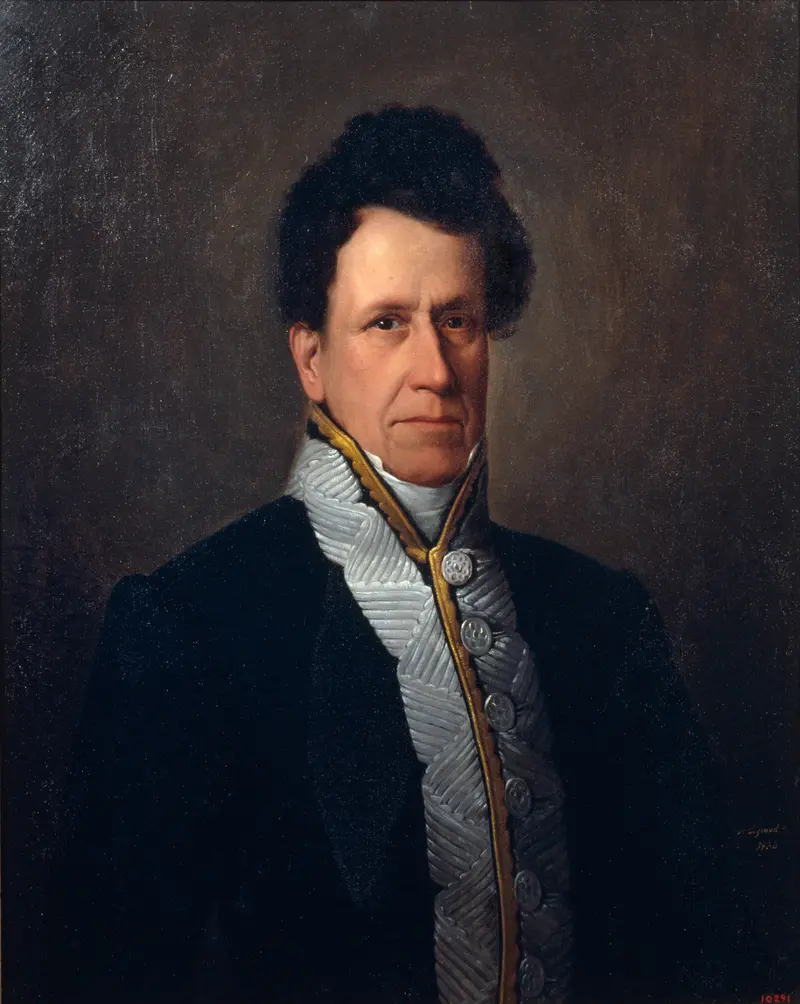
Portrait of Manuel Mª Gutiérrez
Antonio Maria Esquivel
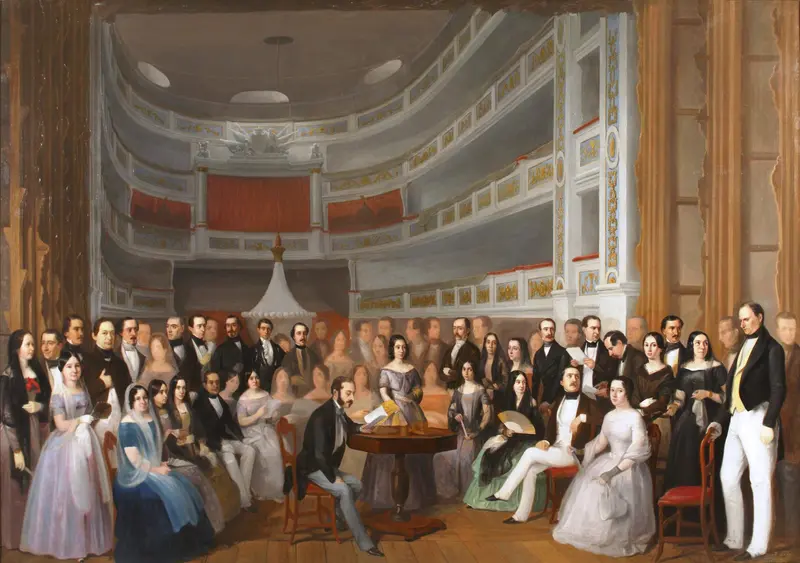
Ventura de la Vega reading a play at the Teatro del Príncipe
Antonio Maria Esquivel
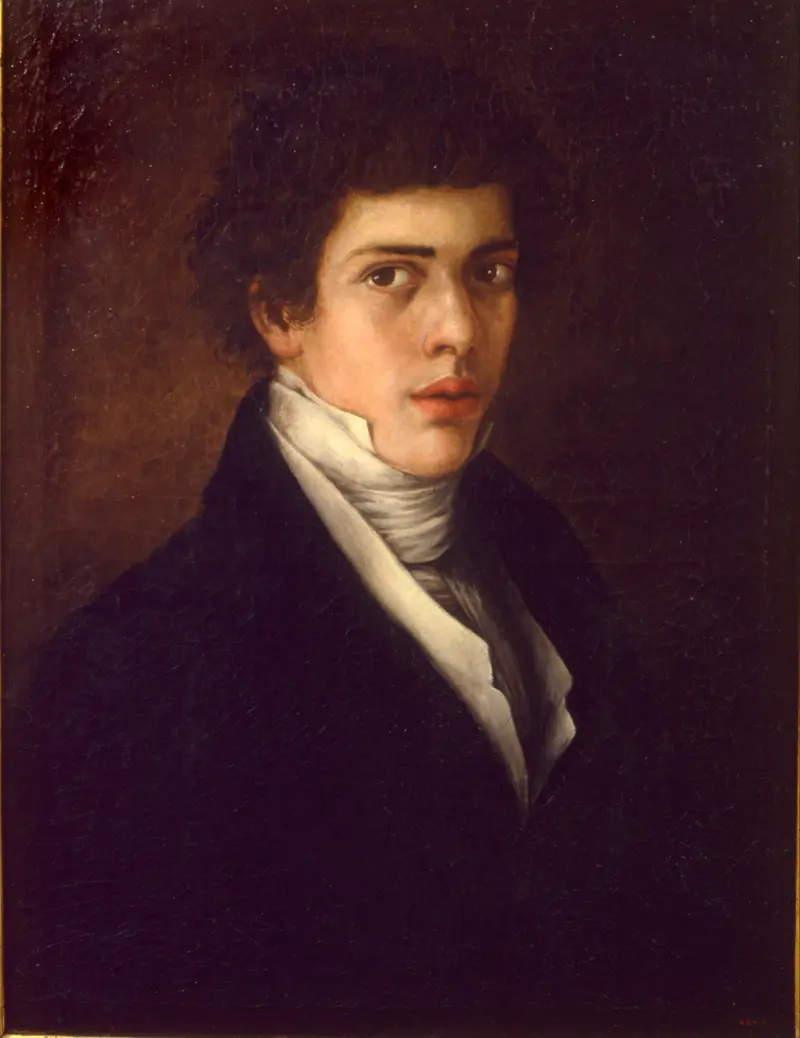
Self-portrait
Antonio Maria Esquivel
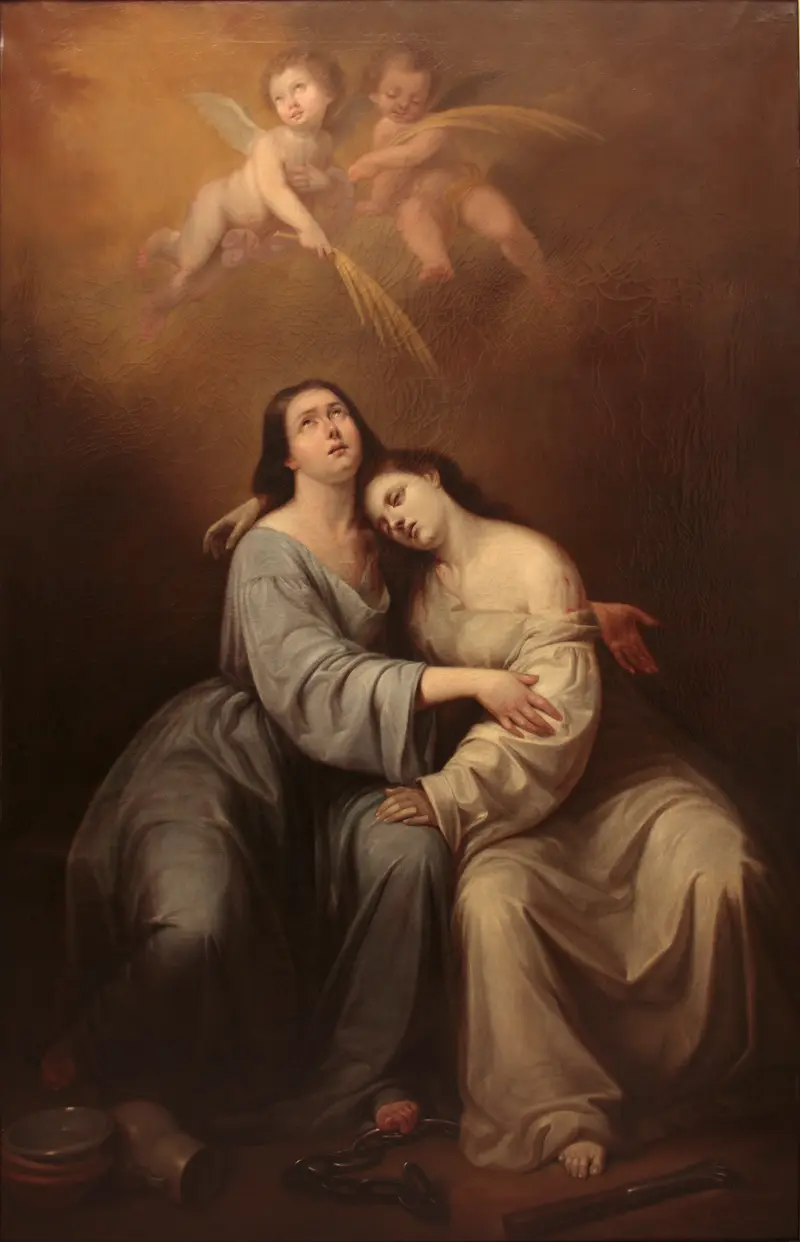
Saint Justa and Saint Rufina
Antonio Maria Esquivel
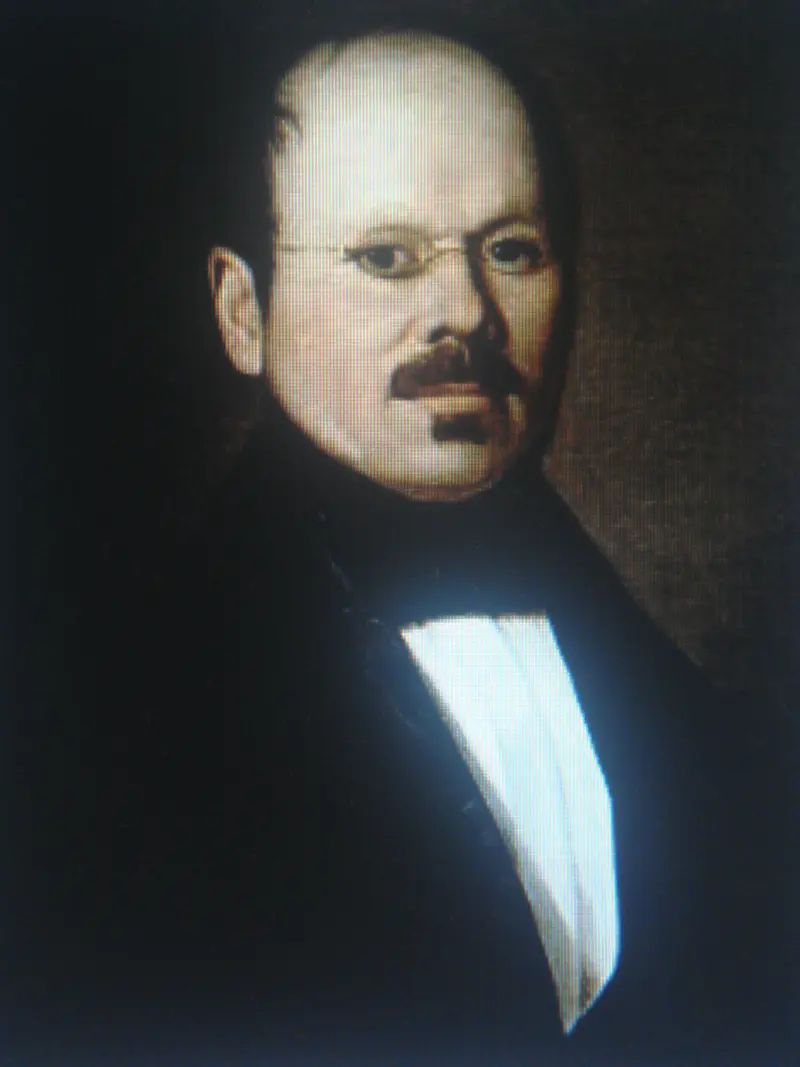
Antonio Benavides Fernández de Navarrete (Real Academia de la Historia)
Antonio Maria Esquivel
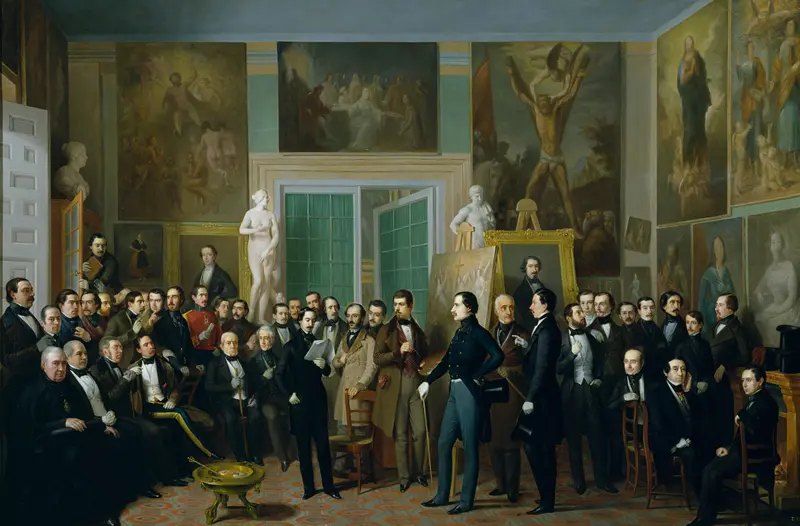
The Contemporary Poets. A Reading of Zorrilla in the Artist's Studio
Antonio Maria Esquivel
Portrait of Don Manuel José de Guerrico
Antonio Maria Esquivel





