
Banks of the Seine — History & Facts
The first thing that catches the eye in Banks of the Seine is the way the river itself seems to dissolve into a shimmering mosaic of color, as if the water were made from the same quick, lively brushstrokes as the sky above. The houses lining the far bank lean gently into the scene, their pale facades and blue roofs echoing the cool tones of the clouds. Figures in soft dresses and hats appear almost by accident, their outlines blurred by the movement of light and air; they are part of the landscape, not its focus.
The fence, painted with swift, upright strokes, acts as a delicate barrier between the solidity of the town and the restless, reflective surface of the Seine. Morisot’s palette is light and fresh, her touch so loose that the entire scene feels as if it might shift with the next breeze. Painted in 1883, this work belongs to a moment when artists like Berthe Morisot were transforming the way the world was seen. The Impressionists, working in and around Paris, sought to capture the fleeting effects of light and atmosphere, often painting outdoors with rapid, visible brushwork.
Unlike the grand historical canvases of earlier decades, their subjects were everyday life: riverbanks, gardens, city streets. Banks of the Seine is now held by the National Museum of Art, Architecture and Design, a reminder of how even a seemingly ordinary view could become a site of artistic revolution. The painting invites viewers to linger, to notice how the world changes from one moment to the next—if only you look closely enough.
More Artworks by Berthe Morisot

The Harbor at Lorient
Berthe Morisot
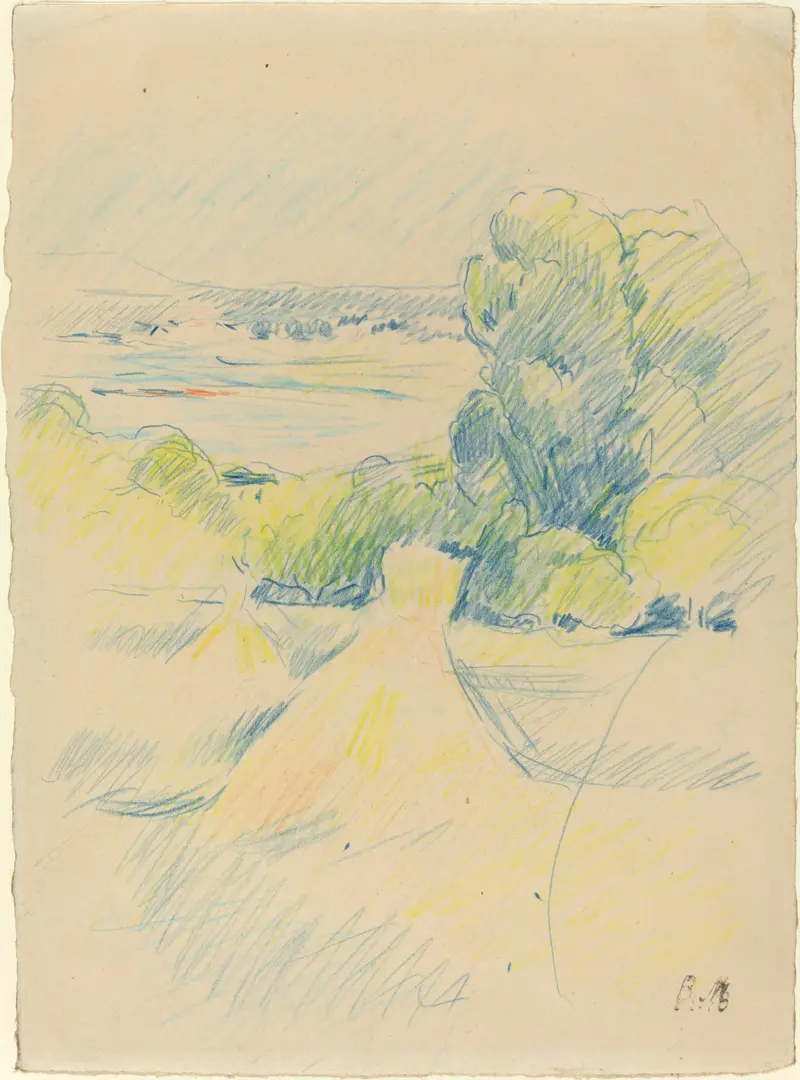
Landscape
Berthe Morisot

Hanging the Laundry out to Dry
Berthe Morisot

Woman in a Garden
Berthe Morisot

Young Girl with Hat
Berthe Morisot
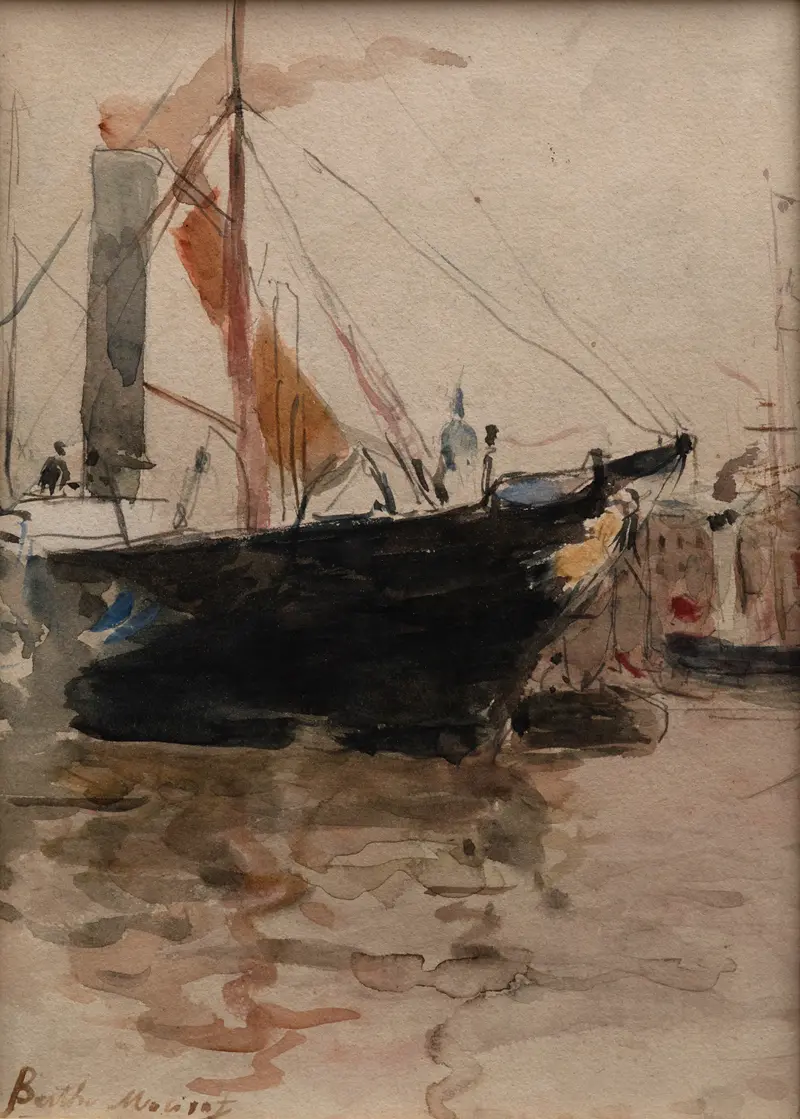
Harbor Scene, Isle of Wight
Berthe Morisot
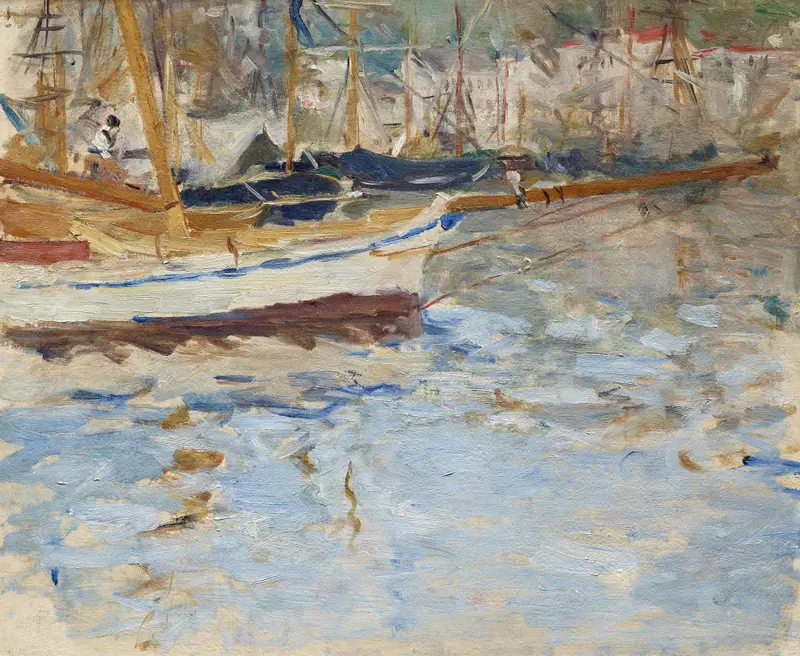
The Port of Nice
Berthe Morisot
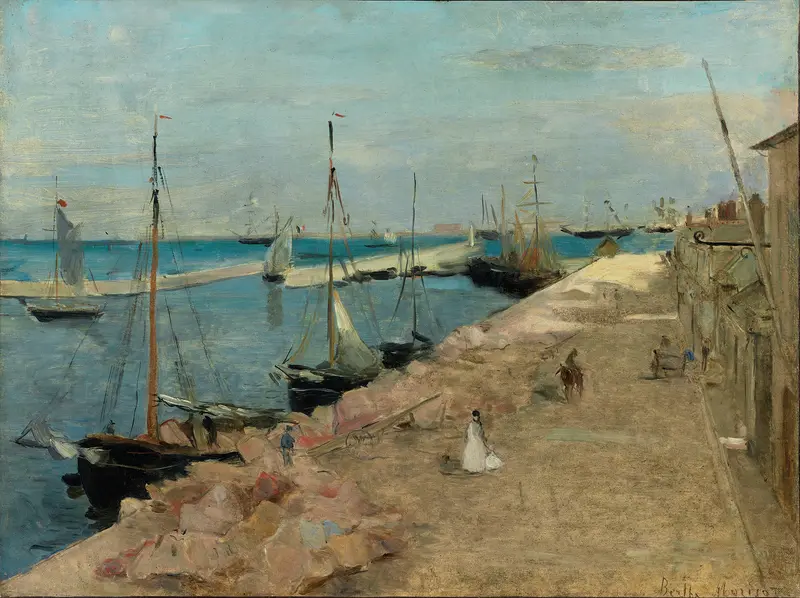
The Harbor at Cherbourg
Berthe Morisot

The Mother and Sister of the Artist
Berthe Morisot
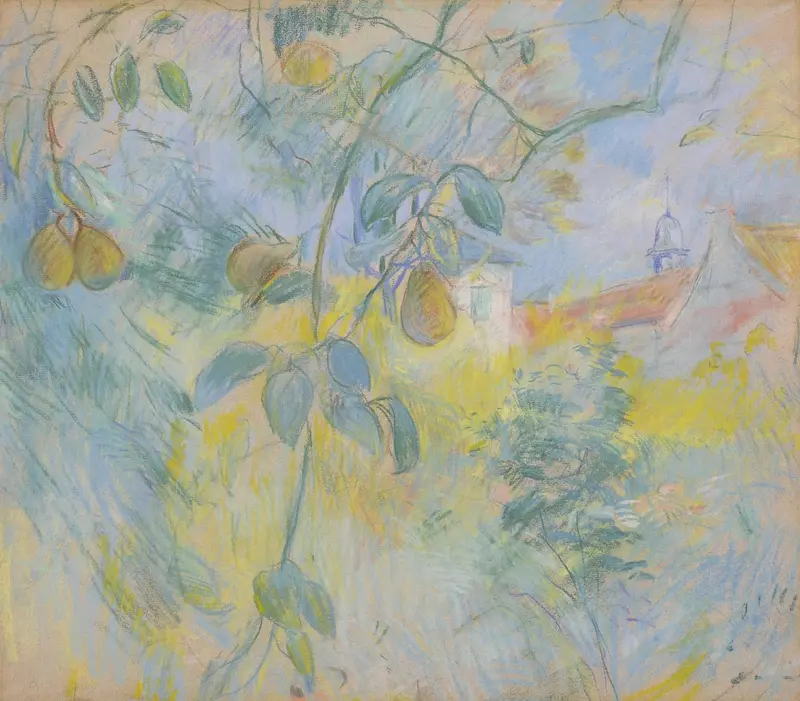
Les Poires
Berthe Morisot
More Landscape Art

The Starry Night
Vincent van Gogh

View of Delft
Johannes Vermeer

Water Lilies
Claude Monet

The Grand Canal, Venice, looking north-west from the Ca' Corner to the Ca' Contarini degli Scrigni, with the campanile of Santa Maria della Carità
Canaletto

Windsor Castle
Canaletto

The Grand Canal looking North-East from the Palazzo Dolfin-Manin to the Rialto Bridge
Canaletto