
Bathing Party — History & Facts
What if beauty was never meant to be finished? In the soft interplay of light and shadow, we glimpse an ephemeral moment that invites contemplation and awe. Look to the left at the shimmering surface of water, where luminous reflections dance like fleeting memories. The gentle curves of the figures gracefully blend with the landscape, as the artist’s brushwork captures both movement and serenity. Notice how the warm, earthy tones contrast with the lush greenery surrounding the scene, drawing the eye to the central bathing party, a celebration of life in its most intimate form. The painting encapsulates a juxtaposition between innocence and hedonism, as the figures seem enveloped in a carefree joy that is both inviting and elusive.
The lushness of nature speaks to the primal connection between humanity and the earth, while the serene expressions of the participants suggest a fleeting tranquility — a moment seized from the relentless flow of time. Each detail, from the ripple of water to the soft outlines of limbs, creates a paradox of permanence and transience within the vibrant scene. William P. Chappel painted Bathing Party in the 1870s, during a time of burgeoning impressionism that embraced the exploration of light and color.
Working in the United States, he was part of an artistic community that sought to capture the essence of everyday life through a lens of natural beauty. This period marked a significant shift in the art world, as artists began to prioritize sensory perception over strict representation, allowing for a more emotive approach to their subjects.
More Artworks by William P. Chappel
Browse all →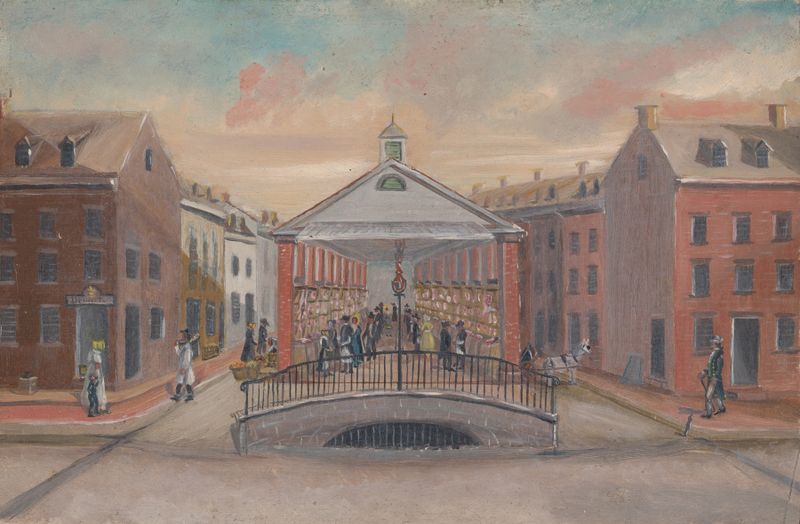
Fly Market
William P. Chappel
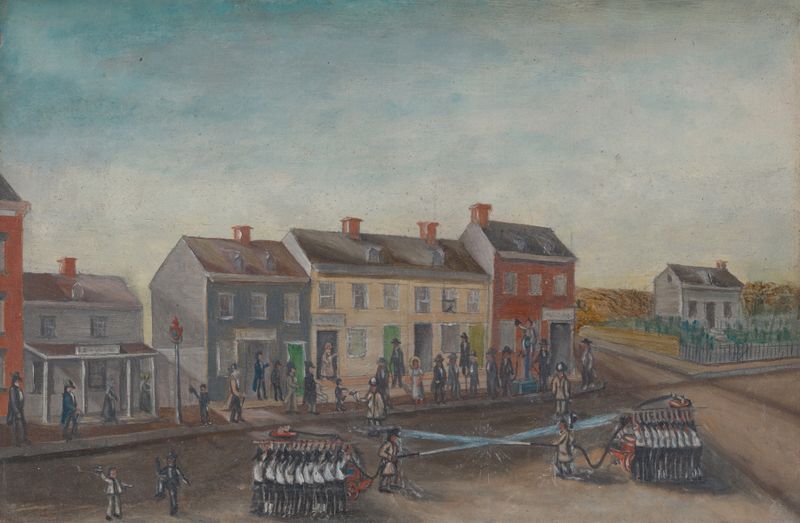
Firemen’s Washing Day
William P. Chappel
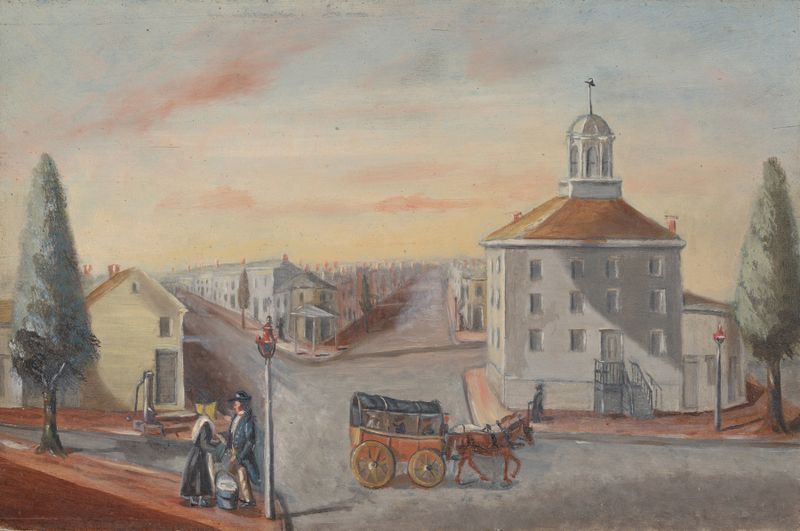
Hot Corn Seller
William P. Chappel
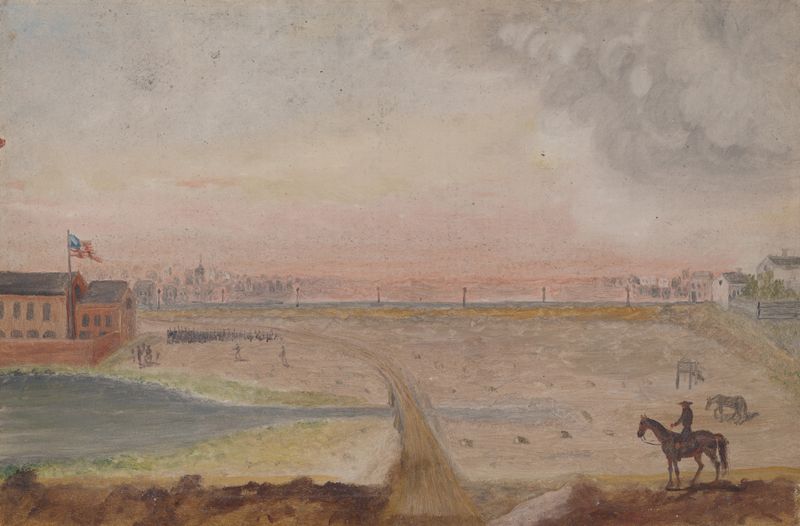
Militia Drilling
William P. Chappel
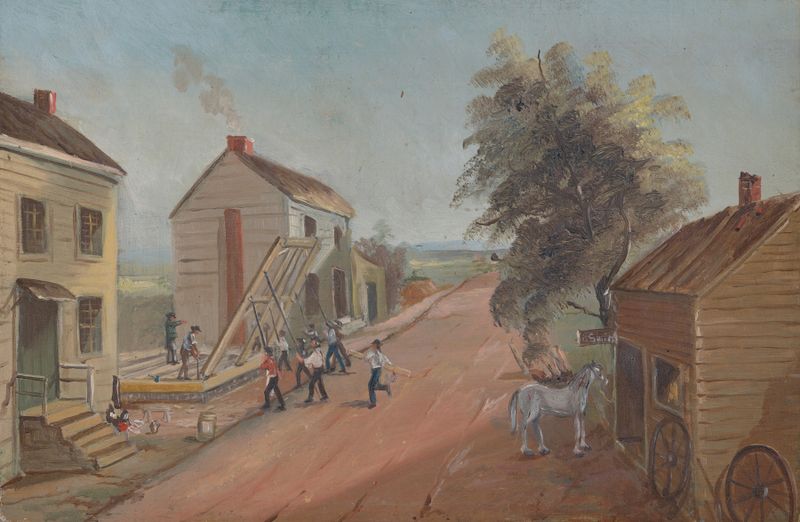
House Raising
William P. Chappel
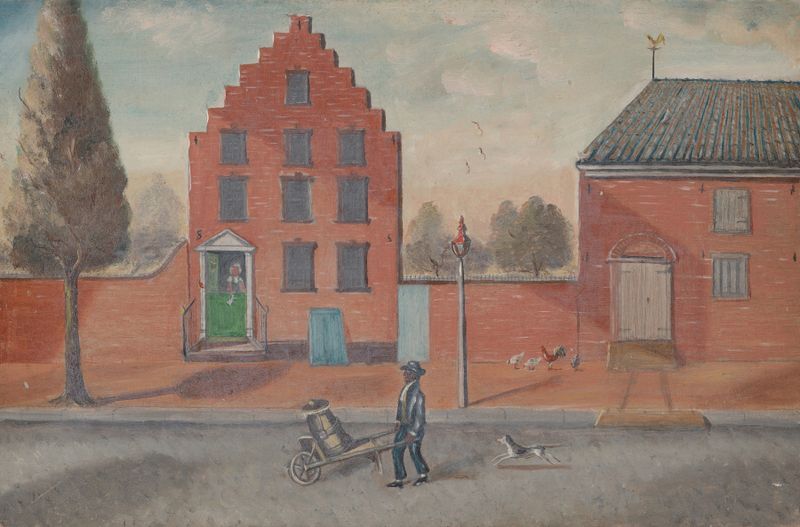
Buttermilk Pedlar
William P. Chappel
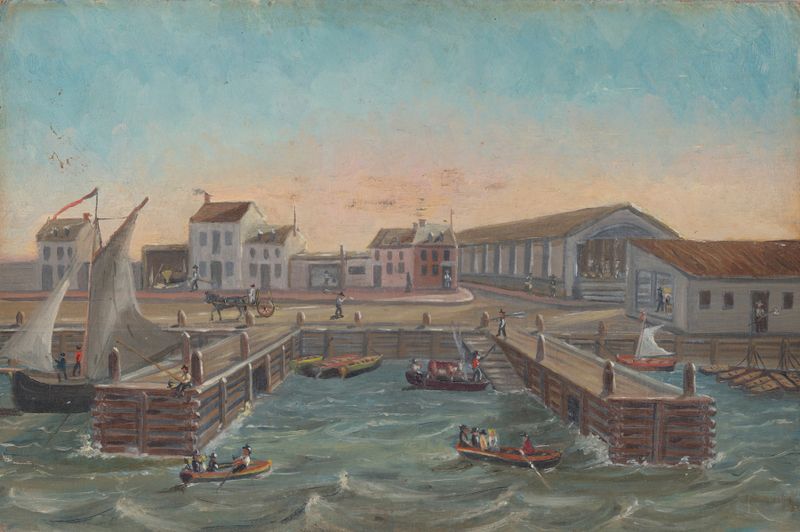
Old Ferry Stairs
William P. Chappel
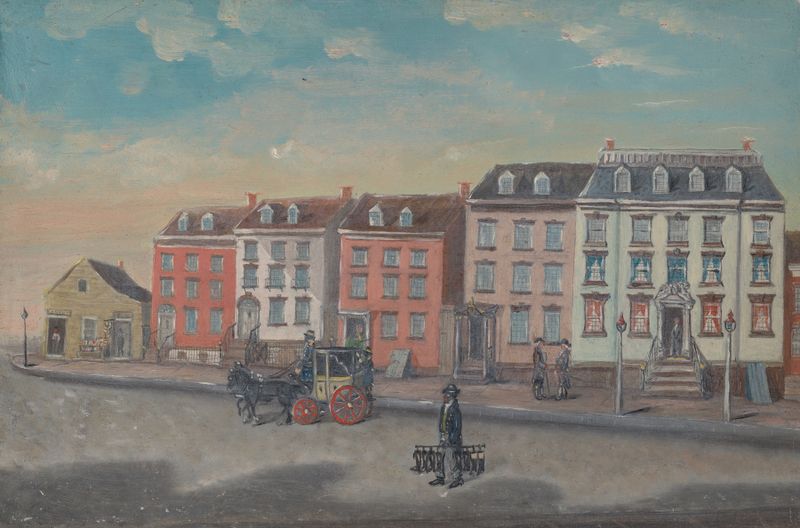
The Boot Black
William P. Chappel
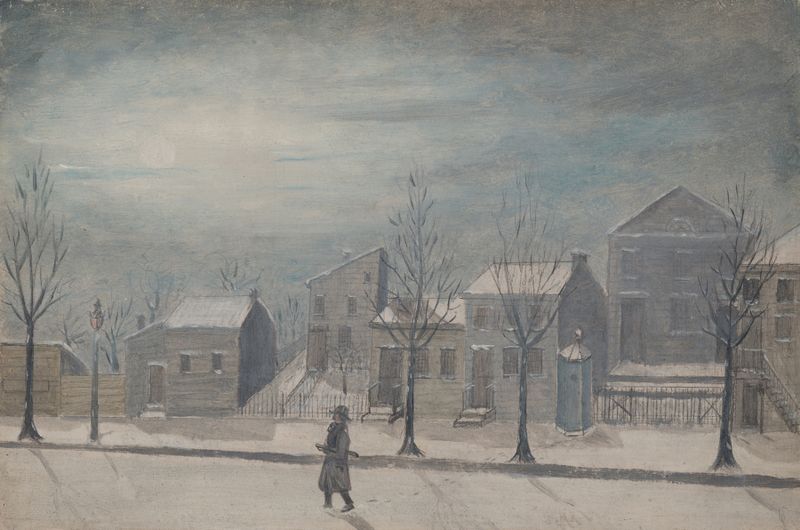
City Watchman
William P. Chappel
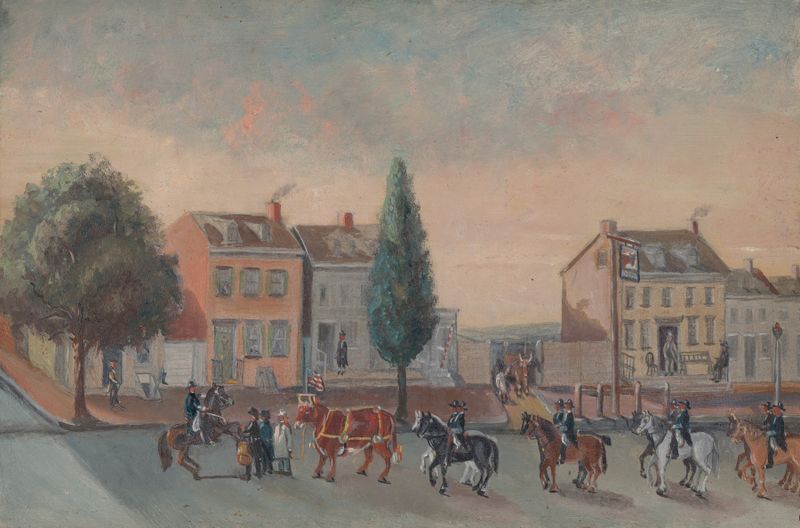
Bull’s Head Tavern
William P. Chappel





