Birthwort (Aristolochia) — History & Facts
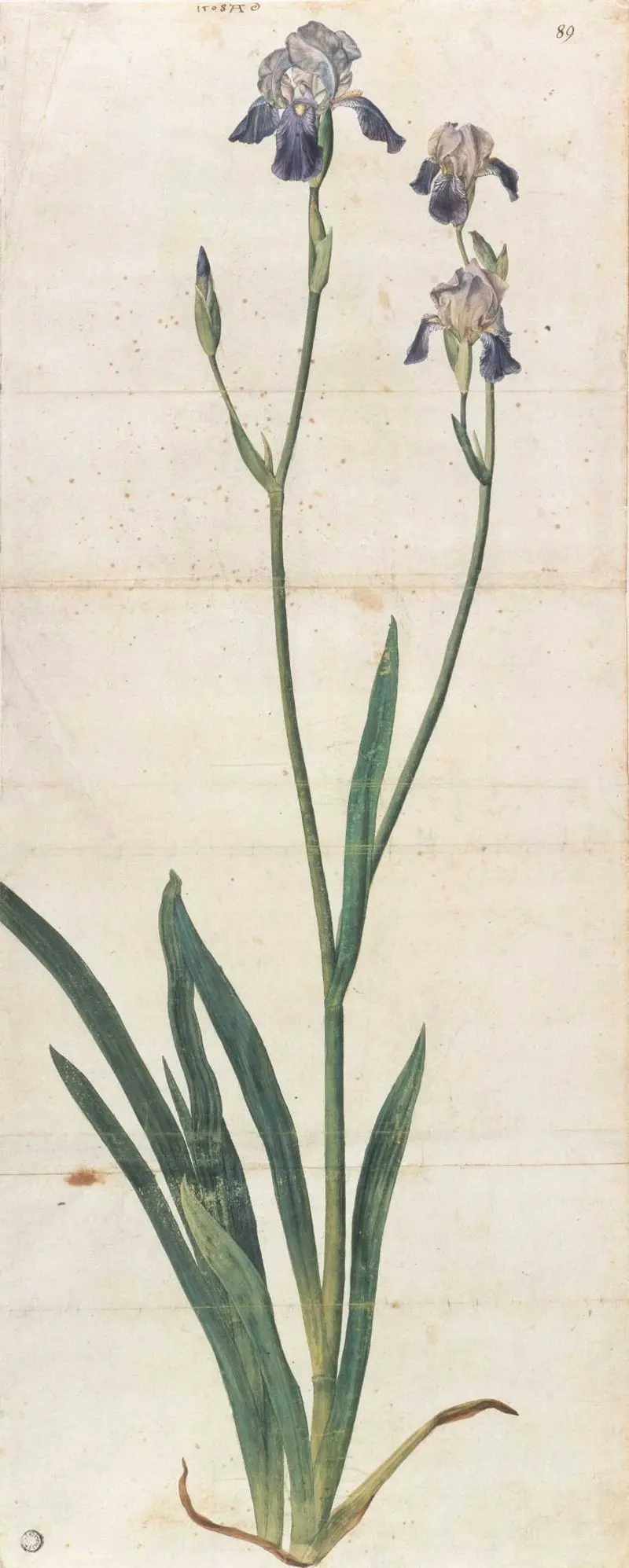
What first catches the eye in Birthwort (Aristolochia) is the sense of careful study—each twist of stem and burst of color is rendered with a precision that feels almost scientific, yet never cold. The artist leads us from the curling roots, up through the fleshy, veined leaves, and into the delicate blooms, each plant isolated yet alive with subtle individuality. The palette is clear and luminous, with the greens of the foliage offset by the purples and yellows of the flowers, inviting the viewer to linger over the differences between species.
The roots are not hidden but splayed out, as if to insist that true understanding lies beneath the surface. The composition is both orderly and organic, a balance between the demands of taxonomy and the unruliness of nature. Created in 1613, this drawing belongs to a world hungry for knowledge, when botanical illustration was both art and science. Such works were commissioned by scholars, apothecaries, and collectors eager to catalogue the natural world, often as part of lavish herbals like the Celeberrimi Eystettensis from Nuremberg.
Basilius Besler was among the most celebrated of these early modern botanists, and his images bridged the gap between Renaissance curiosity and the emerging rigor of scientific observation. Today, this sheet is preserved in the Libreria antiquaria Bourlot di Marco Birocco in Turin—a reminder that the urge to see, name, and marvel at the living world is as old as the paper it is drawn on. Look again at the roots and flowers: this is not just a record, but an invitation to see with the eyes of an age discovering the wonders of nature anew.
More Artworks by Basilius Besler
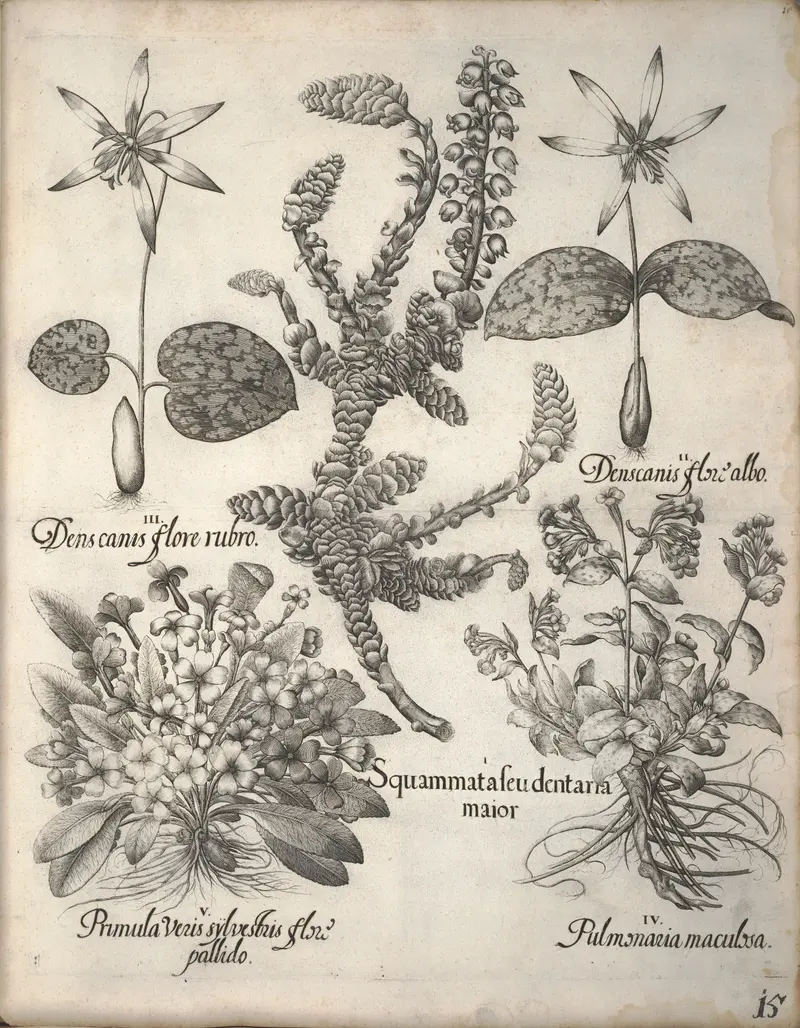
Spring Garden, Plate 15 (Hortus Eystettensis)
Basilius Besler
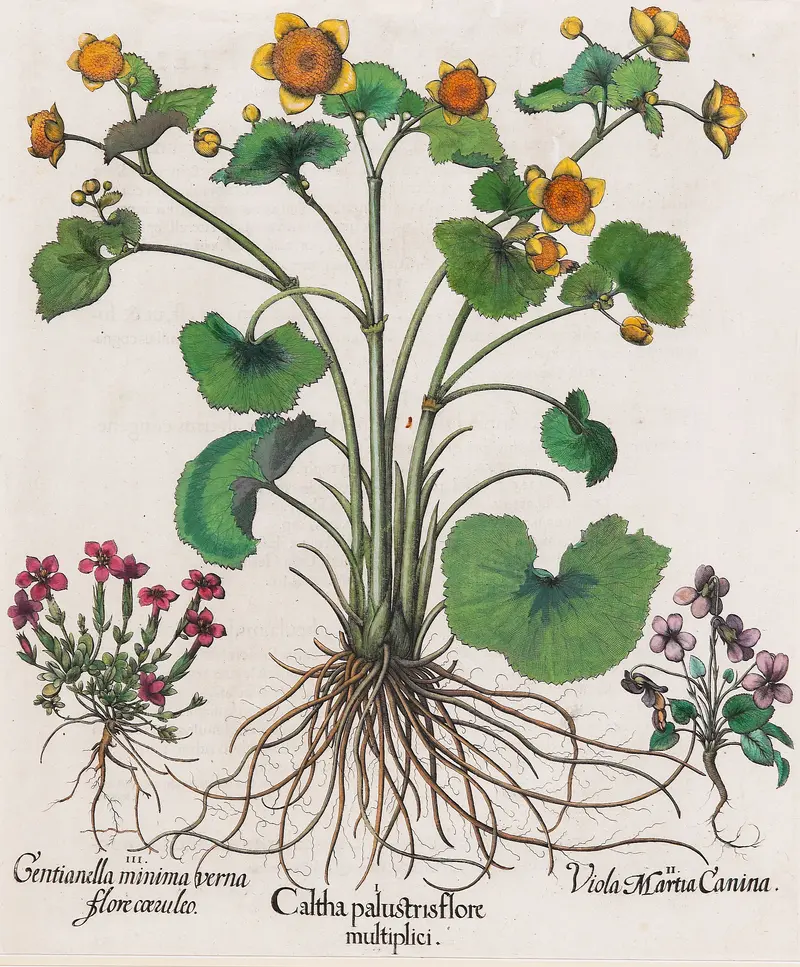
Marsh Marigold (Caltha palustris)
Basilius Besler

Tulips (Hortus Eystettensis)
Basilius Besler

Tulips II (Hortus Eystettensis)
Basilius Besler

Snapdragons (Antirrhinum)
Basilius Besler
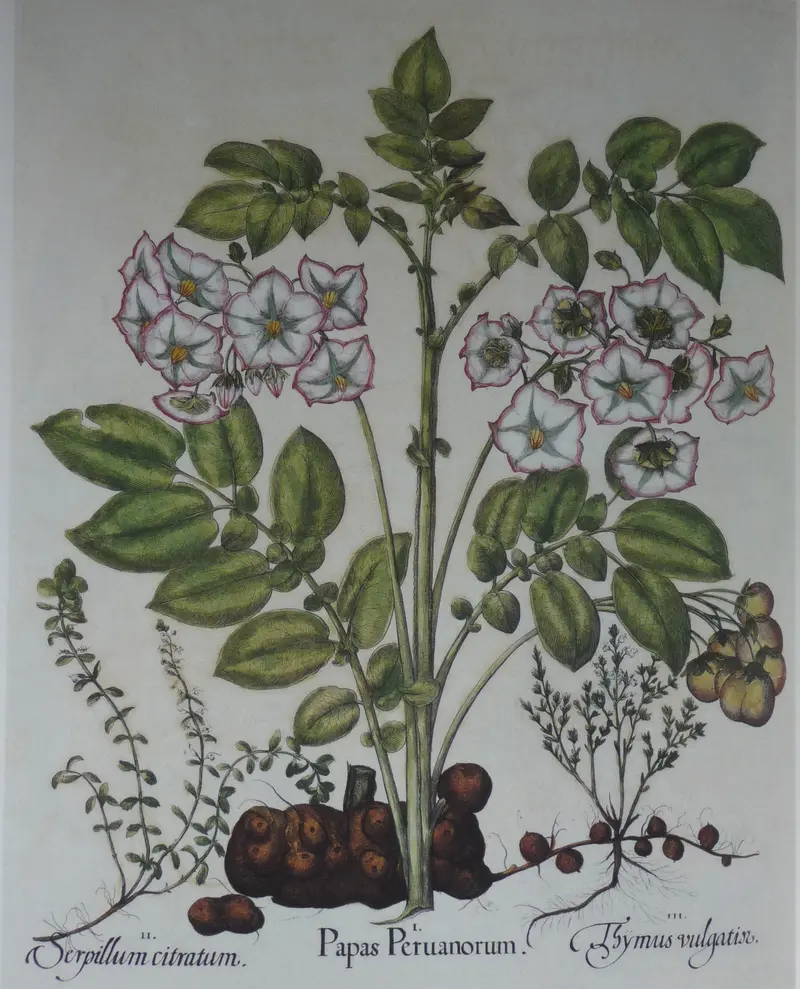
Peruvian Potato Flower (Papas Peruanorum)
Basilius Besler
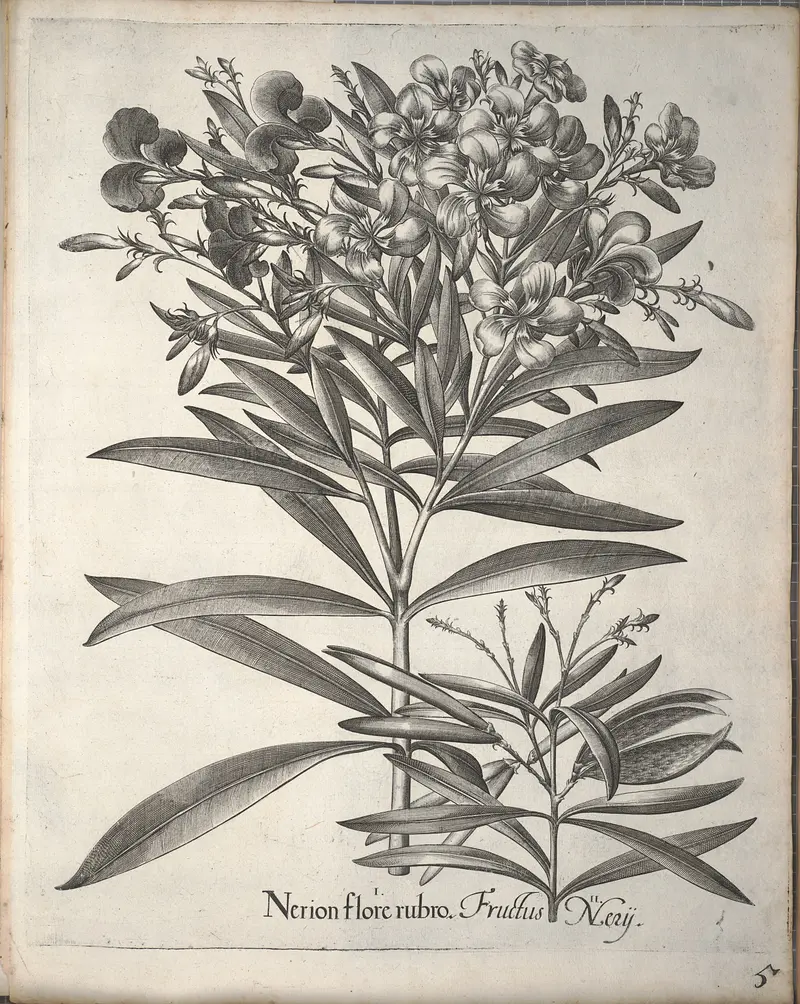
Summer Garden, Plate 5 (Hortus Eystettensis)
Basilius Besler
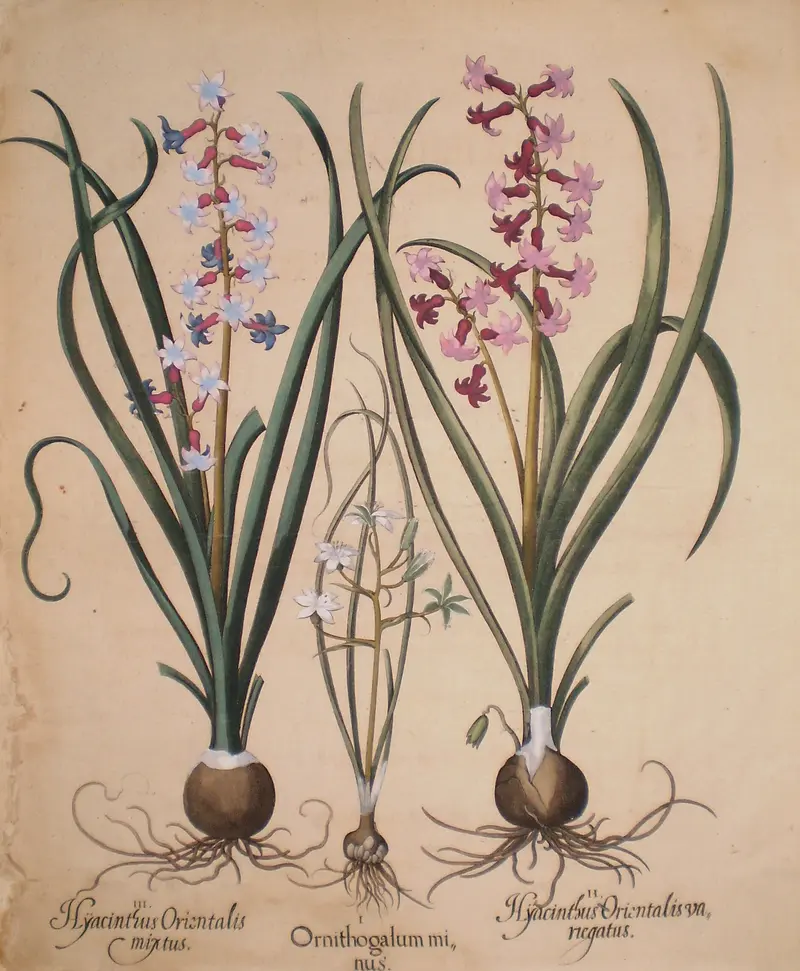
Hyacinths and Star-of-Bethlehem
Basilius Besler
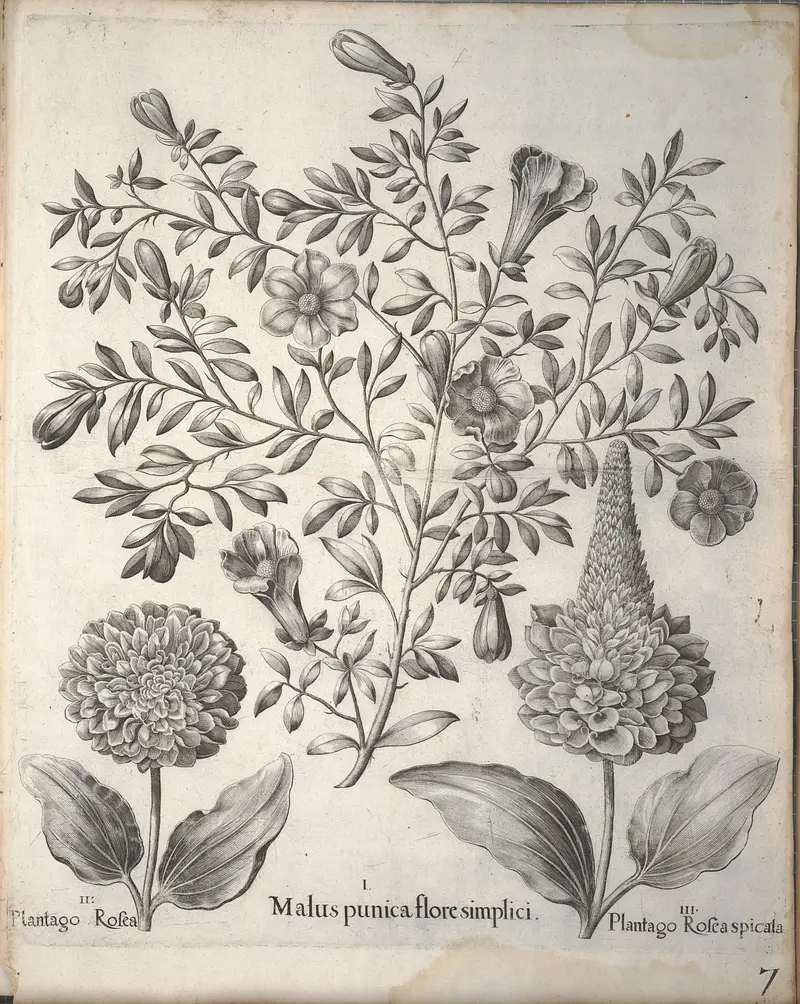
Summer Garden, Plate 7 (Hortus Eystettensis)
Basilius Besler
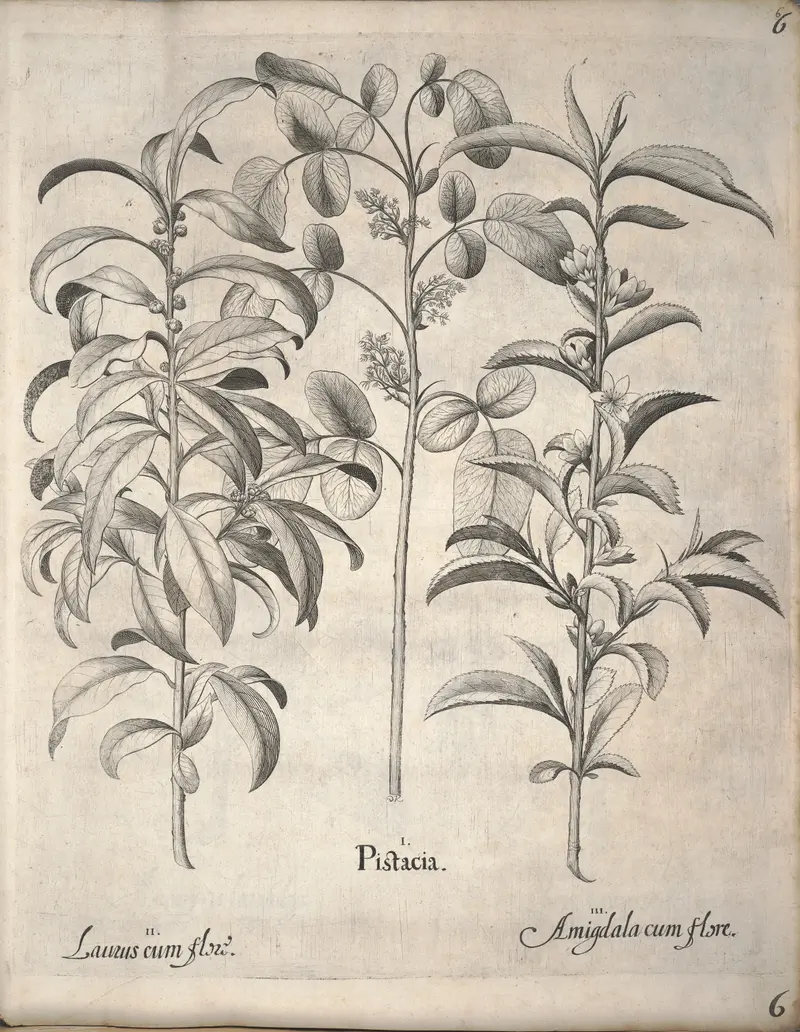
Spring Garden, Plate 6 (Hortus Eystettensis)
Basilius Besler