
Bord d'étang — History & Facts
What first draws the eye in Bord d'étang by Armand Apol is the restless, almost musical energy of the grasses at the water’s edge. They seem to lean and whisper, guiding the viewer’s gaze across the etched surface toward the shaded pool and the dense, tangled woods beyond. The artist’s hand is everywhere: in the rapid, searching lines that define the foliage, in the delicate cross-hatching that gives the pond its quiet, reflective weight.
Light drifts in from the left, catching on the reeds and making the water shimmer with a suggestion of movement, while the trees arch overhead, enclosing the scene in a gentle hush. This is not a grand vista, but a corner of nature caught in a private moment—intimate, watchful, and alive with the subtle drama of wind and water. Works like this, from the hand of a Belgian artist active in the late nineteenth and early twentieth centuries, speak to a time when landscape was both a subject of study and a refuge from the modern city. Etching, with its capacity for both precision and spontaneity, was favored by artists who sought to capture fleeting effects of light and atmosphere outside the studio.
Bord d'étang now resides in the Royal Library of Belgium, a fitting home for a work that preserves a quiet corner of the world in ink and paper. History has kept few traces of this specific print’s journey, but the scene it offers—half-wild, half-watched—invites us to linger and look again.
More Artworks by Armand Apol
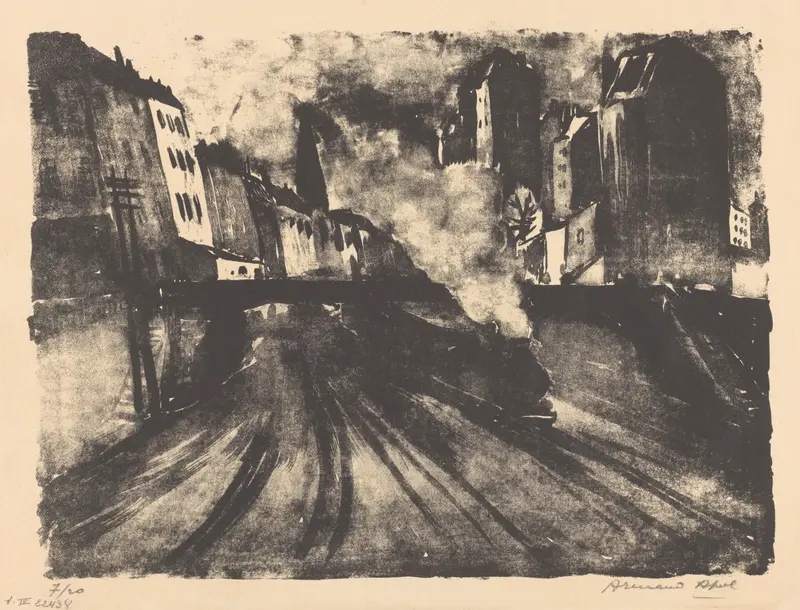
Chemin de fer de ceinture à Paris
Armand Apol
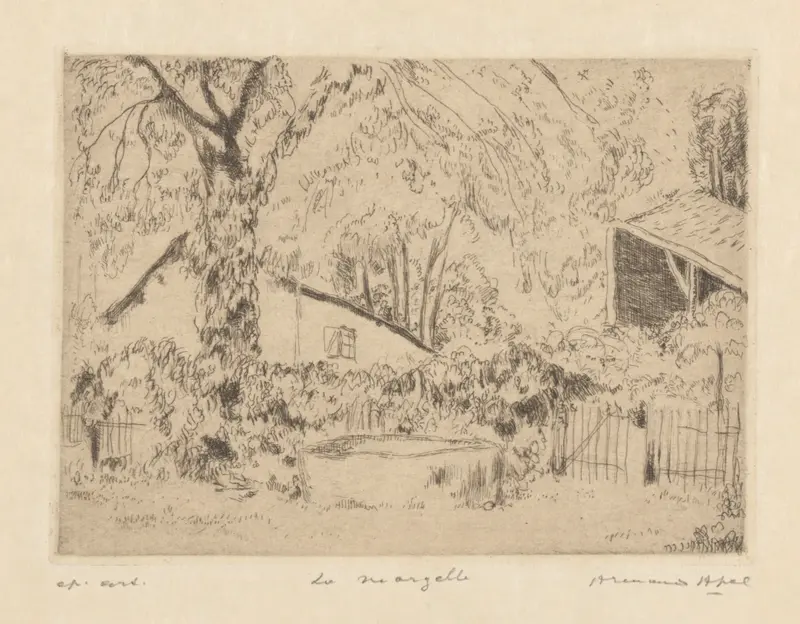
La margelle
Armand Apol
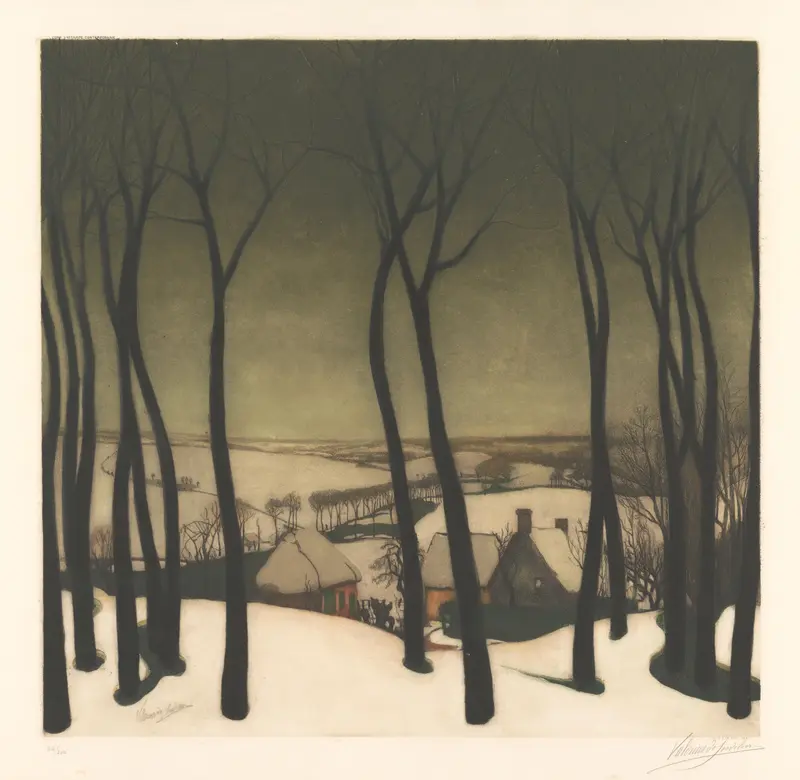
Album 8 estampes (en couleurs) (05) : Paysage
Armand Apol
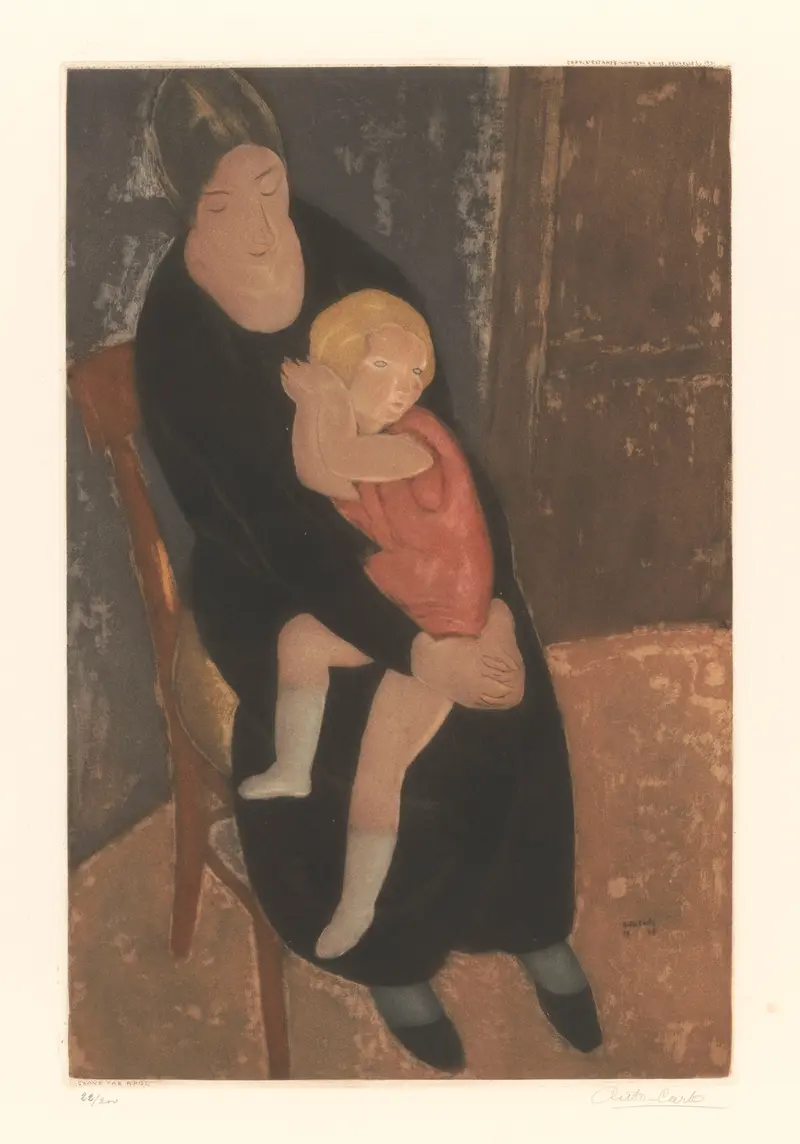
Album 8 estampes (en couleurs) (08) : Mère et enfant
Armand Apol
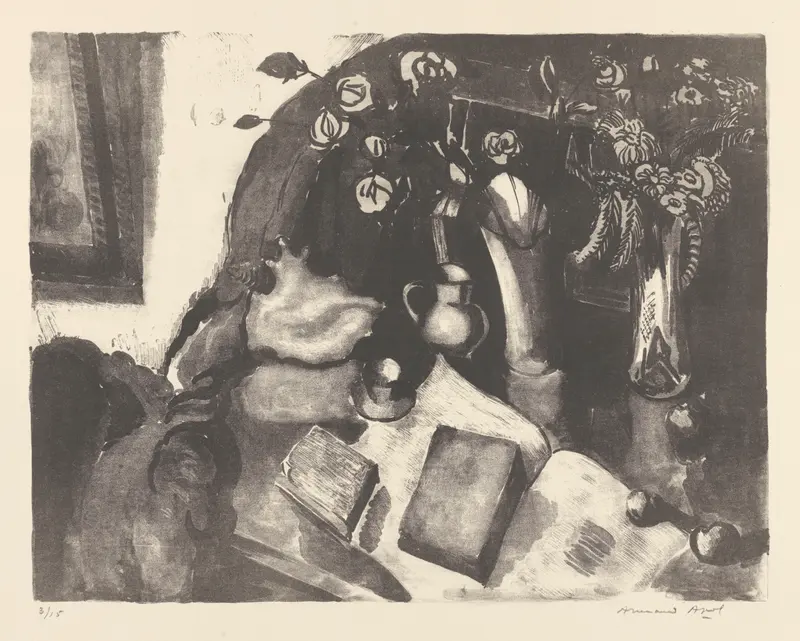
Dix lithographies au lavis (02) : Nature morte
Armand Apol

Dix planches (06) : La loge
Armand Apol
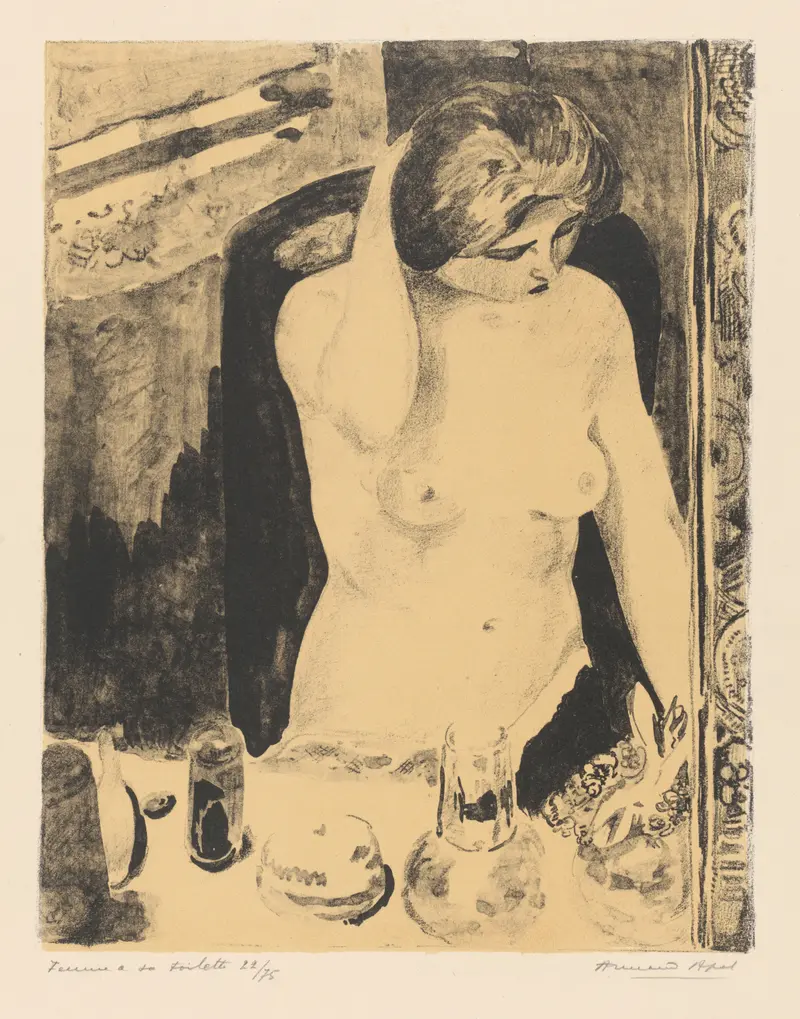
Dix planches (10) : Femme à sa toilette
Armand Apol
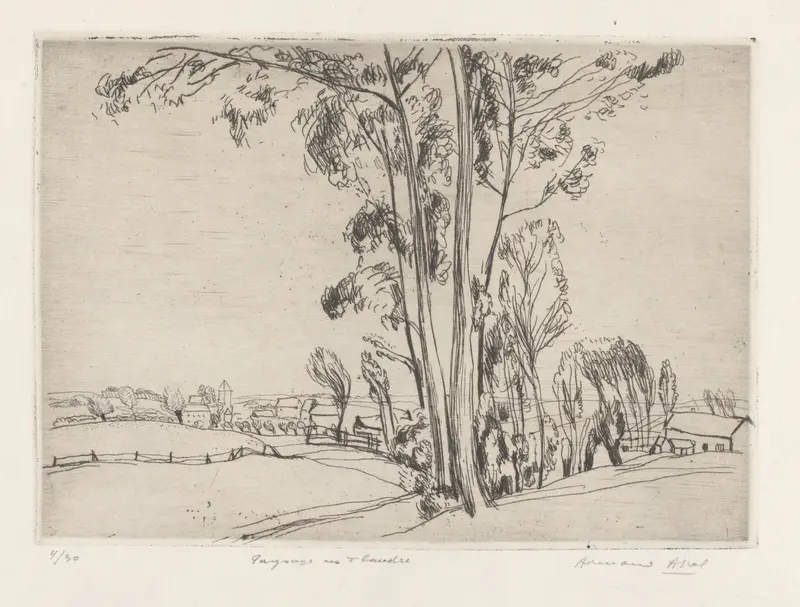
Paysage en Flandre (Etichove)
Armand Apol
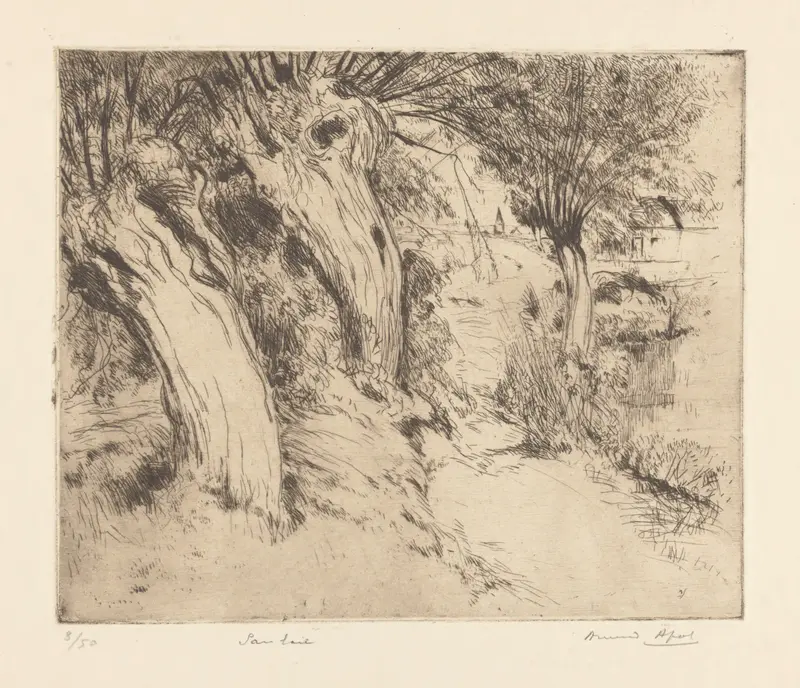
Saulaie
Armand Apol
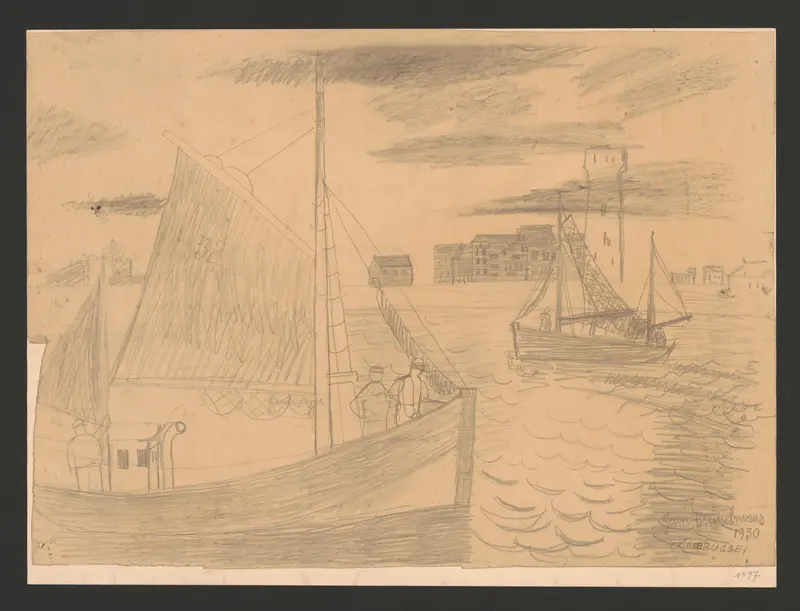
Zeebrugge
Armand Apol
More Landscape Art

The Starry Night
Vincent van Gogh

View of Delft
Johannes Vermeer

Water Lilies
Claude Monet

The Grand Canal, Venice, looking north-west from the Ca' Corner to the Ca' Contarini degli Scrigni, with the campanile of Santa Maria della Carità
Canaletto

Windsor Castle
Canaletto

The Grand Canal looking North-East from the Palazzo Dolfin-Manin to the Rialto Bridge
Canaletto