
Boy with a Flagon — History & Facts
No one knows for certain when Diego Velázquez painted Boy with a Flagon, nor for whom it was made, but the painting has long intrigued art historians for its kinship with the so-called "bodegón" scenes that made the young Sevillian painter famous. The boy’s direct gaze and the humble subject matter recall the earthy realism that set Velázquez apart from his contemporaries in early 17th-century Spain. The work’s uncertain date and lack of documentation have fueled debates: is this an early experiment in genre painting, or a later reflection on youth and labor? What is clear is that the painting’s naturalism marks a turning point in Spanish art, bridging the world of the kitchen and the world of the court. At the heart of the scene, a boy—caught in the act of pausing—clutches a hefty flagon, his fingers wrapped around its cool, glazed surface.
The light, falling from the left, catches on the jug and the boy’s cheek, highlighting the textures of ceramic, skin, and worn cloth. The composition draws the viewer’s eye to the boy’s expression: neither smiling nor sullen, he seems to exist in a moment between work and rest, perhaps waiting for a customer or a word from an unseen adult. Unlike the idealized youths in Caravaggio’s tavern scenes, Velázquez’s boy is unvarnished, his world one of labor and survival.
The flagon itself, a common object in Spanish taverns, becomes a symbol of daily life, grounding the painting in the realities of the time. The journey of Boy with a Flagon as an object is shrouded in as much mystery as its origins. Lacking a secure provenance, the painting has been attributed to Velázquez based on style and technique, especially its handling of light and texture, which echo works like The Waterseller of Seville. Its place in the artist’s career is generally considered early, when he was still in Seville and absorbing the influence of everyday life.
Today, the painting is recognized as a key example of the Spanish Baroque’s interest in ordinary people, though its exact whereabouts may not be widely known. What remains certain is that Boy with a Flagon continues to spark questions about the boundaries between genre and portrait, and about the young Velázquez’s deep empathy for his subjects.
More Artworks by Diego Velázquez

Las Meninas
Diego Velázquez
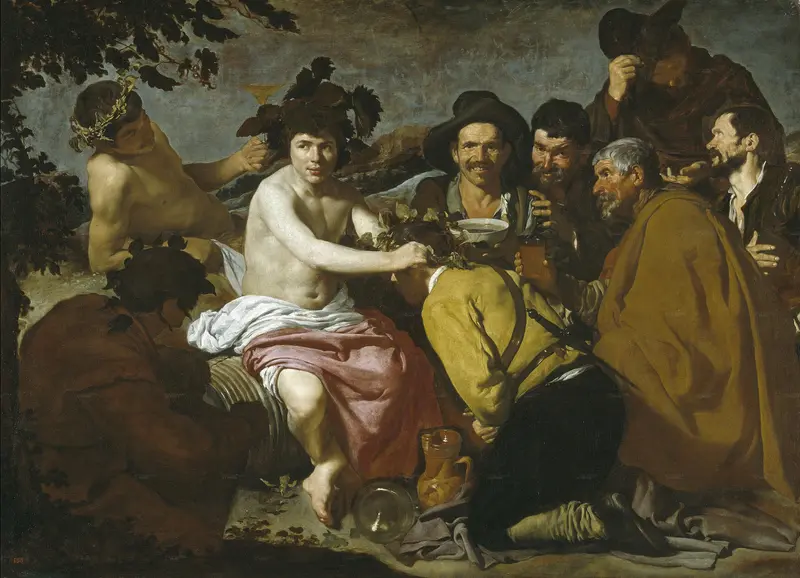
The Triumph of Bacchus
Diego Velázquez
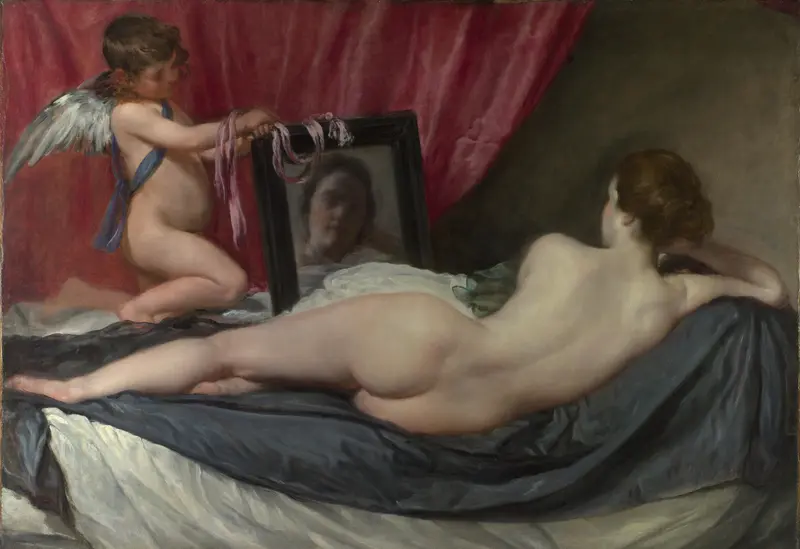
Rokeby Venus
Diego Velázquez
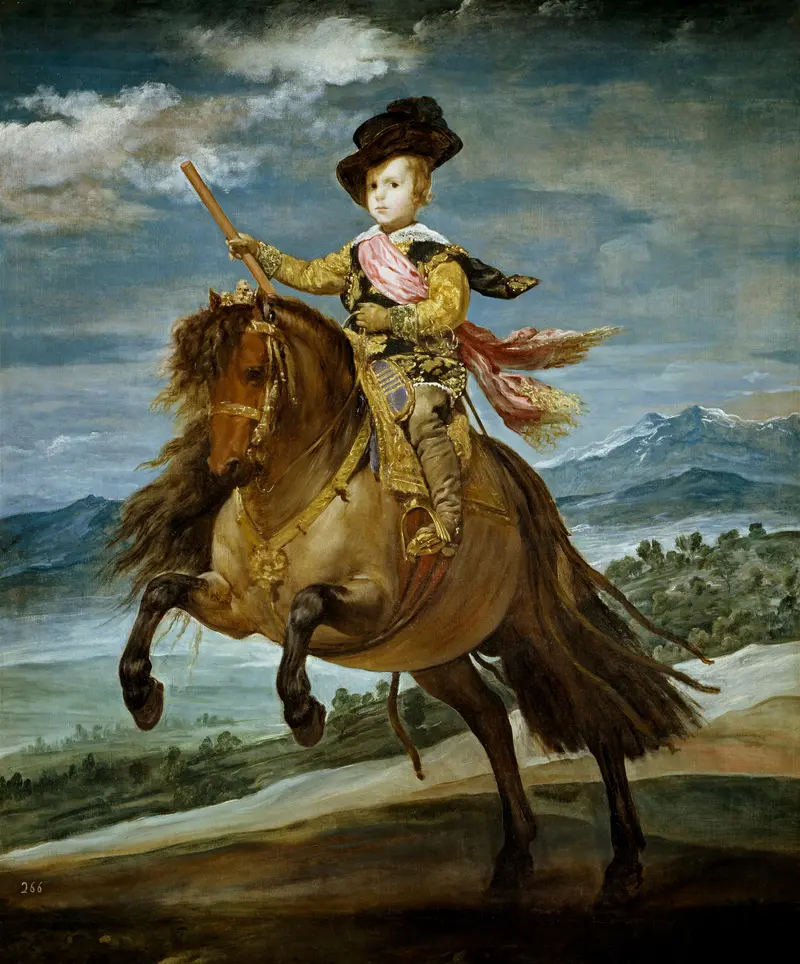
Equestrian Portrait of Prince Balthasar Charles
Diego Velázquez
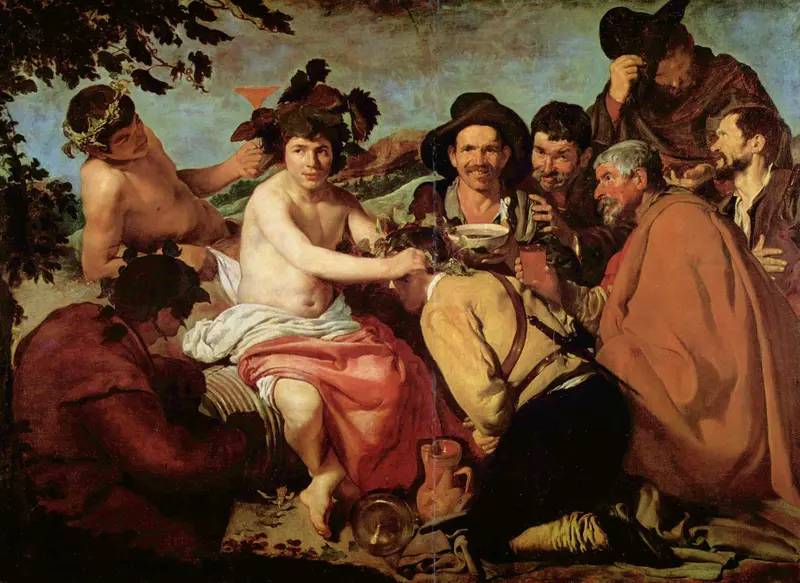
Bacchus
Diego Velázquez
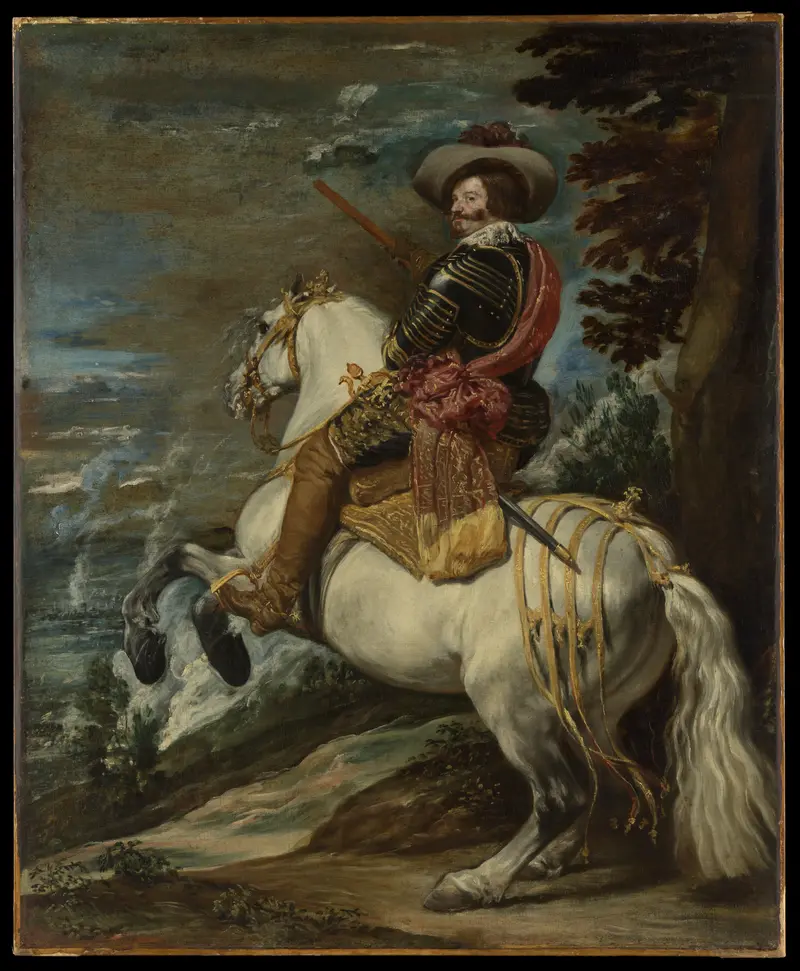
Don Gaspar de Guzmán (1587–1645), Count-Duke of Olivares
Diego Velázquez
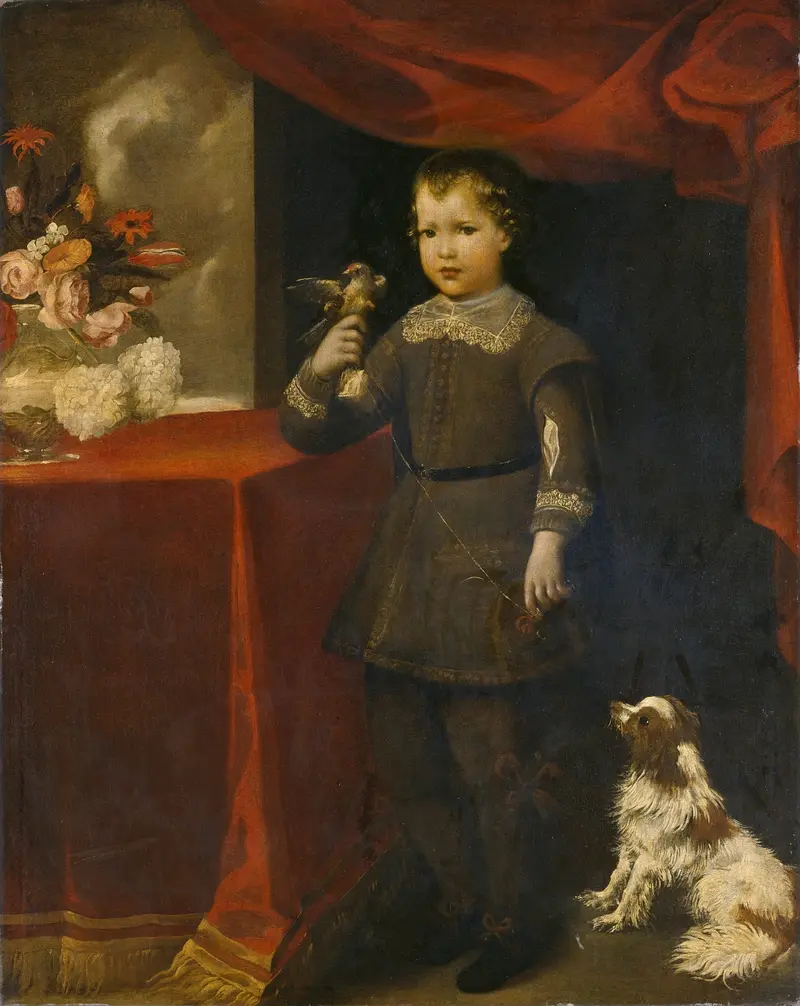
El príncipe Baltasar Carlos de Austria
Diego Velázquez
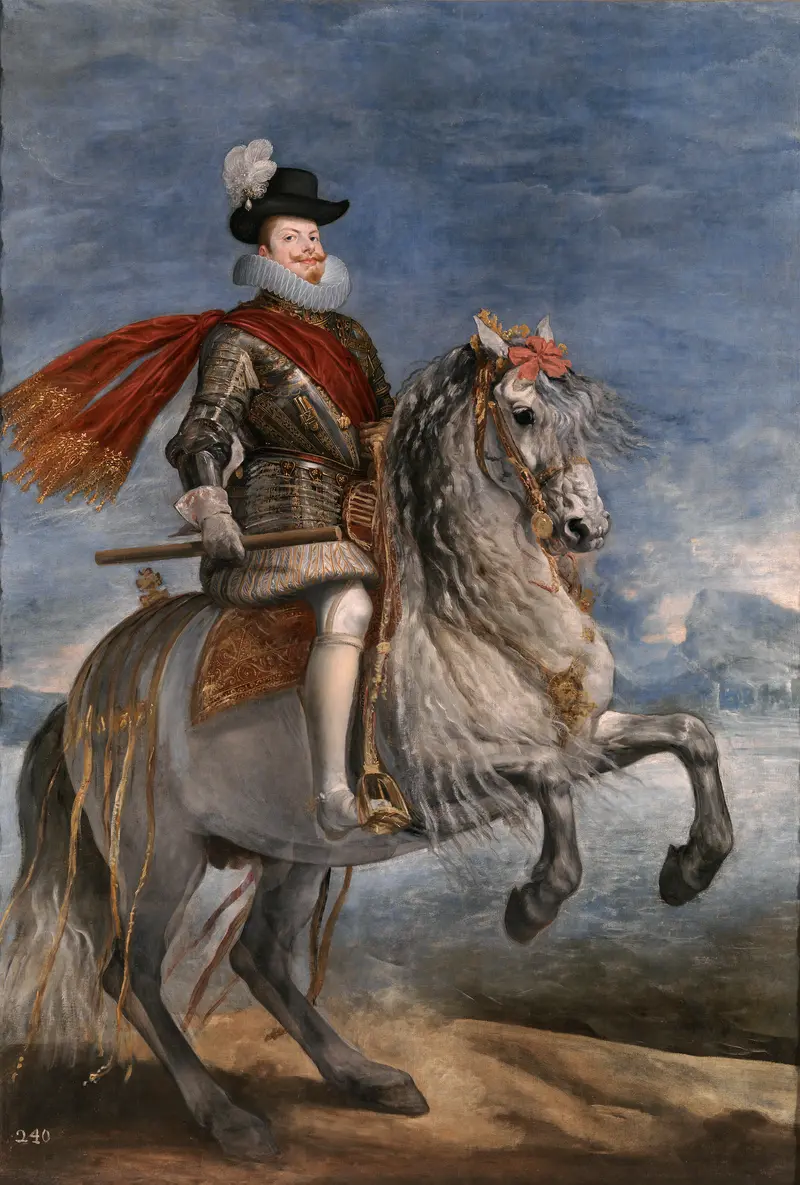
Equestrian Portrait of Philip III
Diego Velázquez
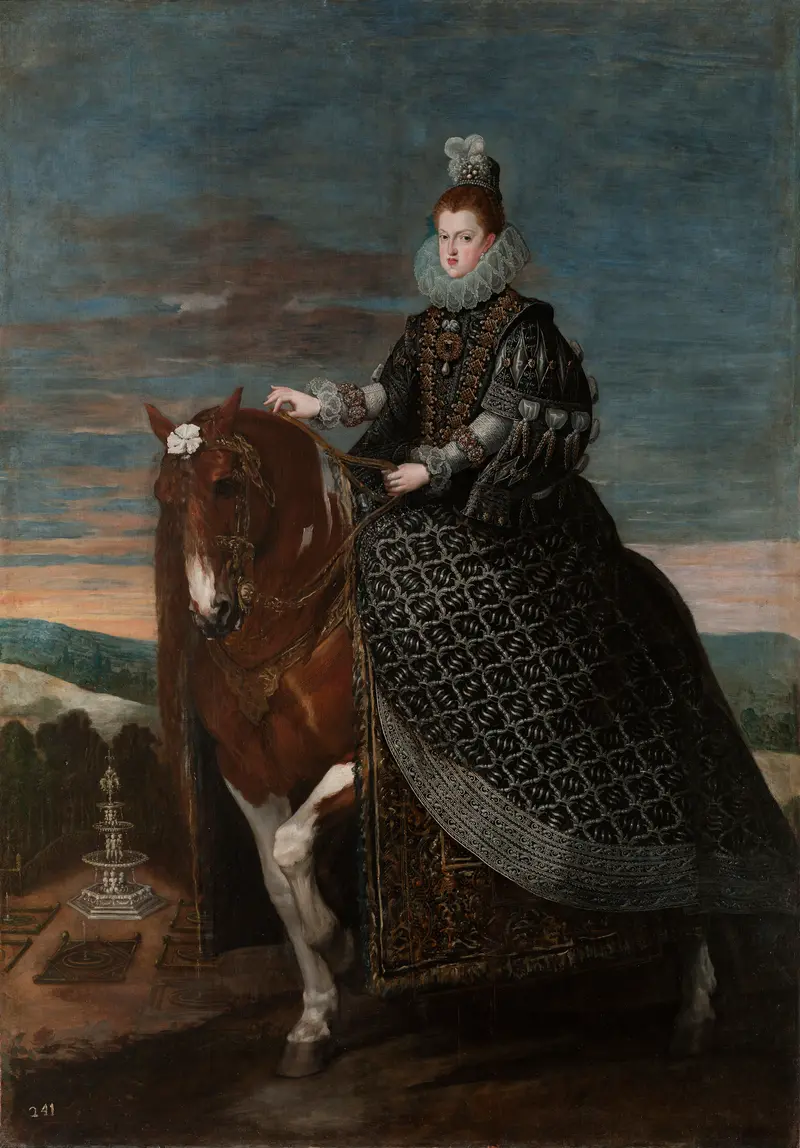
Equestrian Portrait of Margarita of Austria
Diego Velázquez
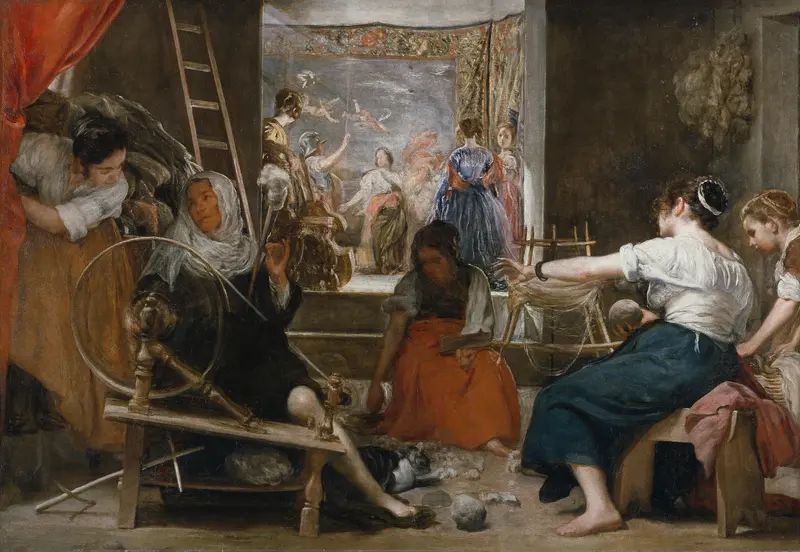
Las Hilanderas
Diego Velázquez
More Genre Scene Art

Banquet of the Officers of the St George Civic Guard
Frans Hals

Rembrandt and Saskia in the Scene of the Prodigal Son
Rembrandt van Rijn

Bal du moulin de la Galette
Pierre-Auguste Renoir

Quadrille at the Moulin Rouge
Henri de Toulouse-Lautrec

A Burial at Ornans
Gustave Courbet

When Will You Marry?
Paul Gauguin