
Cambu Castle — History & Facts
Can paint confess what words never could? In Cambu Castle, the viewer is transported to a moment brimming with yearning, evoking a longing for a distant past or an unattainable ideal. Look to the left at the tranquil waters that reflect the stone edifice of the castle, shimmering under a soft, golden light. Notice how the delicate brushstrokes create a sense of movement in the water, contrasting sharply with the solid, stately architecture on the right. The muted colors of the sky blend with the earth tones of the landscape, inviting you to pause and absorb the harmony of nature and man-made beauty. Beneath the idyllic facade lies a palpable tension between permanence and transience.
The castle, with its robust presence, stands as a symbol of stability, yet the gentle ripples in the water suggest the passage of time and fading memories. The slight cloud cover adds an air of melancholy, hinting at the elusive nature of the past, while the overall composition evokes a sense of nostalgia, inviting introspection. Created in 1825 during a period of artistic exploration in England, Cambu Castle reflects Fielding's engagement with Romanticism and the fascination with ruins and landscapes. At this time, he was seeking to capture the sublime, marrying the beauty of nature with architectural grandeur.
The artwork embodies his response to the evolving cultural landscape, where the past was both celebrated and mourned.
More Artworks by Theodore Henry Adolphus Fielding
Browse all →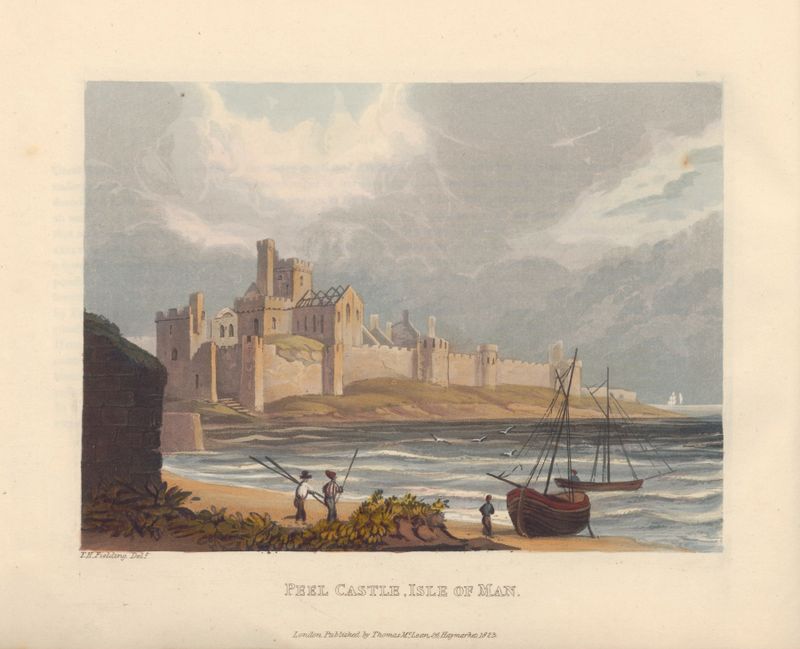
Peel Castle, Isle of Man
Theodore Henry Adolphus Fielding
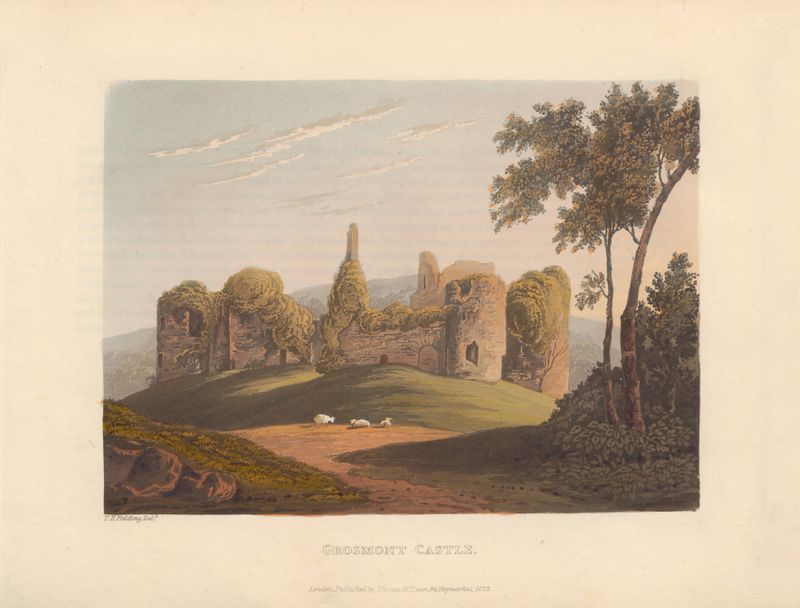
Grosmont Castle
Theodore Henry Adolphus Fielding
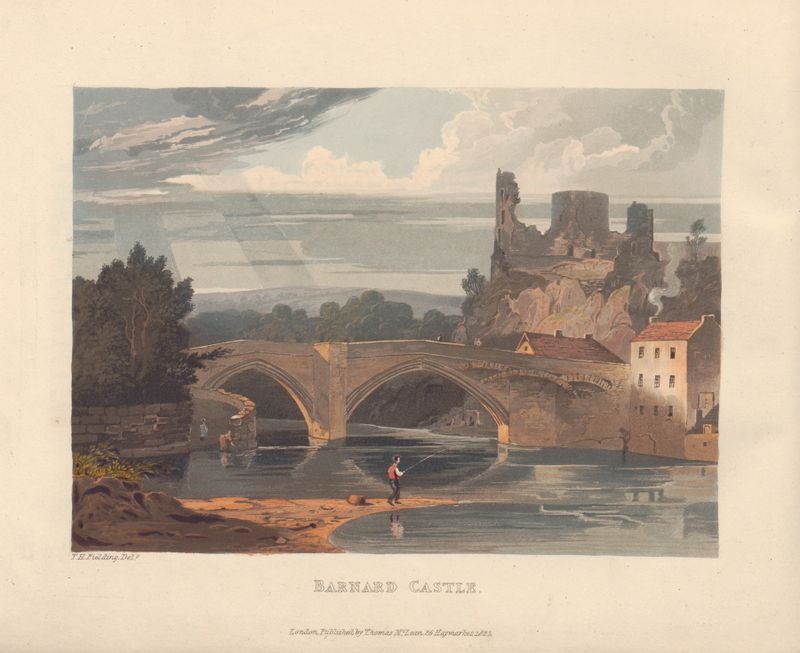
Barnard Castle
Theodore Henry Adolphus Fielding
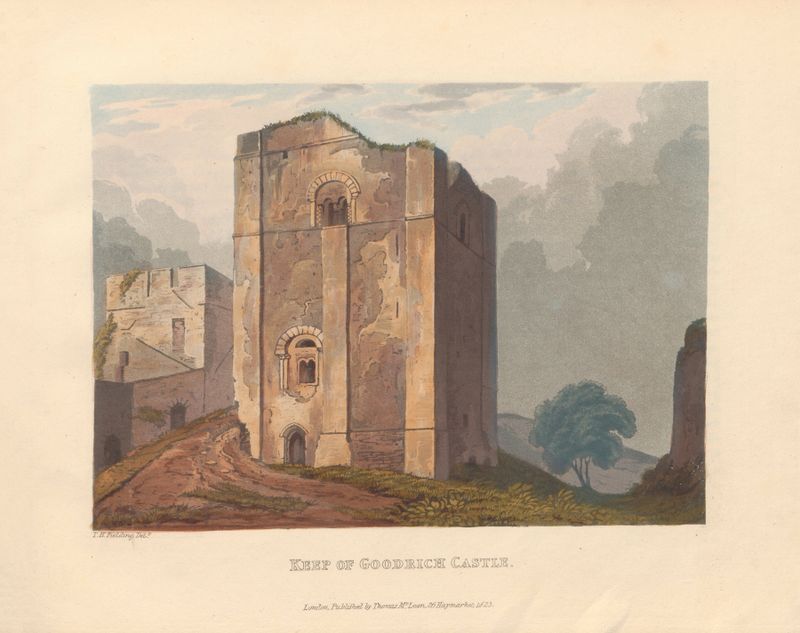
Keep of Goodrich Castle
Theodore Henry Adolphus Fielding
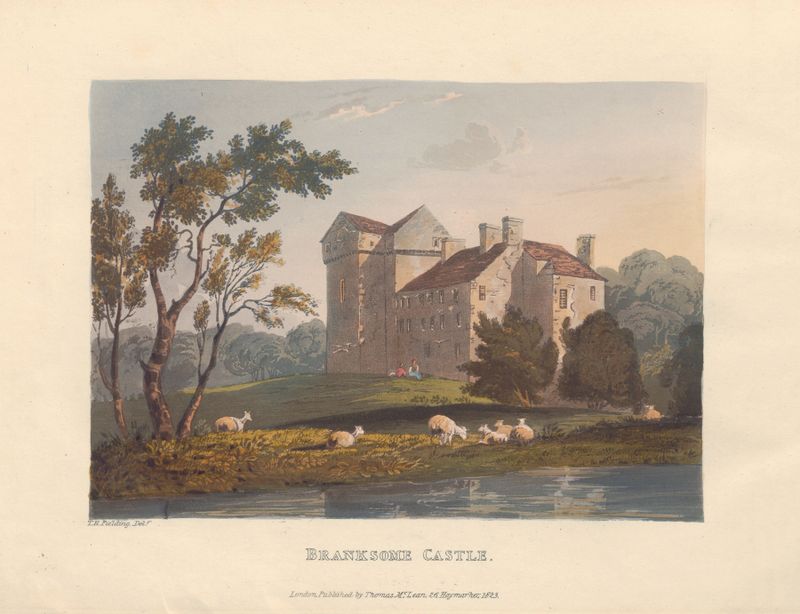
Branksome Castle
Theodore Henry Adolphus Fielding
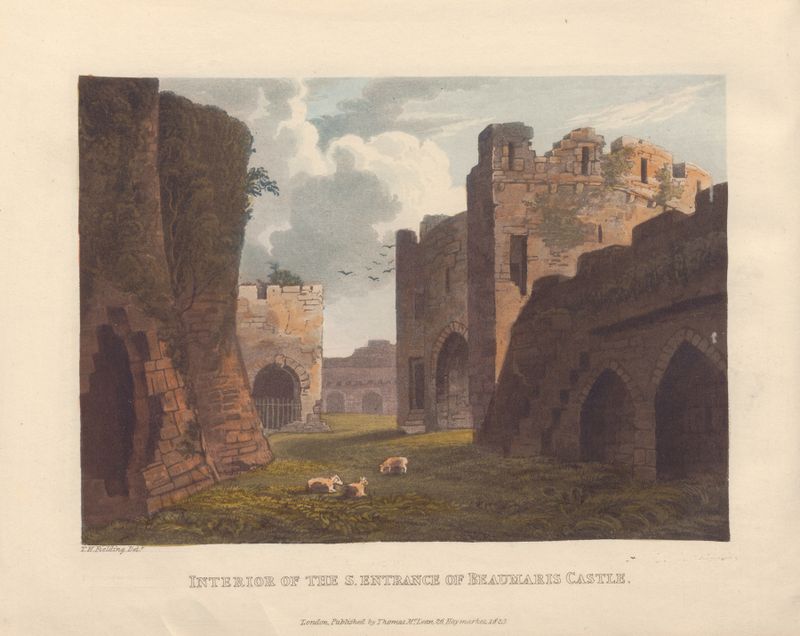
Interior of the south entrancce of Beaumaris Castle
Theodore Henry Adolphus Fielding
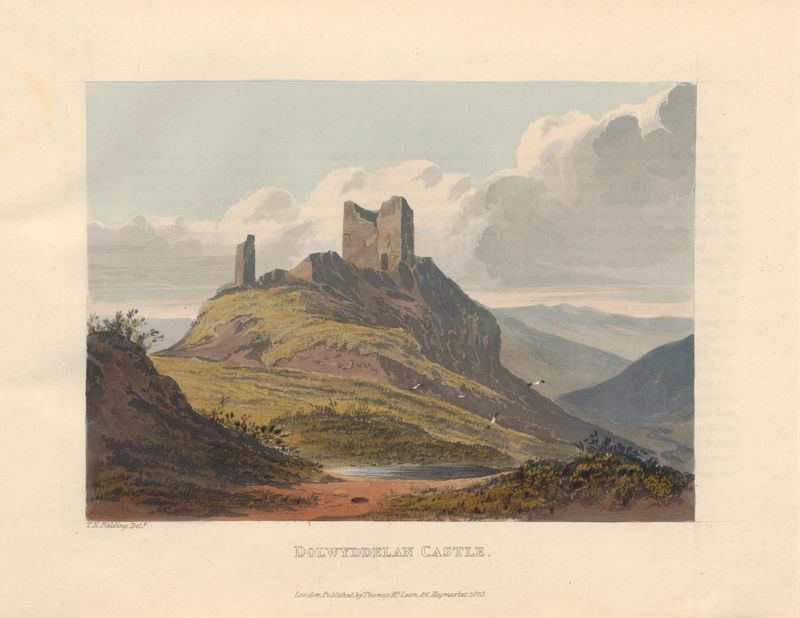
Dolwyddelan Castle
Theodore Henry Adolphus Fielding
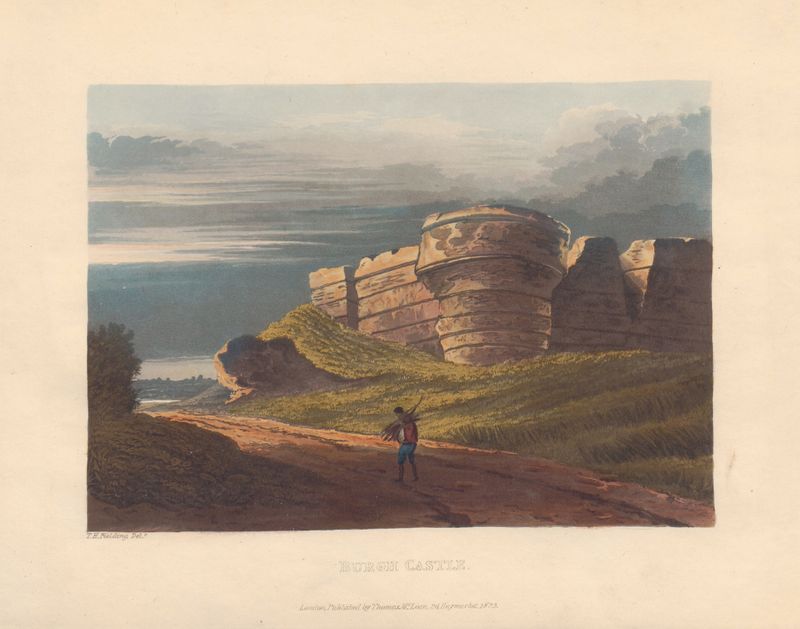
Burgh Castle
Theodore Henry Adolphus Fielding
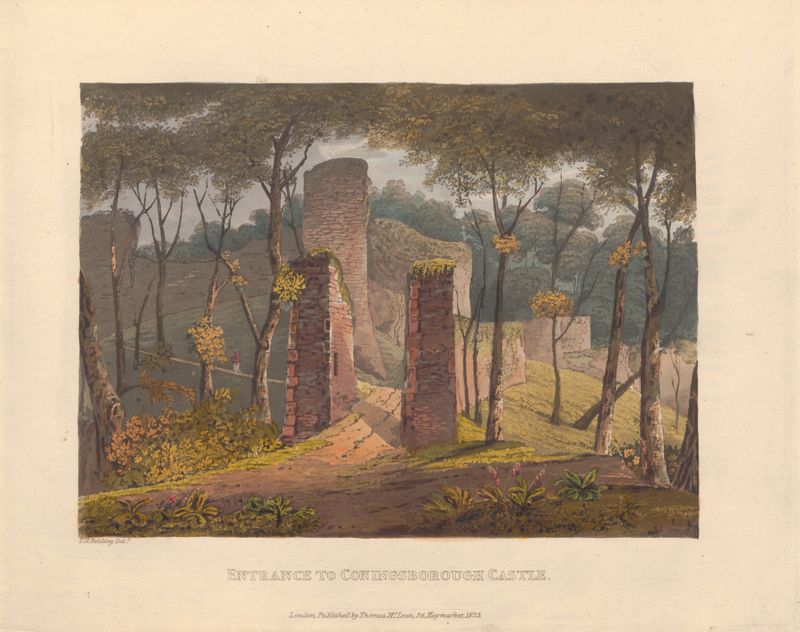
Entrance to Coningsborough Castle
Theodore Henry Adolphus Fielding
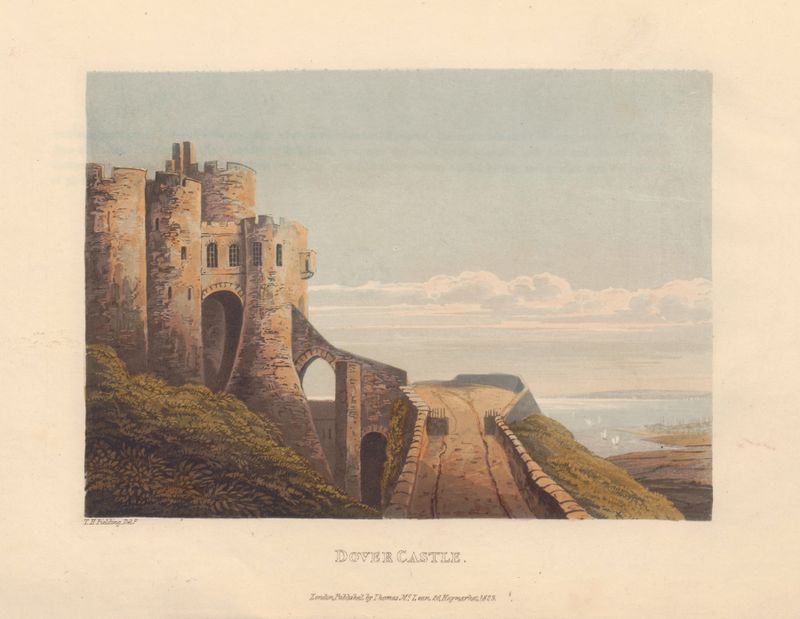
Dover Castle
Theodore Henry Adolphus Fielding





