Camera di San Paolo — History & Facts
What first seizes the eye in Camera di San Paolo is the illusion of a dome that seems to open up into a fantastical sky, a feat of painted architecture that transforms the ceiling into a living theater of myth and play. The radial composition draws your gaze outward from a golden sunburst, each spoke leading to an oval window where putti—those mischievous, plump children of Renaissance imagination—peer down or lounge at their leisure. The painted latticework and verdant green background create a sense of depth and airiness, as if the ceiling itself dissolves into a garden pavilion, inviting the viewer into a world of perpetual festivity. This is the kind of visual invention that flourished in early sixteenth-century Italy, when artists like Antonio da Correggio were called upon to dazzle private patrons with wit and technical bravura.
Painted in 1519, as documented by its source, the work belongs to a moment when illusionistic frescoes were prized for their ability to turn ordinary rooms into enchanted spaces. While history has left few traces of the specific circumstances of this ceiling, its playful cherubs and classical motifs speak to a culture fascinated by antiquity, pleasure, and the transformative power of art. The ceiling’s exuberance and spatial trickery invite you to linger, searching out each figure and marveling at the audacity of painting that pretends to be architecture.
More Artworks by Antonio da Correggio

Virgin and Child with the Young Saint John the Baptist
Antonio da Correggio
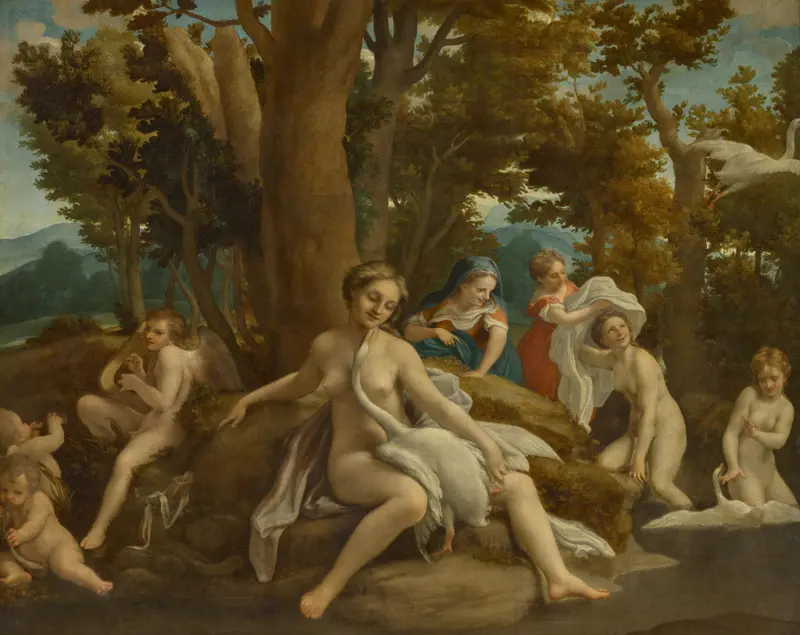
Leda and the Swan
Antonio da Correggio
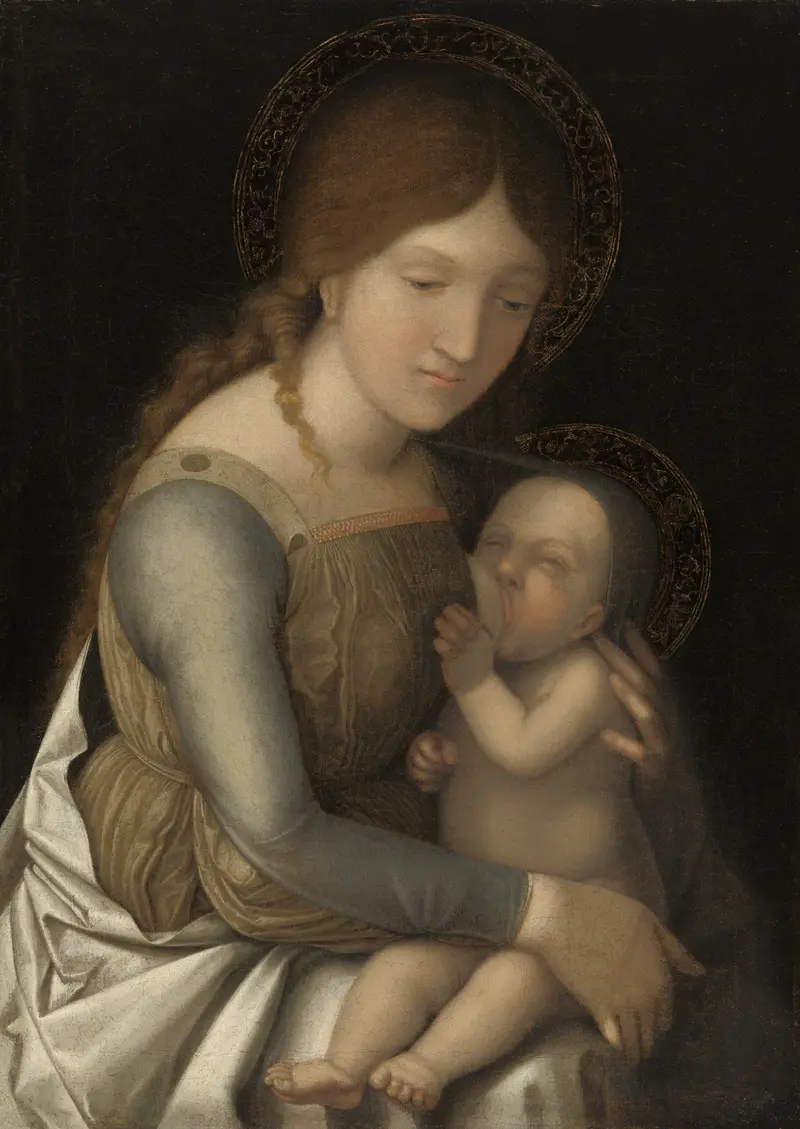
Madonna and Child
Antonio da Correggio
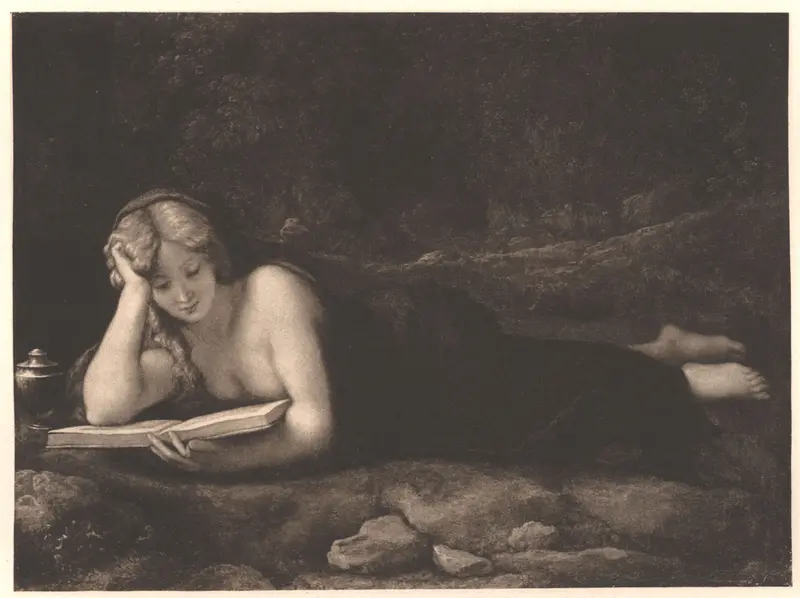
Penitent Magdalene
Antonio da Correggio
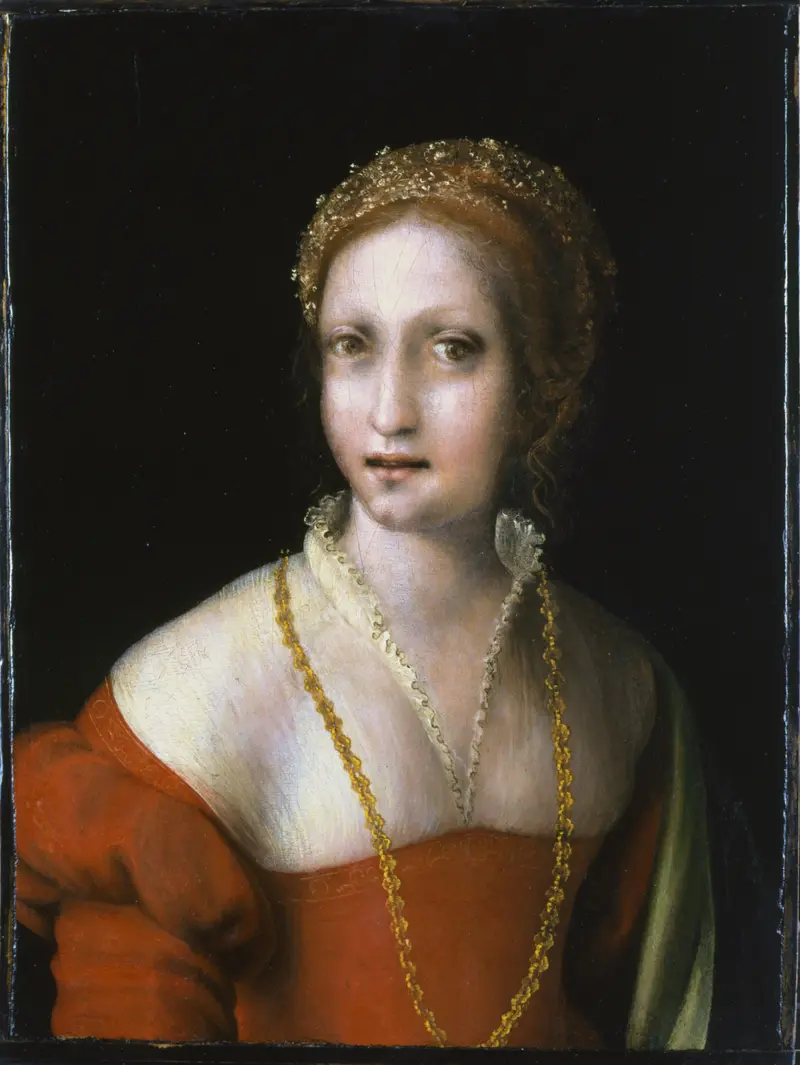
Portrait of a Young Girl
Antonio da Correggio
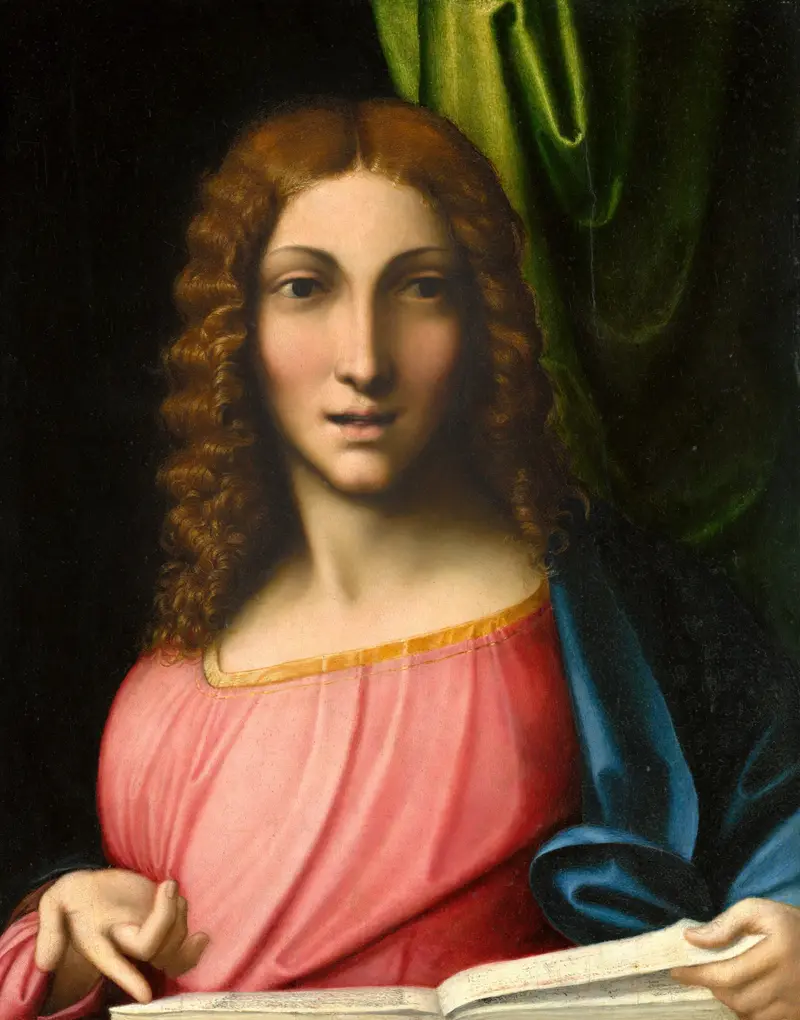
Christ in the Temple
Antonio da Correggio

Nativity
Antonio da Correggio
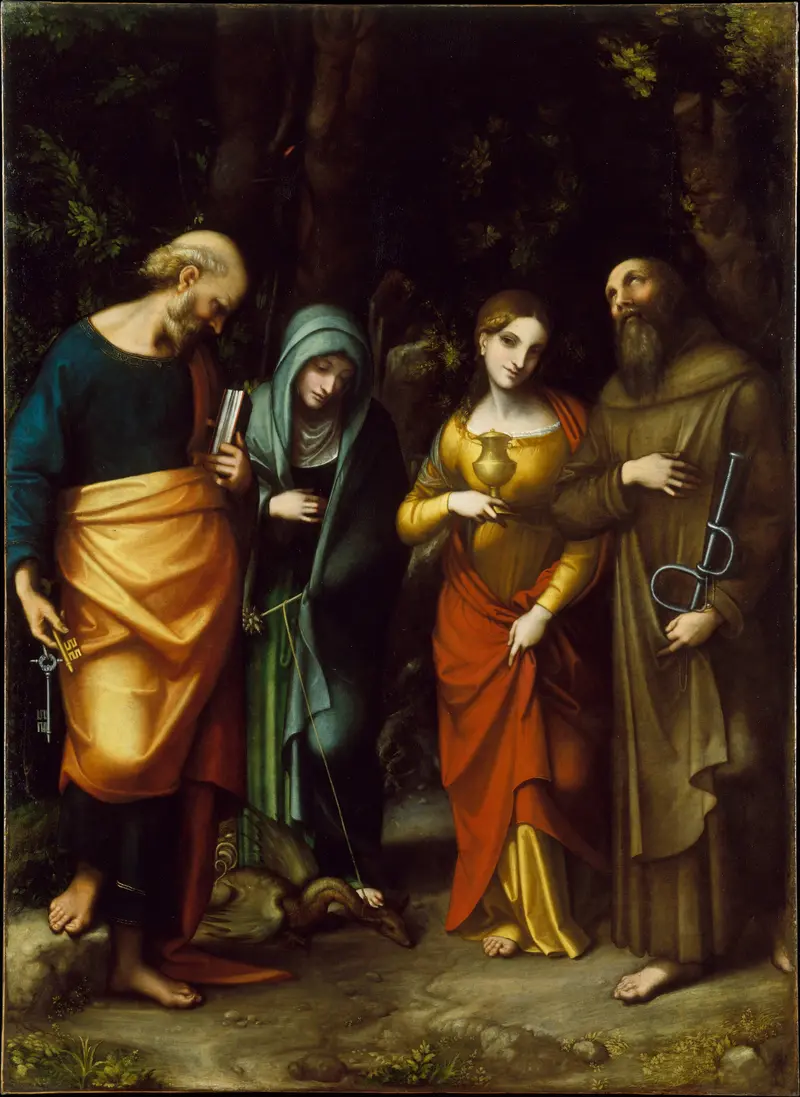
Saints Peter, Martha, Mary Magdalen, and Leonard
Antonio da Correggio
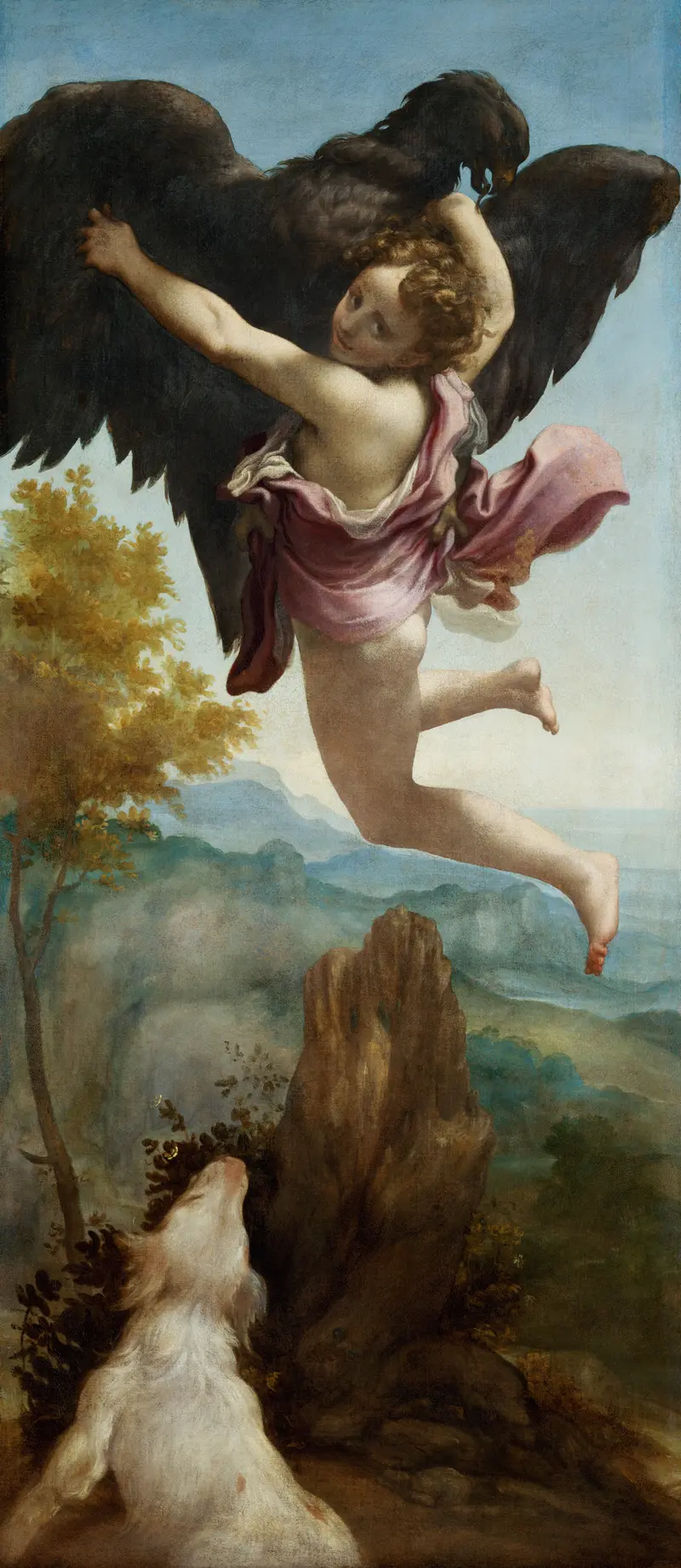
The Loves of Jupiter
Antonio da Correggio

Study for the "Madonna della Scodella" [recto]
Antonio da Correggio