
Cap. Babeo and Cucuba — History & Facts
In Cap. Babeo and Cucuba, Jacques Callot presents a lively scene filled with vibrant colors. The figures are depicted in a dynamic arrangement, showcasing their interactions.
The setting appears to be a lively gathering, possibly in a marketplace or a festive environment. Rich reds and greens dominate the palette, adding to the energy of the composition. This artwork is an etching, a medium that allows for fine details and textures. Callot's technique is evident in the intricate lines and shading, which bring depth to the figures.
The dimensions are approximately 30 x 40 cm, making it a relatively small piece that invites close inspection. The work reflects the Baroque style, characterized by its dramatic expressions and lively scenes. Jacques Callot was a prominent French artist known for his etchings and depictions of everyday life. Cap.
Babeo and Cucuba showcases his ability to capture the essence of social interactions. An interesting fact about this work is that it reflects the cultural vibrancy of 17th-century France, where such gatherings were common. Callot's works often served as social commentary, providing insight into the lives of ordinary people.
More Artworks by Jacques Callot

De verloren zoon als zwijnenhoeder
Jacques Callot
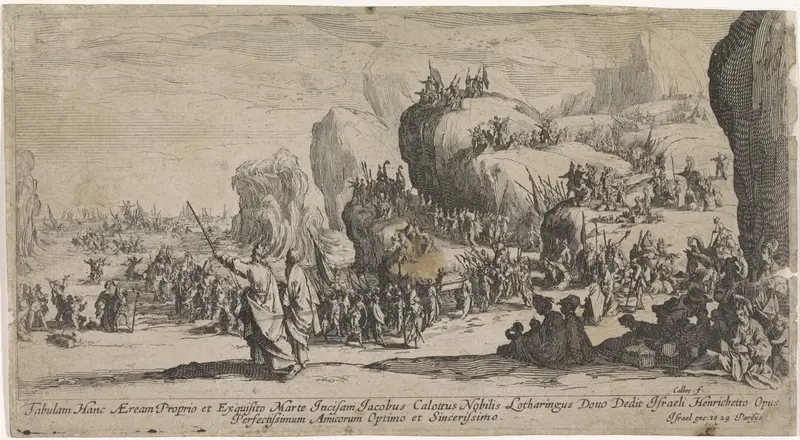
De doortocht door de Rode Zee
Jacques Callot

Kruisiging
Jacques Callot
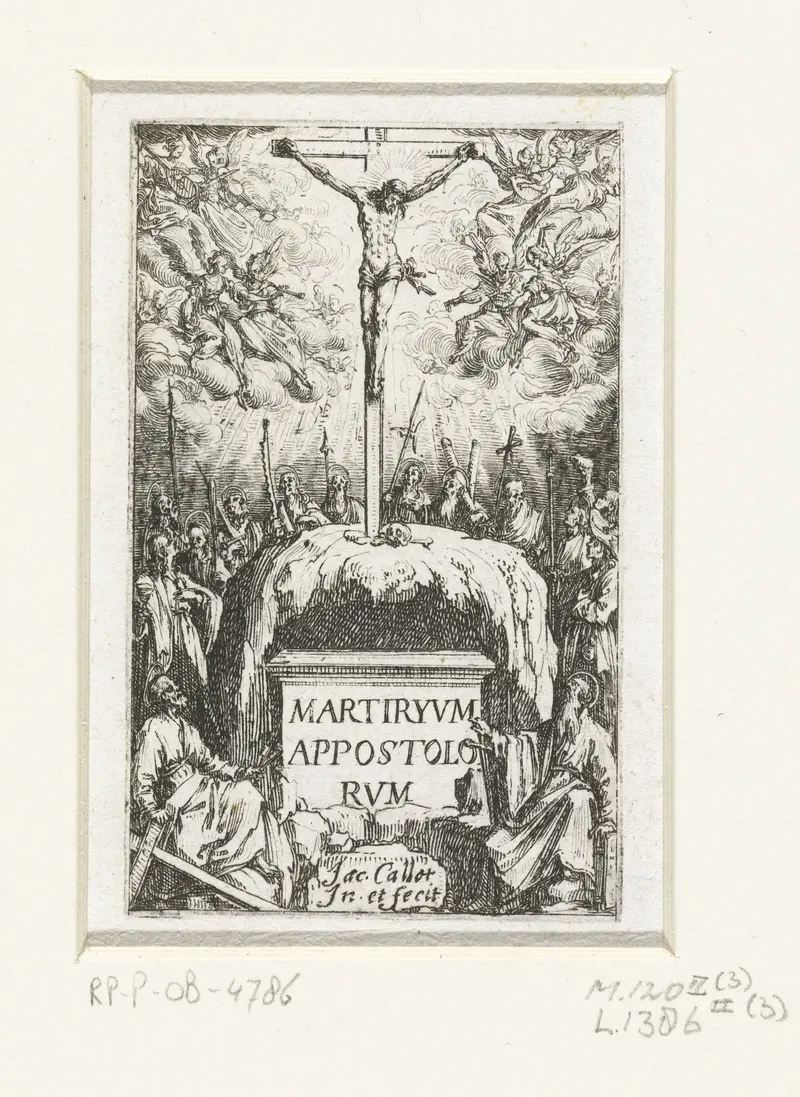
Titelprent voor de prentreeks 'De kleine apostelen' (Het martelaarschap van de apostelen)
Jacques Callot
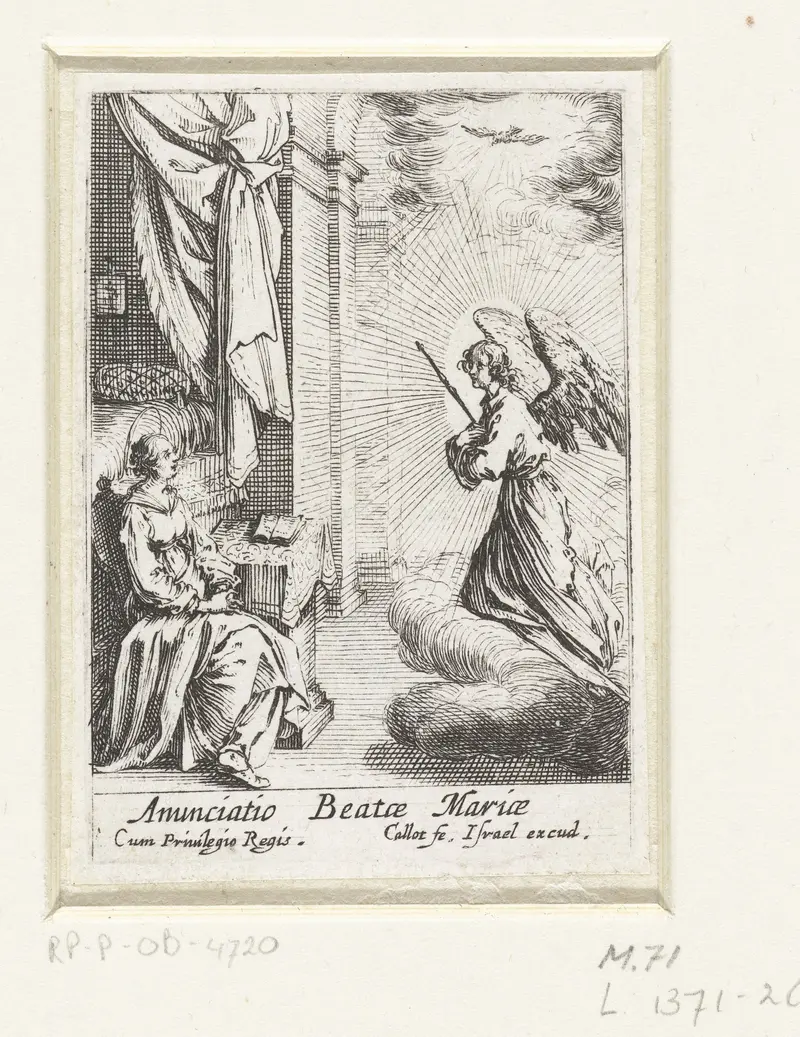
Annunciatie
Jacques Callot
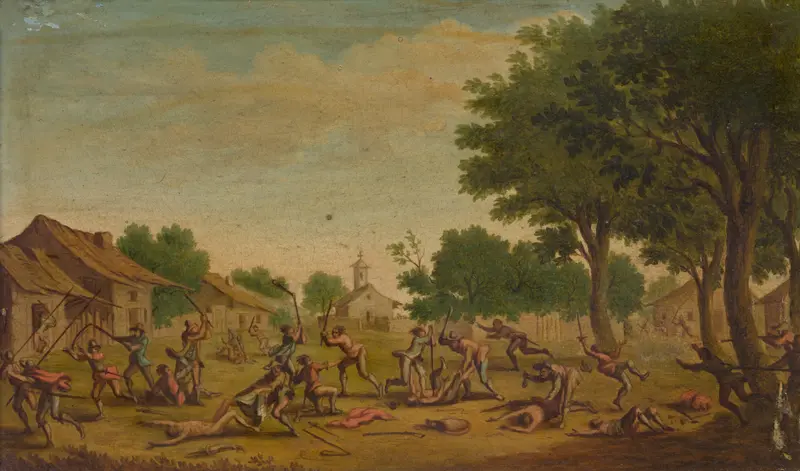
Village Fight
Jacques Callot
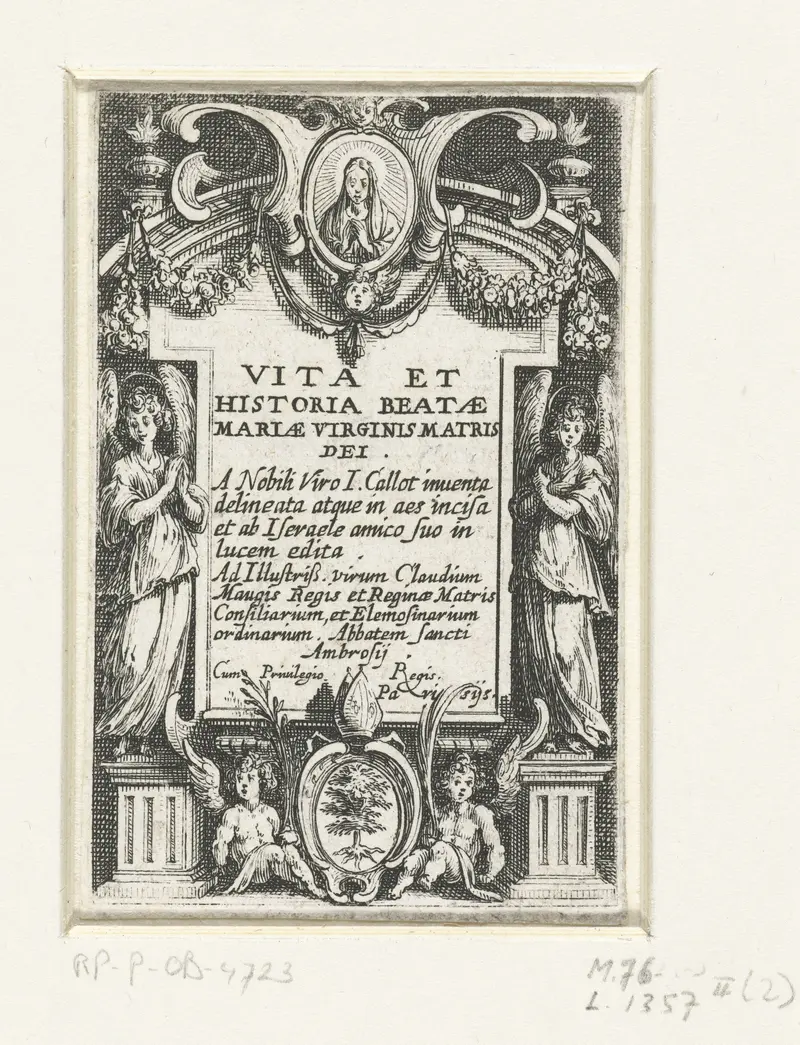
Titelprent voor prentreeks 'Het leven van Maria'
Jacques Callot
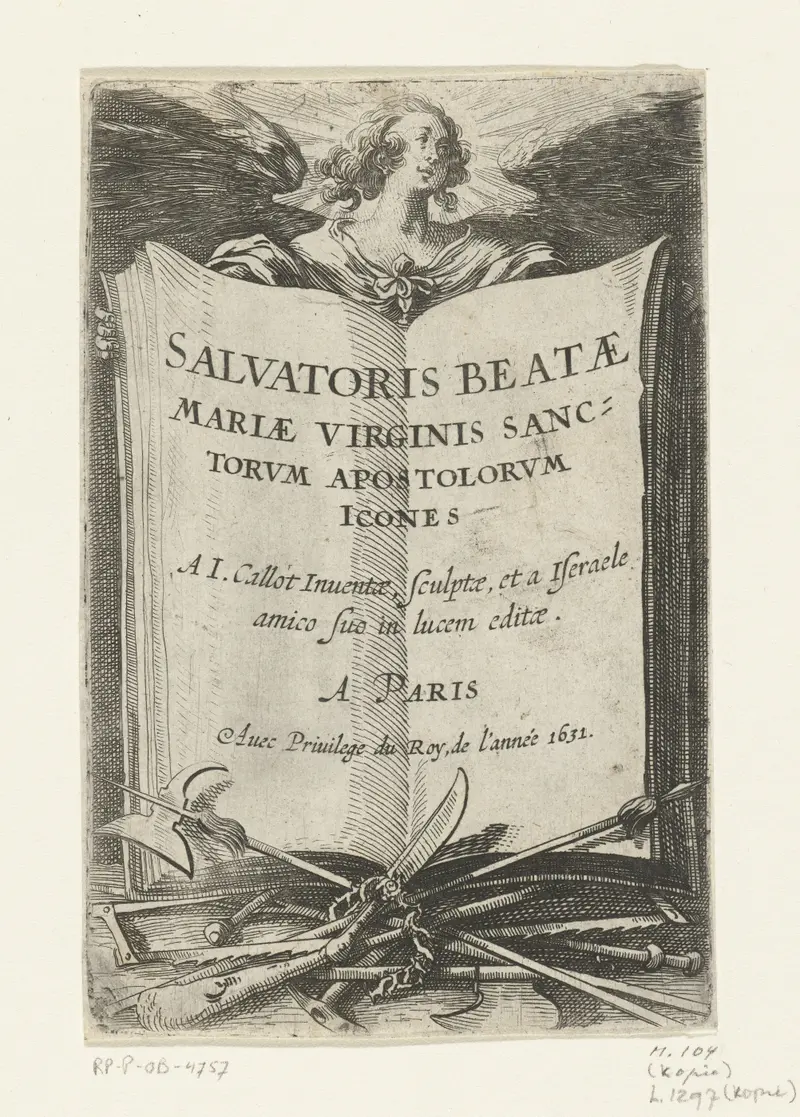
Titelprent voor de prentreeks 'De grote apostelen' (Christus, Maria en de apostelen)
Jacques Callot

Kruisoprichting
Jacques Callot
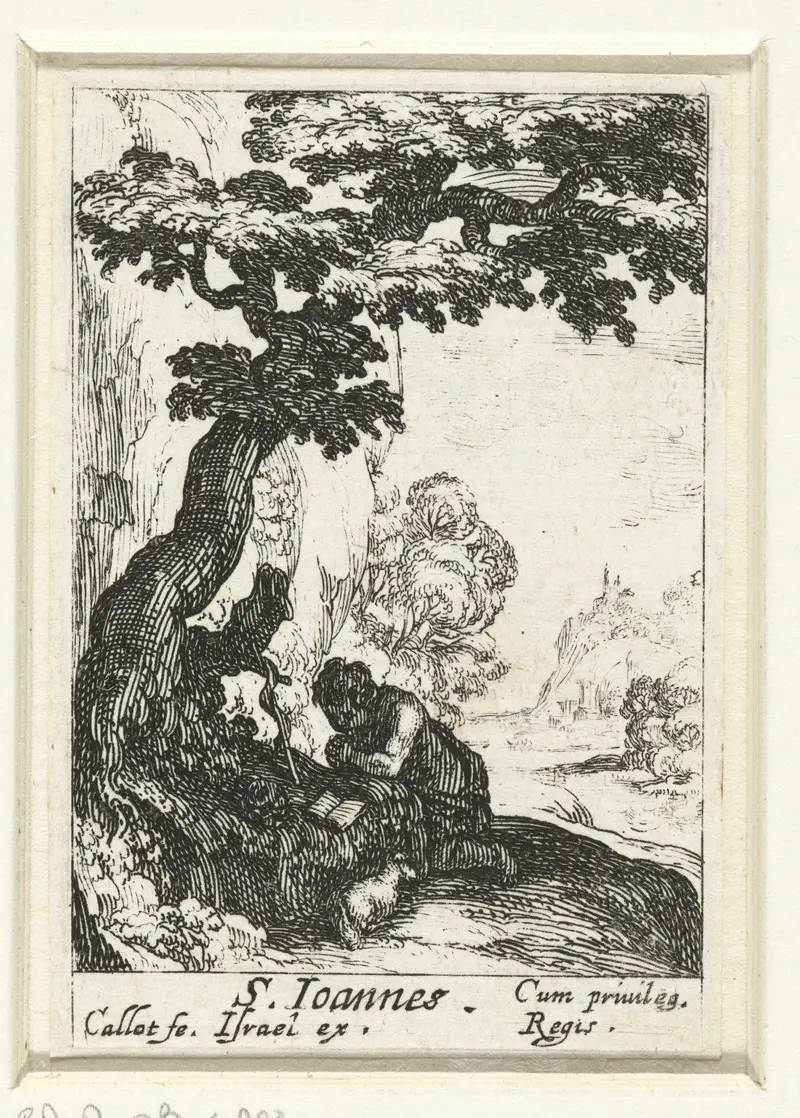
De boetvaardige Johannes de Doper
Jacques Callot
More Genre Scene Art

Banquet of the Officers of the St George Civic Guard
Frans Hals

Rembrandt and Saskia in the Scene of the Prodigal Son
Rembrandt van Rijn

Bal du moulin de la Galette
Pierre-Auguste Renoir

Quadrille at the Moulin Rouge
Henri de Toulouse-Lautrec

A Burial at Ornans
Gustave Courbet

When Will You Marry?
Paul Gauguin