
Card Players — History & Facts
The first thing that seizes the eye in Card Players is its radical geometry: four figures, their faces and bodies reduced to a language of triangles, rectangles, and arcs, gathered around a green table that anchors the scene. The players’ hats, the cards on the wall, even the pipe resting on the tabletop—all are translated into flat planes and sharp lines, as if the ordinary ritual of a card game has been filtered through a prism. The palette is deliberate and bold: deep blues and reds, ochre, black, and green, each shape outlined in black, lending the composition a clarity that is almost architectural.
The white arch behind the group frames them like a halo, isolating the moment and focusing attention on the act of play itself, while the scattered cards in the upper corners hint at the stakes and fortunes in motion. Created in 1916, this work belongs to a world on the brink of transformation. In the years surrounding the First World War, artists across Europe were breaking down the visible world into its essential forms, searching for a new visual language that could express the spirit of modernity. Theo van Doesburg would soon be a leading figure in De Stijl, but here we see him experimenting with Cubist and abstract vocabularies, flattening space and subject alike.
Little is recorded about the commission or early history of this particular painting, now preserved in a Dutch collection, but its date places it at a crossroads: the old world of café tables and card games colliding with the new logic of abstraction. The longer you look, the more the familiar dissolves into pure pattern—and the more the game at the table becomes a game of seeing itself.
More Artworks by Theo van Doesburg
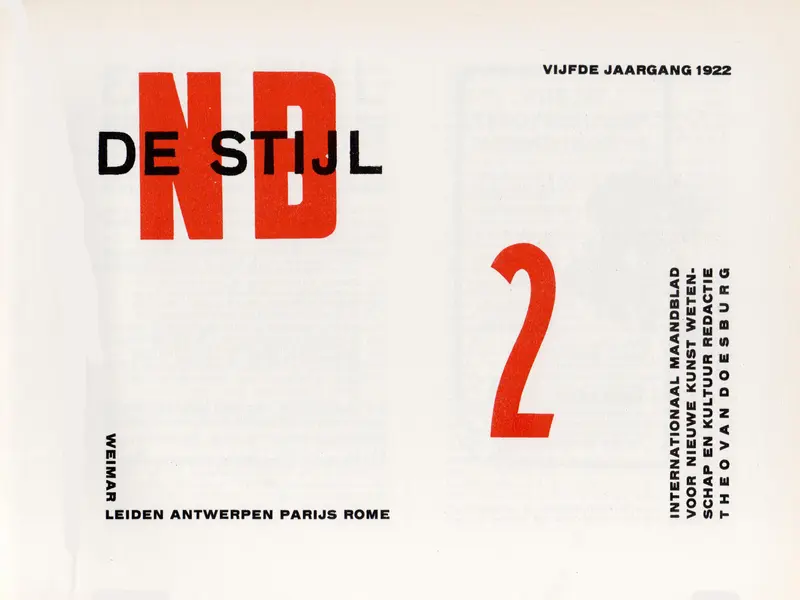
De Stijl, vol. 5, no. 2 (cover)
Theo van Doesburg
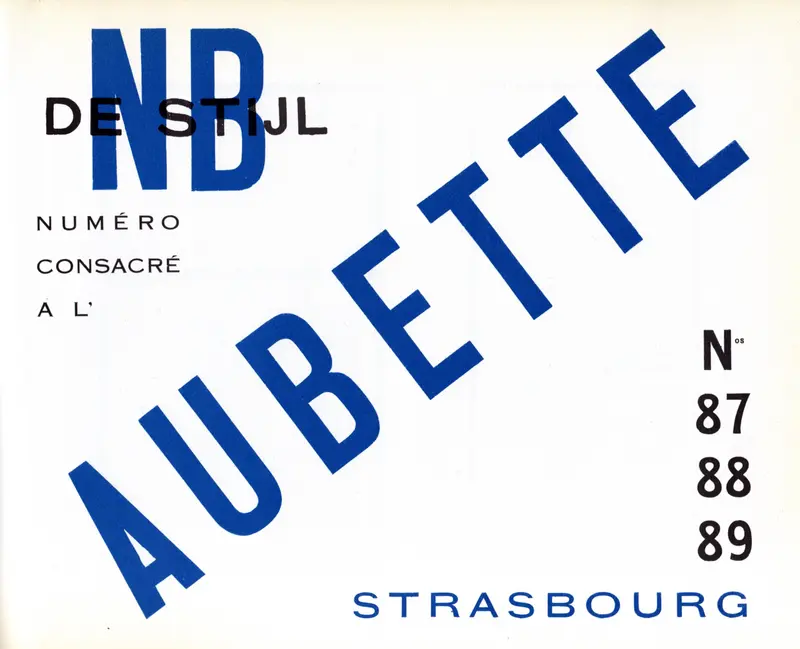
De Stijl, nos. 87–89: Aubette Issue (cover)
Theo van Doesburg
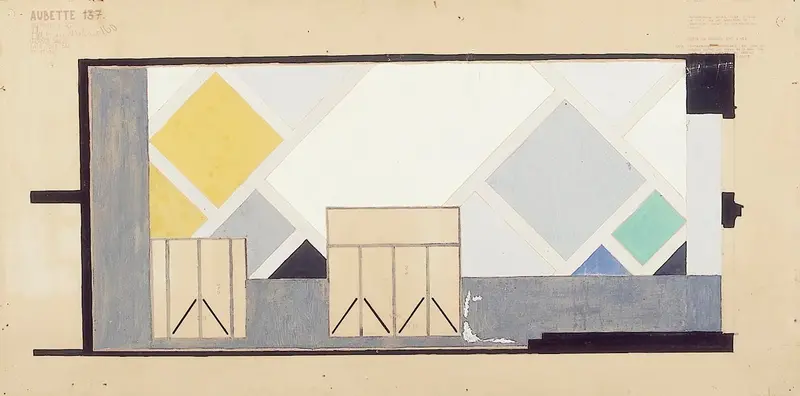
Aubette Ciné-Dancing: Final Color Design for a Wall
Theo van Doesburg
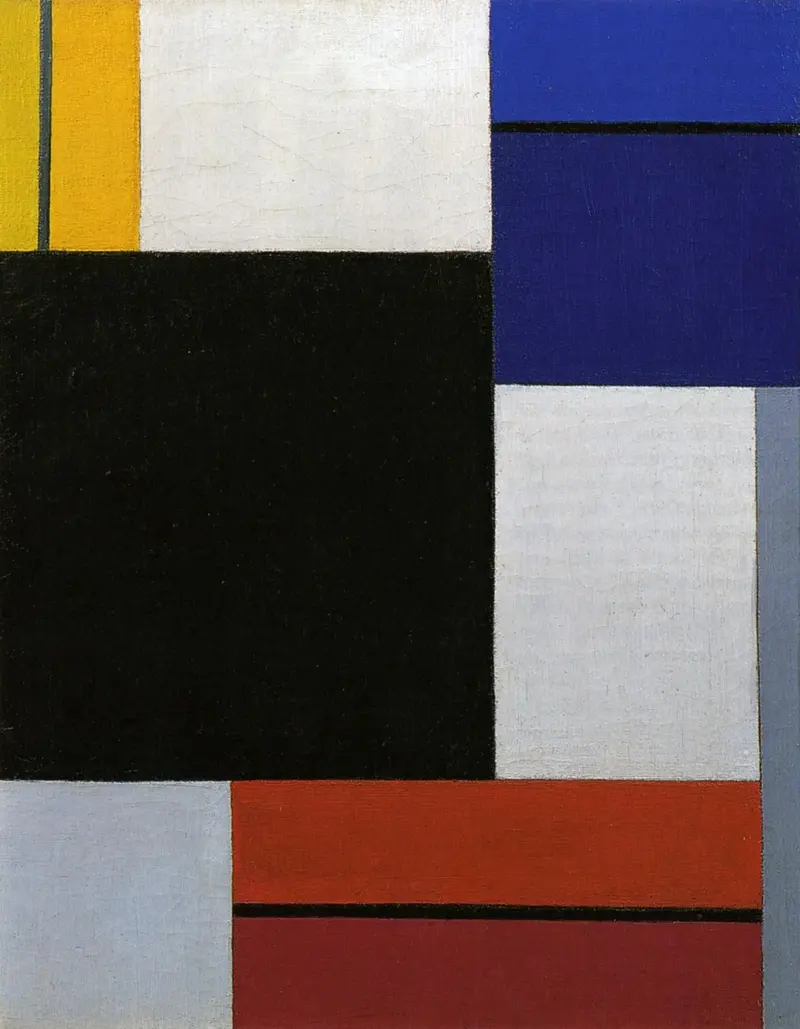
Composition XXI
Theo van Doesburg
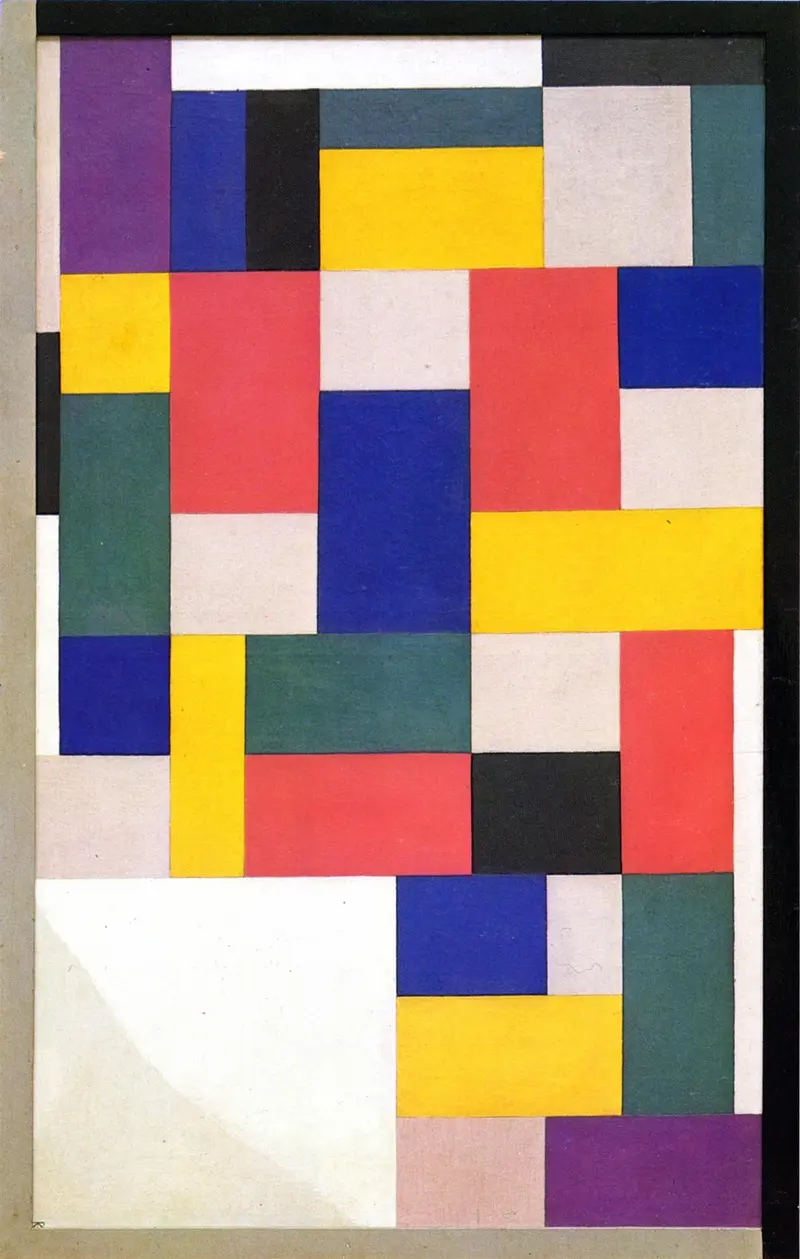
Pure Painting
Theo van Doesburg
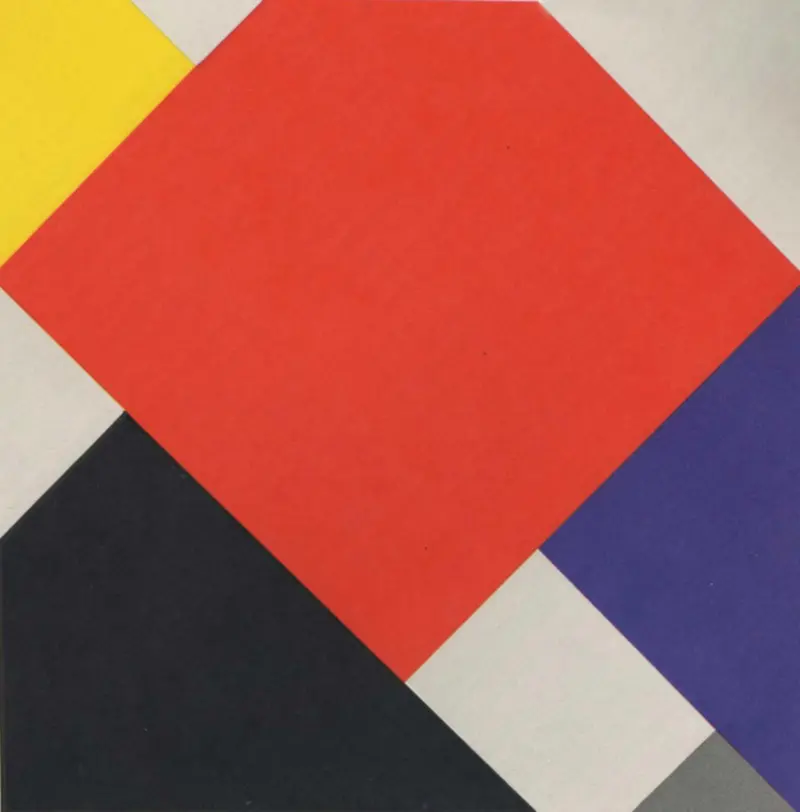
Counter-Composition V
Theo van Doesburg
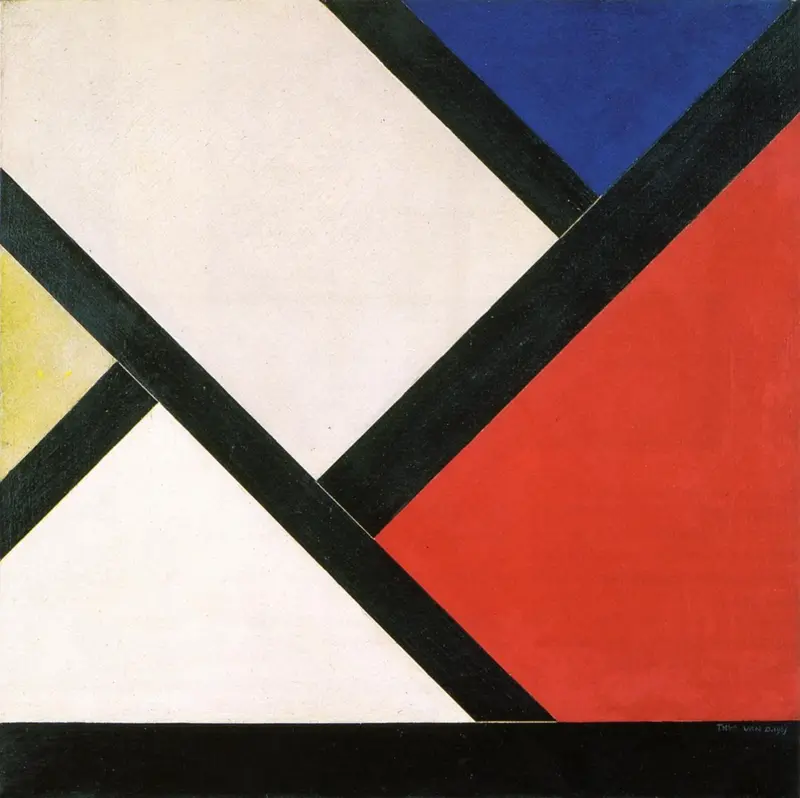
Counter-Composition XIV
Theo van Doesburg
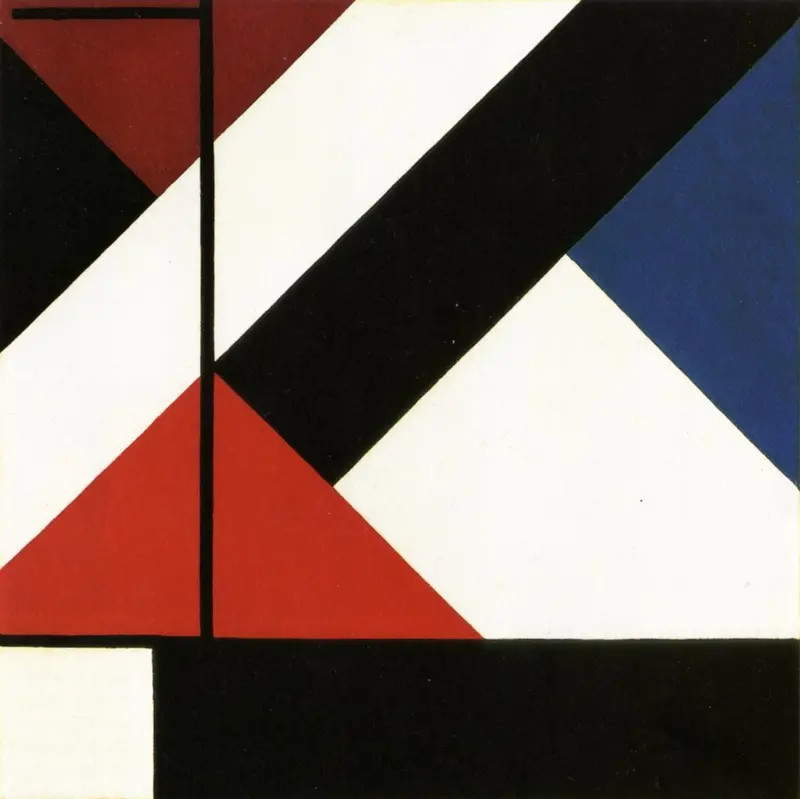
Simultaneous Counter-Composition
Theo van Doesburg
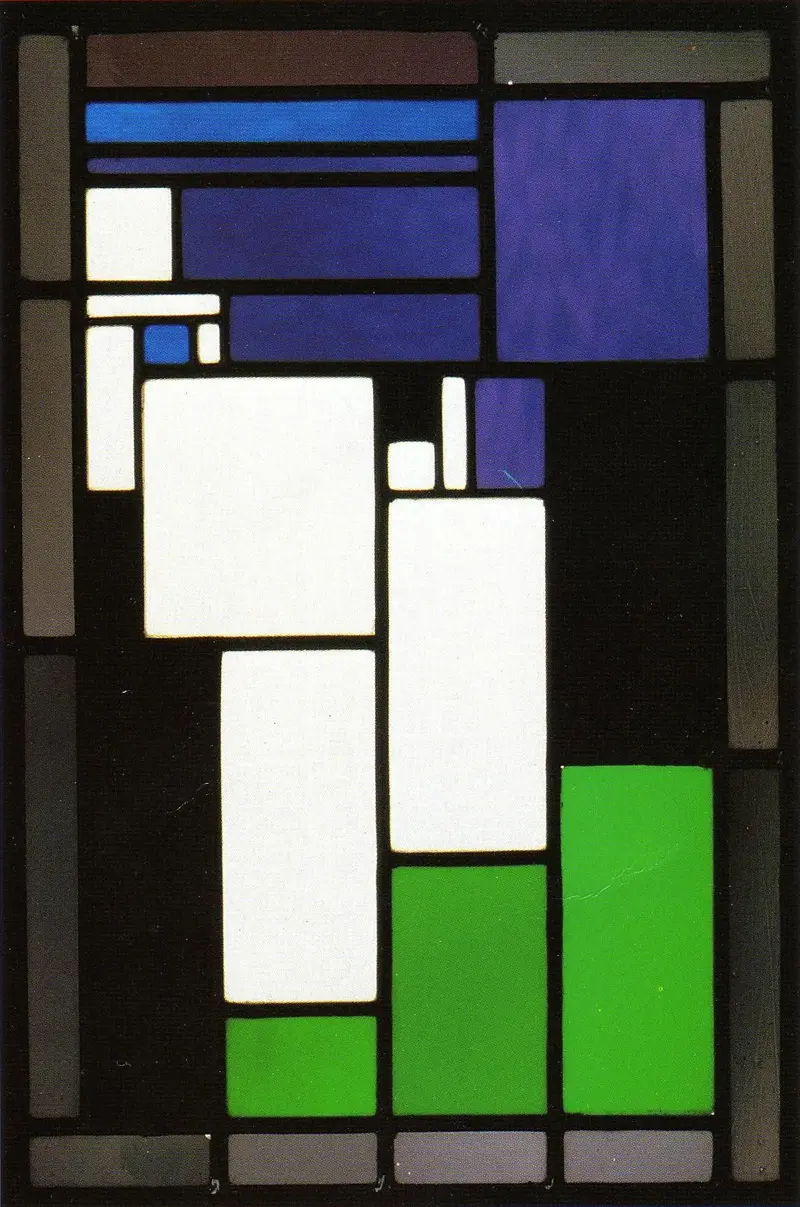
Stained-Glass Composition: Female Head
Theo van Doesburg
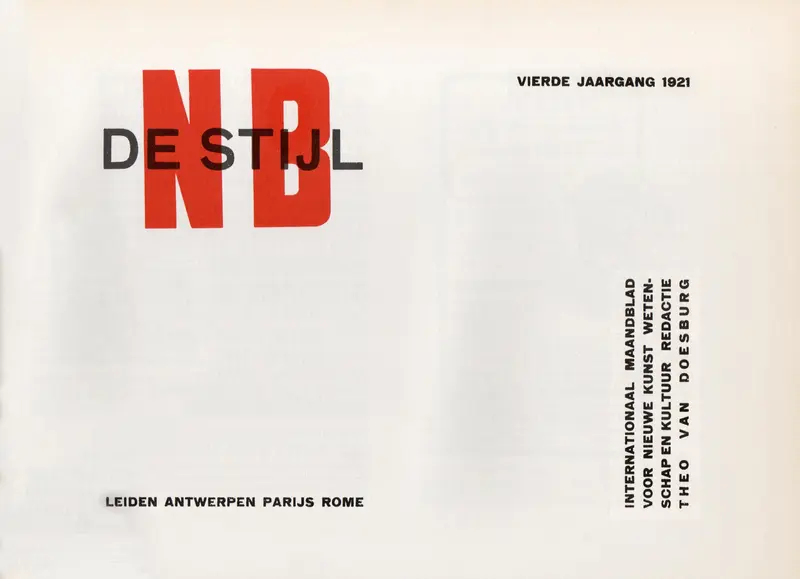
De Stijl, vol. 4, no. 2 (cover)
Theo van Doesburg
More Genre Scene Art

Banquet of the Officers of the St George Civic Guard
Frans Hals

Rembrandt and Saskia in the Scene of the Prodigal Son
Rembrandt van Rijn

Bal du moulin de la Galette
Pierre-Auguste Renoir

Quadrille at the Moulin Rouge
Henri de Toulouse-Lautrec

A Burial at Ornans
Gustave Courbet

When Will You Marry?
Paul Gauguin