Celtic Ornament No. 1 — History & Facts
What first catches the eye in Celtic Ornament No. 1 is the restless energy of its interlacing lines—each knot and spiral seems to tug at the next, pulling the viewer deeper into a world of pattern and symbol. The central form, a tall cross slab, is alive with coiling beasts and endless knots, their bodies looping in and out of geometric borders that never quite resolve.
The artist’s hand, guided by the logic of ancient craftsmen, balances the rigid clarity of geometry with the wildness of animal forms: a dragon’s head emerges from a swirl, a bird’s wing dissolves into lattice. The golden palette, heightened by the crisp lines of chromolithography, gives the whole page a sense of preciousness, as if the ornaments themselves were newly unearthed from a burial mound. This image belongs to the 19th-century fascination with historical ornament, a period when designers and scholars scoured the past for inspiration and system. Owen Jones’s The Grammar of Ornament, first published in the mid-1800s and reissued in London in 1910, became a touchstone for this movement, offering artists a visual encyclopedia of global design.
Plates like this one, now preserved in the Polona Digital Library, were not just illustrations—they were tools for education, argument, and invention. In an age when industrialization threatened to flatten visual culture, such works insisted on the value of local tradition and the power of the handmade. Let your eye wander the labyrinths here, and you glimpse the Victorian dream: that every line, no matter how old, might spark something new.
More Artworks by Owen Jones

Greek Ornament No. 1
Owen Jones
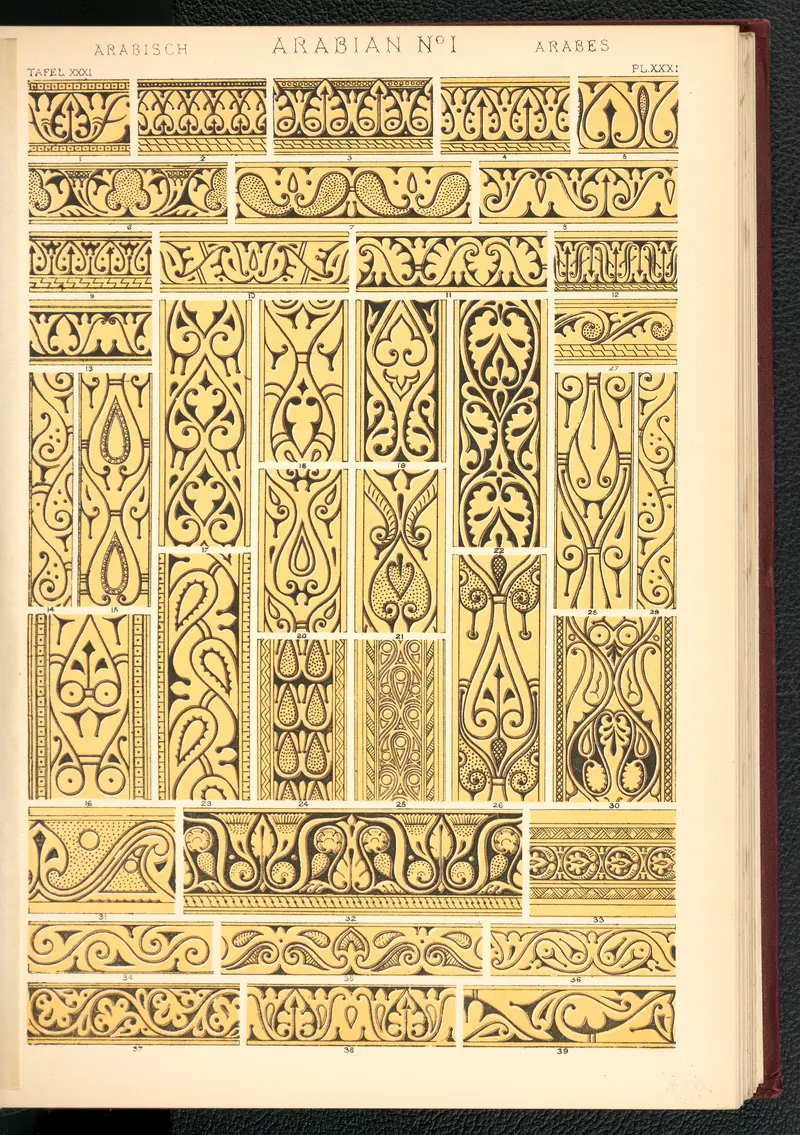
Arabian Ornament No. 1
Owen Jones
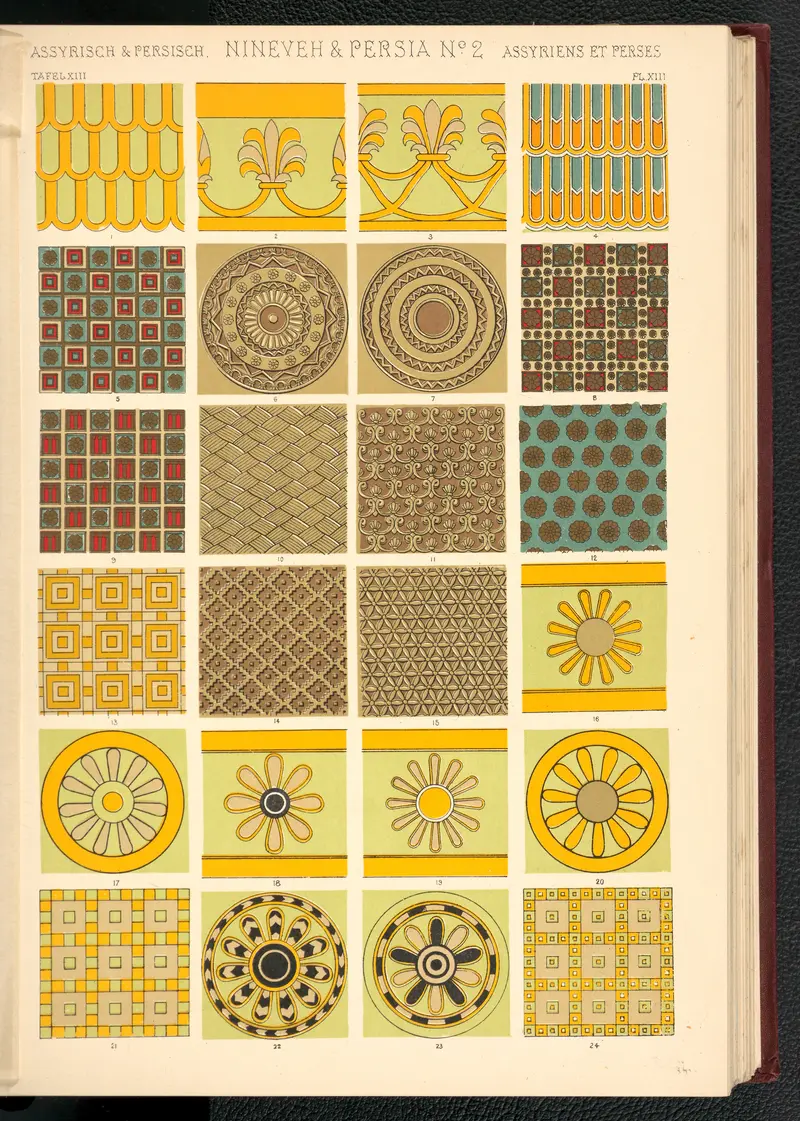
Assyrian Ornament No. 2
Owen Jones

Egyptian Ornament No. 3
Owen Jones
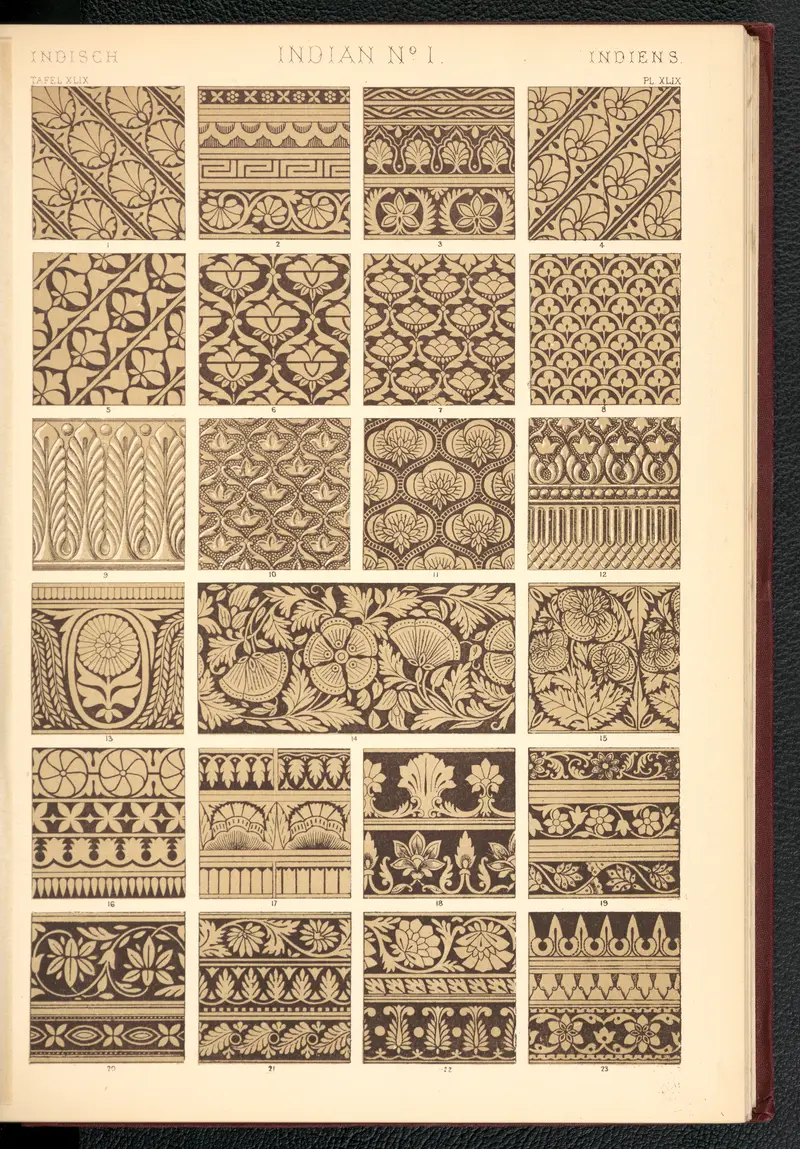
Indian Ornament No. 1
Owen Jones
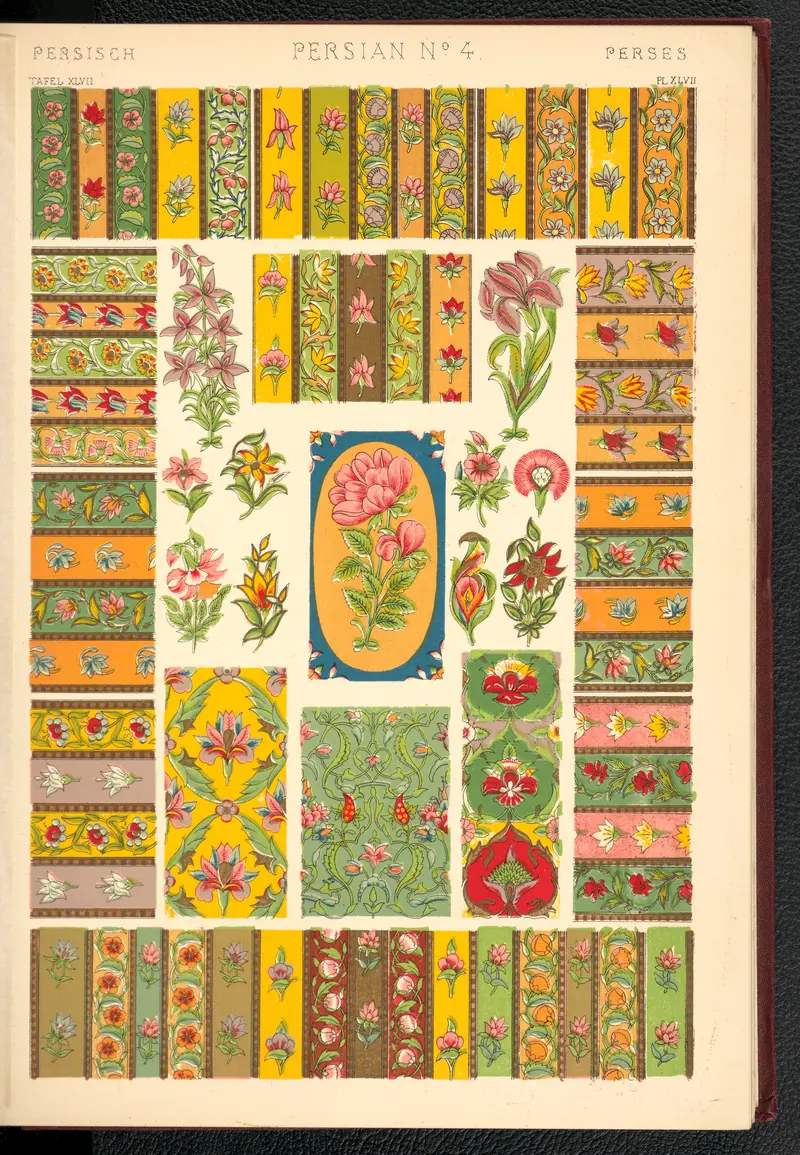
Persian Ornament No. 4
Owen Jones
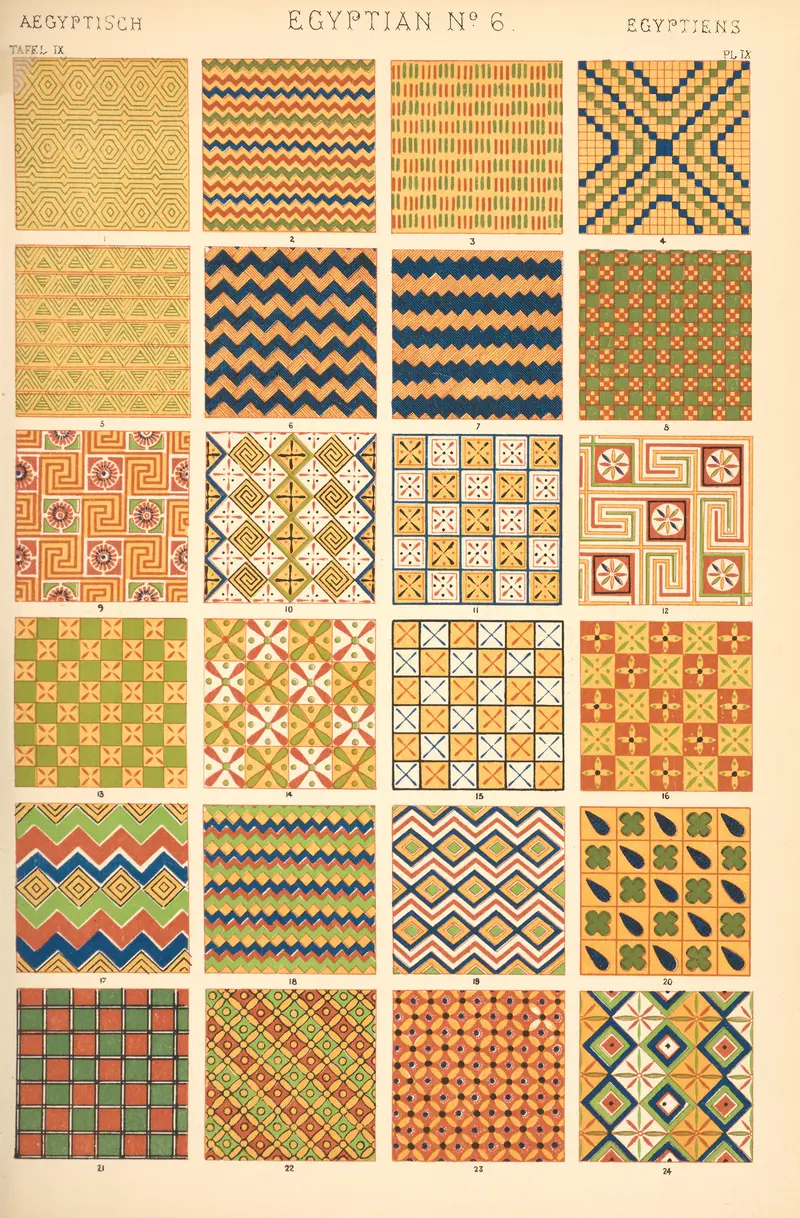
Egyptian Ornament No. 6
Owen Jones
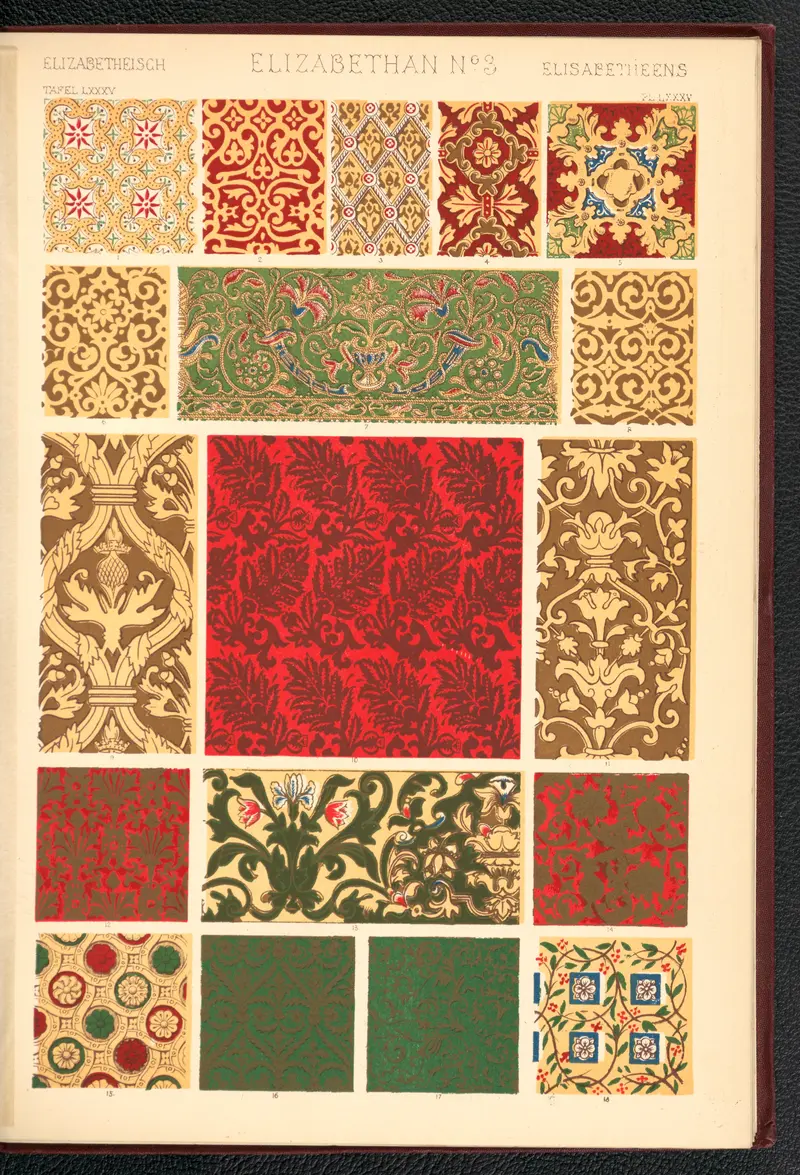
Elizabethan Ornament No. 3
Owen Jones
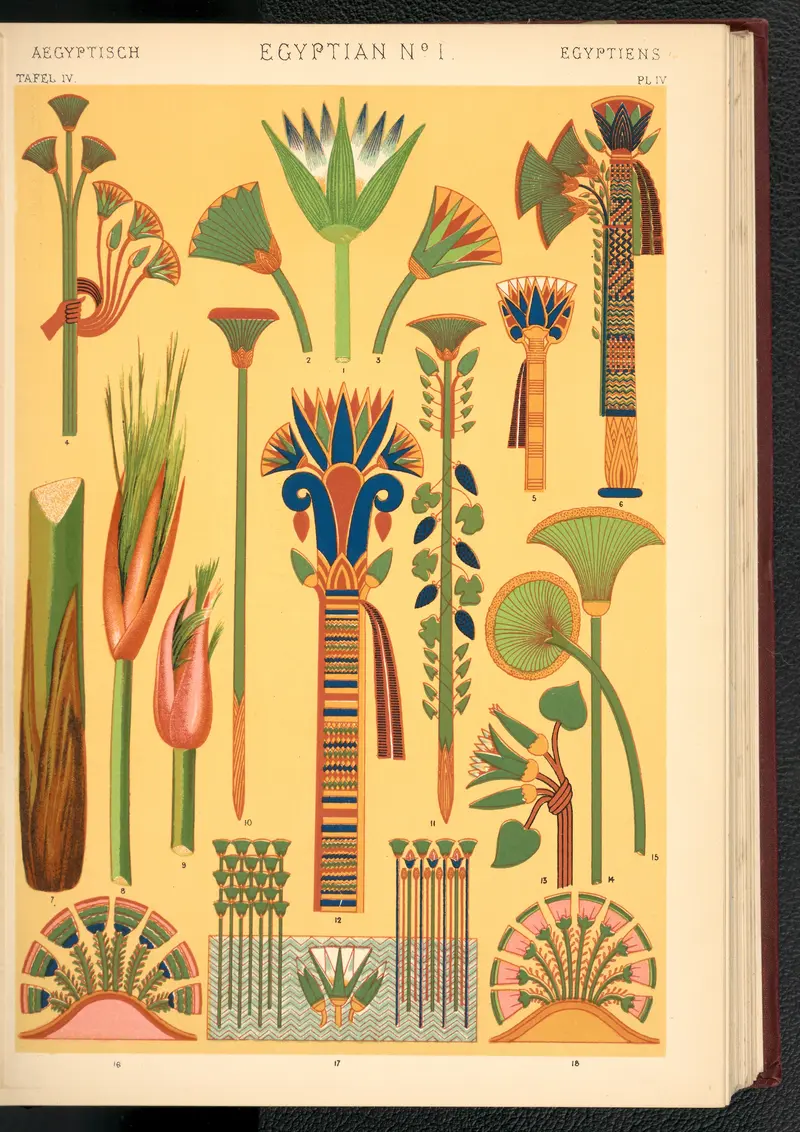
Egyptian Ornament No. 1
Owen Jones
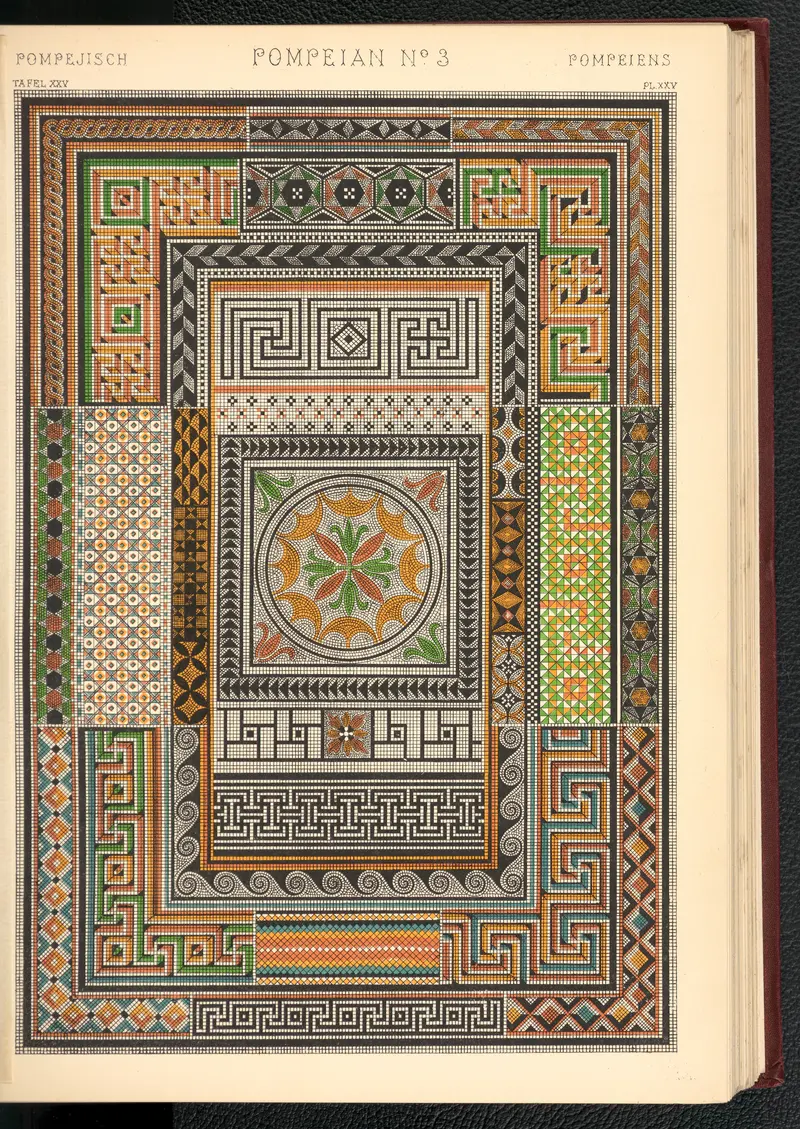
Pompeian Ornament No. 3
Owen Jones