
Centaur (Le centaure) — History & Facts
A wild, muscular figure—half man, half horse—bursts from the tangled undergrowth, his powerful arms capturing a twisting, desperate woman. The drama is immediate, almost mythic: the centaur’s body curves in a sweeping arc, while the woman’s limbs reach skyward, her hair streaming in the rush. The artist’s bold, swirling lines carve out the forms with a sense of both violence and motion, the black and white contrast heightening the urgency.
The eye is drawn from the centaur’s broad back to the woman’s outstretched arm, then outward to the distant horizon, where tiny riders echo the mythic chase. At the bottom, a fragment of poetry is inscribed, deepening the sense of ancient legend and loss. Created in 1896, Centaur (Le centaure) by Auguste Lepère belongs to a moment when artists were rediscovering the power of myth and the expressive force of the woodcut. The fin de siècle in France was a time of both nostalgia and innovation: Symbolist poets and artists reached for the archetypes of antiquity, while printmakers like Lepère revived and modernized age-old techniques.
This work, now in the collection of the National Gallery of Art, stands as a testament to that restless spirit—its mythic violence and swirling forms capture both the anxieties and the creative energy of its era. The centaur’s chase, frozen in stark lines, invites us to look again and wonder what ancient fears and desires still stir beneath the surface.
More Artworks by Auguste Lepère

Le Pont-Neuf (Paris)
Auguste Lepère
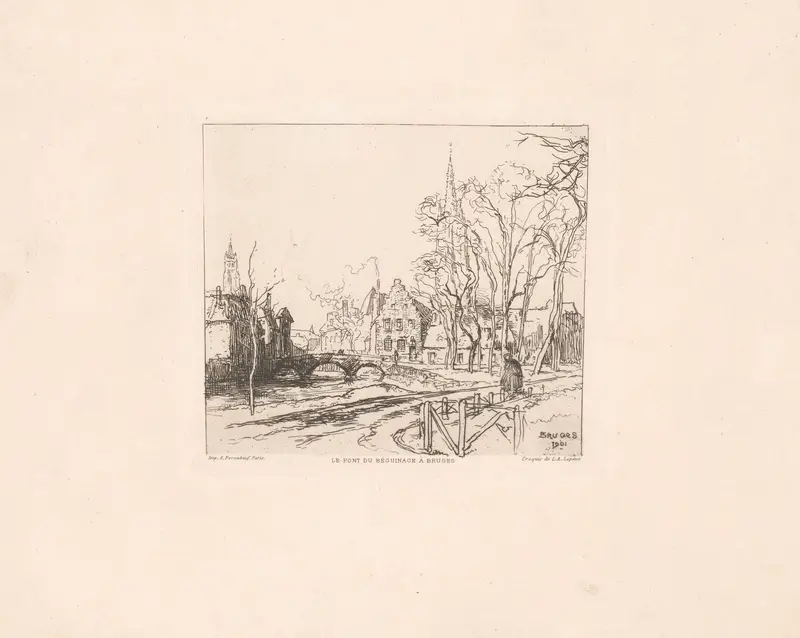
Le pont du Beguinage à Bruges
Auguste Lepère
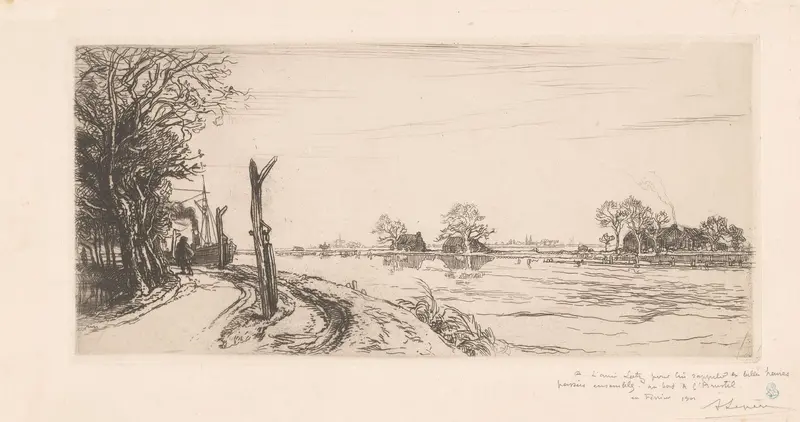
Au bord de l’Amstel
Auguste Lepère
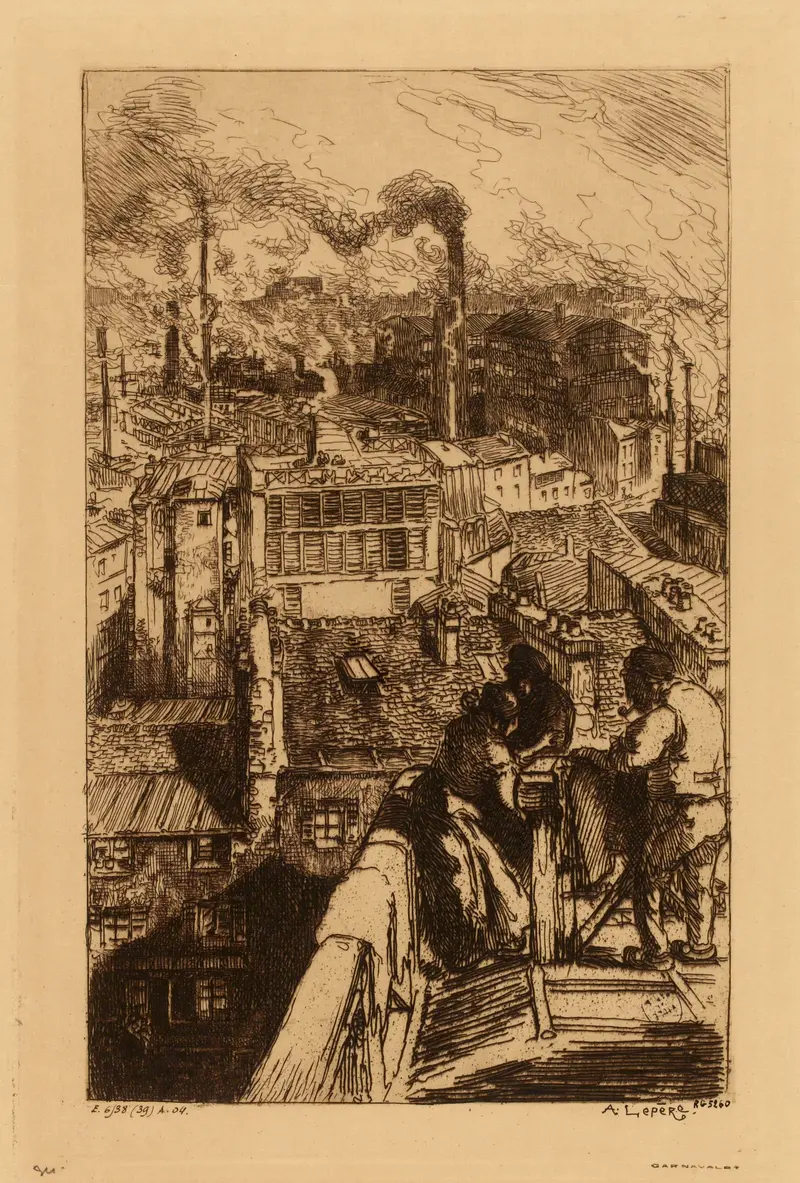
Le quartier des Gobelins
Auguste Lepère
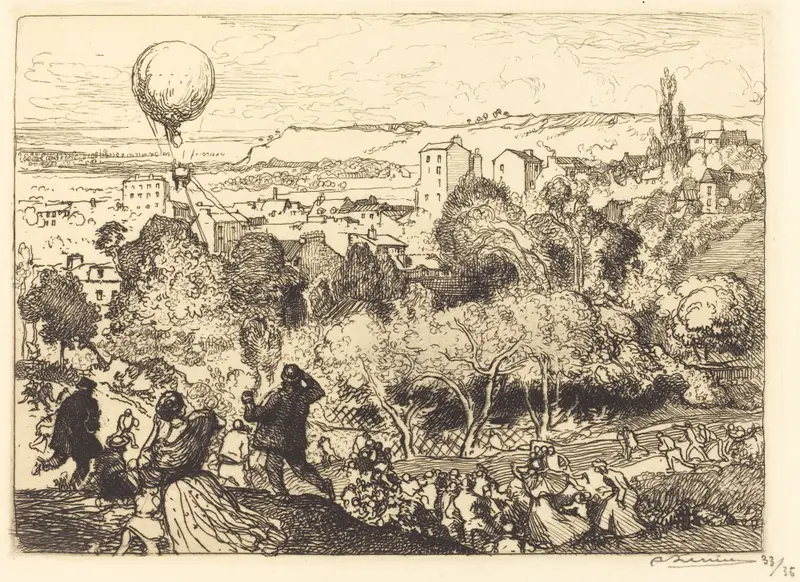
The Falling Balloon, in Pre-Saint-Gervais (Lebaloon qui tombe, au Pre-Saint-Gervais)
Auguste Lepère
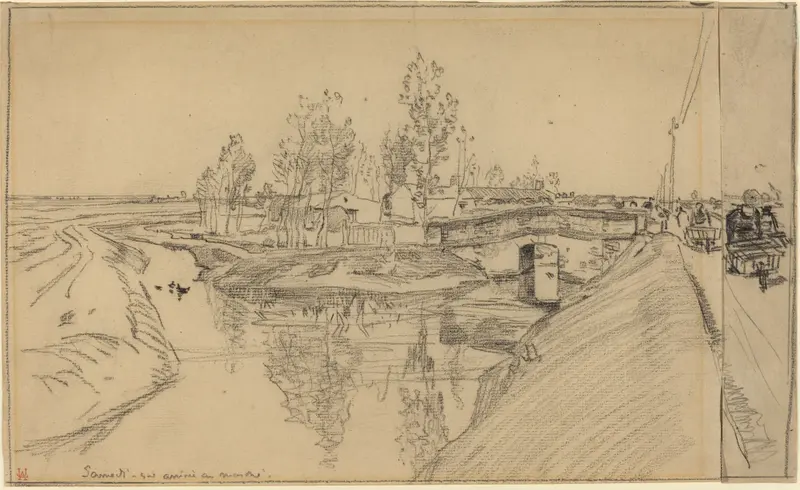
Arrivee au Marche
Auguste Lepère
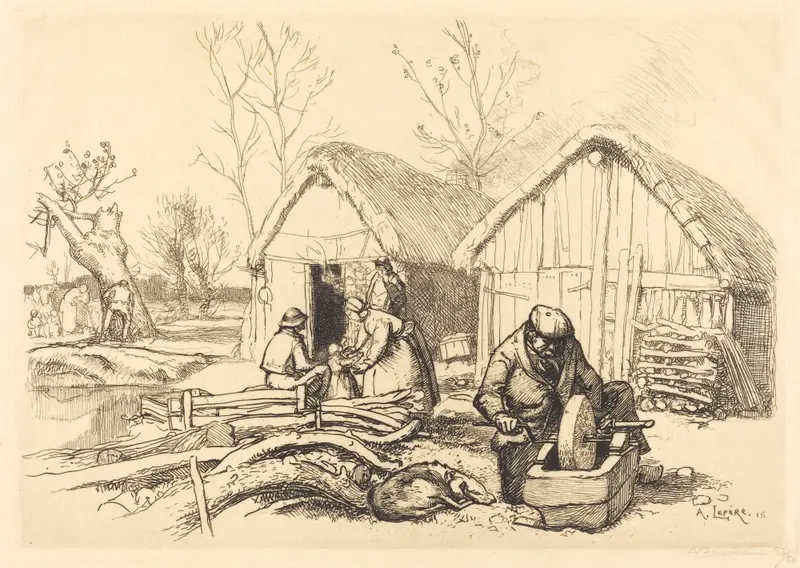
The House of the Woodcutter, Vendee (La maison du bucheron, Vendee)
Auguste Lepère
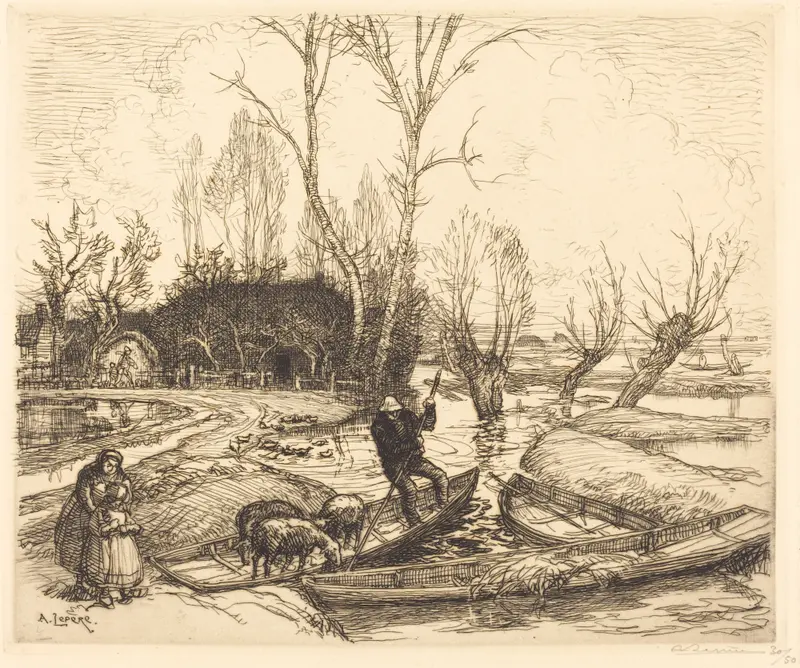
In the Deluged Marsh - The Shepherd (Au marais inonde - Le berger)
Auguste Lepère
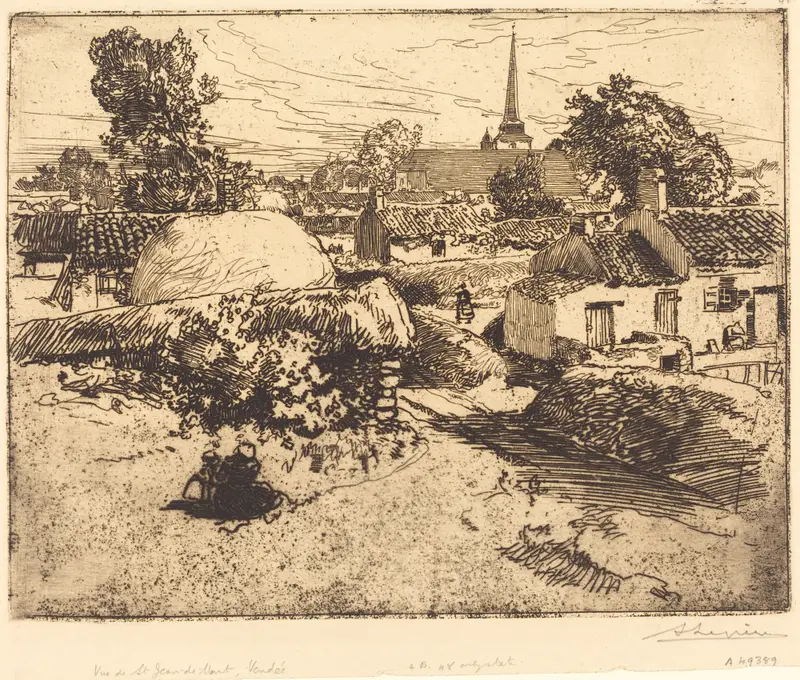
View of St.-Jean-de-Mont, Vendee (Vue de St.-Jean-de-Mont, Vendee)
Auguste Lepère
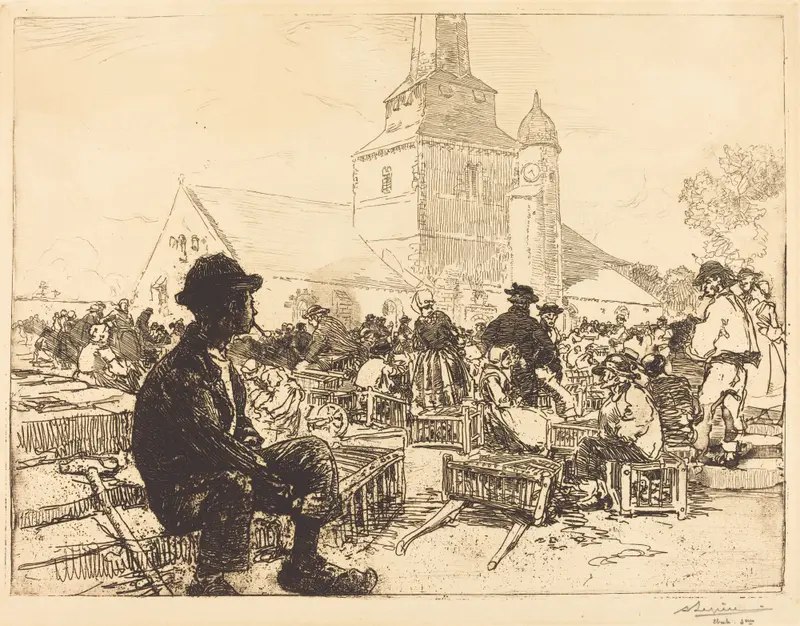
Poultry Market at St.-Jean-de-Mont (Marche a la volaille, a St.-Jean-de-Mont)
Auguste Lepère





