Chailli; End of a Storm (Effet d’orage) — History & Analysis
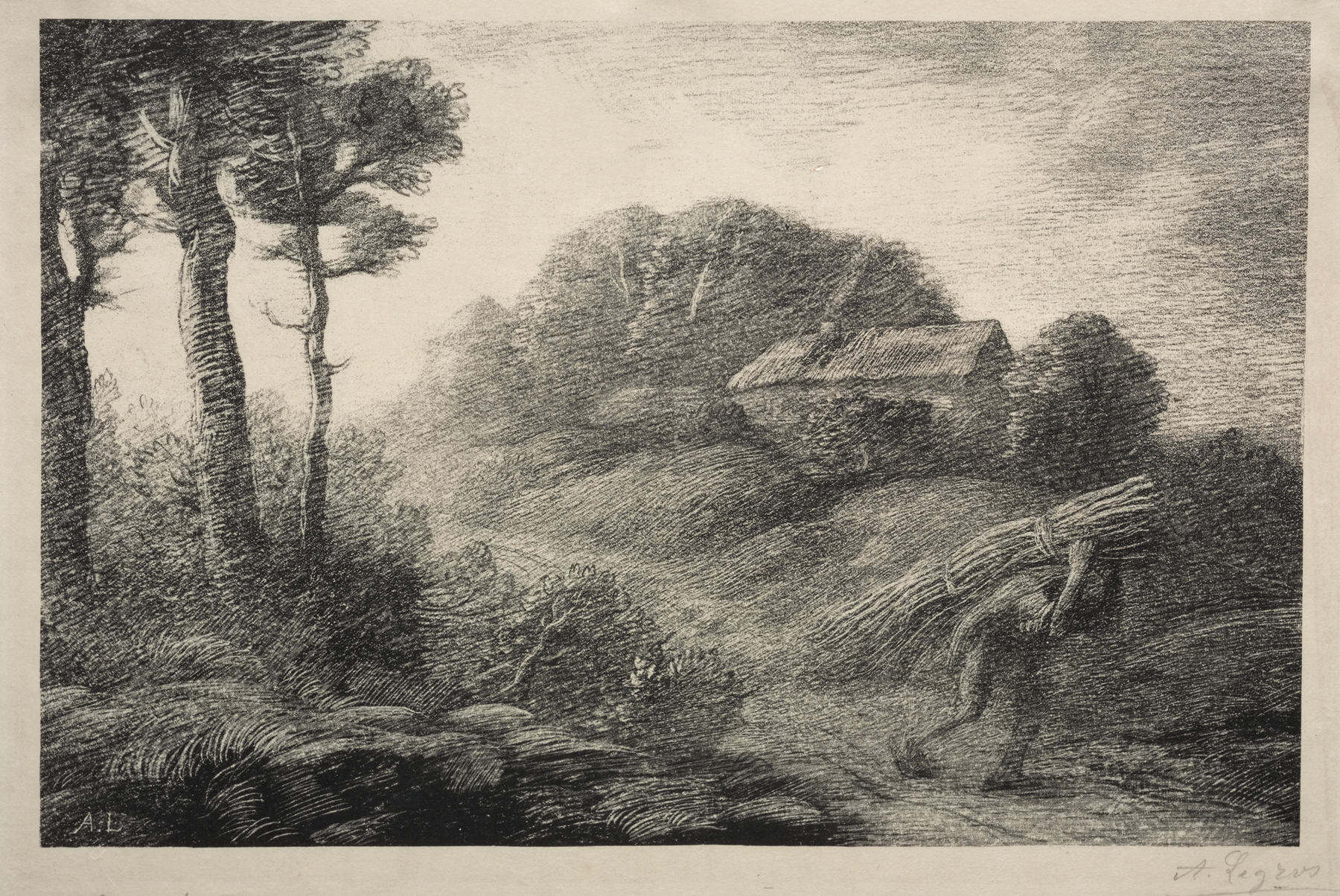
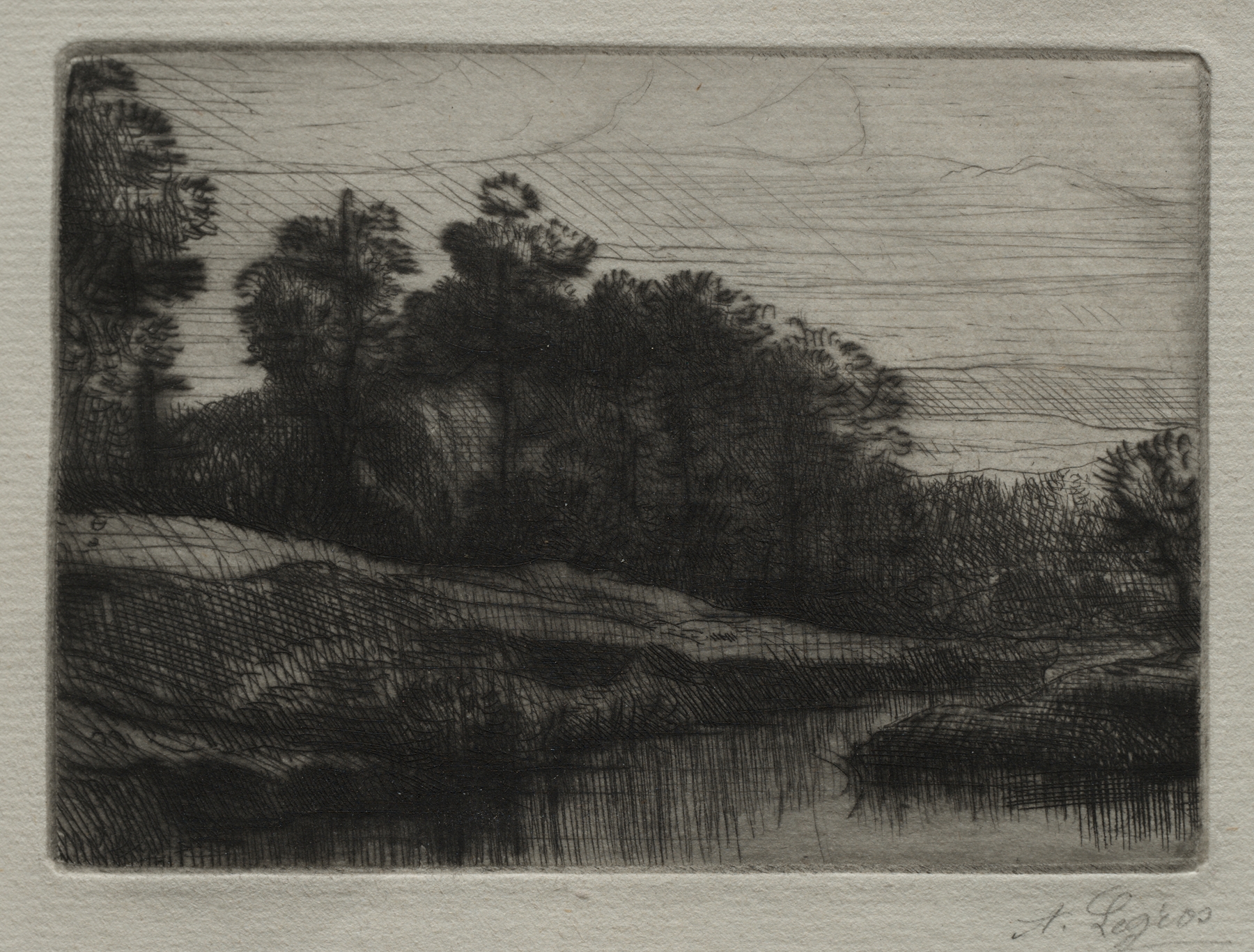
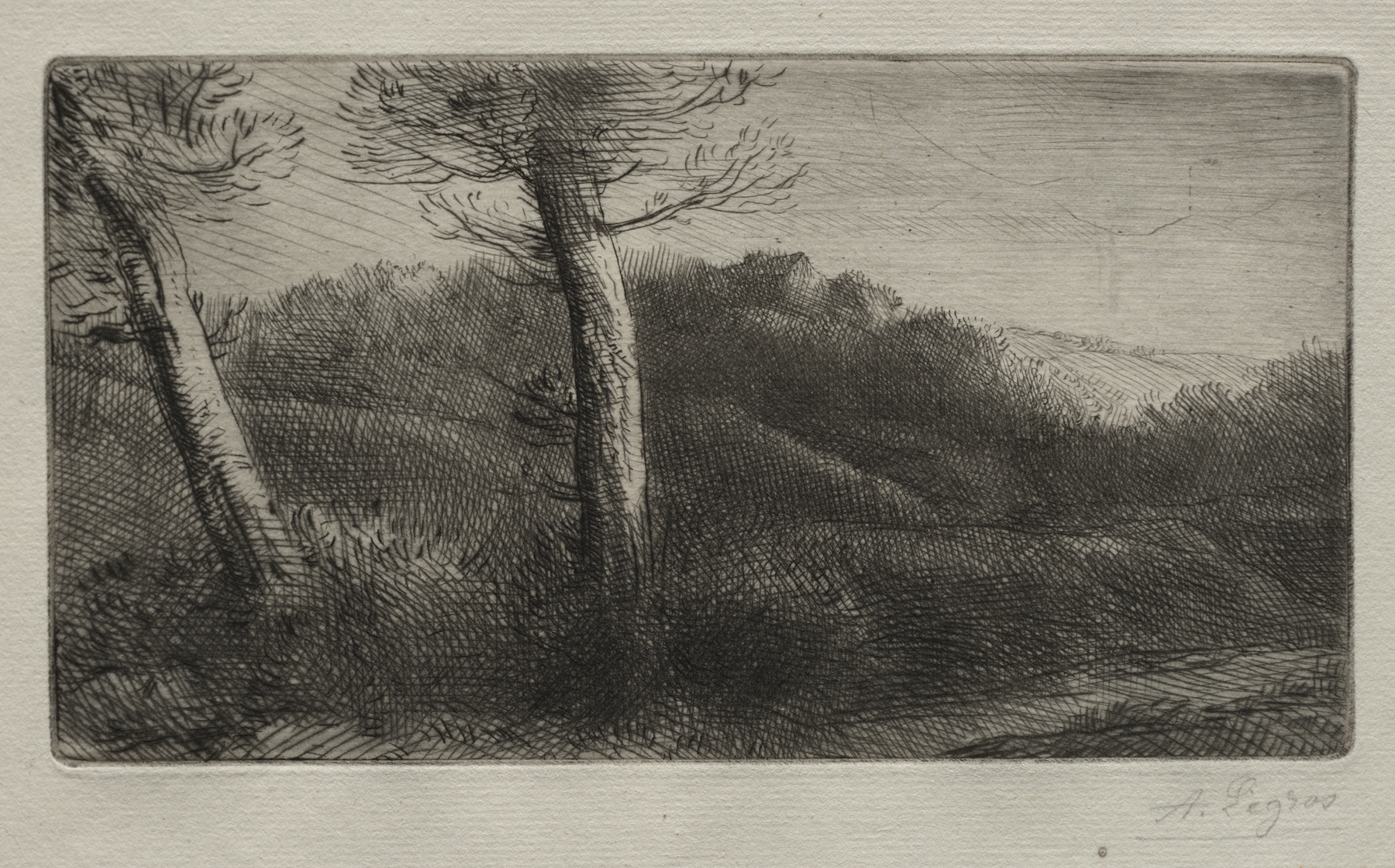
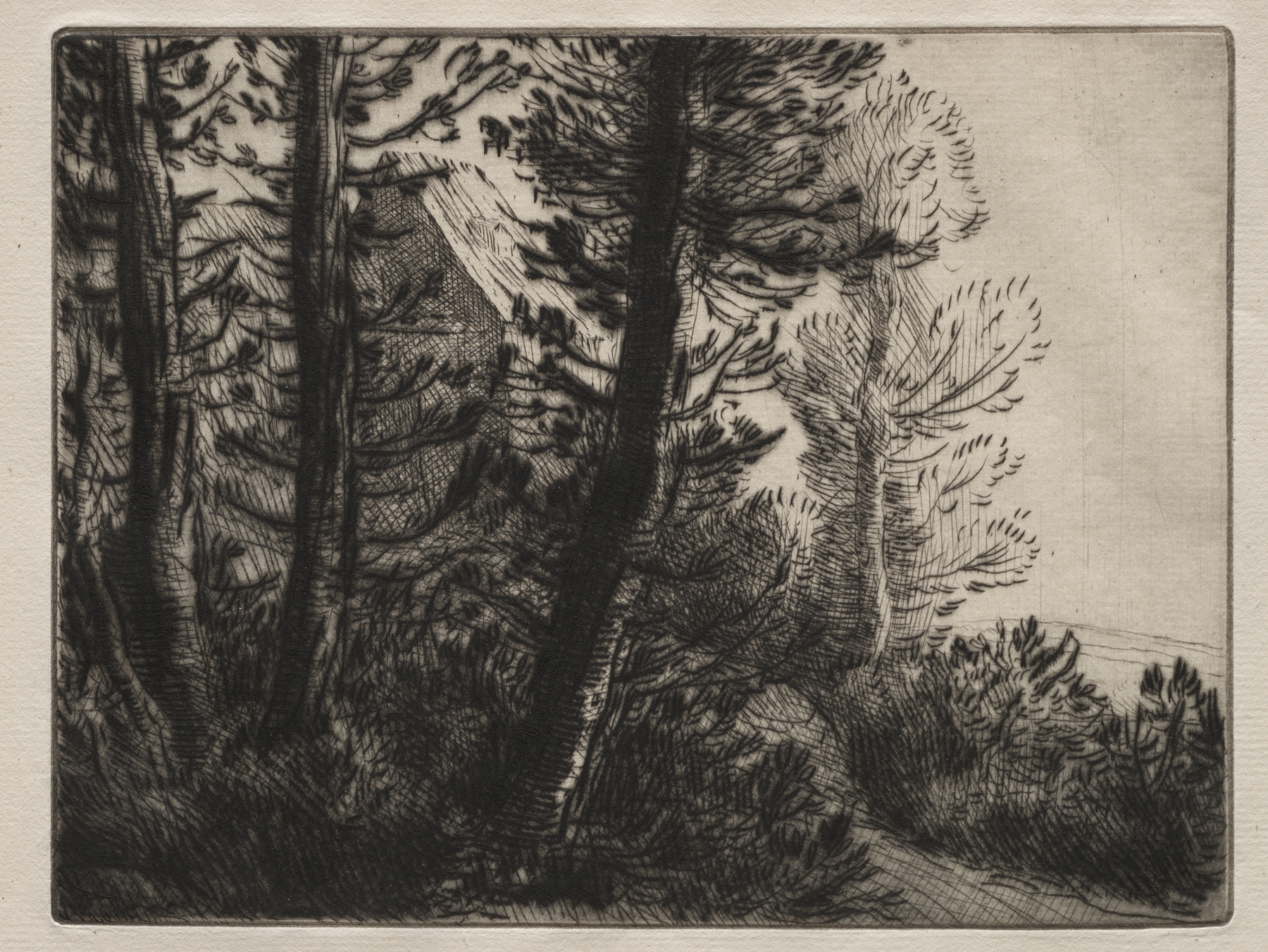
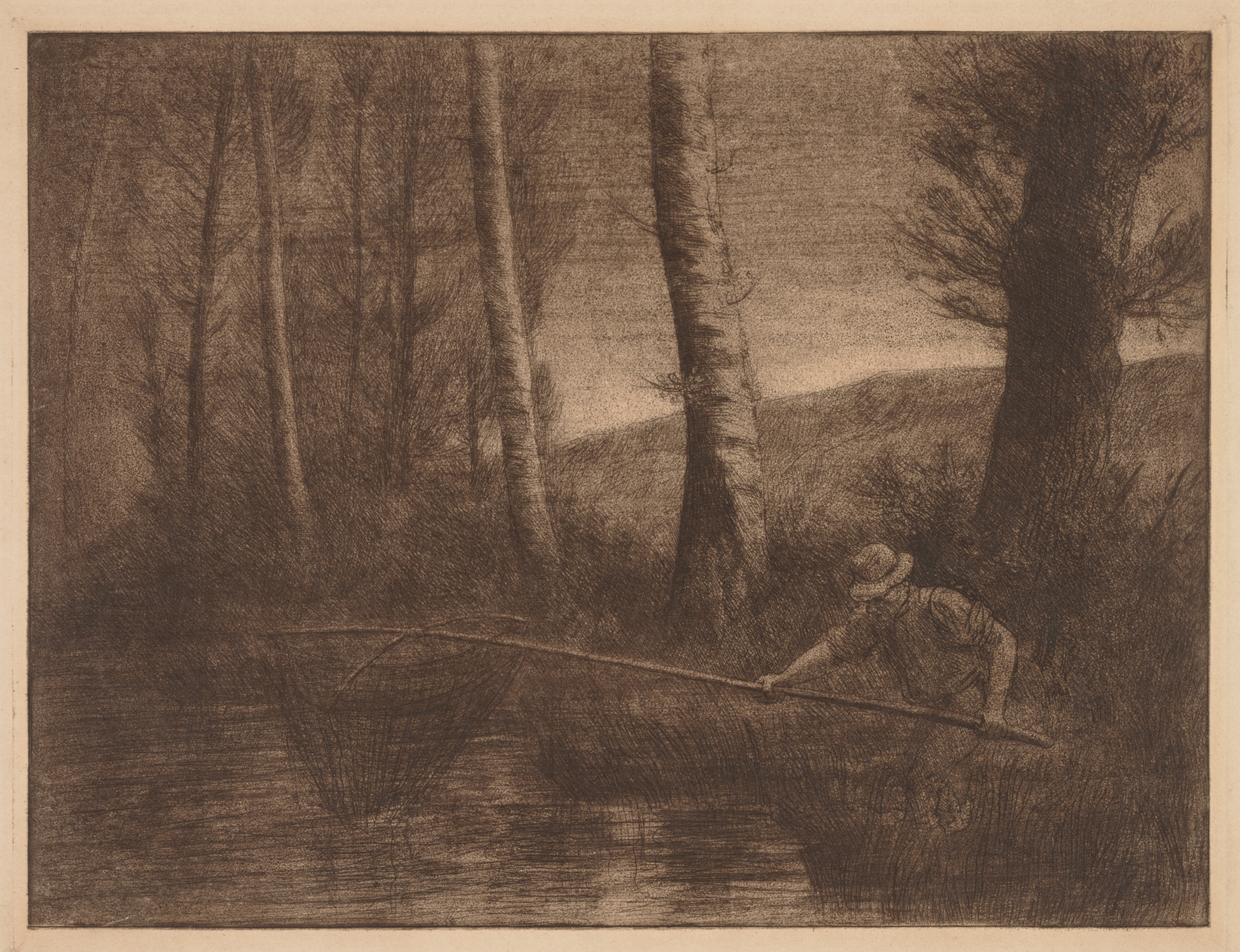
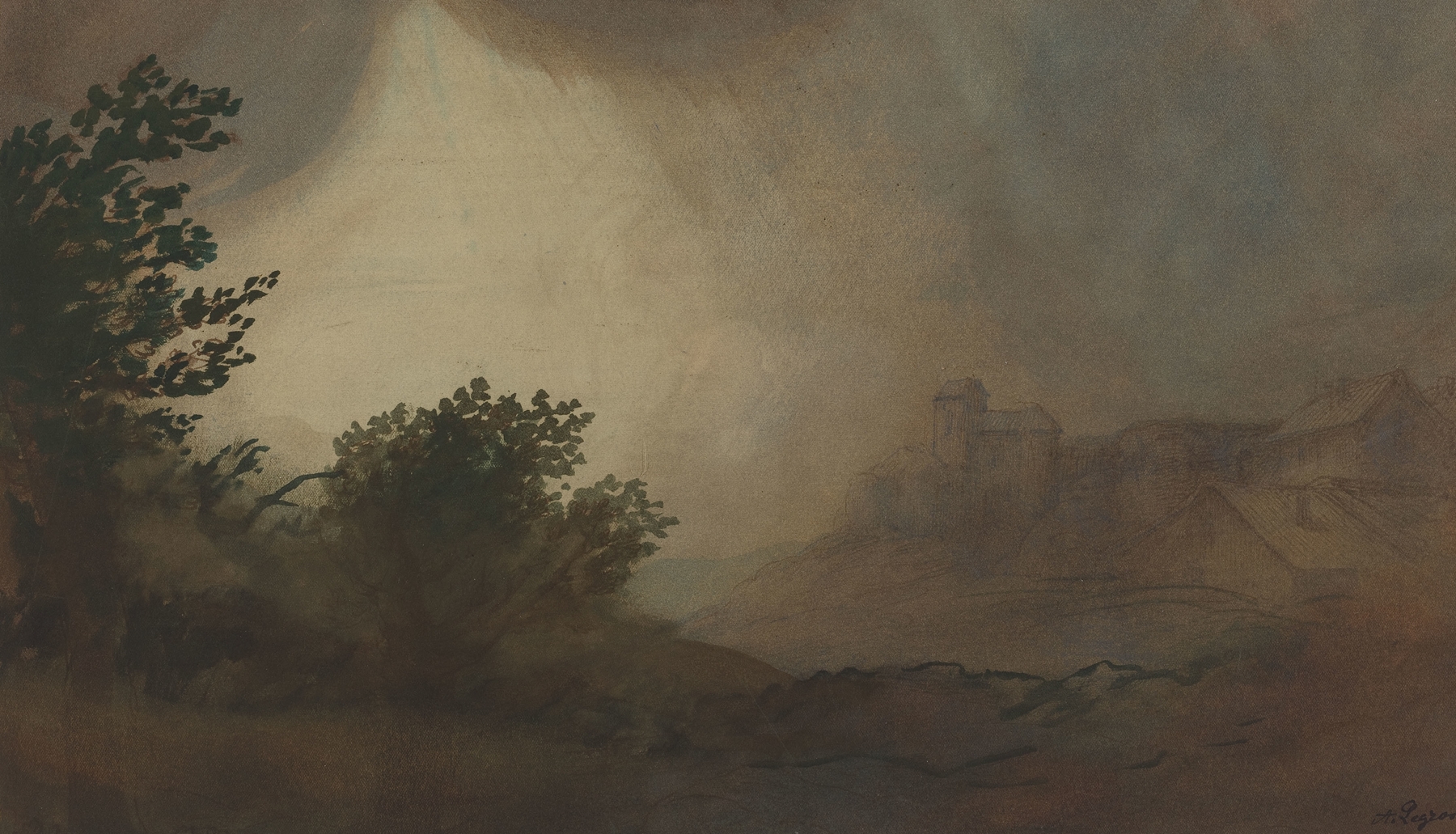
Who listens when art speaks of silence? In the stillness of Chailli; End of a Storm (Effet d’orage, the viewer is invited to contemplate the delicate balance between despair and hope that lingers in the aftermath of nature's fury. Look to the center of the canvas, where a luminescent sky looms overhead, shifting in hues of grey and soft gold. The clouds, heavy with rain, break just enough to allow a gentle light to spill forth, illuminating the tranquil landscape below.
Notice how the brushwork captures a sense of movement in the sky, while the earth remains steadfast and serene, a calm juxtaposition emerging between the tumult above and the grounded features of the land. Within the composition lies a profound emotional tension: the storm's remnants evoke feelings of loss and uncertainty, yet the emerging light hints at renewal. The land, although darkened by the storm, showcases patches of vibrant greenery that symbolize resilience and rebirth. Each element—the swirling clouds, the muted earth tones, and the flickers of sunlight—contributes to a narrative that dances between chaos and serenity, urging the viewer to reflect on their own journey through storms.
Alphonse Legros painted this evocative piece during a time of personal and artistic transformation, around 1857 to 1911. Settled in England, he found inspiration in the natural landscapes that surrounded him, reflecting the Romantic tradition while exploring the interplay of light and atmosphere. As the world faced rapid change during this period, Legros's work resonated with a collective yearning for hope amidst uncertainty, capturing the essence of resilience within the fragile beauty of nature.