
Charon 1876, MGS 001 — History & Facts
The first thing that seizes the eye in Charon 1876, MGS 001 is the way the old ferryman’s sinewy back fills the foreground, his oar slicing diagonally toward the viewer as if to draw us into the boat ourselves. The light, so carefully rationed, picks out the pale, spectral faces of his passengers—each a study in resignation or dread—while the living texture of Charon’s hair and cloak makes him seem almost corporeal against their ghostliness. The riverbank, with its tangled grass and scattered stones, anchors the scene in the world of the living, even as the gaze is pulled toward the shadowy, uncertain realm behind the figures.
Böcklin’s palette—muted ochres, browns, and ashen whites—casts a hush over the moment, making the silence between the living and the dead almost audible. Painted in 1876, this work belongs to a period when artists across Europe were turning to myth and legend to probe the mysteries of existence and mortality. Böcklin, working in the late nineteenth century, was part of a generation fascinated by the borderlands between reality and dream, life and death—a fascination that found patrons among the educated bourgeoisie and collectors eager for images that challenged the rational certainties of the age. While history has kept few traces of this particular canvas’s early journey, its presence in a modern collection invites us to linger with those silent passengers, to wonder at the ferryman’s endless labor, and to ask what waits on the far shore.
More Artworks by Arnold Böcklin

Die Toteninsel III
Arnold Böcklin
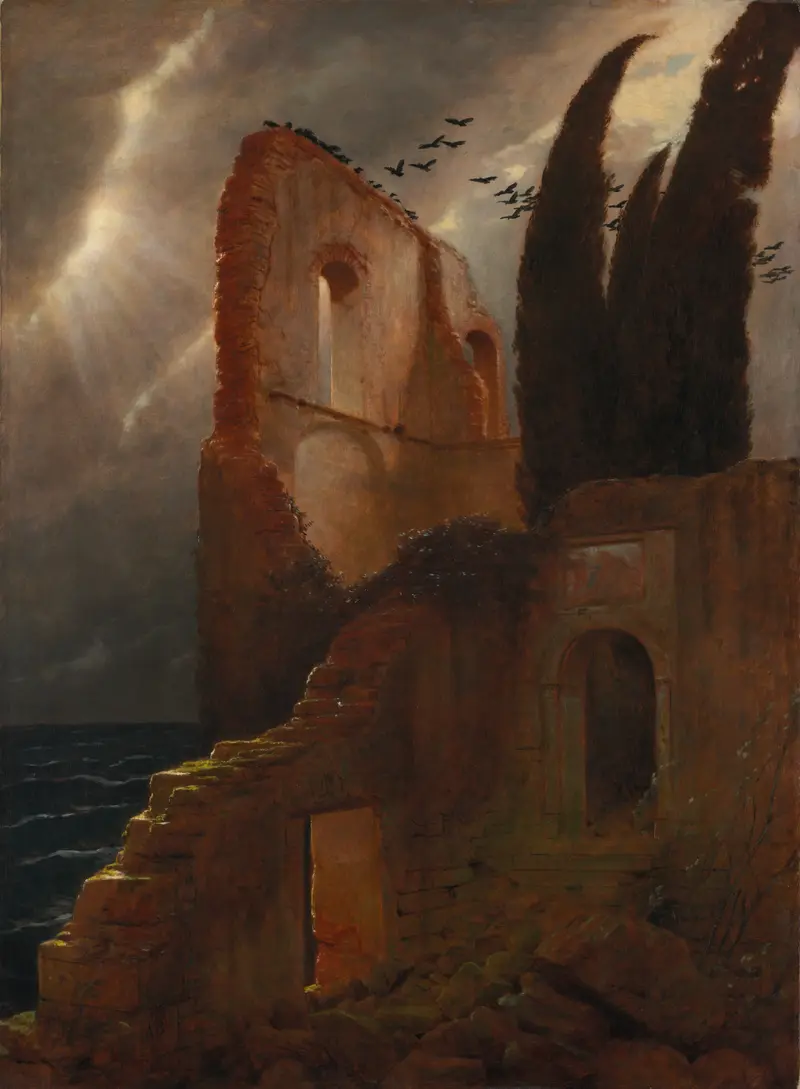
Ruin by the Sea
Arnold Böcklin
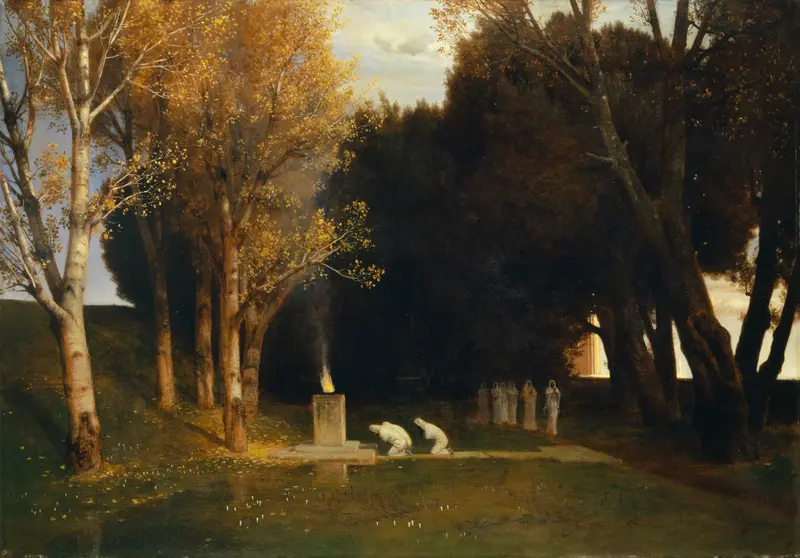
The Sacred Grove
Arnold Böcklin
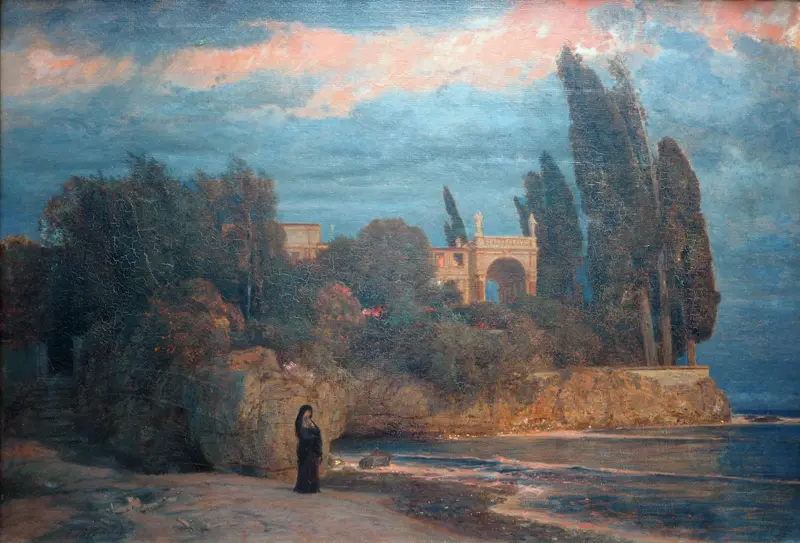
Villa by the Sea
Arnold Böcklin
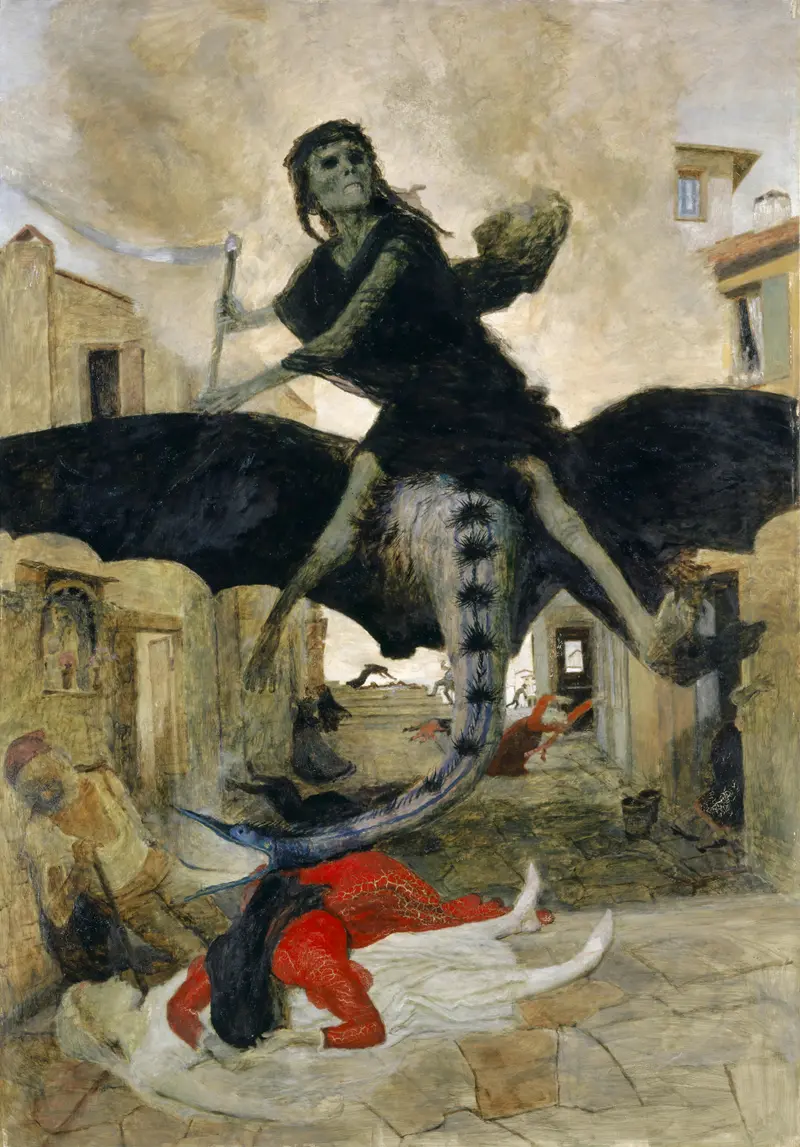
The Plague
Arnold Böcklin
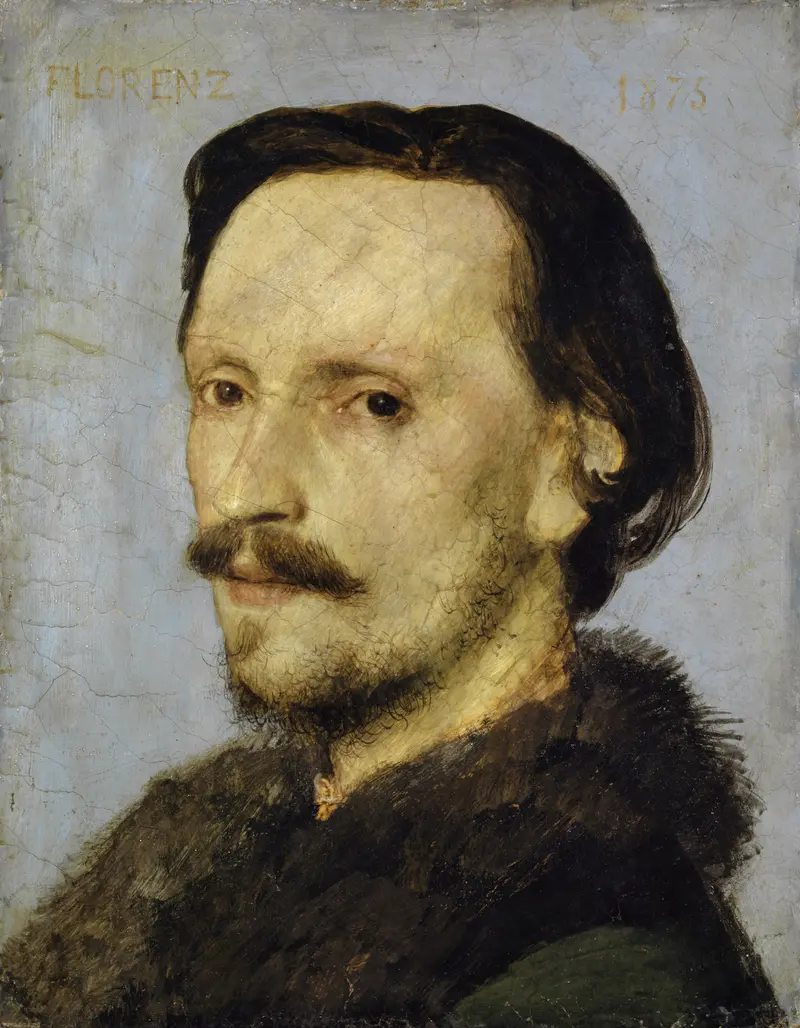
Böcklin Bildnis des Kunsthistorikers Adolph Bayersdorfer, 1875
Arnold Böcklin
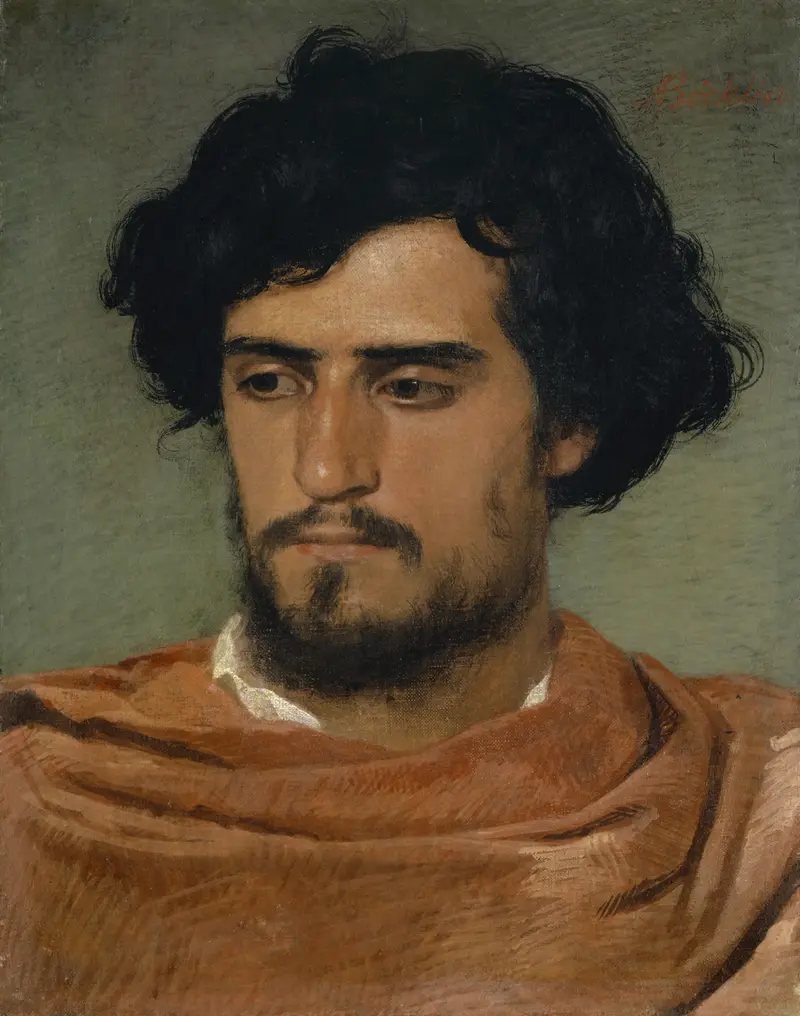
Head of a Roman
Arnold Böcklin
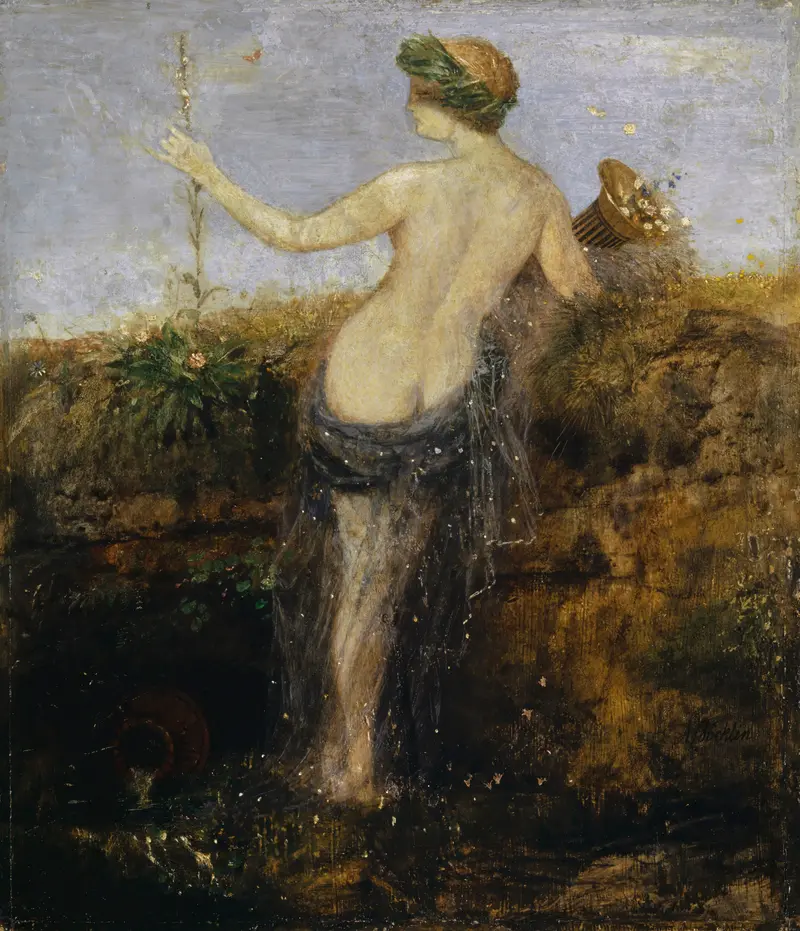
Nymphe with Horn of Plenty
Arnold Böcklin
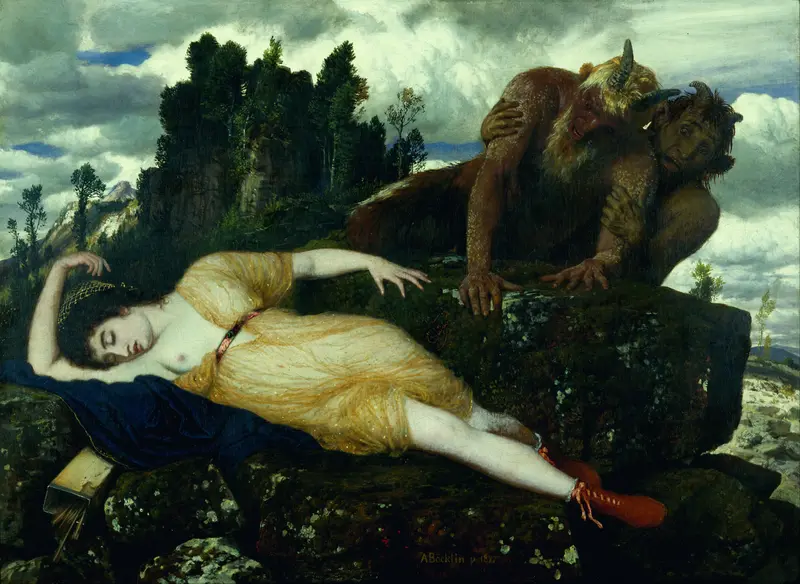
Sleeping Diana Watched by Two Fauns
Arnold Böcklin
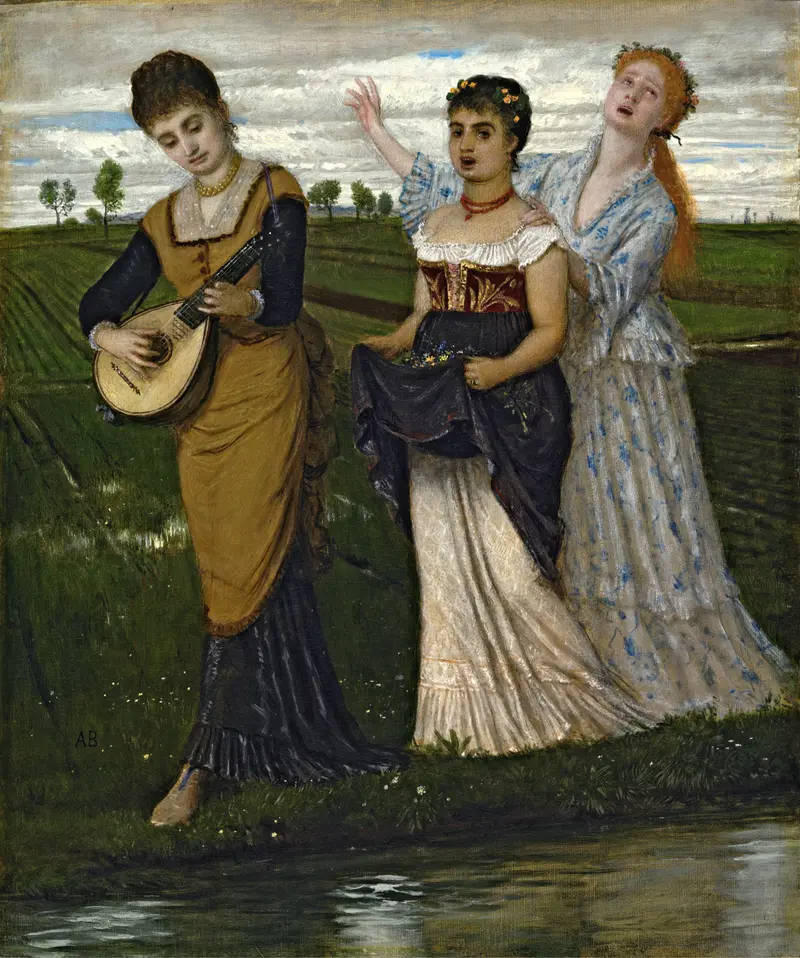
Spring (Songs of Spring)
Arnold Böcklin





