
Chimney Sweeps — History & Facts
What secret hides in the quiet of the canvas? Within the depths of this poignant piece lies a profound exploration of solitude, a sentiment echoing through the years. Look closely at the weary faces of the chimney sweeps, their expressions a tapestry of exhaustion and resignation. Focus on the delicate interplay of light and shadow that highlights their soot-streaked skin, illustrating both their labor and their humanity. The muted palette—grays, browns, and the faintest whispers of color—evokes a sense of desolation, pulling the viewer into the world of these forgotten children, underscoring the stark truth of their existence. The juxtaposition between the smallness of the figures and the vast, oppressive background serves as a powerful reminder of the social injustices of the time.
Notice the way their hands, rough and calloused, contrast with the soft, ethereal wisps of smoke curling upward—perhaps a metaphor for dreams stifled by circumstance. Each small detail connects to a larger narrative, revealing a poignant commentary on childhood lost to labor and the isolation that accompanies their plight. William P. Chappel created Chimney Sweeps in the 1870s, a period marked by significant social upheaval and reform movements aimed at improving the lives of the impoverished.
As industrialization transformed society, the plight of child laborers came to the forefront of public consciousness, inspiring countless artists to depict the harsh realities of their lives. Chappel’s choice to highlight these young, unseen workers reflects not only his artistic vision but also a growing empathy for social issues of his time.
More Artworks by William P. Chappel
Browse all →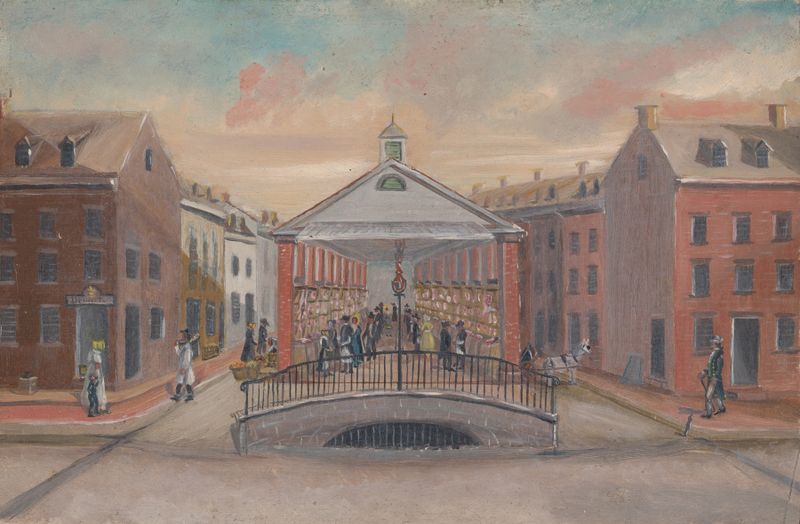
Fly Market
William P. Chappel
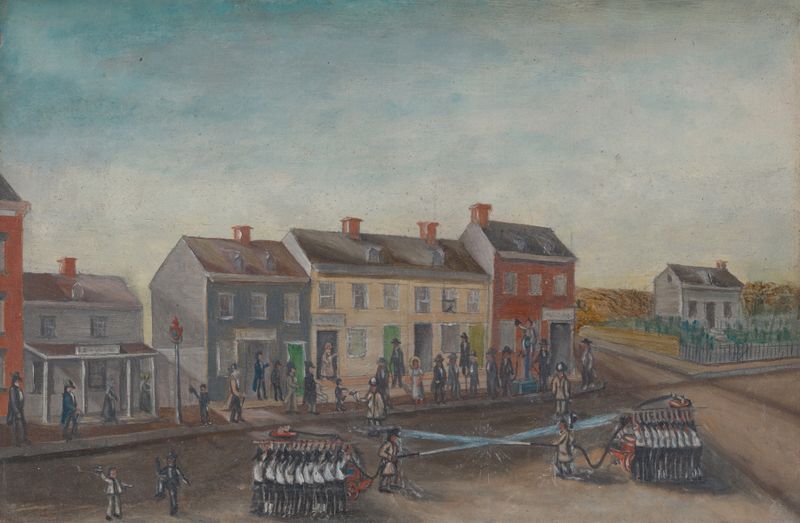
Firemen’s Washing Day
William P. Chappel
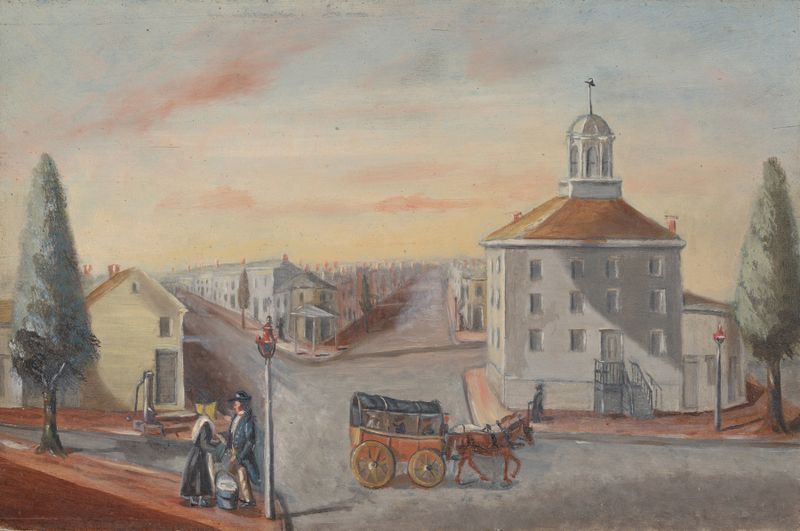
Hot Corn Seller
William P. Chappel
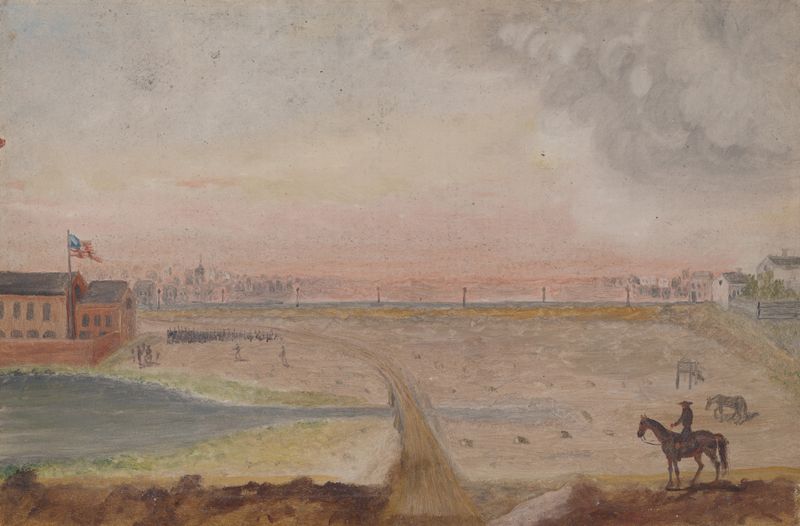
Militia Drilling
William P. Chappel
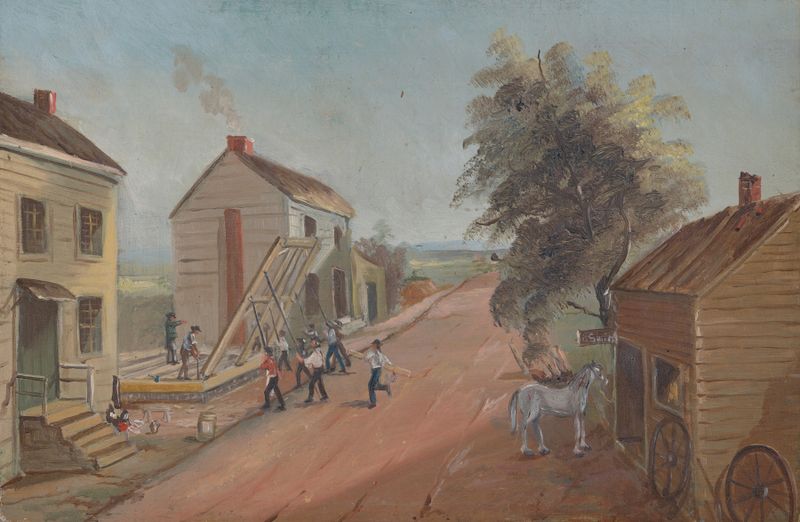
House Raising
William P. Chappel
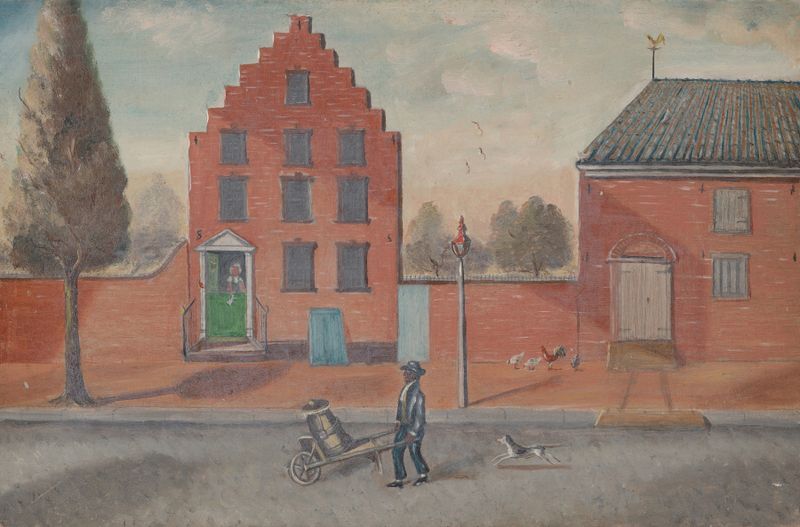
Buttermilk Pedlar
William P. Chappel
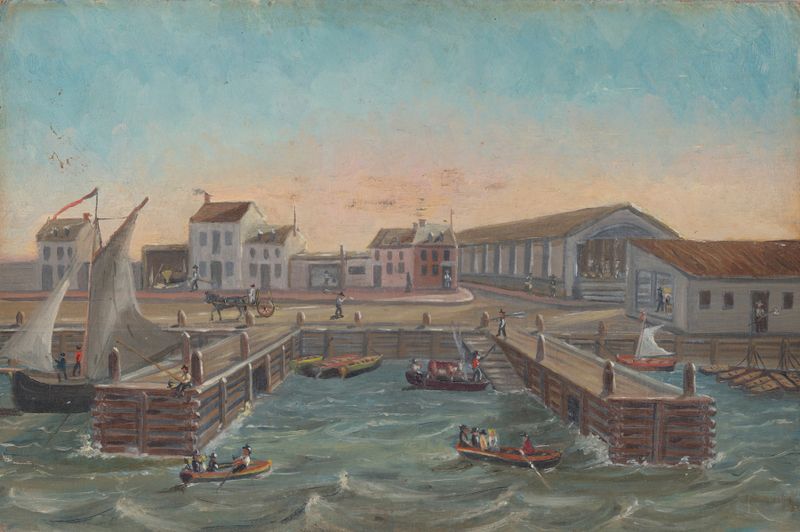
Old Ferry Stairs
William P. Chappel
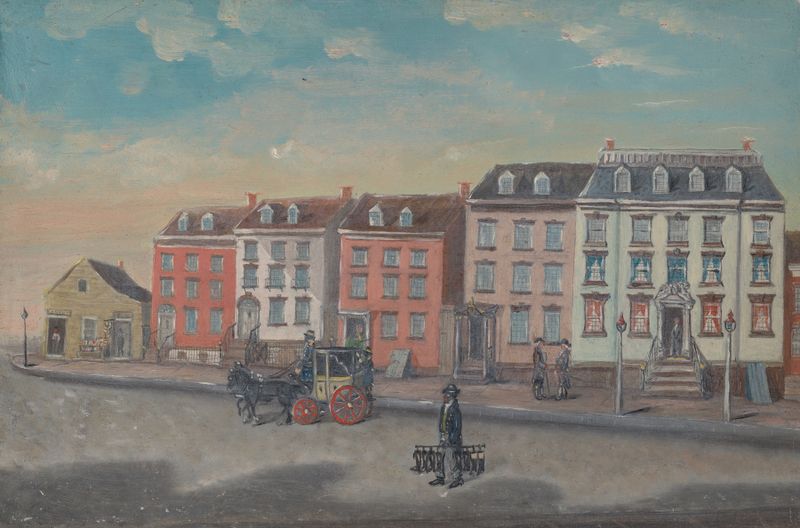
The Boot Black
William P. Chappel
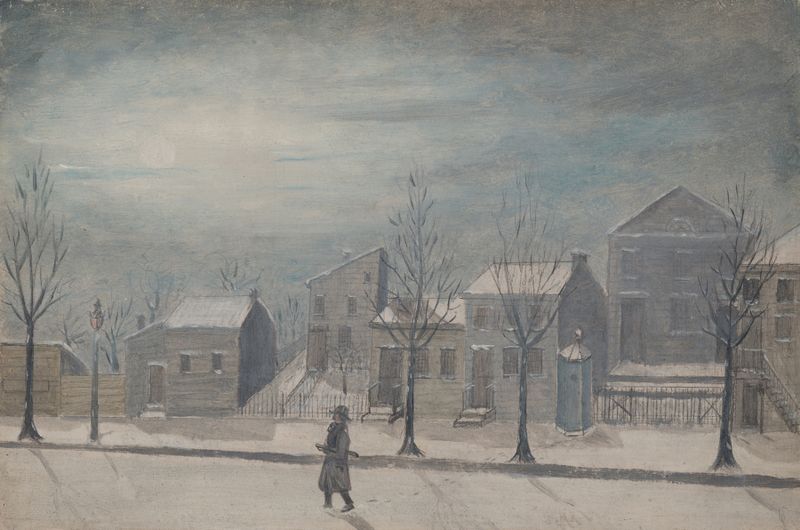
City Watchman
William P. Chappel
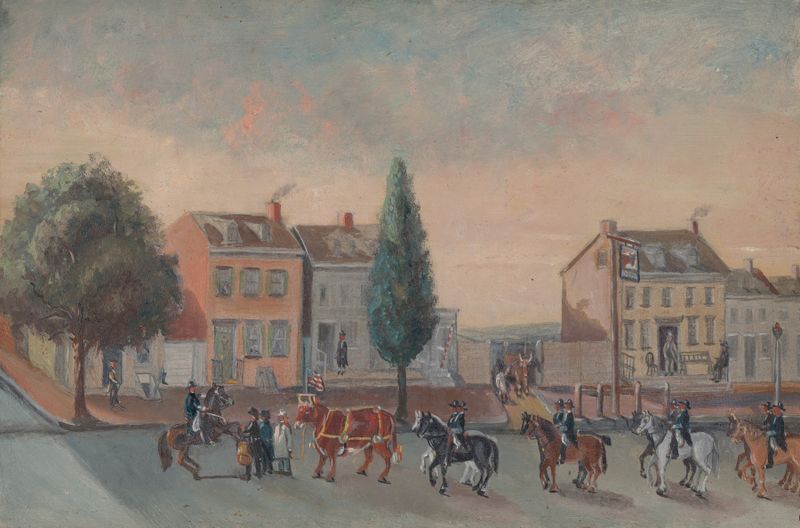
Bull’s Head Tavern
William P. Chappel





