Chinese Ornament No. 4 — History & Facts
What first catches the eye in Chinese Ornament No. 4 is its sense of ordered abundance: blossoms, fruit, and curling leaves unfurl across the page, each form rendered with crisp chromolithographic clarity. The central motif, a spray of golden-yellow gourds and delicate star-shaped flowers, anchors the composition, while smaller medallions and border fragments create a rhythm of repetition and variation.
The palette—dominated by warm yellows, reds, and greens—evokes both the richness of nature and the stylized restraint of decorative art. Every element is outlined with precision, inviting the viewer to trace the contours and savor the interplay of symmetry and asymmetry. This is not a scene to be entered, but a garden to be explored with the eye, each detail a small marvel of design. Works like this emerged from a 19th-century fascination with global ornament, when designers and publishers such as Owen Jones sought to catalogue and celebrate the decorative traditions of many cultures.
Published in London in 1910, this chromolithograph forms part of a larger project to document the visual grammar of ornament for architects, artists, and craftsmen. The “Chinese” style here is filtered through a European lens, reflecting both genuine admiration and a tendency to stylize or simplify for Western tastes. Such plates were not only references but also aspirations—windows onto a world of pattern, meant to inspire new creations in textiles, ceramics, and interiors.
The legacy of these collections endures: each page, like this one from the Polona Digital Library, is both a record of its time and an invitation to look again, more closely.
More Artworks by Owen Jones

Greek Ornament No. 1
Owen Jones
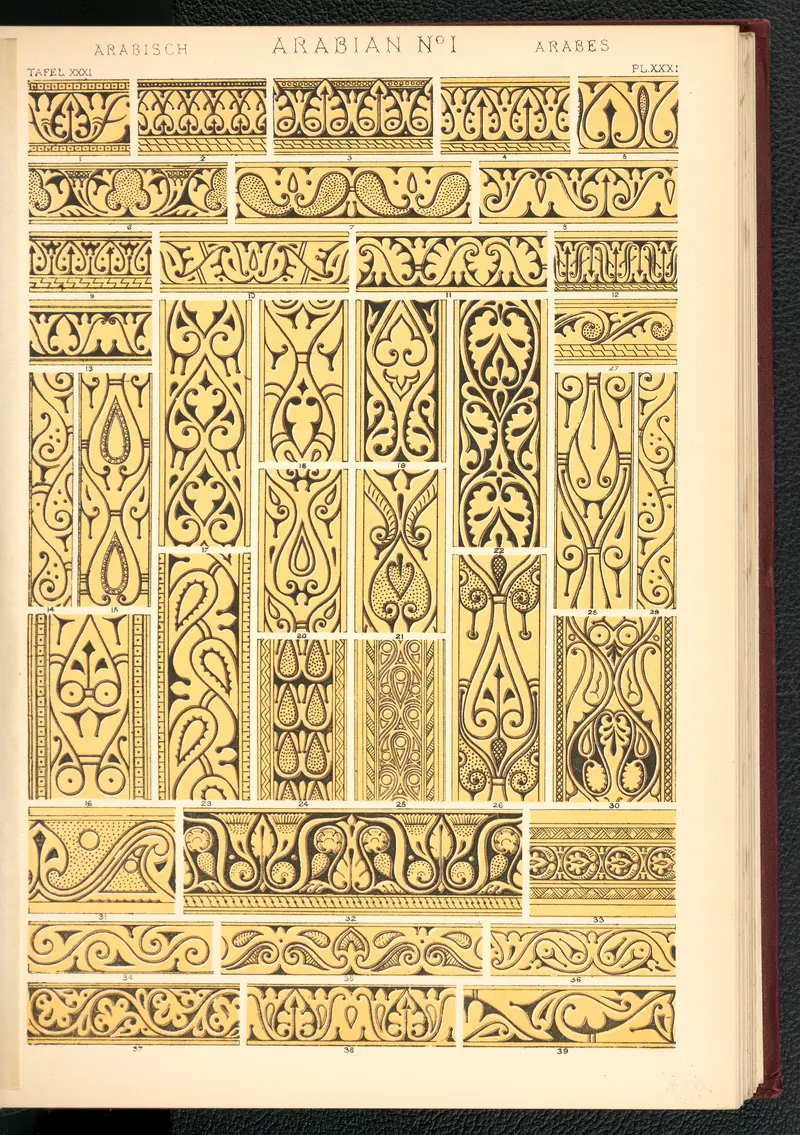
Arabian Ornament No. 1
Owen Jones
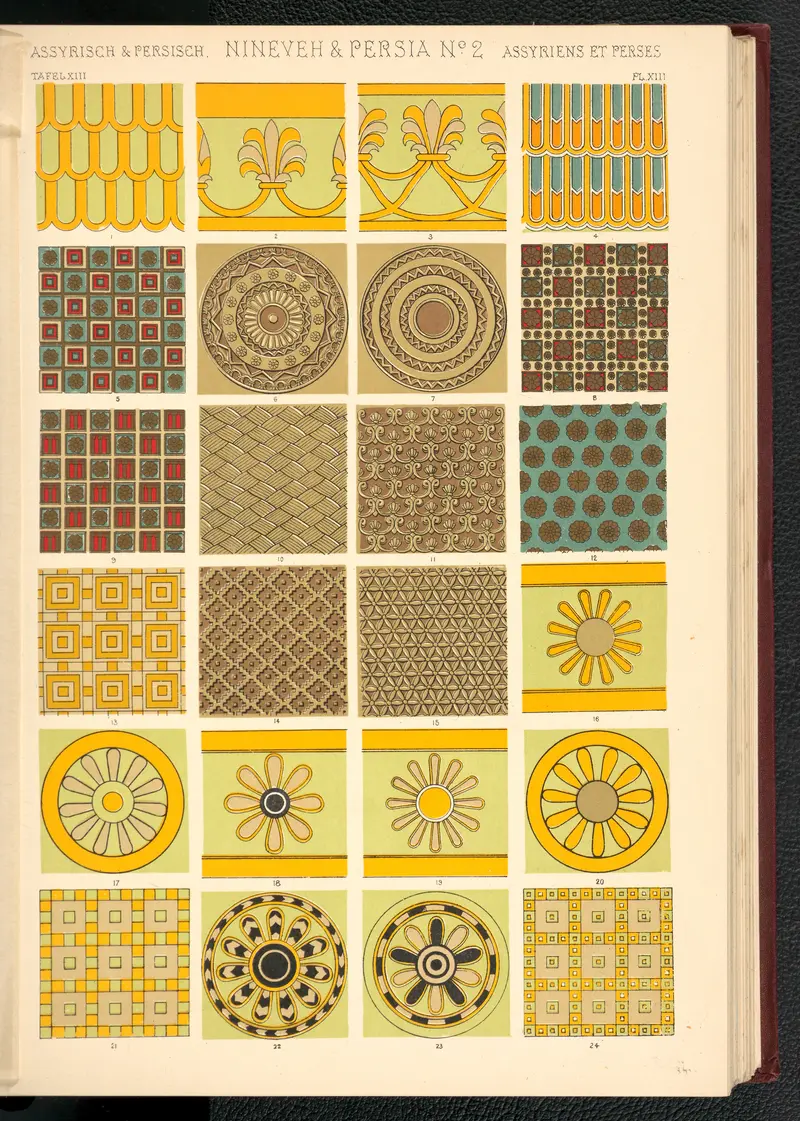
Assyrian Ornament No. 2
Owen Jones

Egyptian Ornament No. 3
Owen Jones
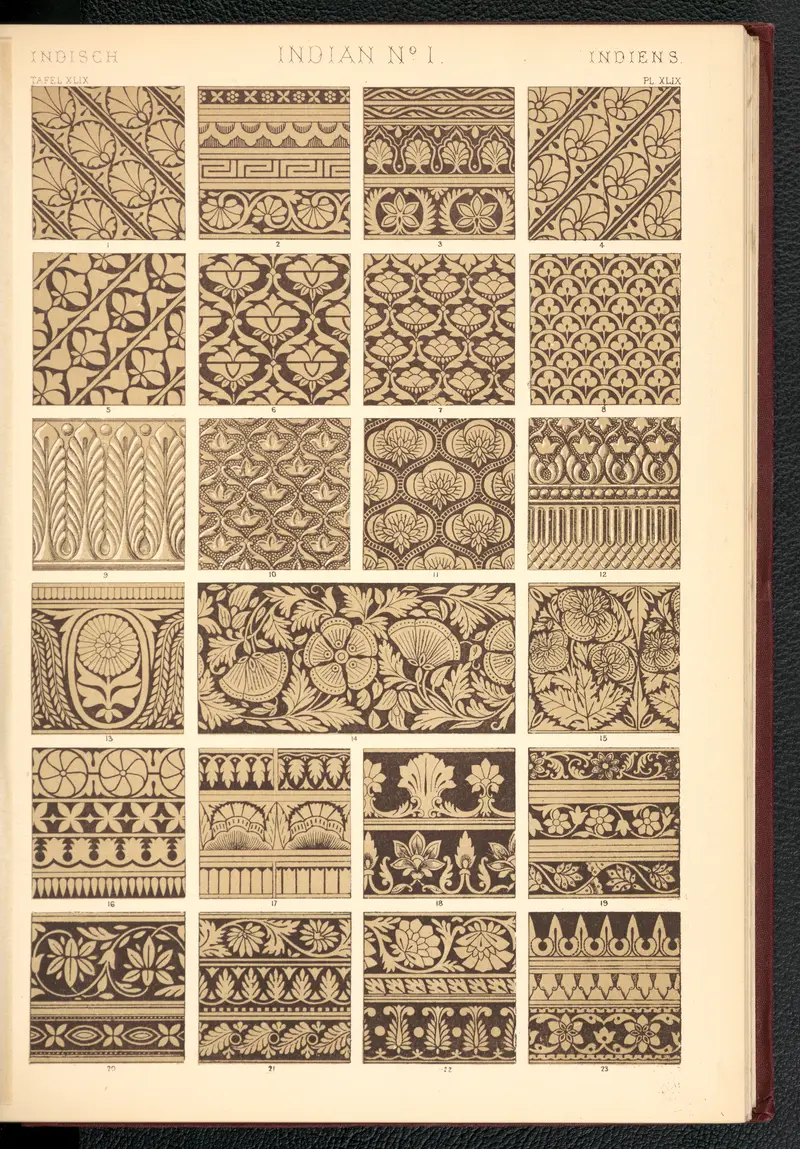
Indian Ornament No. 1
Owen Jones
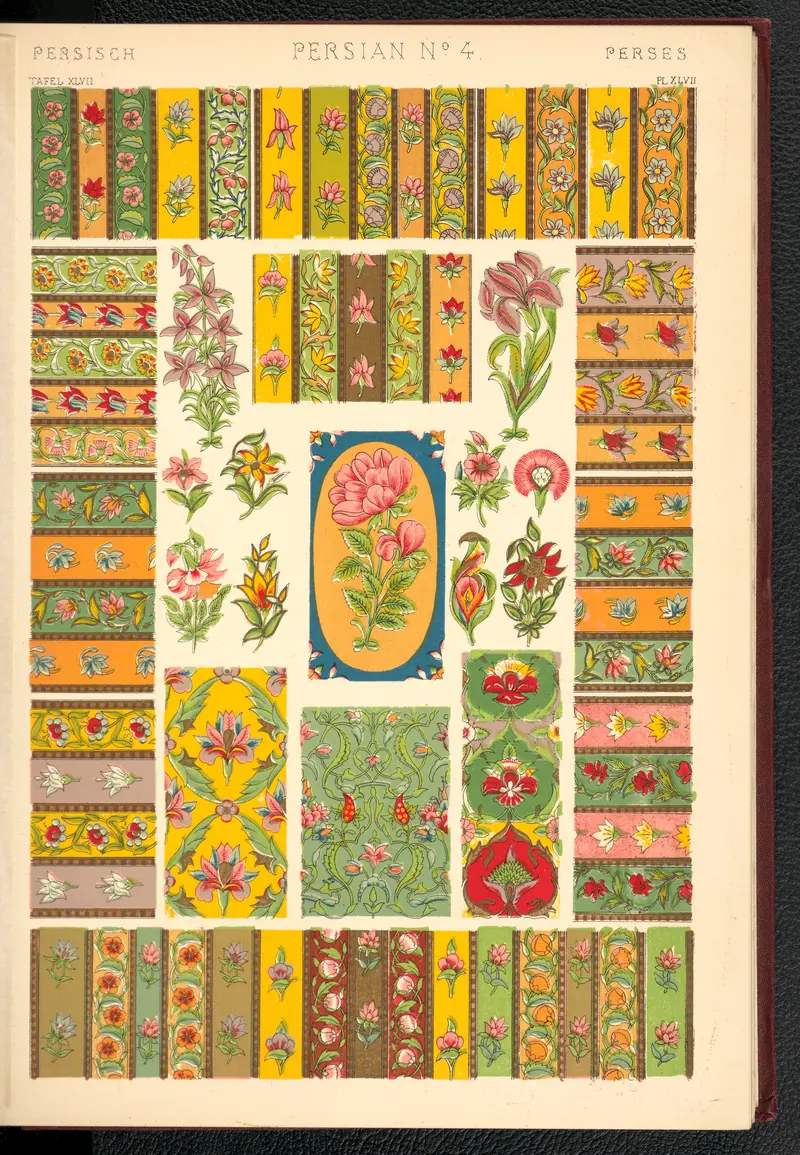
Persian Ornament No. 4
Owen Jones
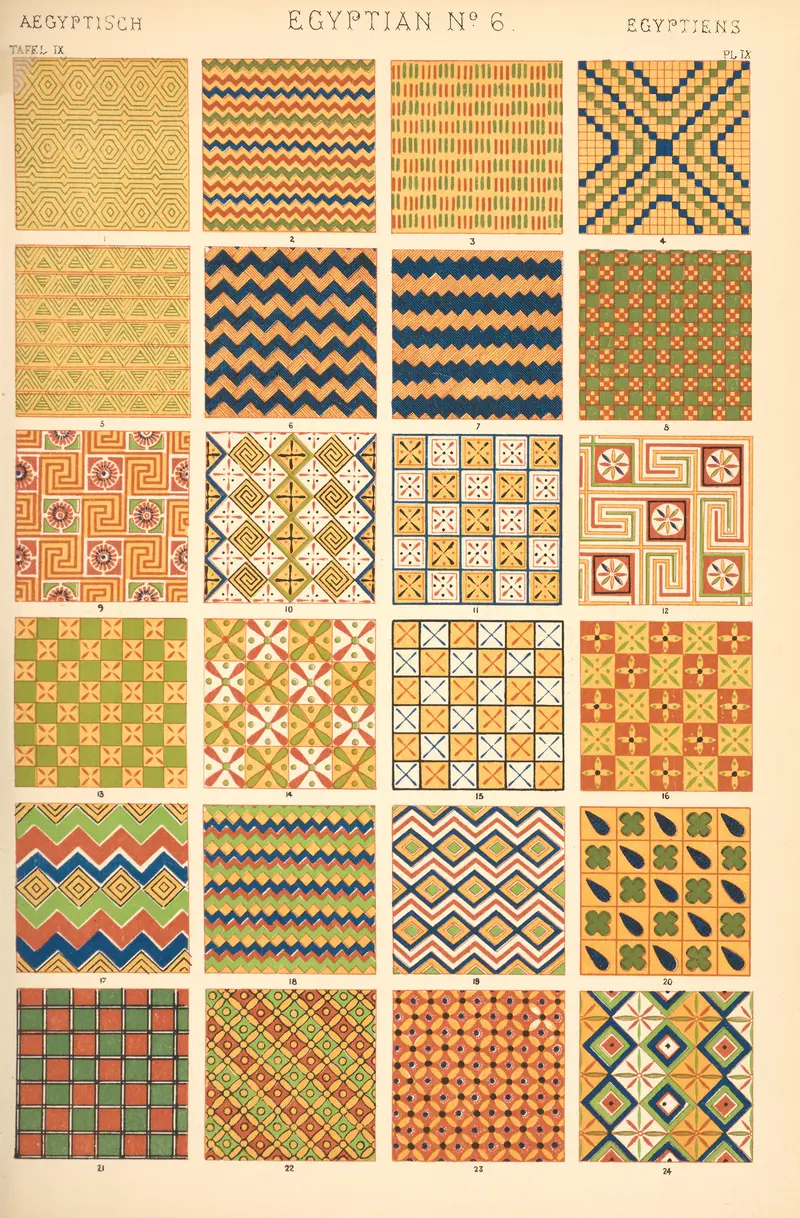
Egyptian Ornament No. 6
Owen Jones
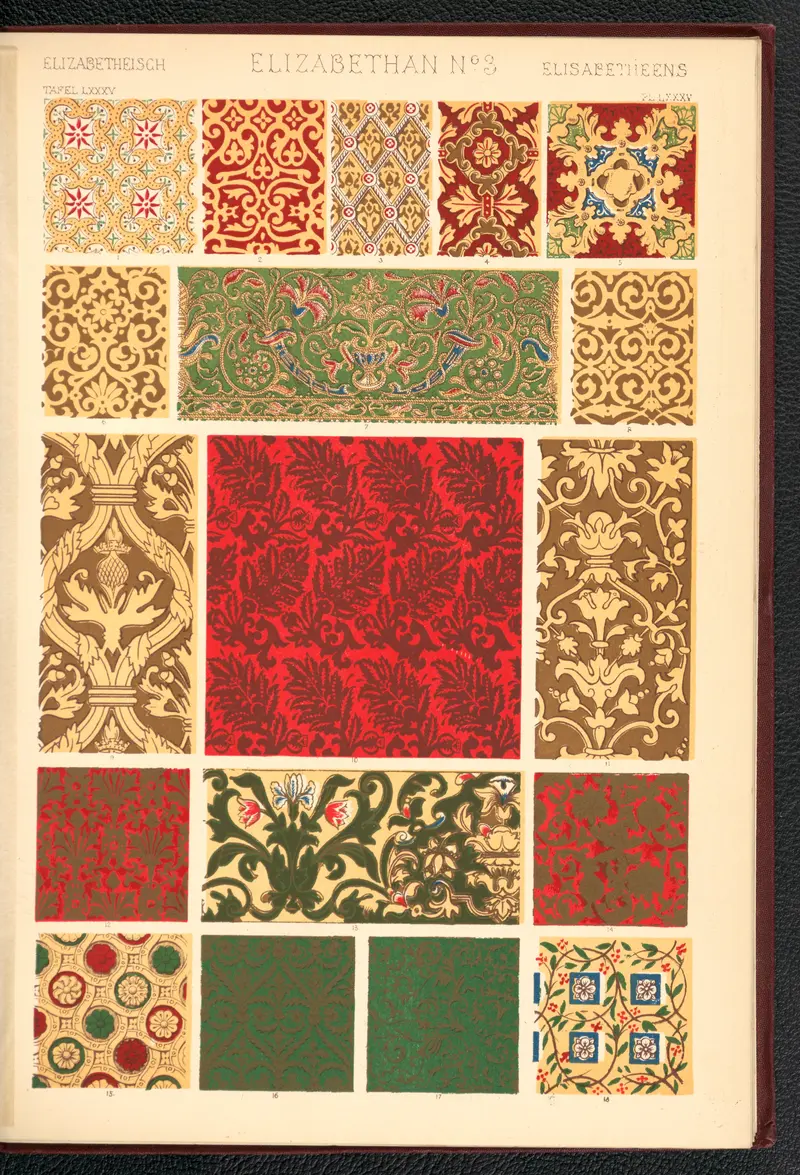
Elizabethan Ornament No. 3
Owen Jones
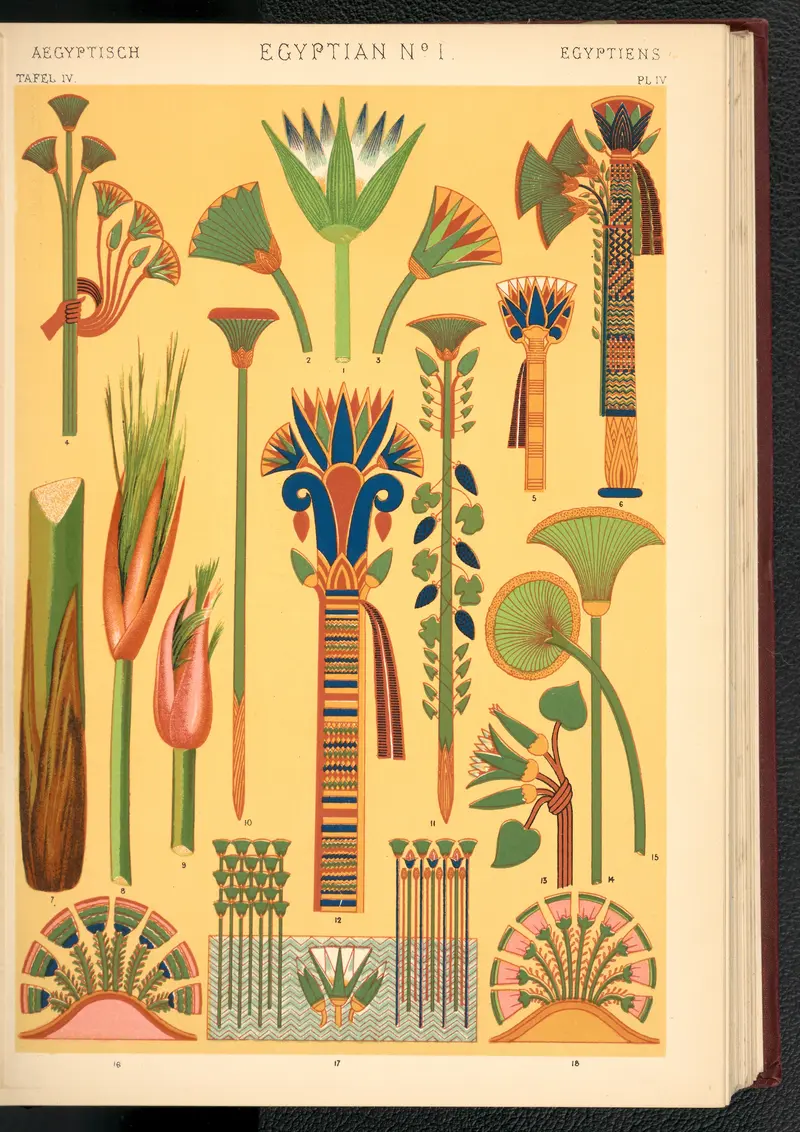
Egyptian Ornament No. 1
Owen Jones
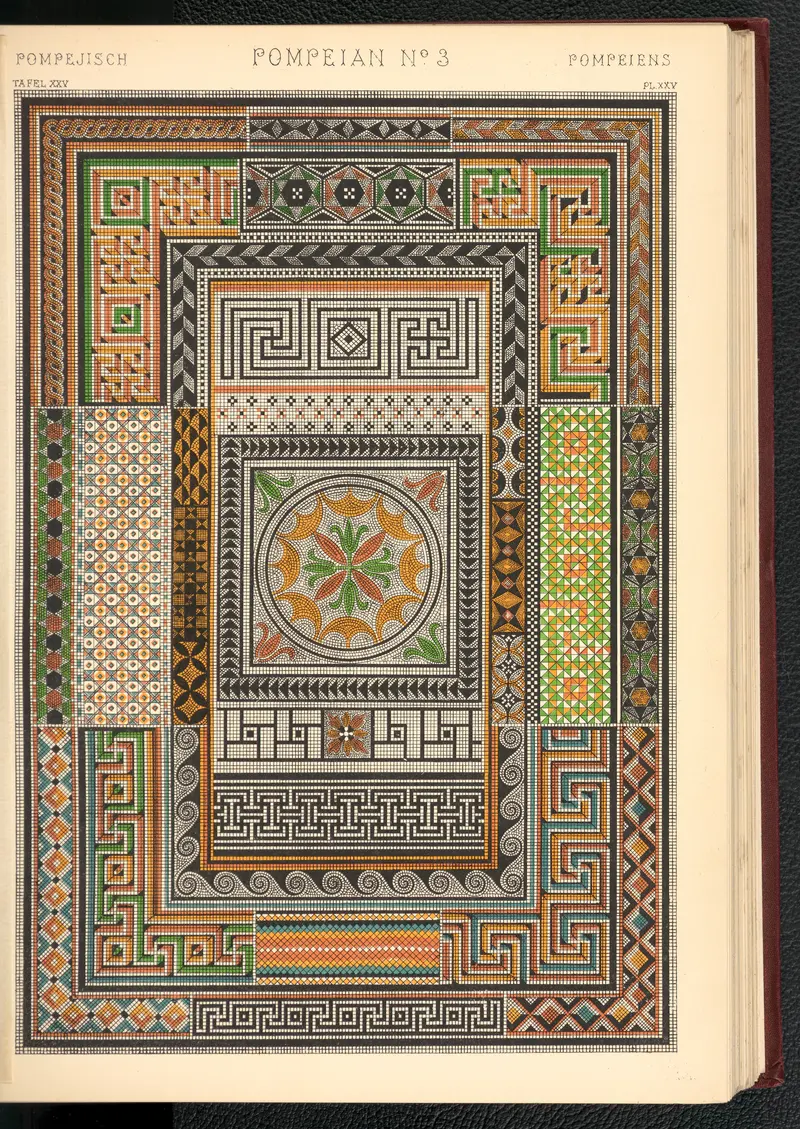
Pompeian Ornament No. 3
Owen Jones