
Lamentation of Christ — History & Facts
The eye is first caught by the vivid contrast between the living and the lifeless: Christ’s pale, limp body laid across the lap of the Virgin, whose blue robe pools beneath him like a river of grief. Every fold of fabric, every gesture, is carefully chosen to draw us into the moment after the Crucifixion, when time seems to pause. The sorrow is not loud, but quietly monumental—Mary’s hands do not clutch, but support; John’s gentle touch steadies Christ’s head, while Mary Magdalene’s hands are pressed in prayer, her face turned inwards with private anguish.
The landscape behind, with its crisp blue sky and distant hills, offers a cool counterpoint to the intensity in the foreground, as if to remind us that the world continues on, even in the face of loss. Works like this, produced in the late fifteenth century by artists such as Aelbert Bouts, were often commissioned for private devotion or small chapels, intended to bring the mysteries of the Passion into intimate, daily contemplation. The central panel’s emotional immediacy is framed by painted “sculptures” of saints, rendered in grisaille to mimic stone, a Northern Renaissance device that blurs the line between painting and sculpture, sacred and everyday. While little is recorded about this specific Lamentation of Christ, its presence in a modern collection—documented as of 2010—reminds us how these images once shaped the rhythms of prayer and memory.
Look again at the meeting of hands and eyes in the center: centuries later, the invitation to witness and reflect remains as immediate as ever.
More Artworks by Aelbert Bouts
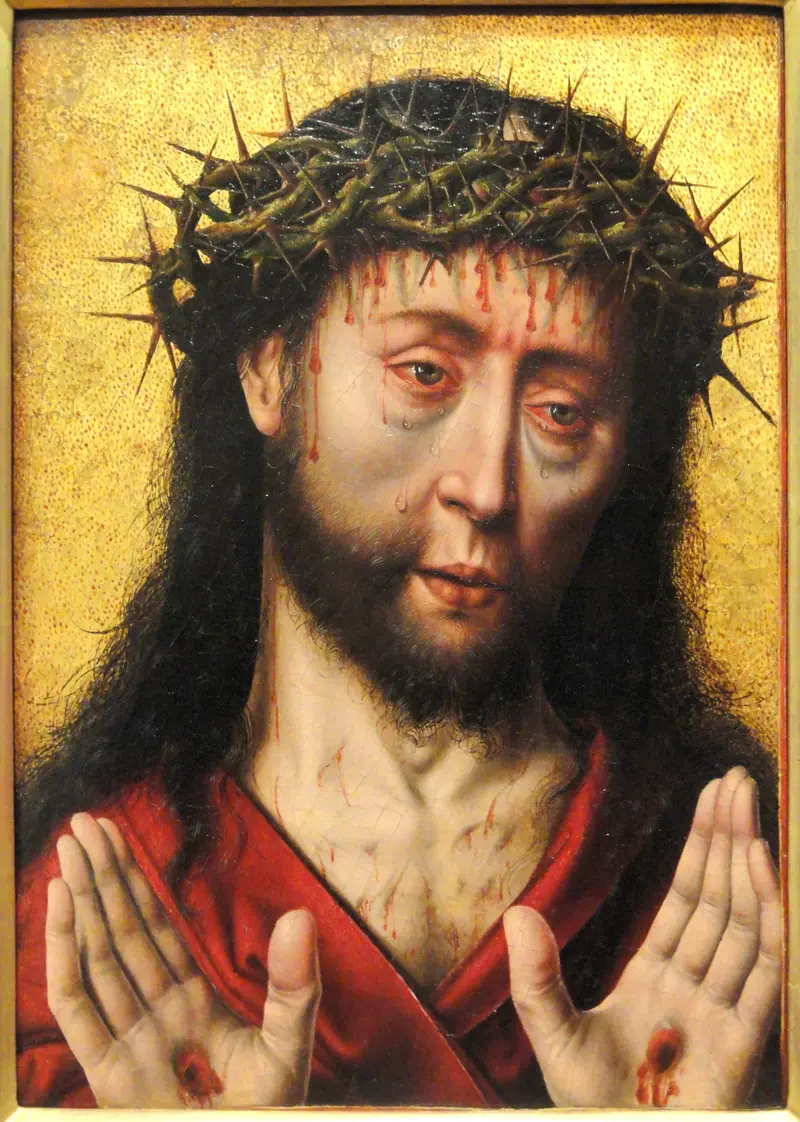
The Man of Sorrows
Aelbert Bouts
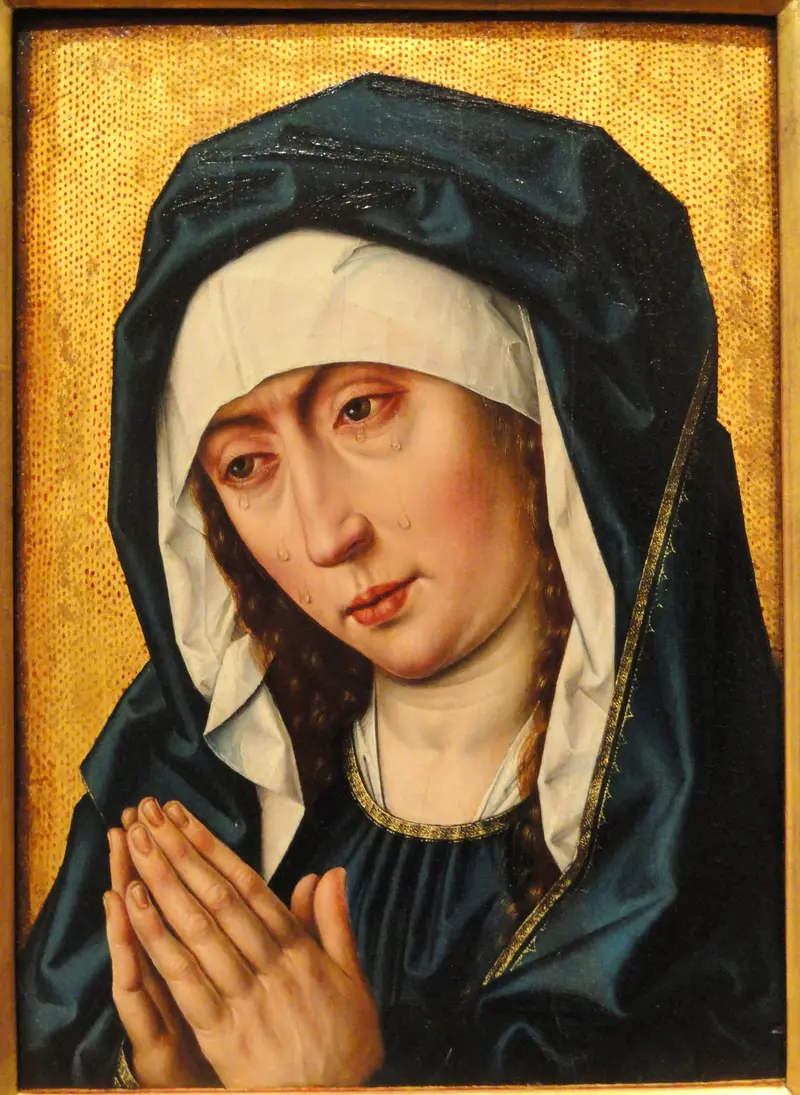
The Mater Dolorosa
Aelbert Bouts
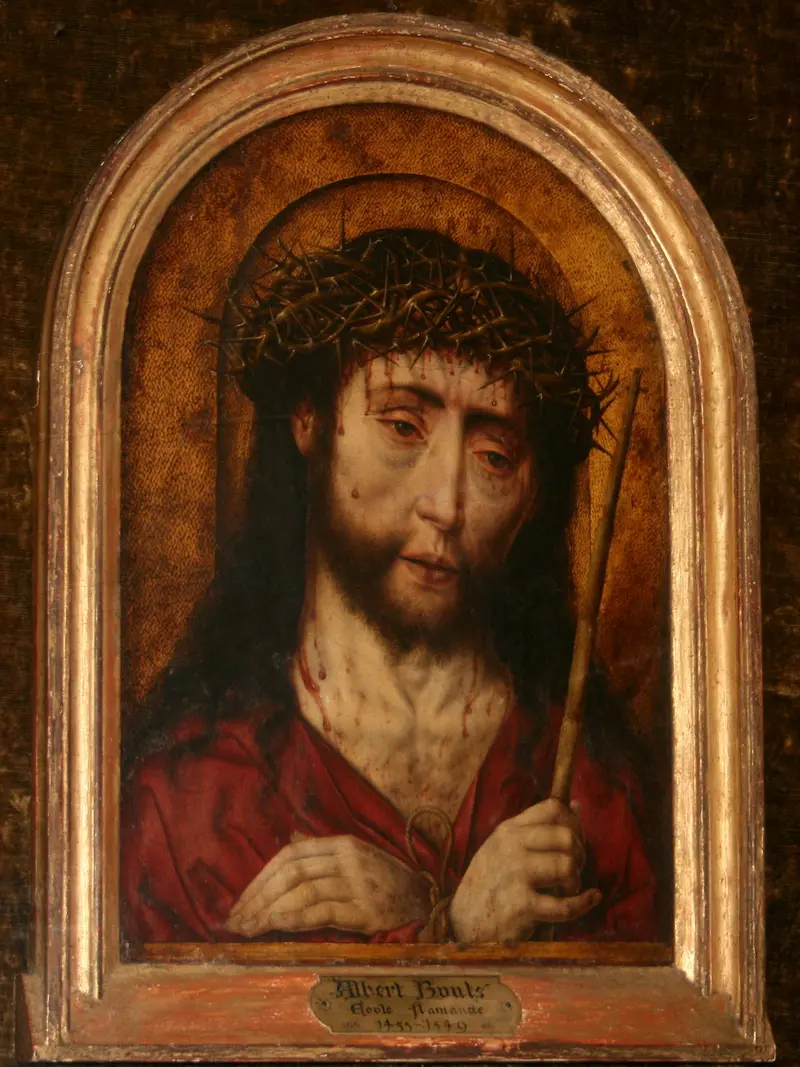
The Mocking of Christ
Aelbert Bouts
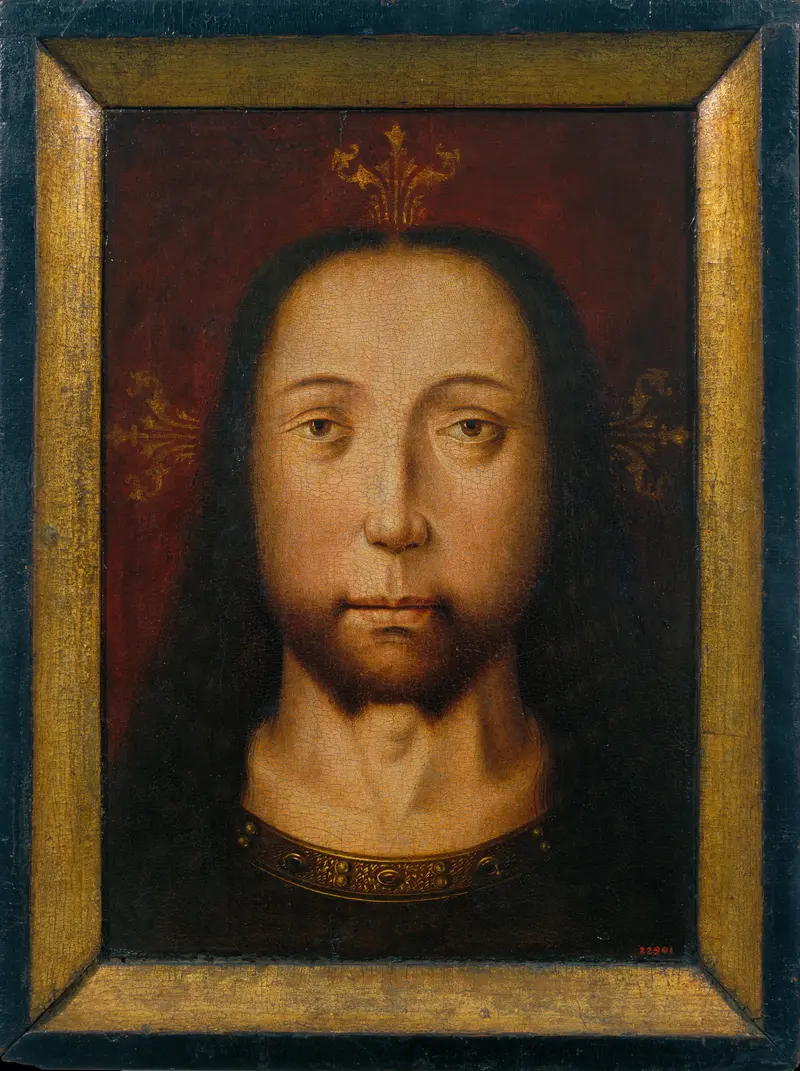
Holy Countenance
Aelbert Bouts
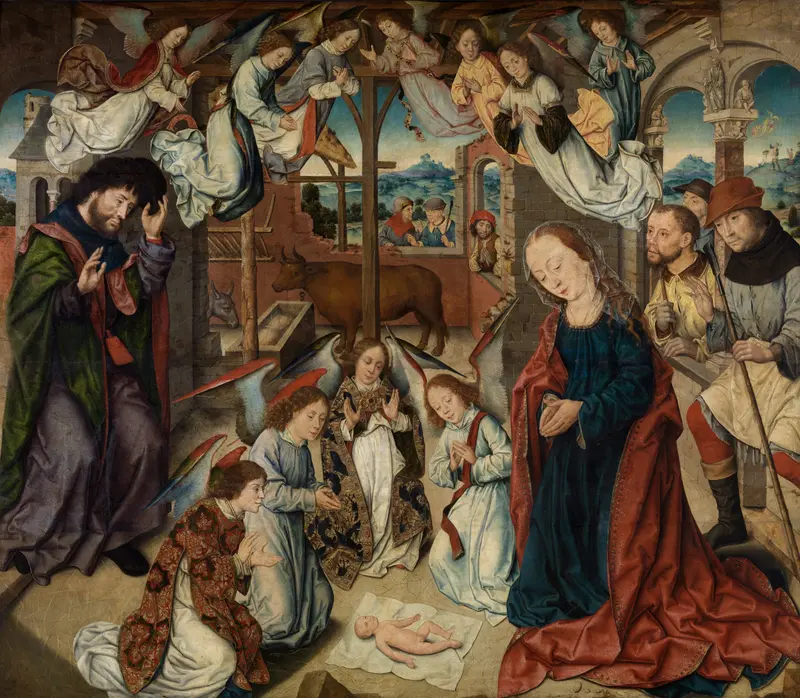
The Adoration of the Shepherds
Aelbert Bouts
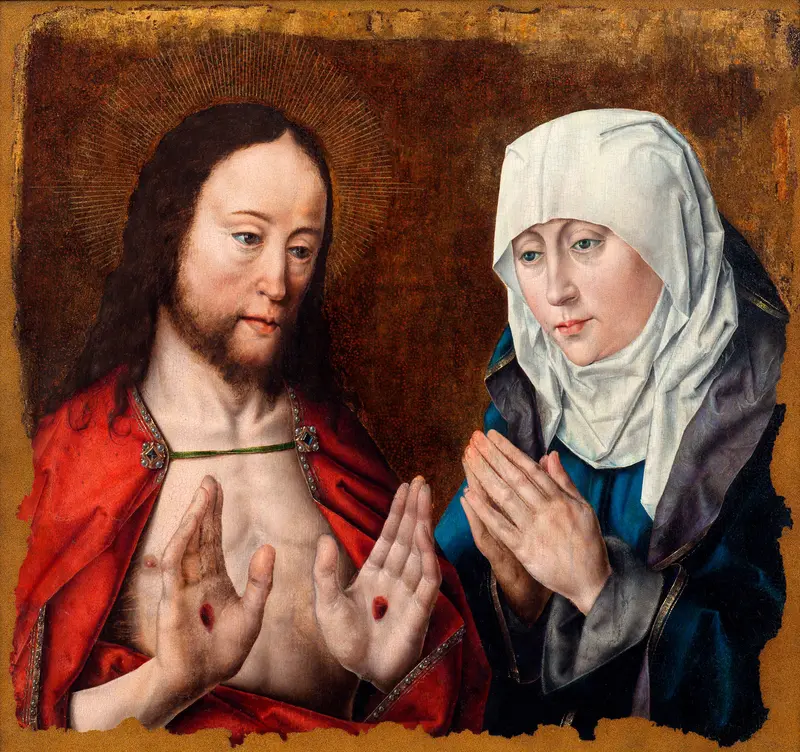
Christ appears to Mary
Aelbert Bouts
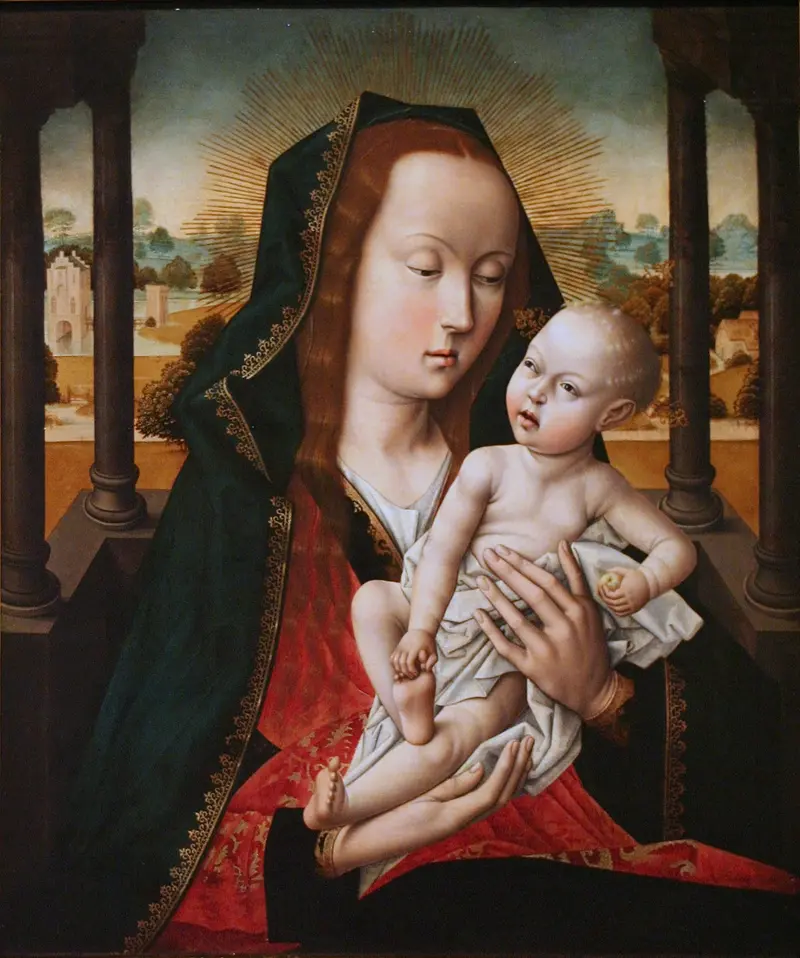
Madonna and Child
Aelbert Bouts
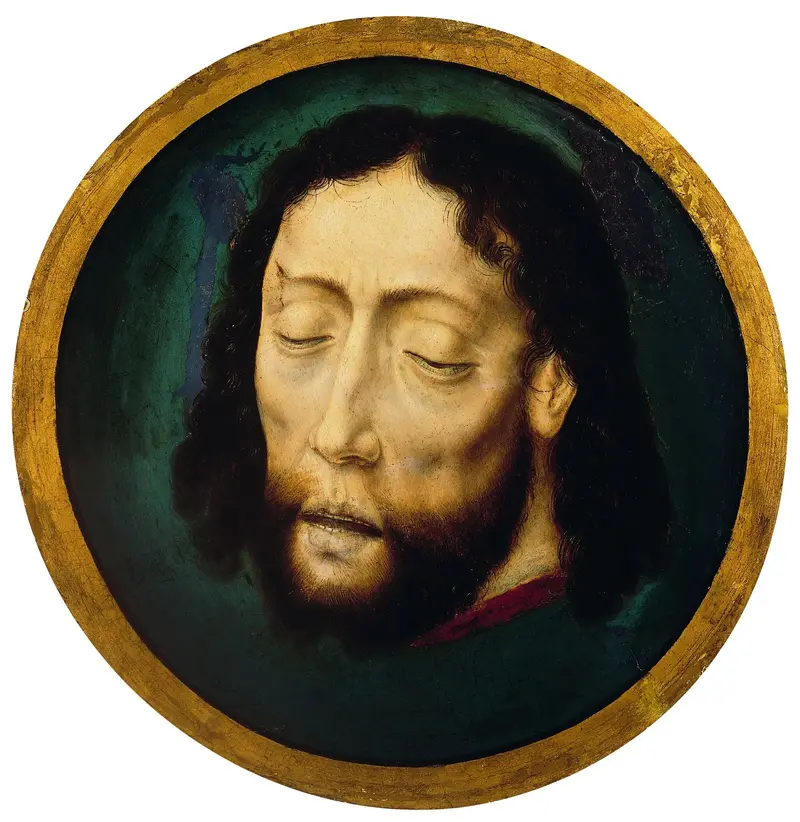
Head of St. John the Baptist
Aelbert Bouts
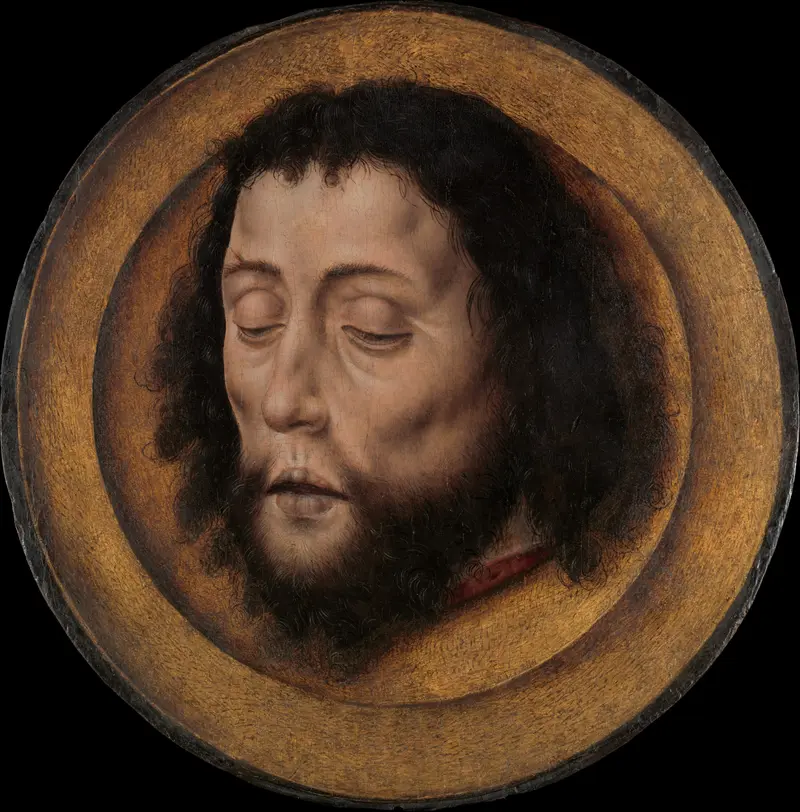
Head of Saint John the Baptist on a Charger
Aelbert Bouts
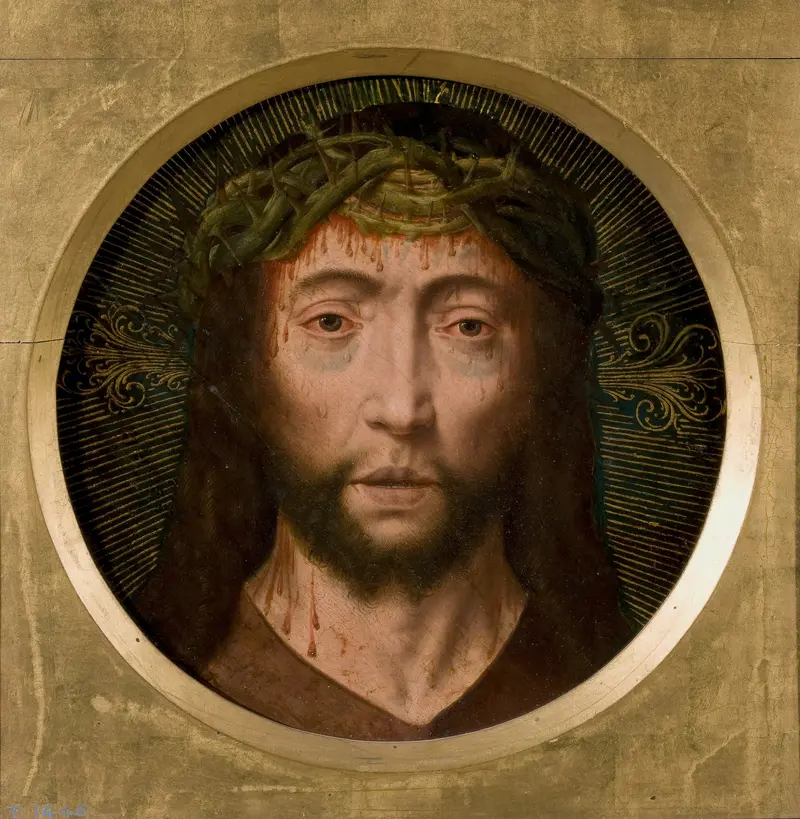
Head of Christ
Aelbert Bouts





