
Christ crowned with thorns — History & Facts
No fewer than five versions of Christ crowned with thorns by Fra Angelico survive, each painted in the early 1430s, but none is more enigmatic than this small panel, whose original location and patron remain unknown. The proliferation of these images suggests a special devotional demand in Florence at the time, with the theme resonating deeply in the years following the Council of Florence (1431). While most of Fra Angelico’s commissions were for Dominican convents, this particular work seems designed for private contemplation, its intimacy inviting viewers into the drama. The scene captures the moment described in the Gospels when Christ, mocked by Roman soldiers, is pressed with a crown of thorns.
Here, Fra Angelico chooses the instant of humiliation: Christ sits, eyes lowered, hands bound, as two figures in contemporary Florentine dress force the cruel crown onto his head with sticks. The delicate gold leaf halo, the fine blue of Christ’s robe, and the almost tender rendering of his calm face contrast sharply with the brutality of the act. Unlike Hieronymus Bosch’s later, chaotic rendering of the same subject, Fra Angelico’s version is hushed and focused, the violence contained within a quiet, almost meditative space. The painting’s journey after its creation is uncertain; no early records survive to trace its path from 15th-century Florence to the present.
It is generally accepted as an authentic work by Fra Angelico, painted around 1430, though some scholars have debated the involvement of his workshop. Today, it hangs in the Museo del Prado, a testament to the artist’s ability to fuse spiritual intensity with the new realism of the early Renaissance. Whether intended for a Dominican friar or a lay patron, the panel stands as a moving witness to the devotional art of its time.
More Artworks by Fra Angelico

Condemnation of St Lawrence by the Emperor Valerian
Fra Angelico
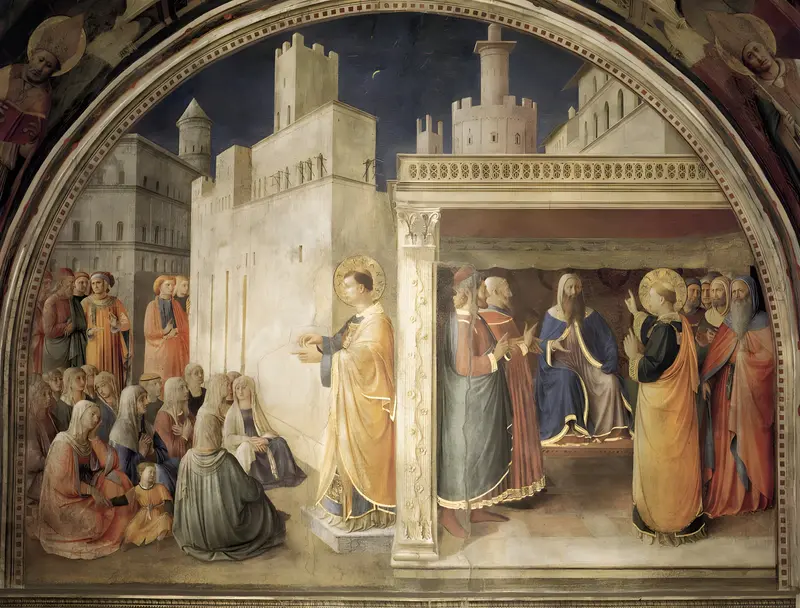
Lunette of the north wall
Fra Angelico
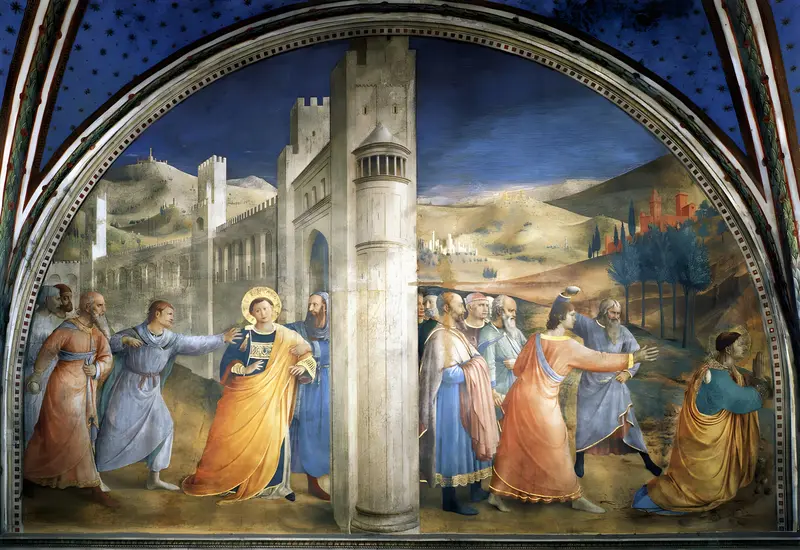
Lunette of the east wall in Niccoline Chapel
Fra Angelico
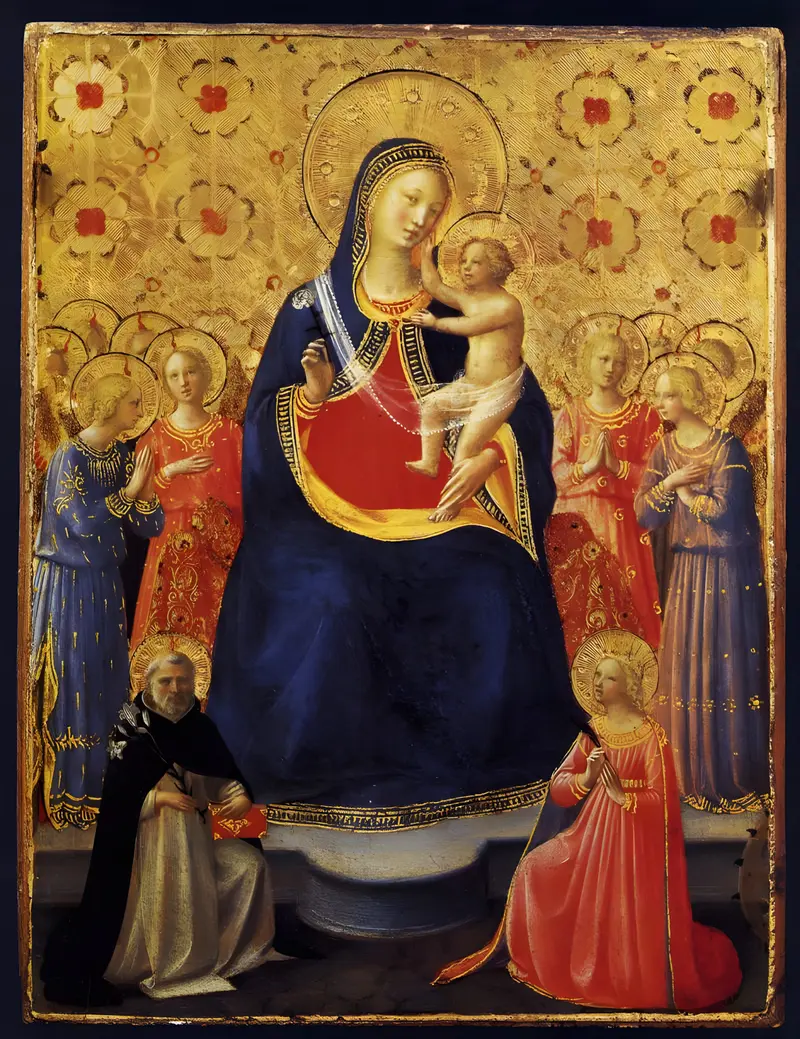
Madonna and Child Enthroned with Nine Angels and Saints Dominic and Catherine of Alexandria
Fra Angelico
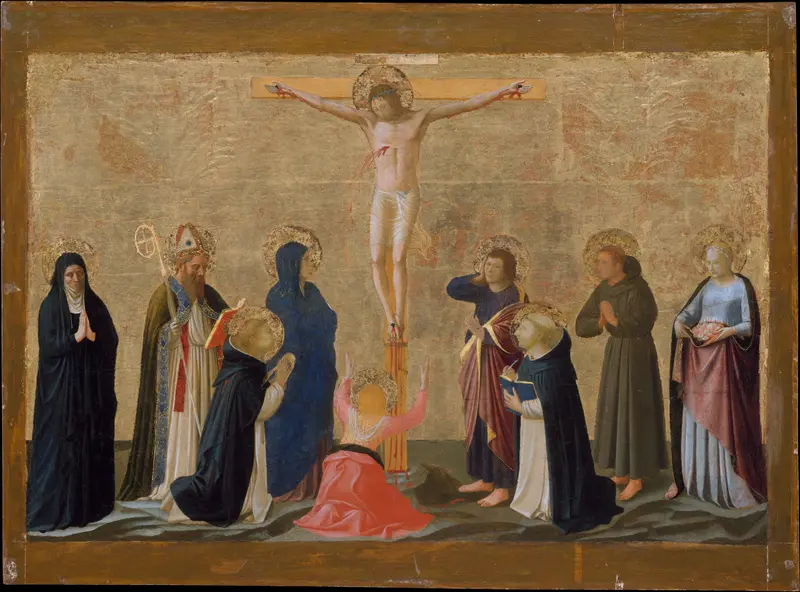
The Crucifixion
Fra Angelico
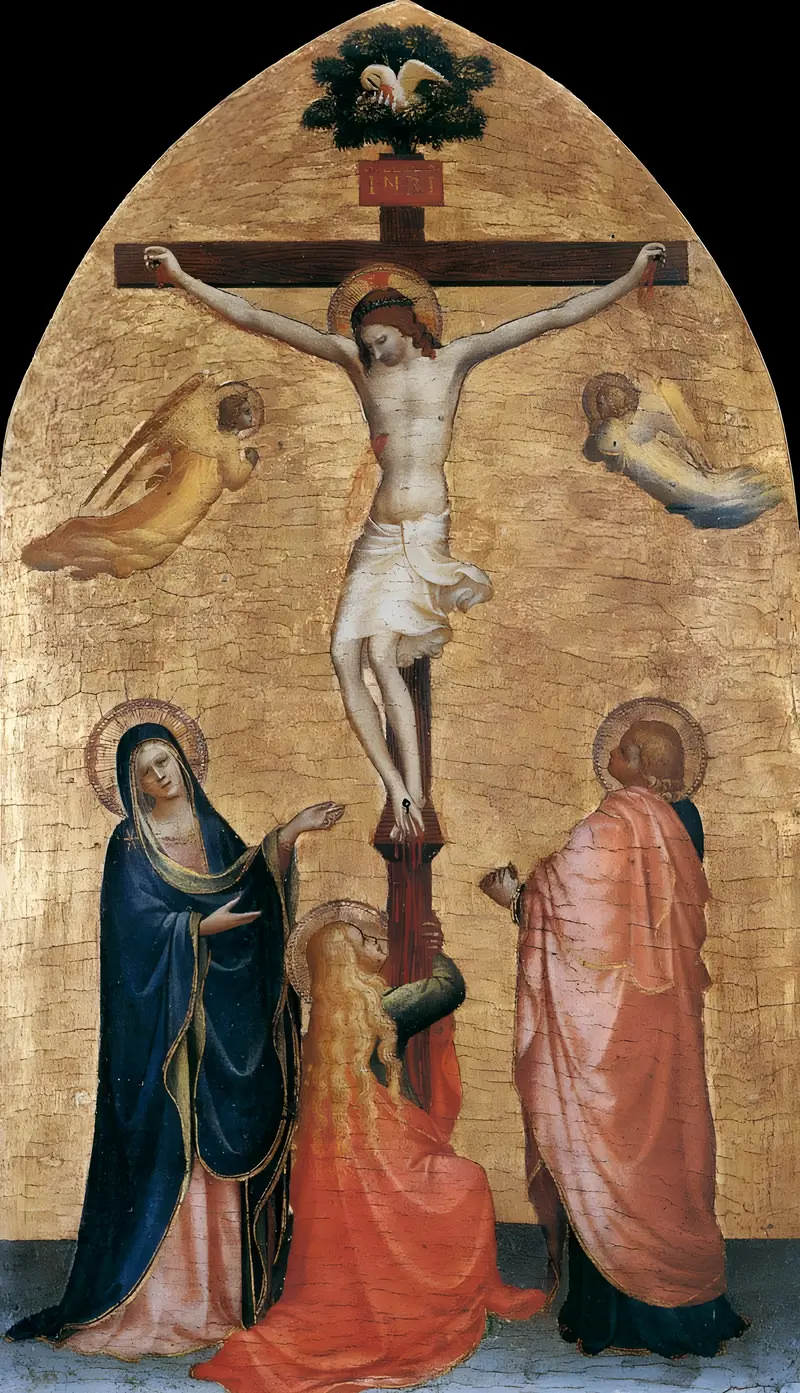
Crucifixion with the Virgin, John the Evangelist, and Mary Magdelene
Fra Angelico
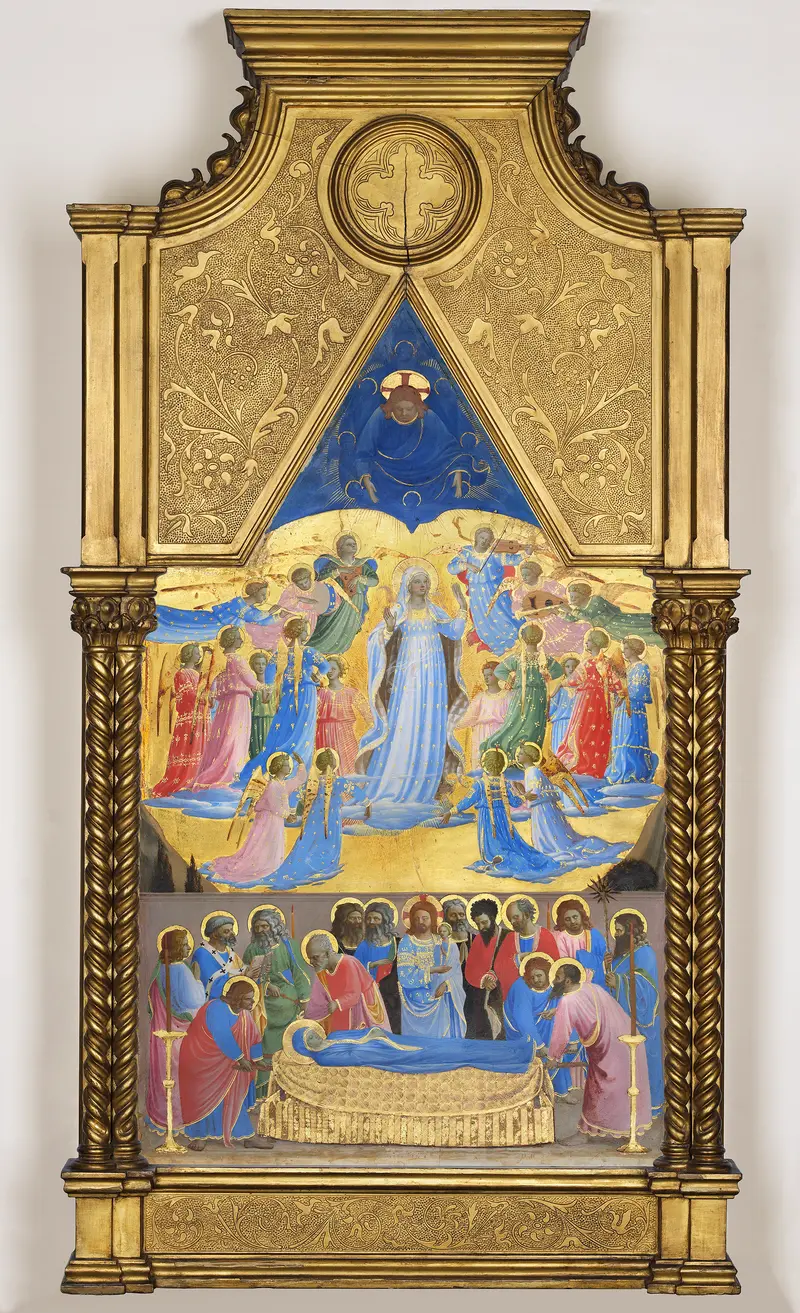
Dormition and Assumption of the Virgin
Fra Angelico
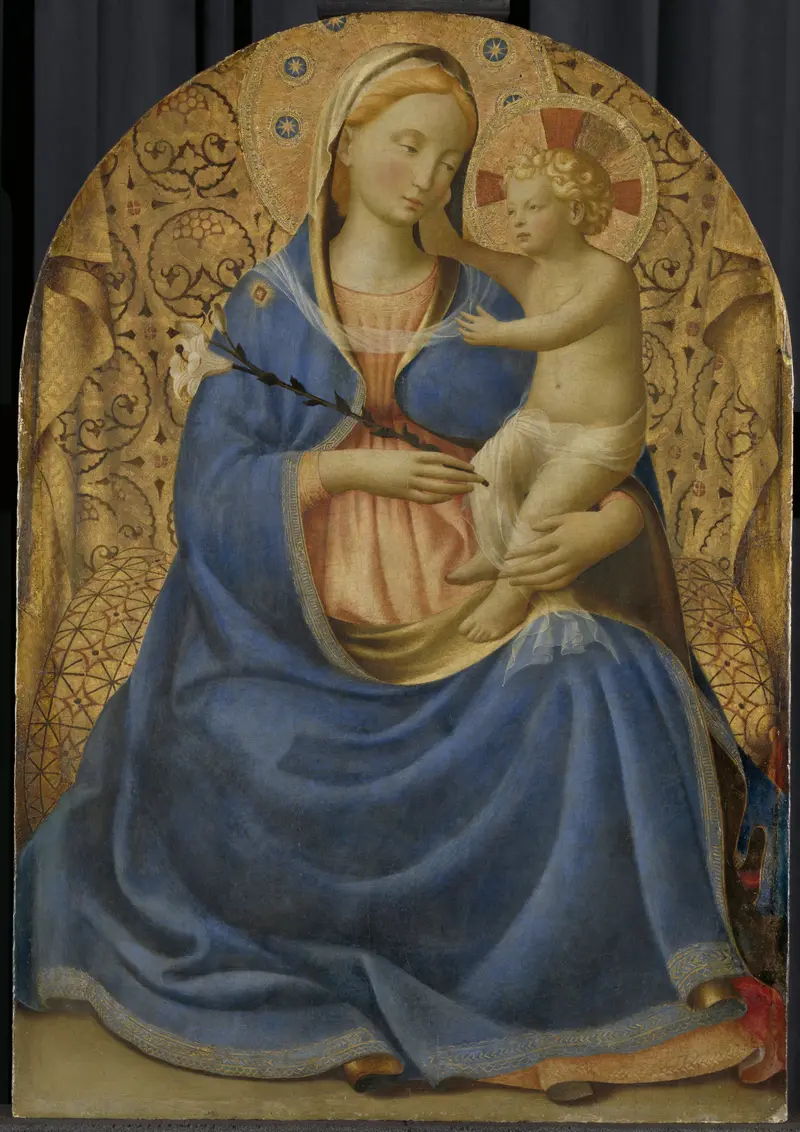
Madonna of Humility
Fra Angelico
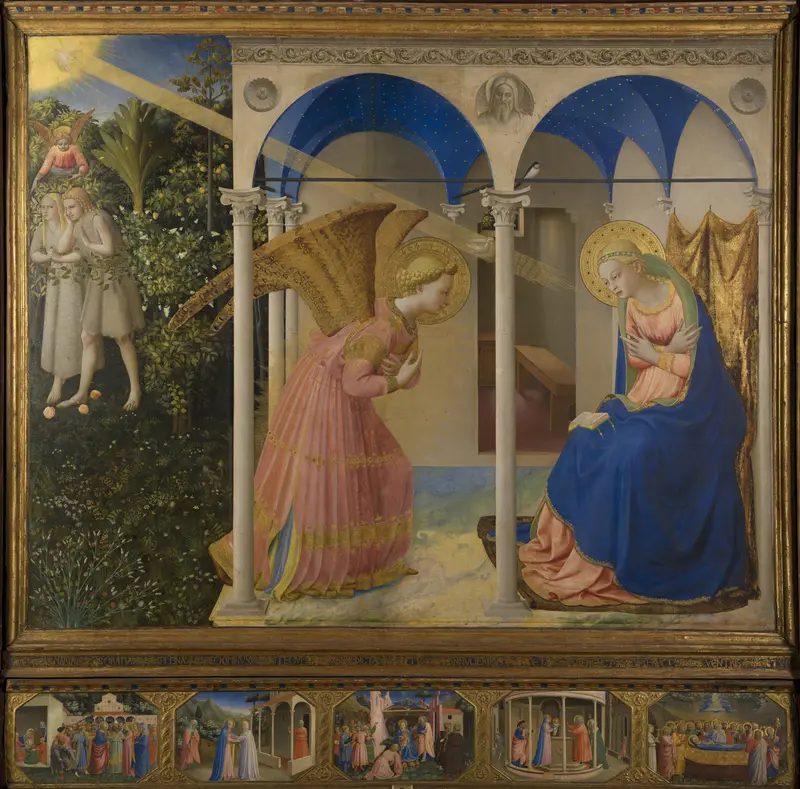
The Annunciation
Fra Angelico

Saint Anthony Abbot
Fra Angelico





