
Christ – Salvator Mundi — History & Facts
What holds the viewer here is the unwavering, frontal gaze—an encounter that feels both intimate and unyielding. The face of Christ, rendered with a directness that leaves no room for distraction, fills nearly the entire panel, framed by a simple gold border that presses the viewer closer still. Each detail is calculated: the gentle modeling of the flesh, the almost symmetrical fall of the hair, and the delicate, gold-threaded embroidery at the collar, which quietly signals the sacred nature of the figure.
The radiating gold lines behind the head, subtle but insistent, mark this as a vision meant for contemplation, not narrative. Works like this Salvator Mundi, painted between 1490 and 1520 by Aelbert Bouts, belong to a tradition of devotional images designed for private prayer in late medieval Europe. Such paintings were not made for grand altarpieces, but for quiet corners in homes or small chapels, where the faithful could meet the gaze of Christ one-on-one. The world that produced this image was one of shifting religious practice, as lay devotion and personal piety grew alongside the established rituals of the Church.
Today, this panel resides in the National Museum in Kraków, its digital record preserved under ID 191789—a silent witness to centuries of private devotion, now inviting new eyes to linger in its steady presence.
More Artworks by Aelbert Bouts
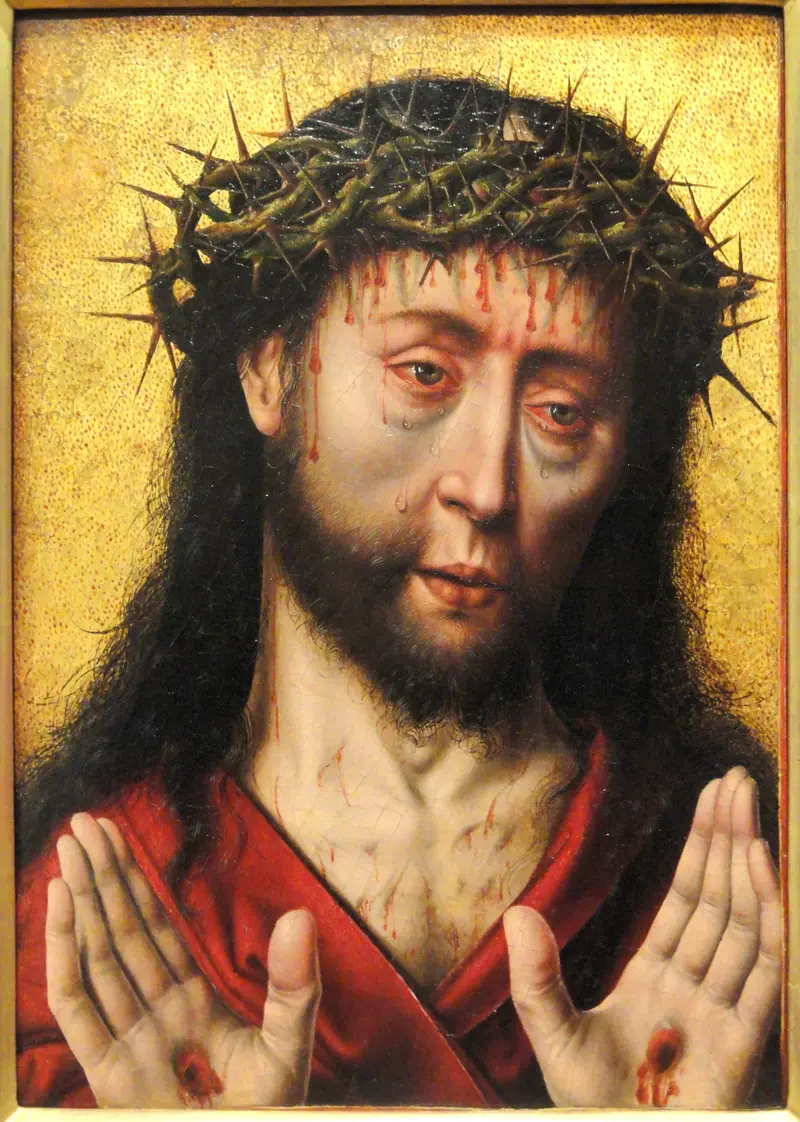
The Man of Sorrows
Aelbert Bouts
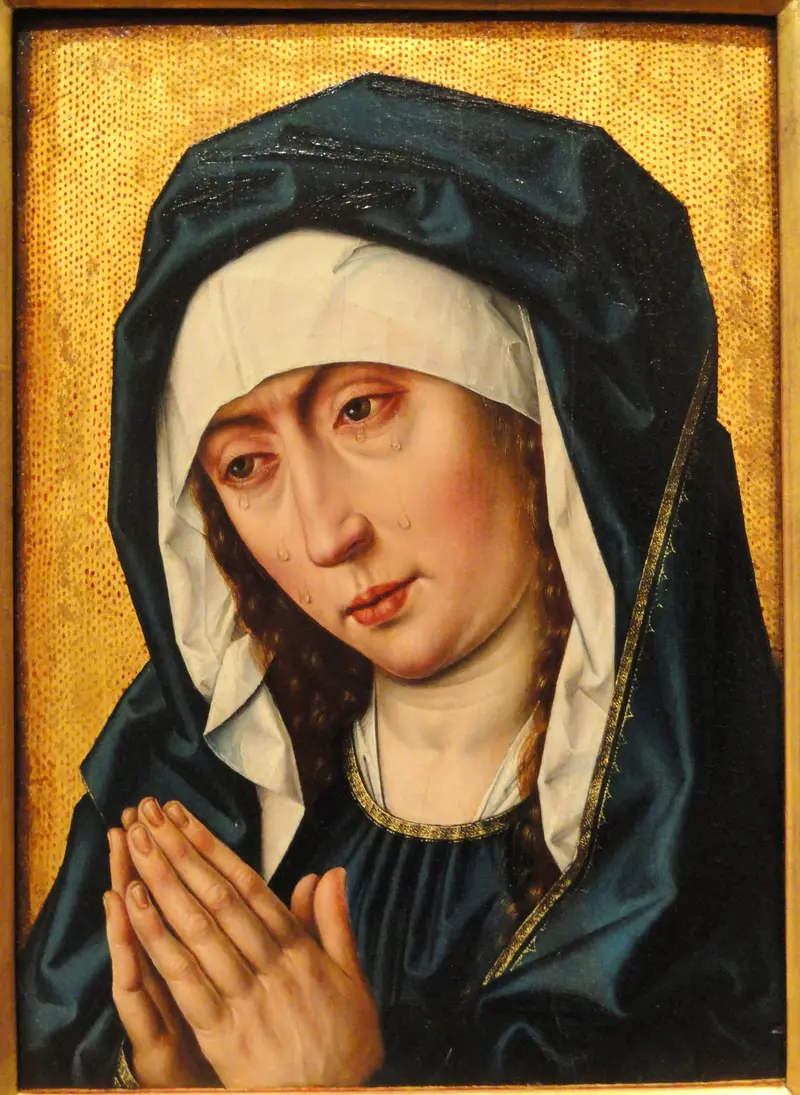
The Mater Dolorosa
Aelbert Bouts
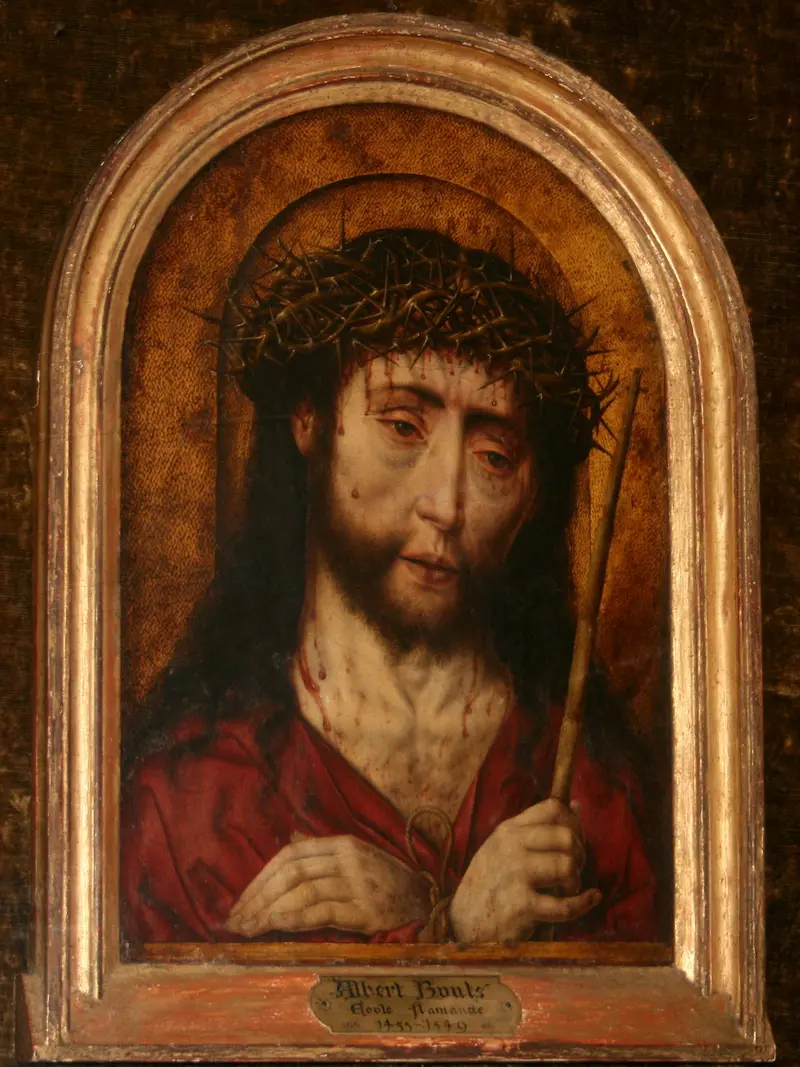
The Mocking of Christ
Aelbert Bouts
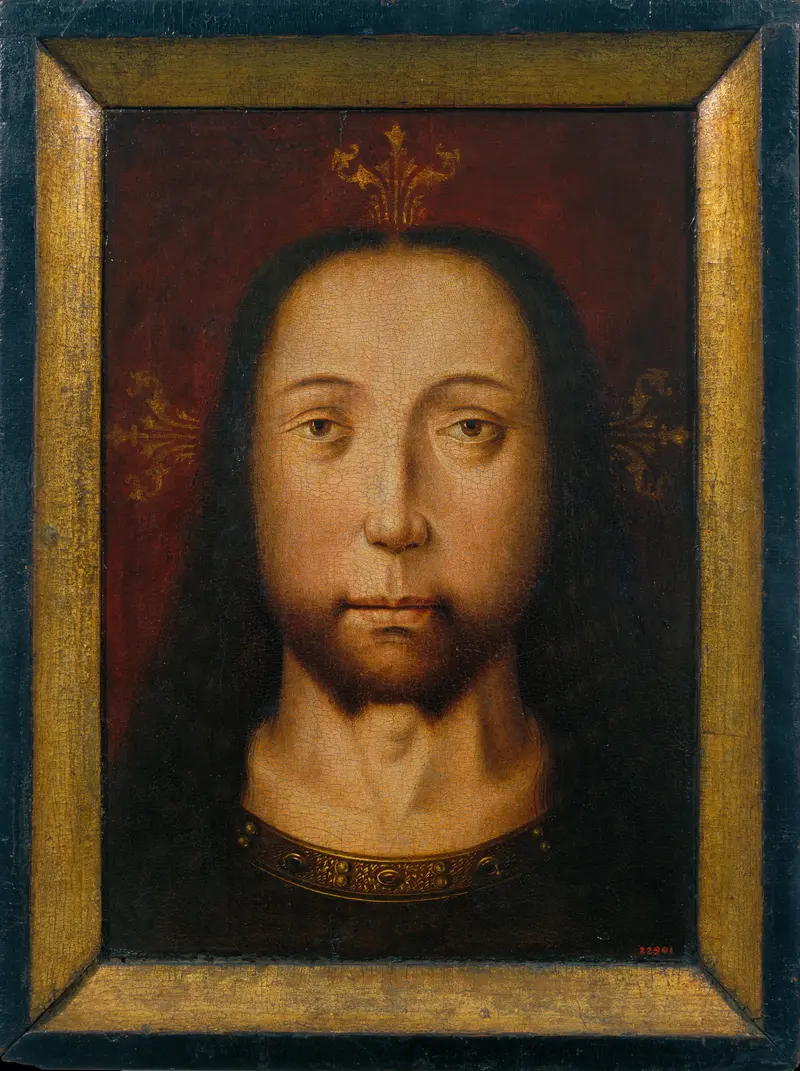
Holy Countenance
Aelbert Bouts
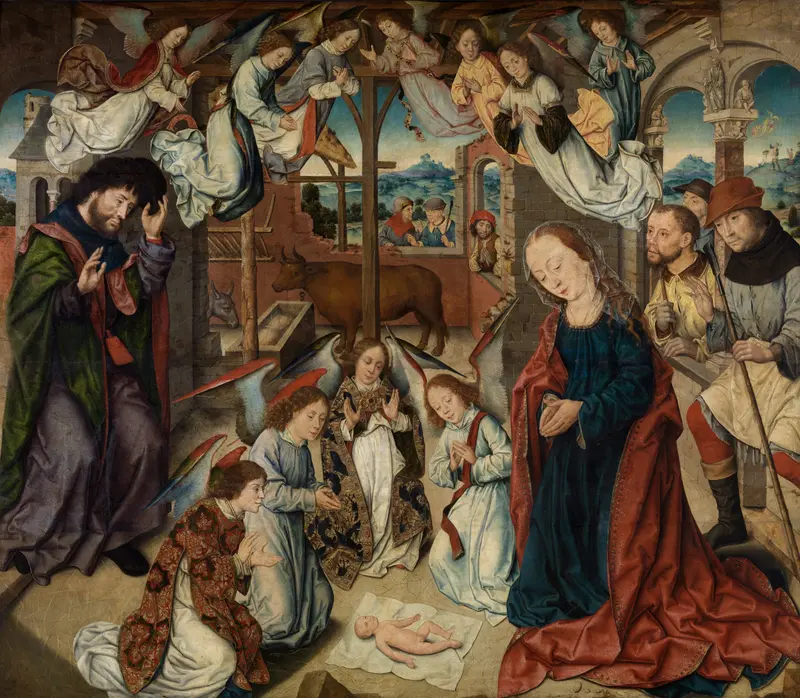
The Adoration of the Shepherds
Aelbert Bouts
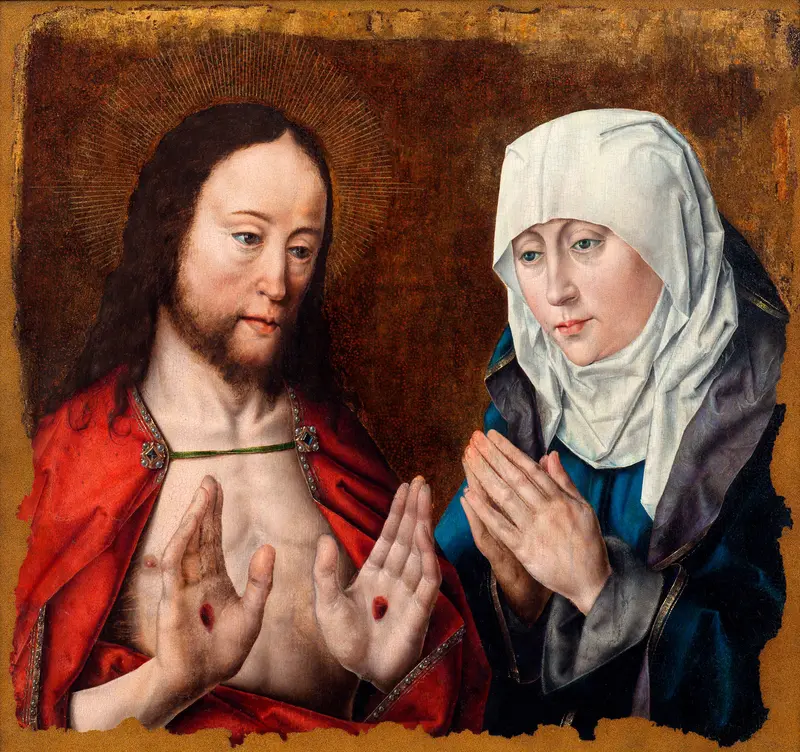
Christ appears to Mary
Aelbert Bouts
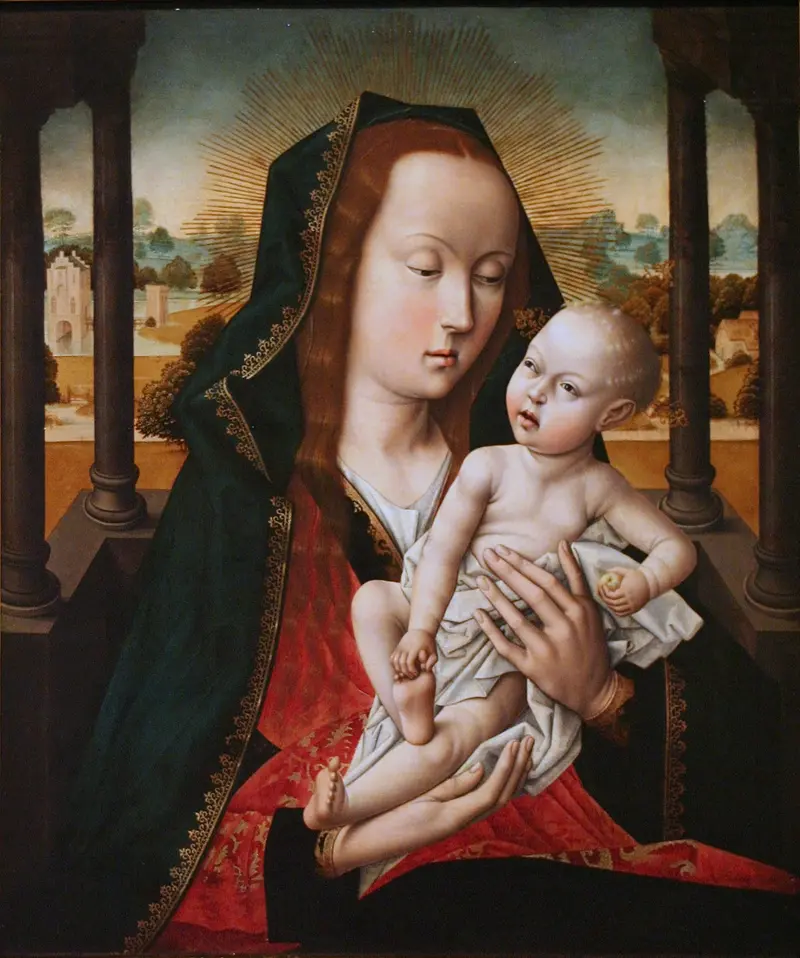
Madonna and Child
Aelbert Bouts
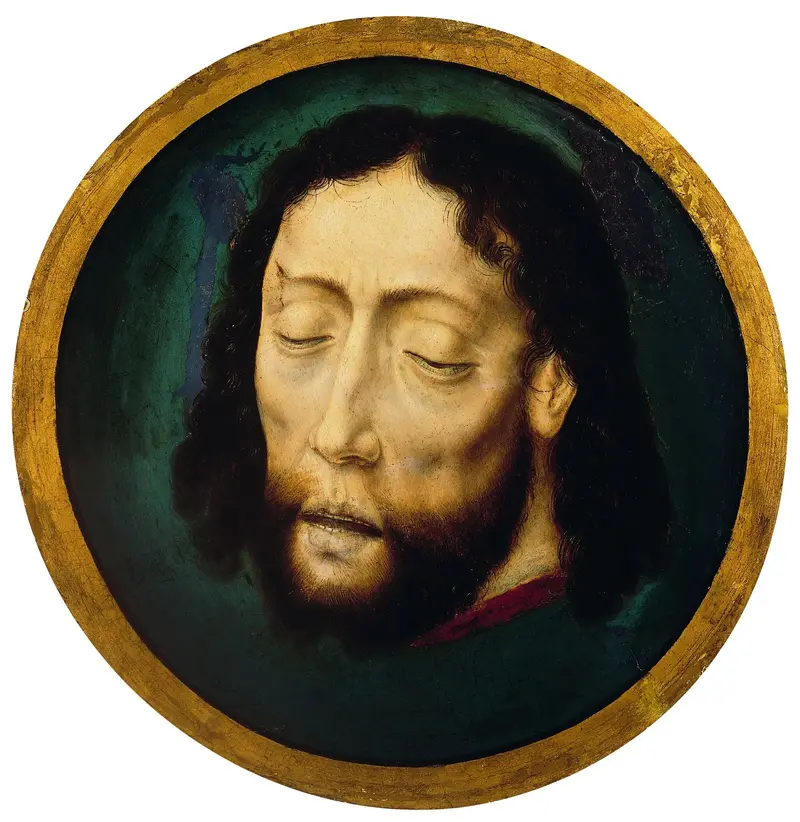
Head of St. John the Baptist
Aelbert Bouts
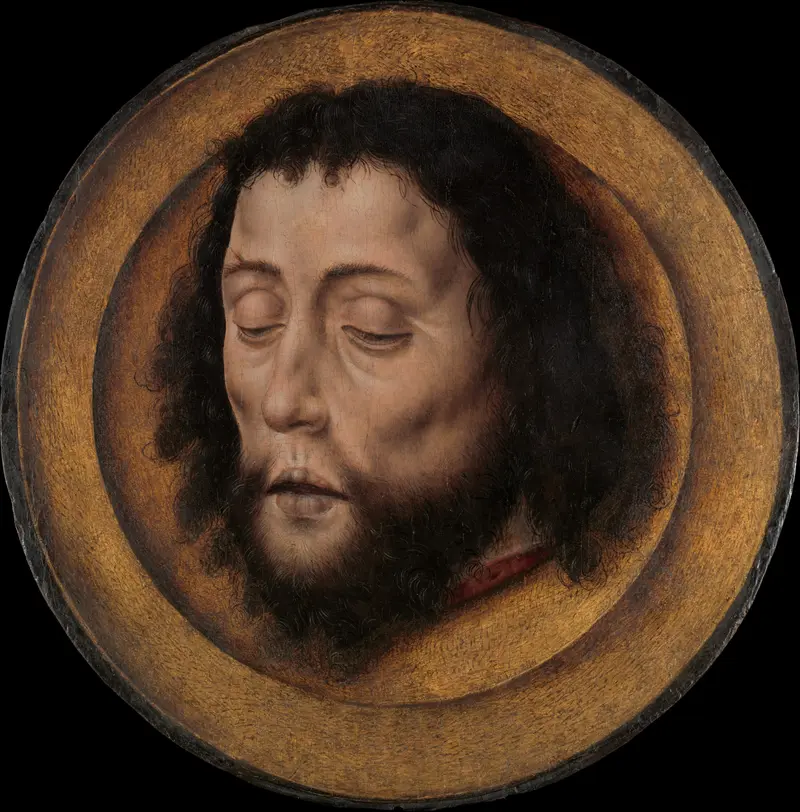
Head of Saint John the Baptist on a Charger
Aelbert Bouts
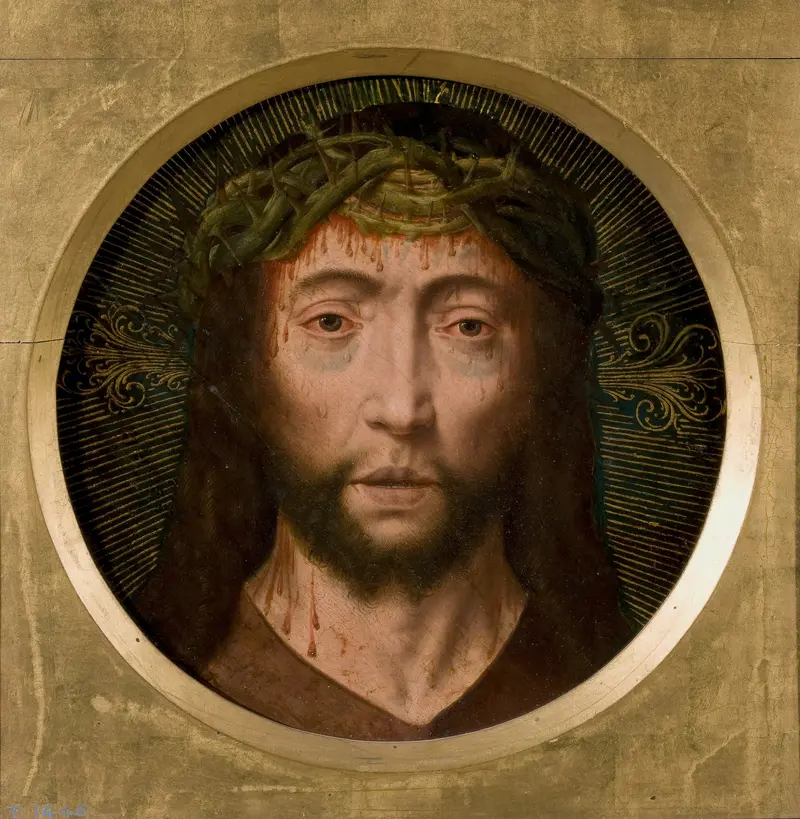
Head of Christ
Aelbert Bouts





