
Christian Martyrs — History & Facts
When Christian Martyrs was first exhibited in 1871, viewers were struck by its harrowing vision of faith under fire—a subject that had haunted Gustave Doré throughout his career. The work was painted in the aftermath of the Franco-Prussian War, a period when France itself was grappling with suffering and loss, and some critics saw in Doré’s martyrs a mirror of contemporary anguish. Unlike his more famous illustrations, here Doré tackled a monumental theme on canvas, not paper, and brought to it the same dramatic intensity that made his engravings for The Divine Comedy and The Bible so widely admired. Doré chooses the moment when early Christians, condemned by Roman authorities, await their fate in the arena.
The painting’s focus is not on violence, but on the tense, silent communion among the condemned: a mother clutches her child, an old man bows his head in prayer, chains glint against bare skin, and the distant crowds blur into shadow. Light falls from above, illuminating the group in a way that suggests both hope and exposure, while the looming architecture of the Colosseum presses in around them. Unlike Jean-Léon Gérôme’s cool, theatrical The Christian Martyrs’ Last Prayer, Doré’s vision is raw and immediate, inviting the viewer to stand among the doomed rather than observe from afar. The exact medium of Christian Martyrs is uncertain, as Doré worked in both oil and mixed techniques, and the painting’s whereabouts have sometimes been unclear.
It was created during a time when Doré was seeking recognition as a serious painter, rather than merely an illustrator, and this work stands as one of his most ambitious attempts. While it has not achieved the fame of his engravings, Christian Martyrs remains a powerful testament to his dramatic imagination and his fascination with themes of suffering and redemption. Today, it is valued as a rare example of Doré’s large-scale religious painting, a bridge between his narrative genius and his painterly ambitions.
More Artworks by Gustave Doré

The Deluge
Gustave Doré
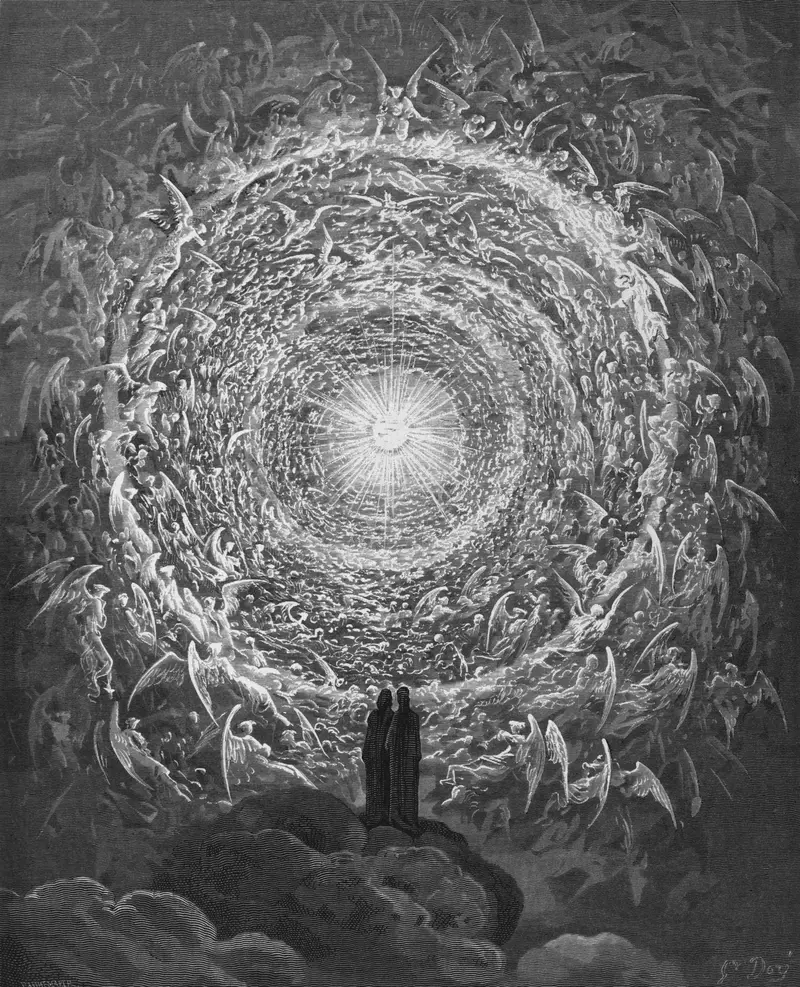
The Empyrean (Paradiso, Canto 31)
Gustave Doré
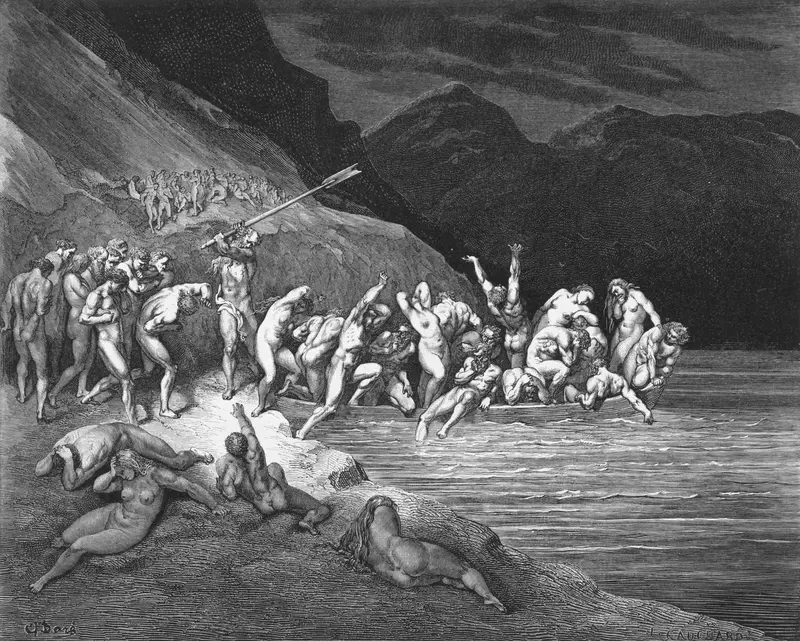
Charon (Inferno, Canto 3)
Gustave Doré
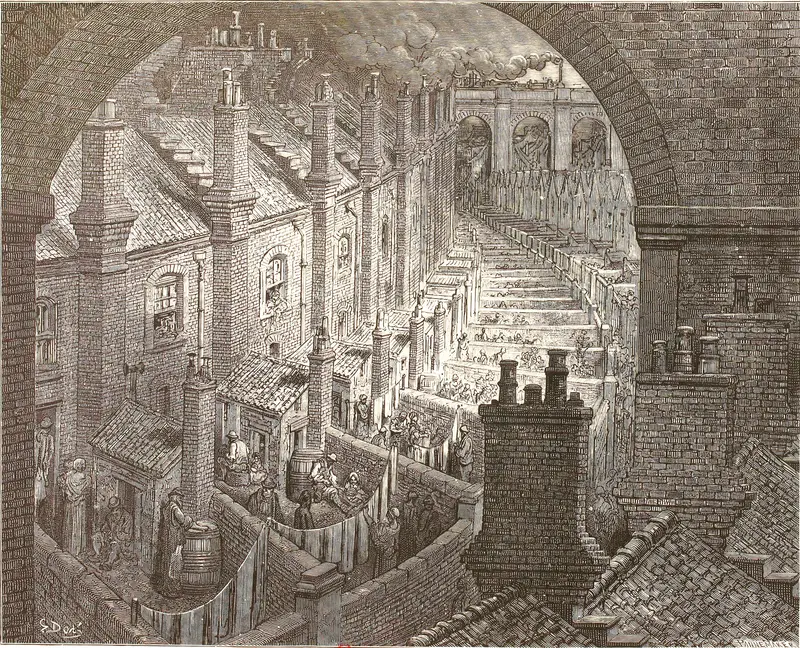
Over London by Rail
Gustave Doré
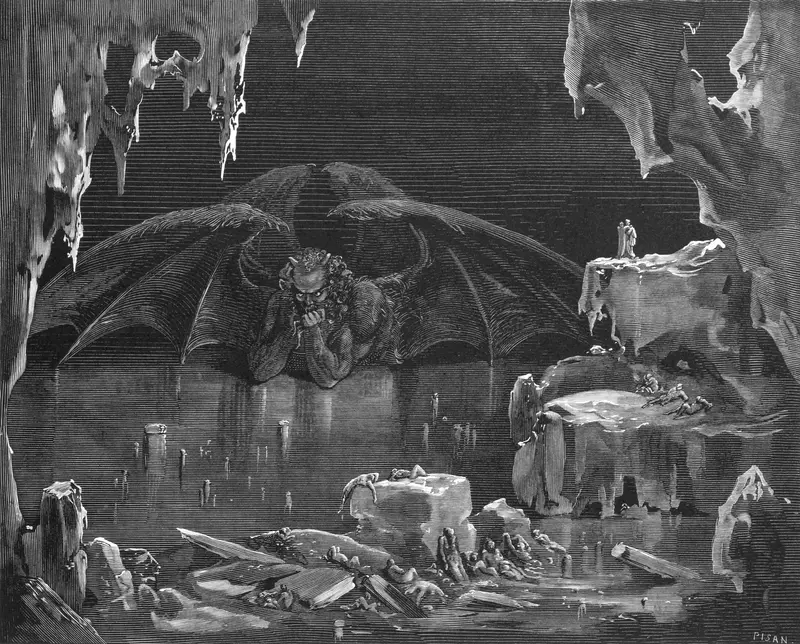
Lucifer, King of Hell
Gustave Doré
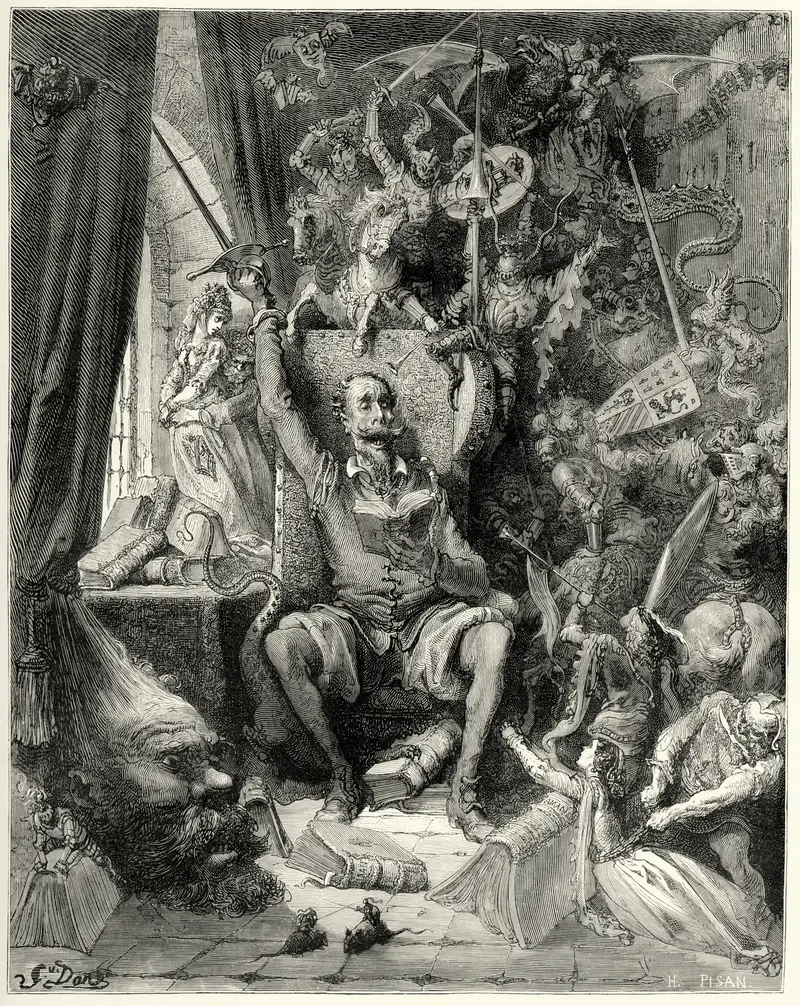
Don Quixote in His Library
Gustave Doré
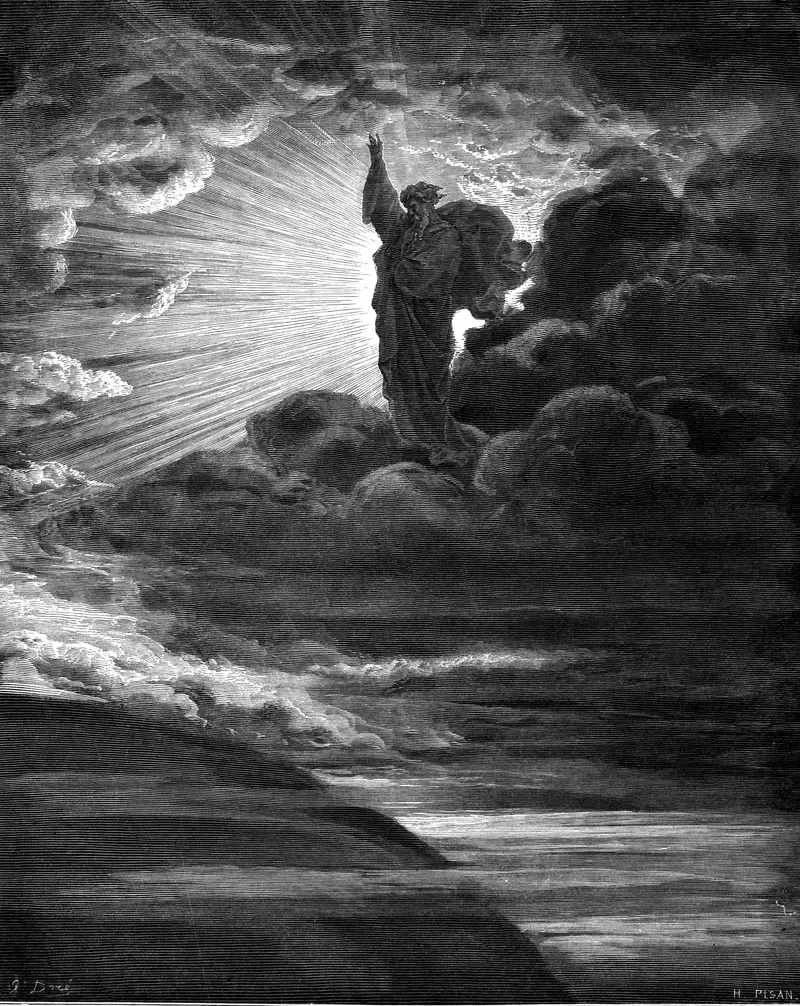
The Creation of Light
Gustave Doré
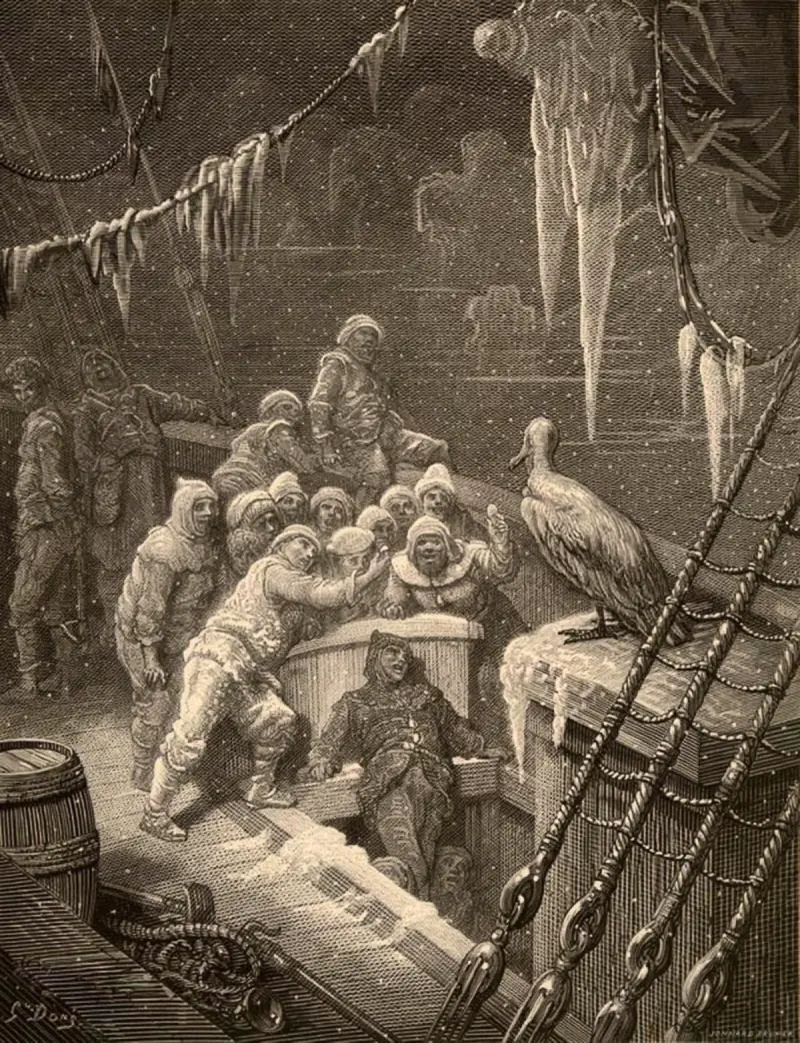
The Albatross (The Rime of the Ancient Mariner)
Gustave Doré
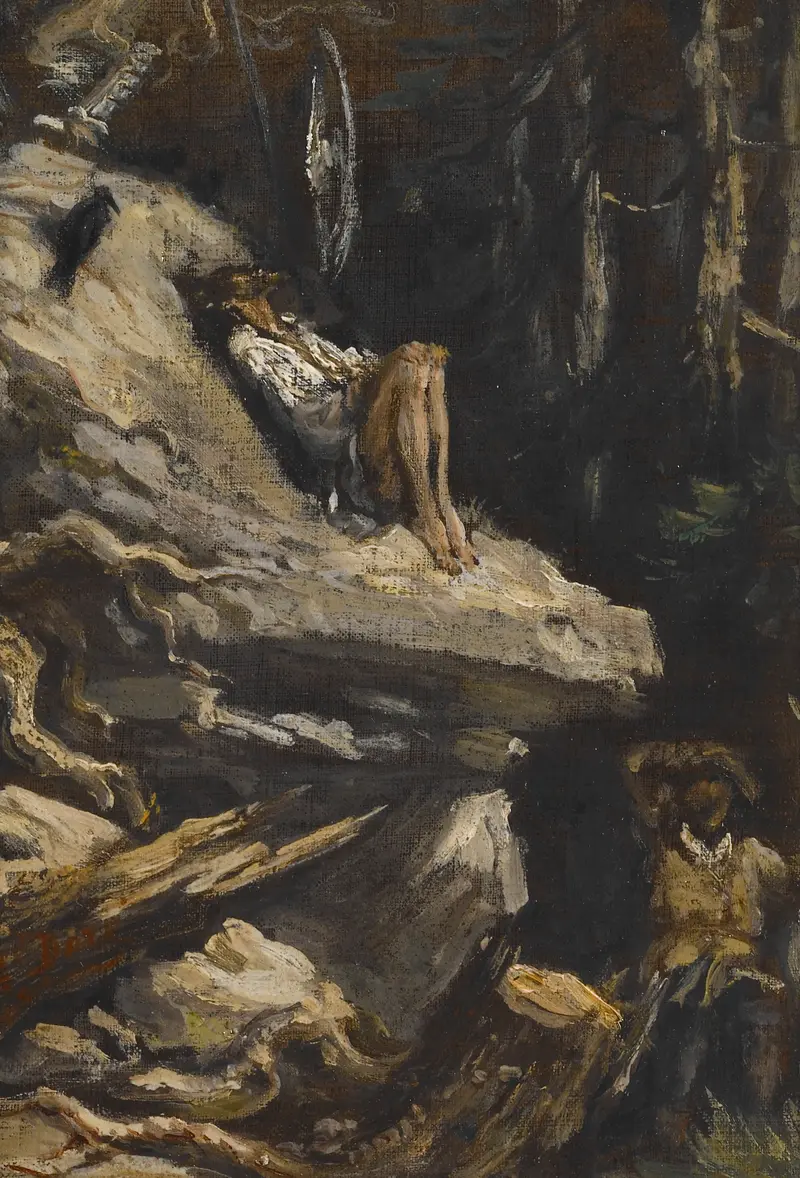
"'Alas!' answered Sancho, 'I found him in his shirt, lean, pale, and almost starved, sighing for his Lady Dulcinea'" from Don Quixote
Gustave Doré
Christ's Entry into Jerusalem
Gustave Doré





