
Colonel Alastair Ranaldson Macdonell of Glengarry (1771 – 1828) — History & Facts
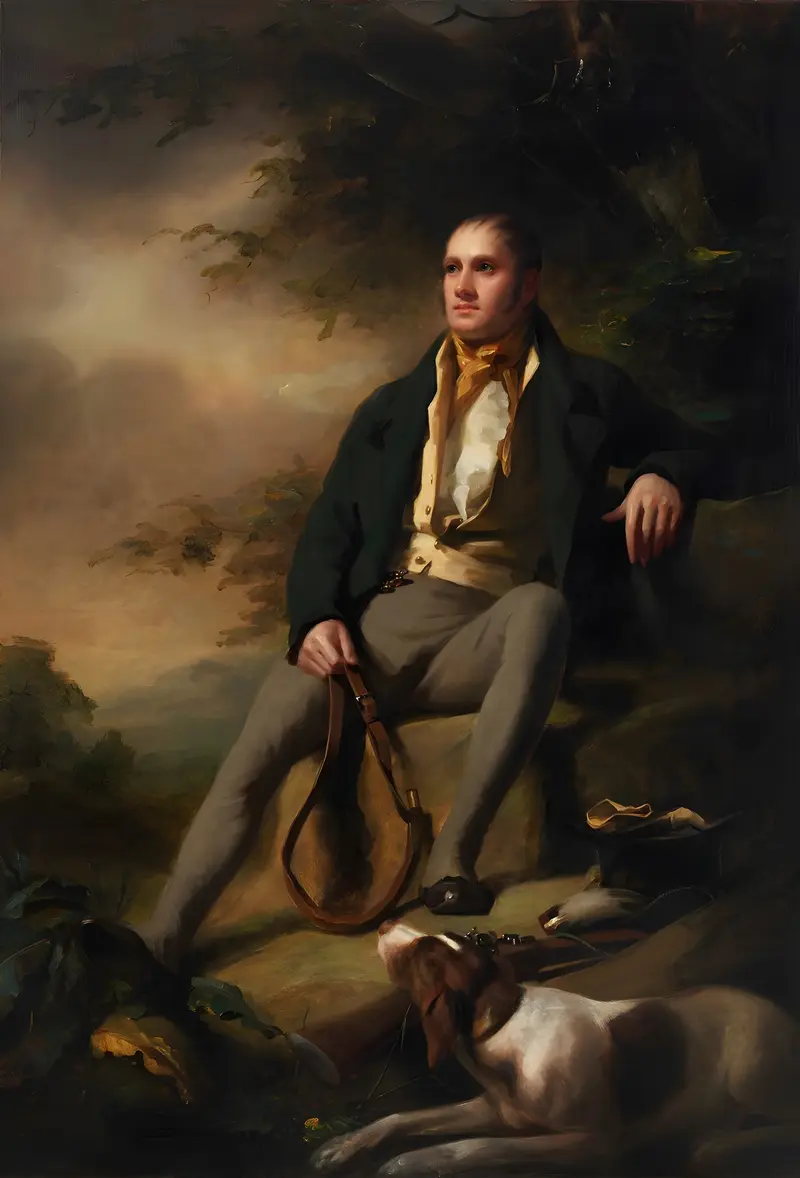
Few portraits have so strongly shaped the popular image of the Highland chieftain as Colonel Alastair Ranaldson Macdonell of Glengarry by Sir Henry Raeburn. The sitter, a flamboyant figure in early 19th-century Scotland, was renowned for reviving Highland dress and customs at a time when such traditions were threatened by assimilation and political suspicion. His insistence on wearing full tartan regalia in Edinburgh society, even after the Jacobite risings had made such displays controversial, made him a living symbol of Scottish identity.
The painting’s fame was such that, according to contemporary accounts, visitors to Raeburn’s studio would ask to see "the Highland chief" above all others. Raeburn captures Macdonell at the height of his self-styled grandeur, standing proud in Highland garb, his gaze fixed and unwavering. The dark, stormy background throws the figure into sharp relief, emphasizing both the drama of his presence and the isolation of his role as clan leader in a changing world. Every detail—the feathered bonnet, the ornate sporran, the sweep of the plaid—serves to underline his authority and pride in his heritage.
Unlike the more romanticized Highlanders of David Wilkie or the sentimental nostalgia in Landseer’s later works, Raeburn’s approach is direct and unsparing, focusing on character rather than costume. The sitter’s pose, with one hand resting on his sword, suggests both readiness and restraint—a leader conscious of his responsibilities. The precise circumstances of the painting’s commission remain uncertain, but it is likely that Macdonell himself, eager to assert his status, sought out Scotland’s leading portraitist. The work has passed through several private collections, reflecting the enduring fascination with both sitter and artist, and today it is recognized as one of Raeburn’s most iconic images.
For Raeburn, whose career was defined by his ability to blend psychological insight with painterly bravura, this portrait stands among his finest achievements. It remains a touchstone for those interested in the visual construction of Scottish identity during the Romantic era.
More Artworks by Sir Henry Raeburn

Portrait of Hugh Hope
Sir Henry Raeburn
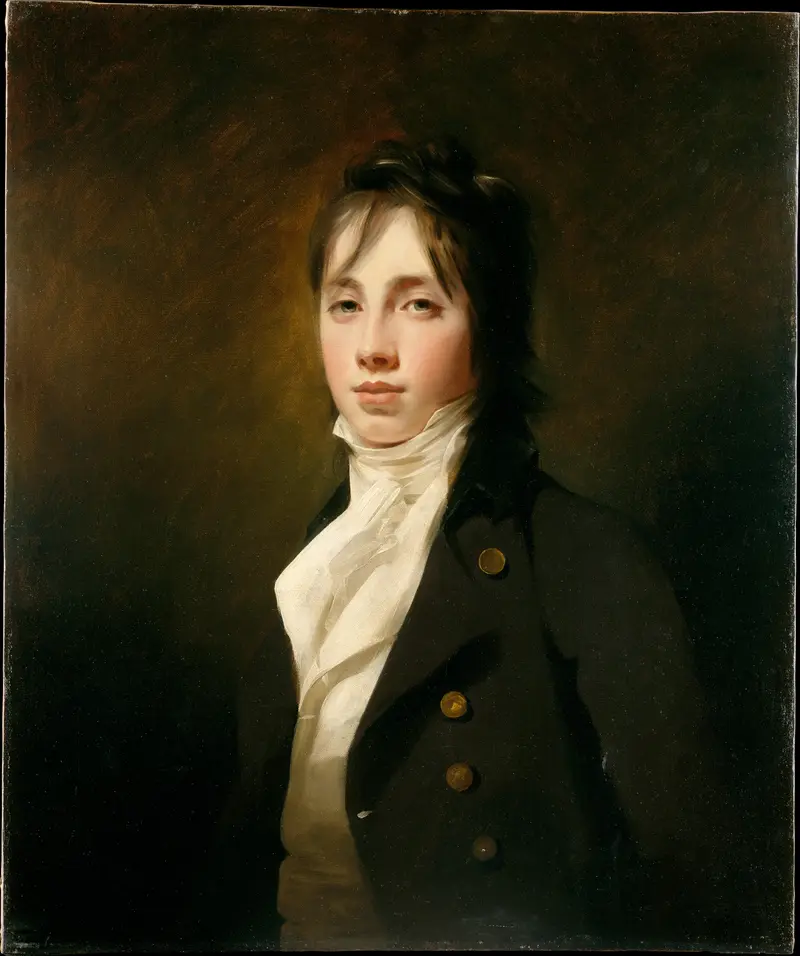
William Fraser of Reelig (1784–1835)
Sir Henry Raeburn
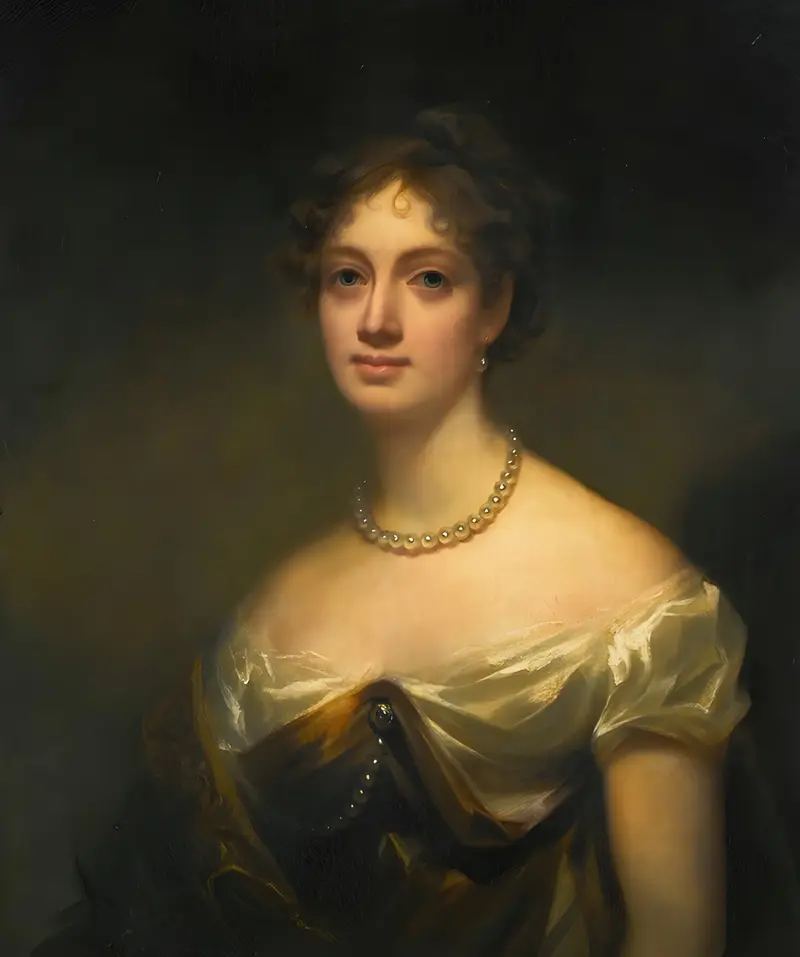
Portrait Of Anne Blair Maconochie Welwood Of Garvock, Lady Meadowbank (1784–1866)
Sir Henry Raeburn
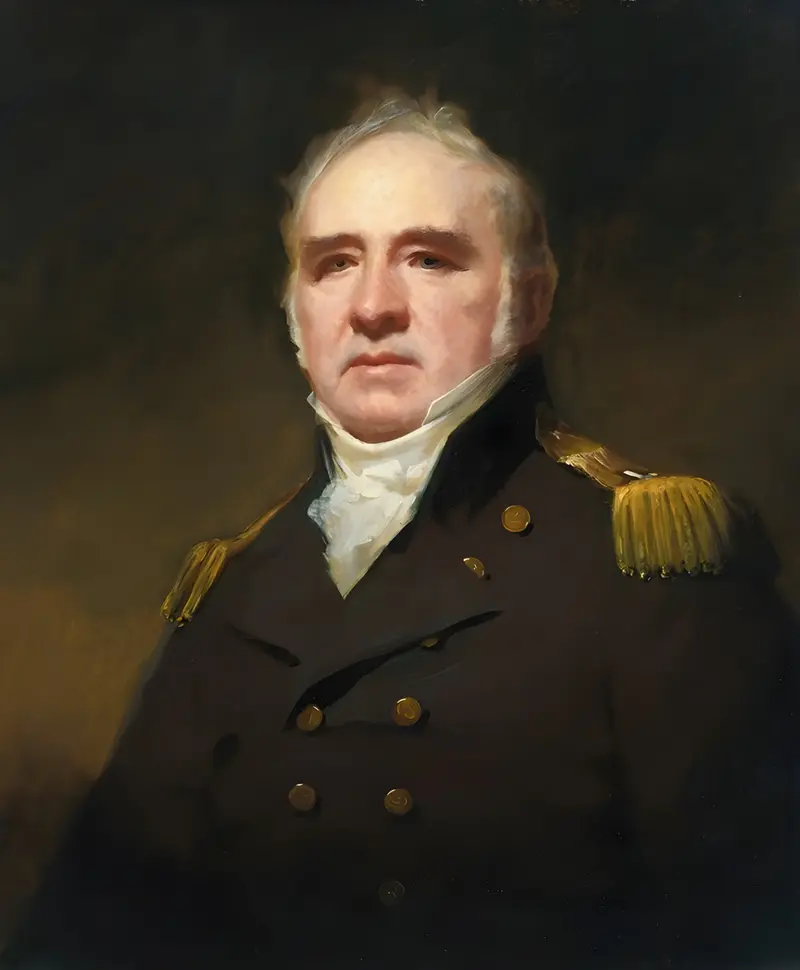
Portrait Of Captain James Forbes-Drummond, R.N., Of Hawthornden
Sir Henry Raeburn
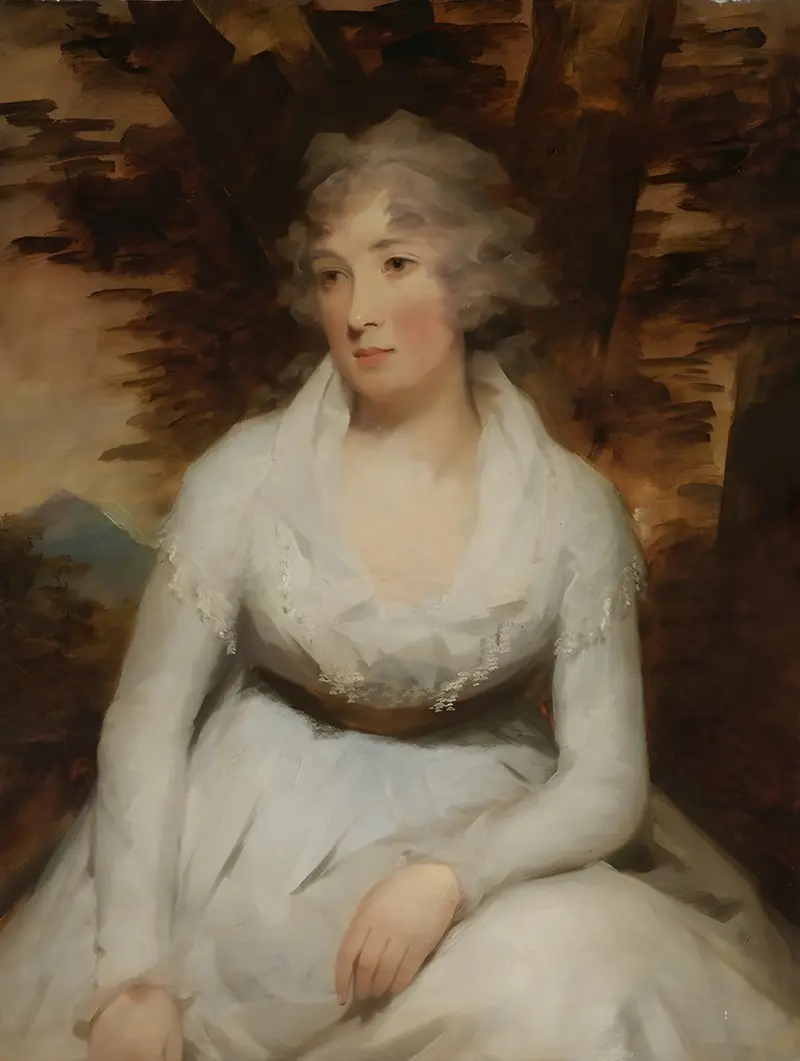
Miss Elizabeth Dalrymple (afterwards Mrs. George Leith)
Sir Henry Raeburn
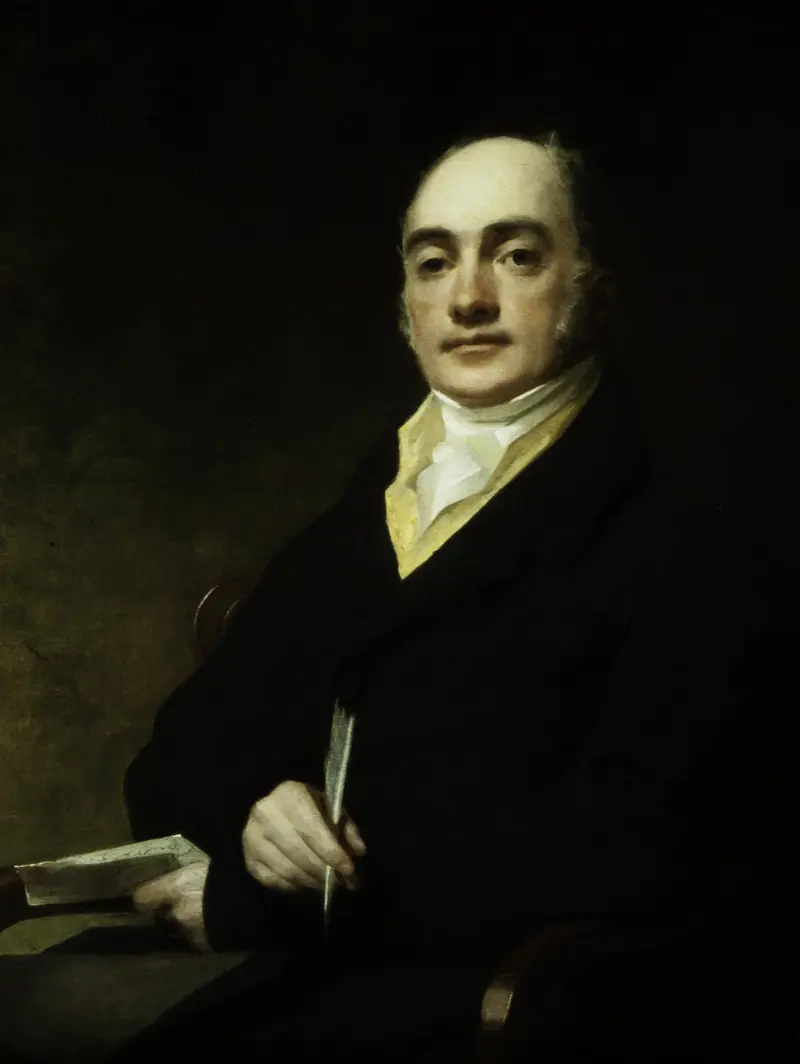
Portrait of John Baillie (1772-1833)
Sir Henry Raeburn
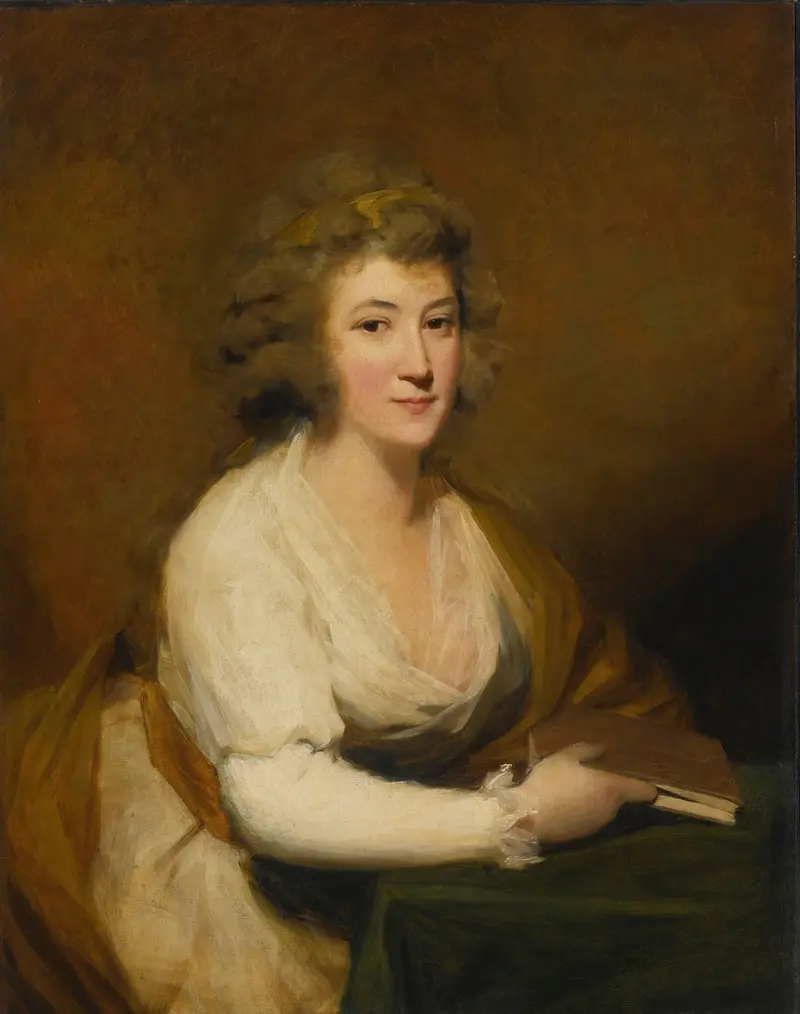
Portrait Of Lady Nasmyth, In A White Dress And Brown Shawl, Seated At A Table, Holding A Book
Sir Henry Raeburn
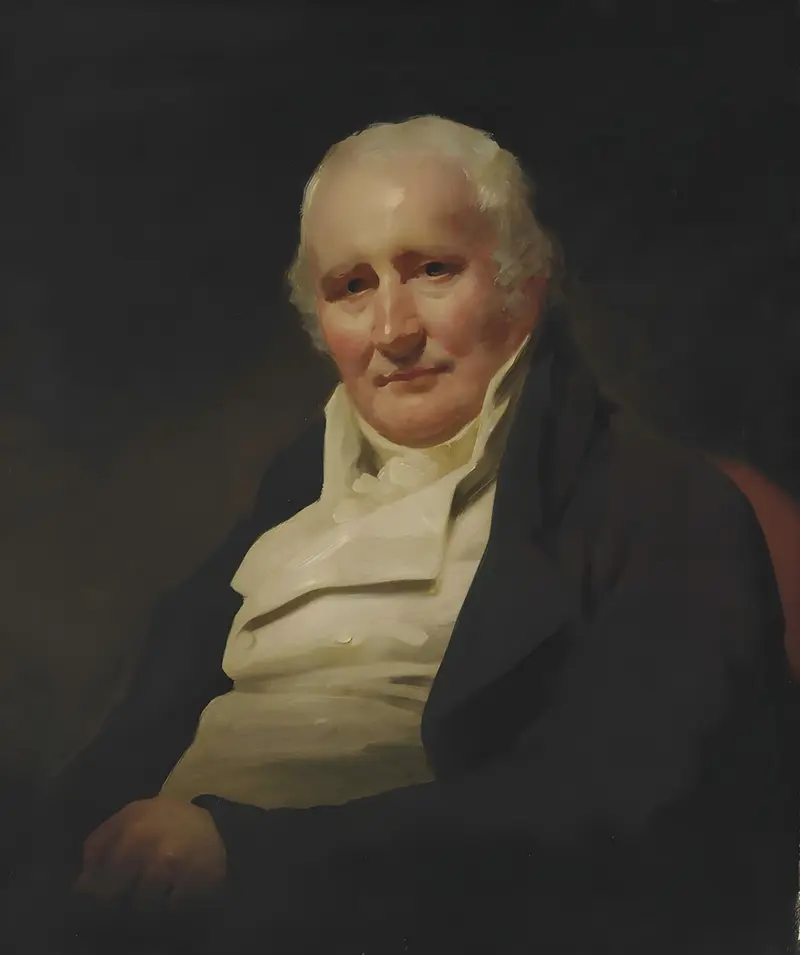
Portrait Of Mr. Spottiswood
Sir Henry Raeburn
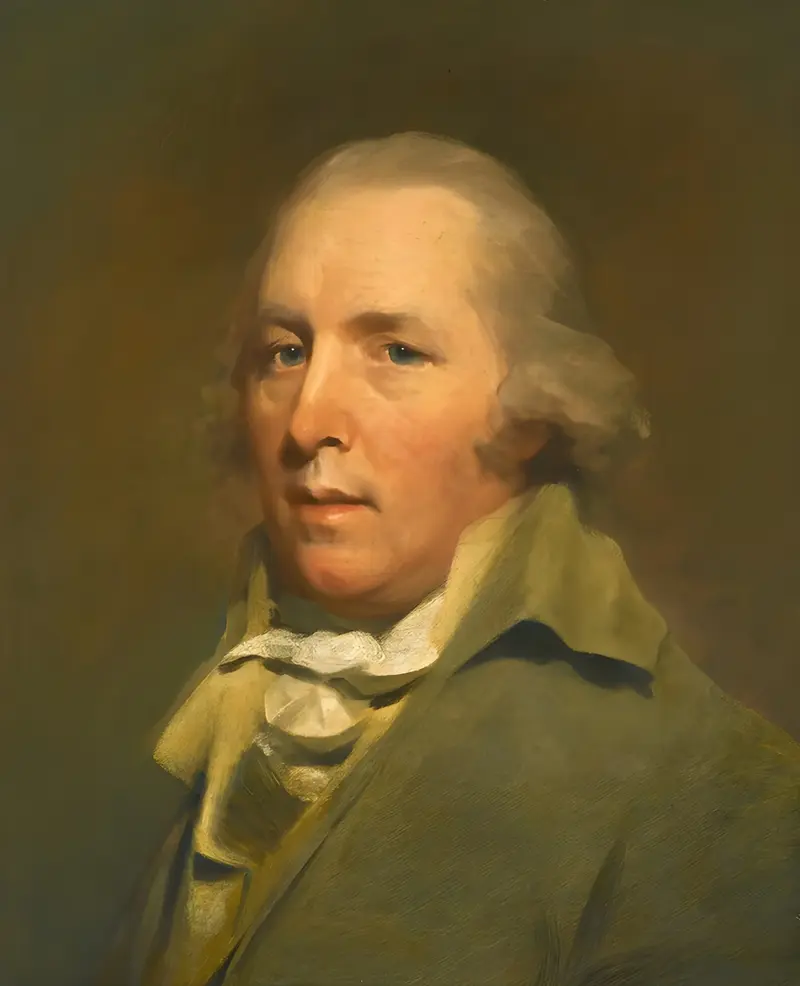
Portrait Of The Reverend John Home (1722-1808)
Sir Henry Raeburn
Portrait of William Hunt (c.1796-1854), Pittencrief House, Dunfermline
Sir Henry Raeburn





