
Miss Elizabeth Dalrymple (afterwards Mrs. George Leith) — History & Facts
Miss Elizabeth Dalrymple’s portrait by Sir Henry Raeburn is best remembered for its role in introducing the future Lady Leith to Scottish society. Painted in the late 18th or early 19th century, the work marked a turning point in her life: soon after its completion, Elizabeth married George Leith, who would become Lieutenant-Governor of Prince of Wales' Island (now Penang). The portrait thus stands at the threshold of her transformation from a Scottish gentlewoman to a figure of colonial history, her likeness sent abroad as a symbol of familial pride and social alliance.
Unlike many Raeburn sitters, Elizabeth’s story is intertwined with the expansion of the British Empire, lending the painting a resonance beyond the drawing rooms of Edinburgh. Elizabeth is captured at the moment of poised anticipation, her gaze direct yet softened by the gentle fall of light across her features. Raeburn’s brushwork animates the sitter’s presence: the subtle tilt of her head suggests both confidence and curiosity, while the simplicity of her attire—devoid of ostentatious jewelry or elaborate background—focuses attention on character rather than status. The painter’s use of natural daylight, filtering from the left, recalls the psychological immediacy found in Thomas Lawrence’s portraits, yet Raeburn’s restraint gives the work a quiet dignity.
The sitter’s hands, delicately clasped, hint at composure and readiness for the responsibilities that lay ahead. The exact circumstances of the portrait’s commission remain unclear, as do details about its early provenance. Like many works by Sir Henry Raeburn, it likely remained in family hands for generations before entering public or private collections. The painting’s attribution has never been seriously questioned, given the unmistakable hallmarks of Raeburn’s style: the loose, lively handling of paint and acute psychological insight.
Today, Miss Elizabeth Dalrymple (afterwards Mrs. George Leith) stands as a testament to Raeburn’s ability to capture not only the likeness but the life of his sitters, and it occupies a respected place among his portraits of Scotland’s 18th-century elite.
More Artworks by Sir Henry Raeburn

Portrait of Hugh Hope
Sir Henry Raeburn
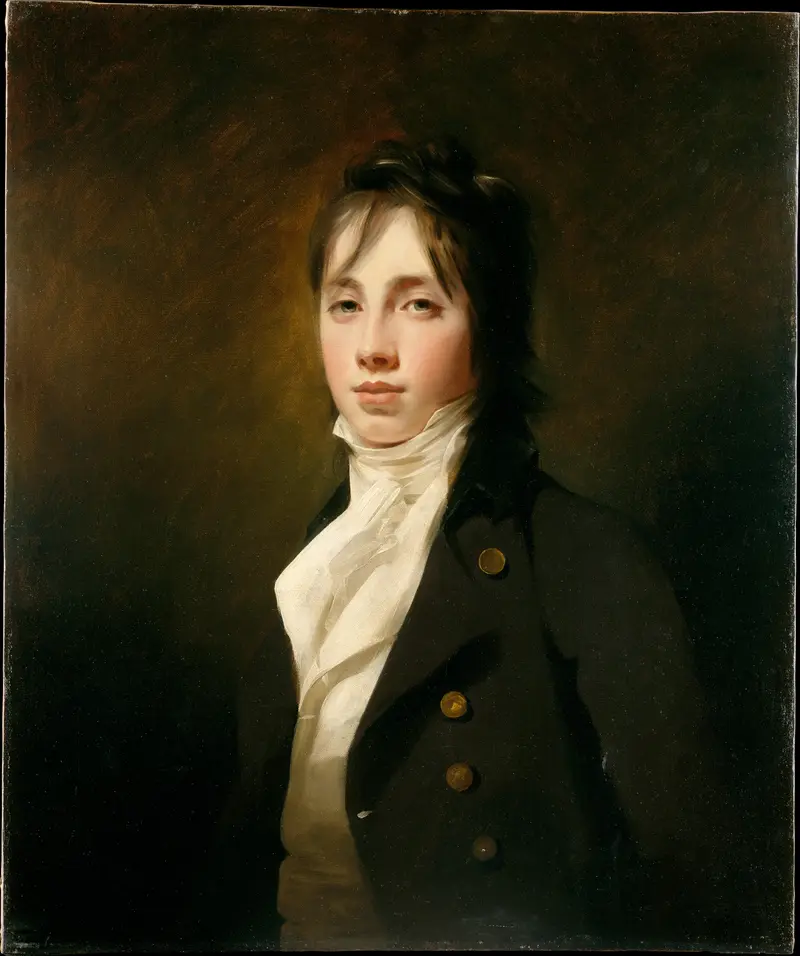
William Fraser of Reelig (1784–1835)
Sir Henry Raeburn
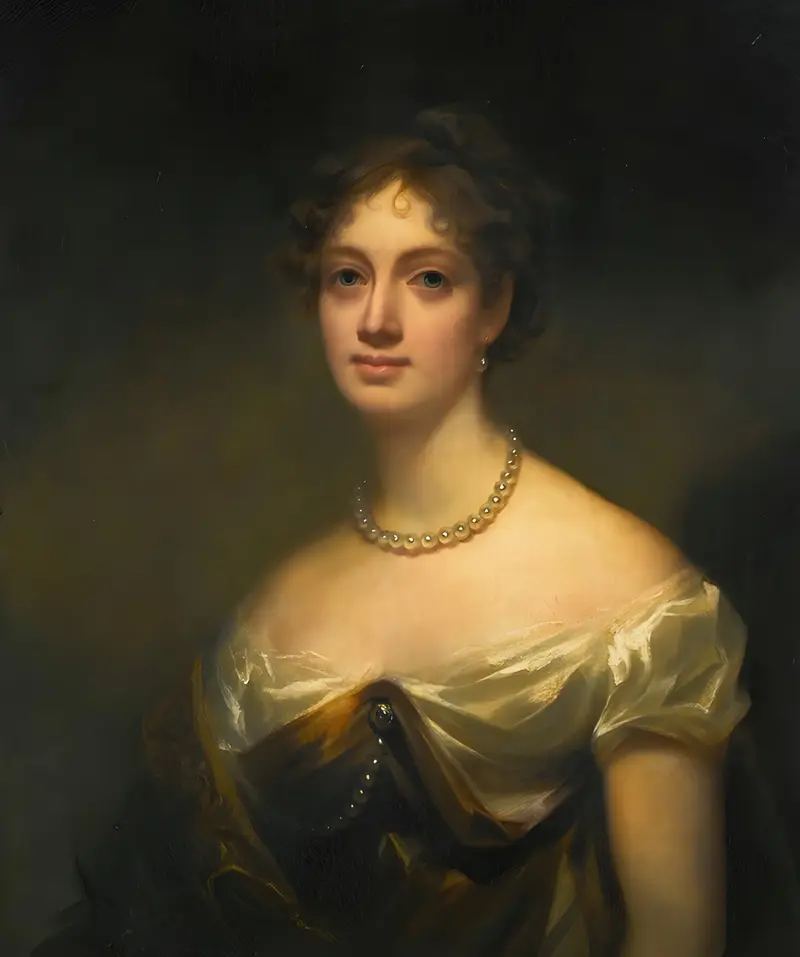
Portrait Of Anne Blair Maconochie Welwood Of Garvock, Lady Meadowbank (1784–1866)
Sir Henry Raeburn
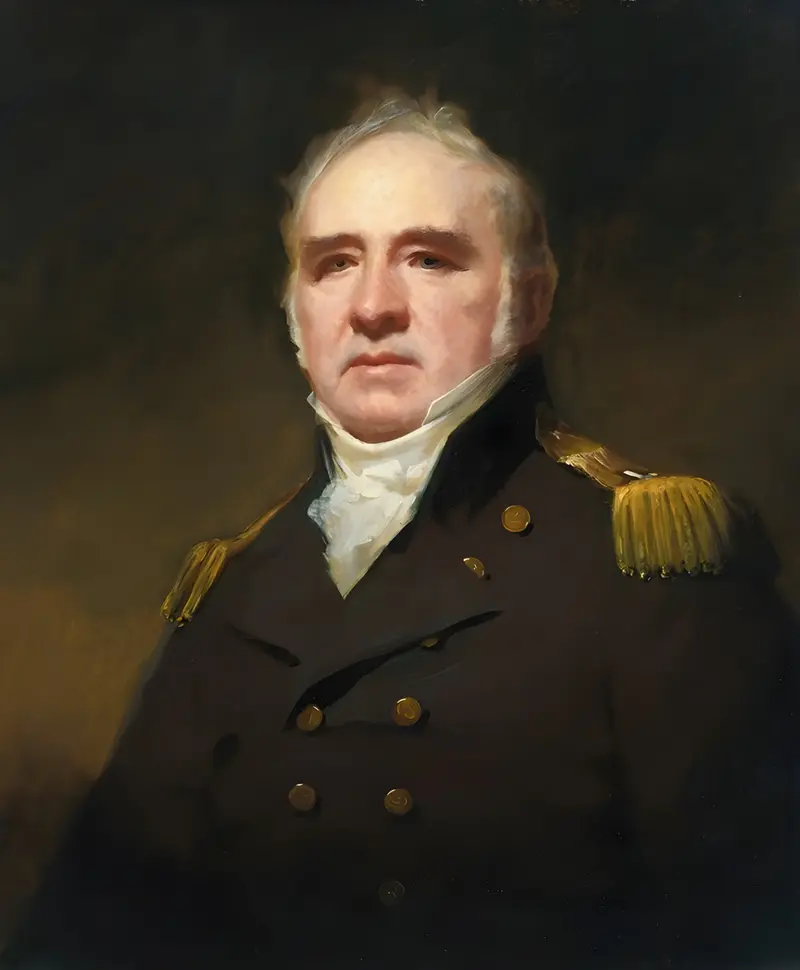
Portrait Of Captain James Forbes-Drummond, R.N., Of Hawthornden
Sir Henry Raeburn
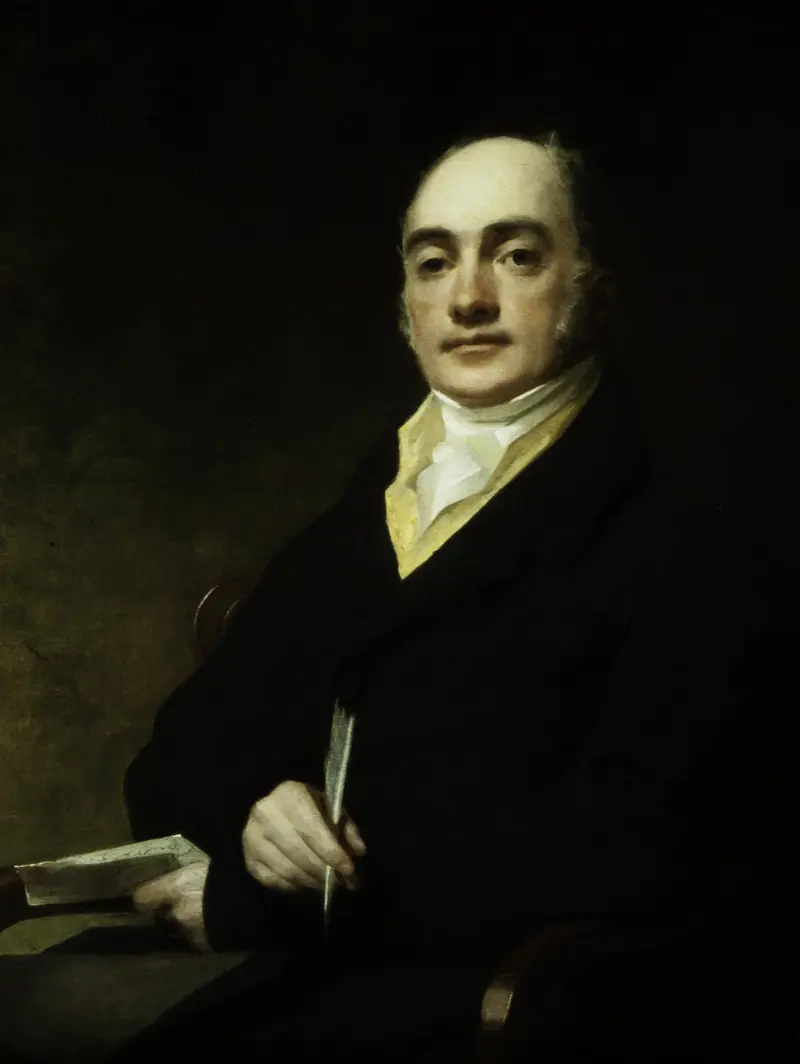
Portrait of John Baillie (1772-1833)
Sir Henry Raeburn
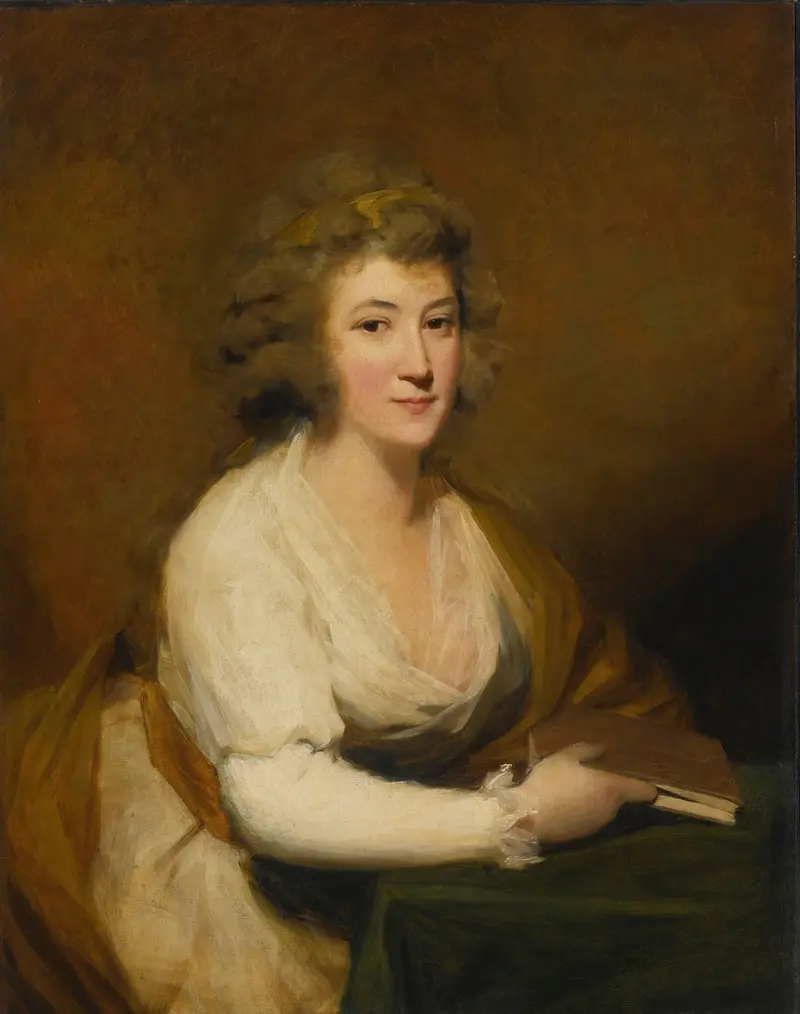
Portrait Of Lady Nasmyth, In A White Dress And Brown Shawl, Seated At A Table, Holding A Book
Sir Henry Raeburn
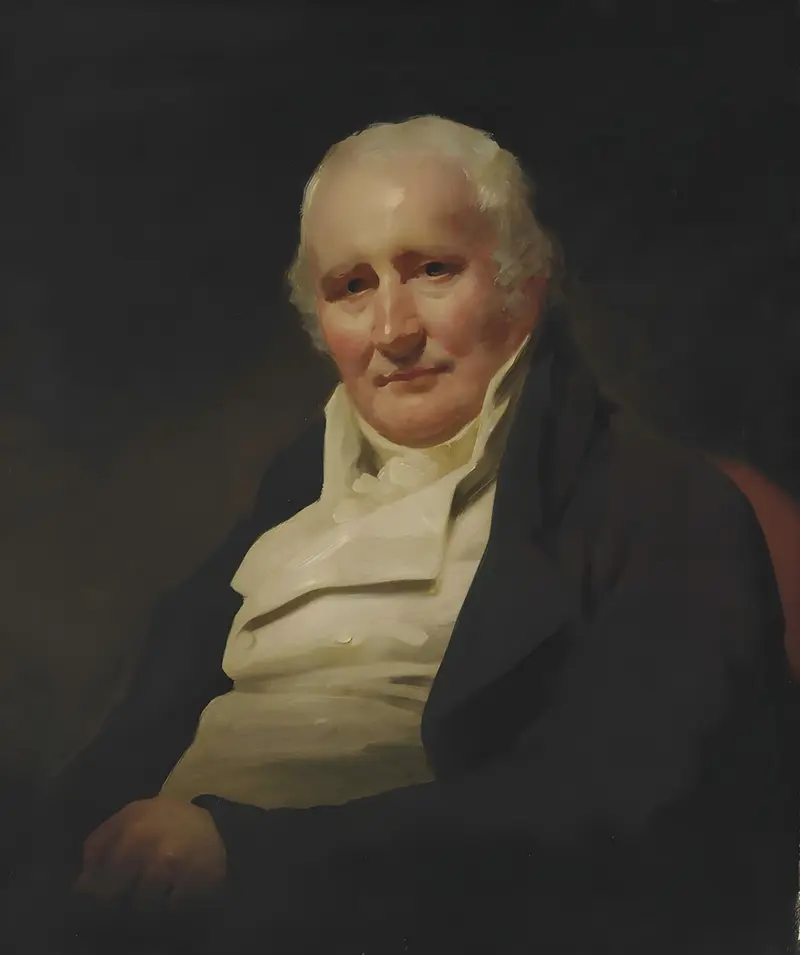
Portrait Of Mr. Spottiswood
Sir Henry Raeburn
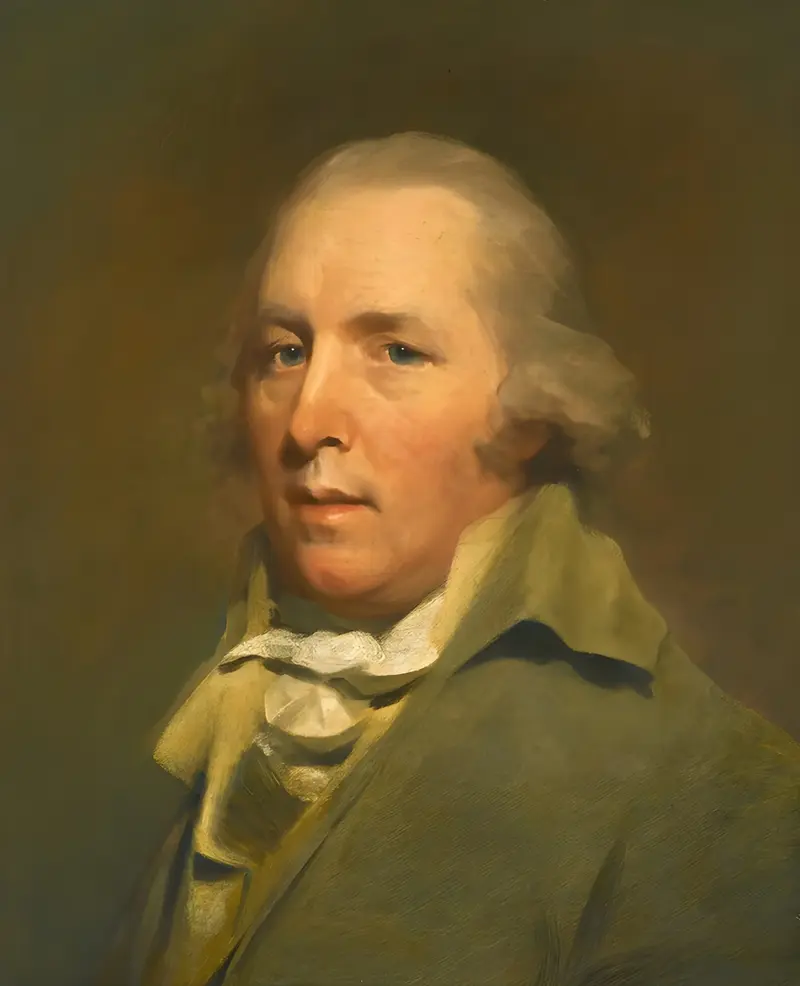
Portrait Of The Reverend John Home (1722-1808)
Sir Henry Raeburn
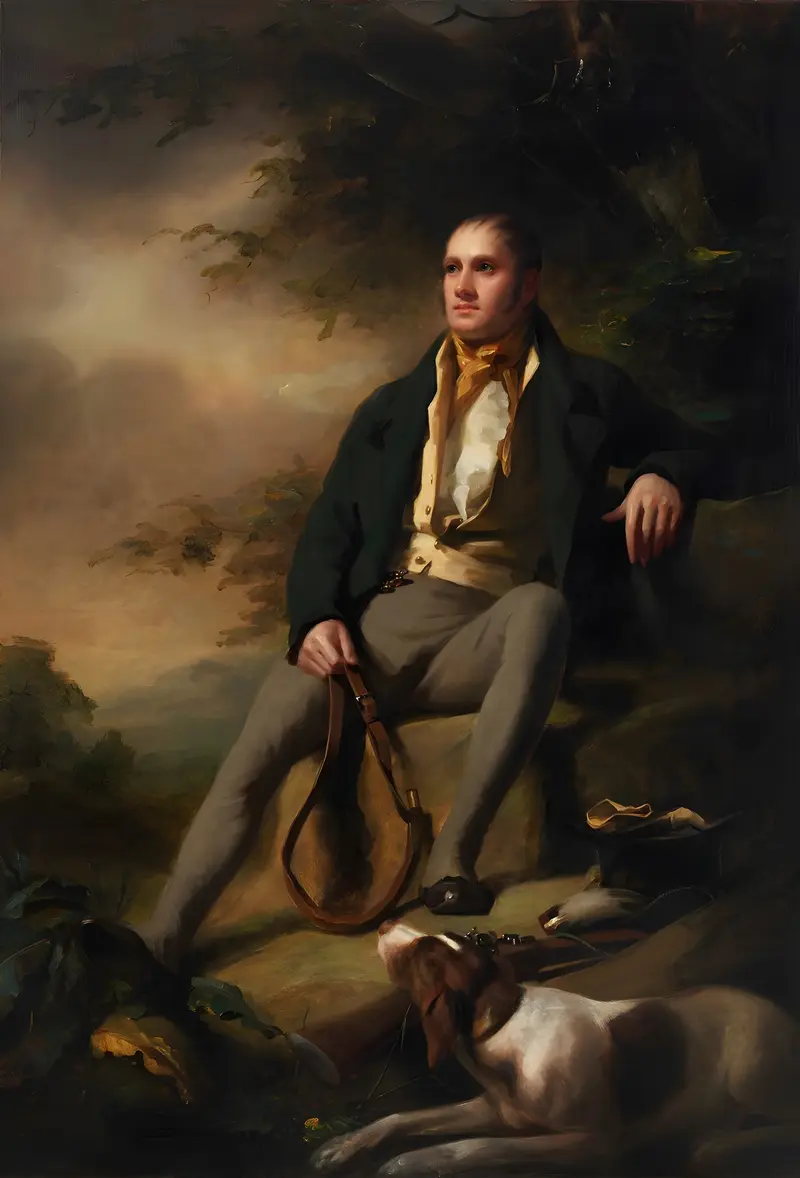
Portrait of William Hunt (c.1796-1854), Pittencrief House, Dunfermline
Sir Henry Raeburn
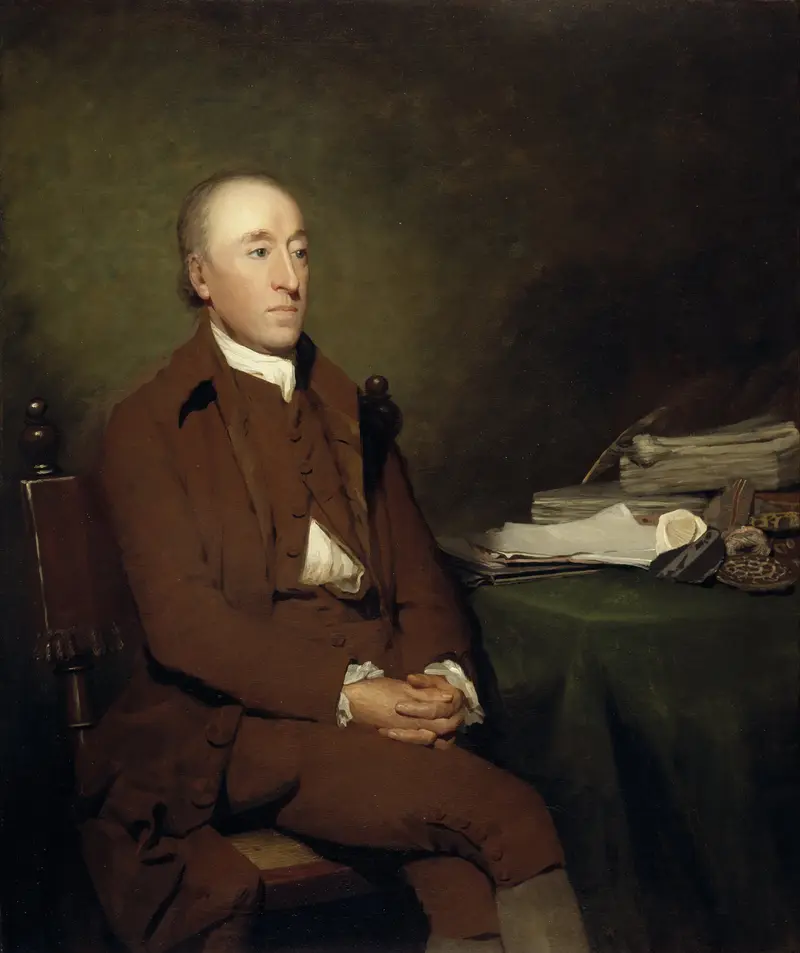
James Hutton, 1726 – 1797. Geologist
Sir Henry Raeburn





