
Portrait Of Mr. Spottiswood — History & Facts
The most intriguing aspect of Portrait Of Mr. Spottiswood is the enduring uncertainty surrounding the sitter’s identity. While the title preserves the name “Mr.
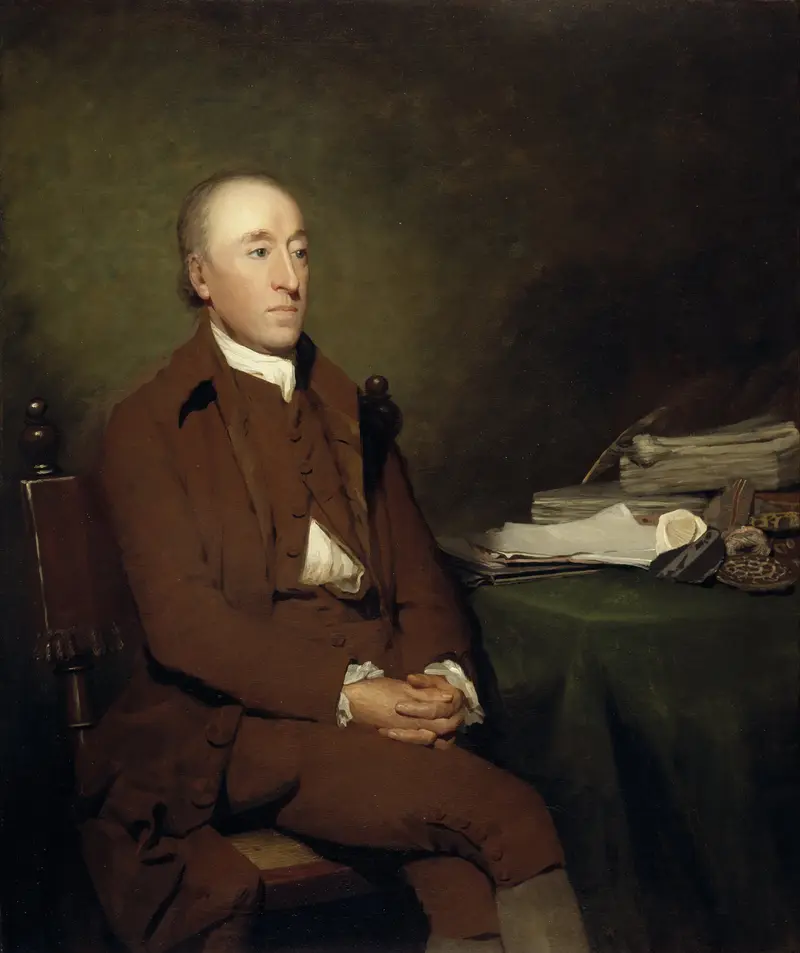
Spottiswood,” scholars have yet to confirm which member of the prominent Scottish Spottiswoode family is depicted. This ambiguity has fueled debate among historians, as family records from the late eighteenth and early nineteenth centuries mention several Spottiswoodes who moved in the same Edinburgh circles as Sir Henry Raeburn. The portrait stands as a testament to the era’s fascination with individual character, even as the details of that individuality slip through the cracks of history. Raeburn’s brush captures a moment of poised introspection, the sitter’s gaze meeting the viewer with a quiet directness.
Clad in sober attire, Mr. Spottiswood’s posture is upright but relaxed, his right hand resting on a table or perhaps the arm of a chair—a gesture that suggests both confidence and approachability. The light falls softly across his face, illuminating the clear eyes and thoughtful brow, while the background recedes into shadow, focusing attention on the man himself.
This psychological immediacy is characteristic of Raeburn’s portraits, which often favor a naturalistic, unvarnished presentation over the grand theatricality found in the works of Thomas Lawrence or earlier English portraitists. As with many of Raeburn’s portraits, the precise circumstances of Portrait Of Mr. Spottiswood’s commission remain undocumented, though it likely originated from the artist’s thriving practice among Edinburgh’s professional class. The painting’s subsequent history is similarly obscure; no major exhibitions or sales have been recorded, and its journey into the present collection is not fully traced.
Nevertheless, the work embodies Raeburn’s mature style, developed during his most productive years in the late Georgian period, and stands as a quietly compelling example of Scottish portraiture. Today, it offers viewers a direct encounter with both sitter and artist, bridging a gap of centuries with its frank humanity.
More Artworks by Sir Henry Raeburn

Portrait of Hugh Hope
Sir Henry Raeburn
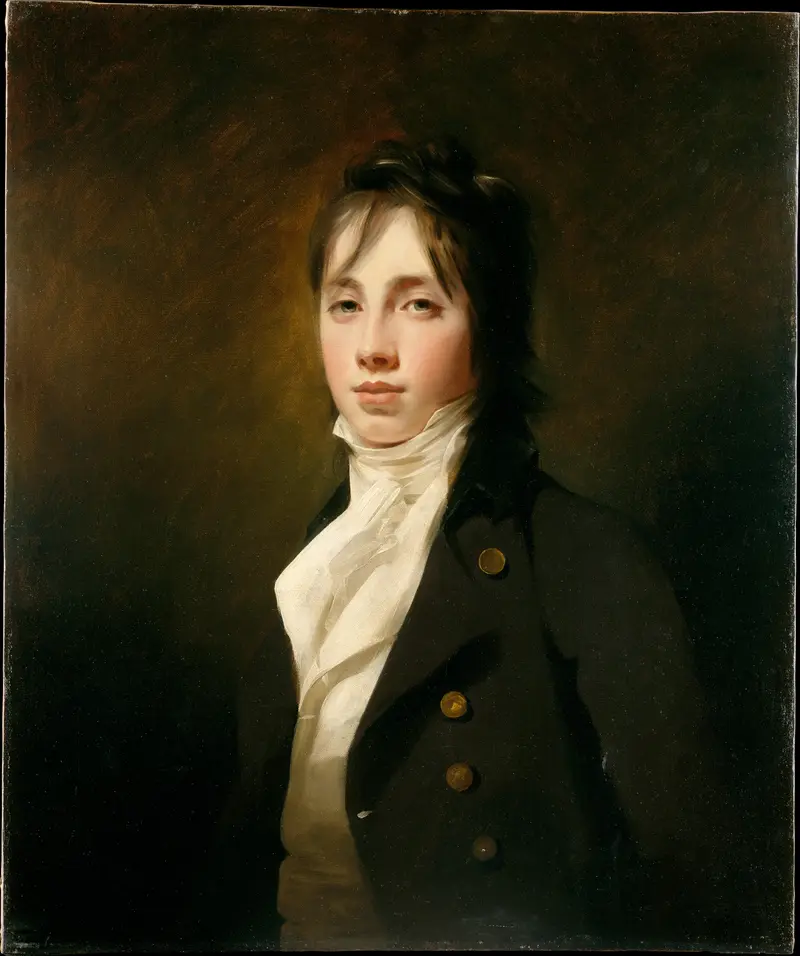
William Fraser of Reelig (1784–1835)
Sir Henry Raeburn
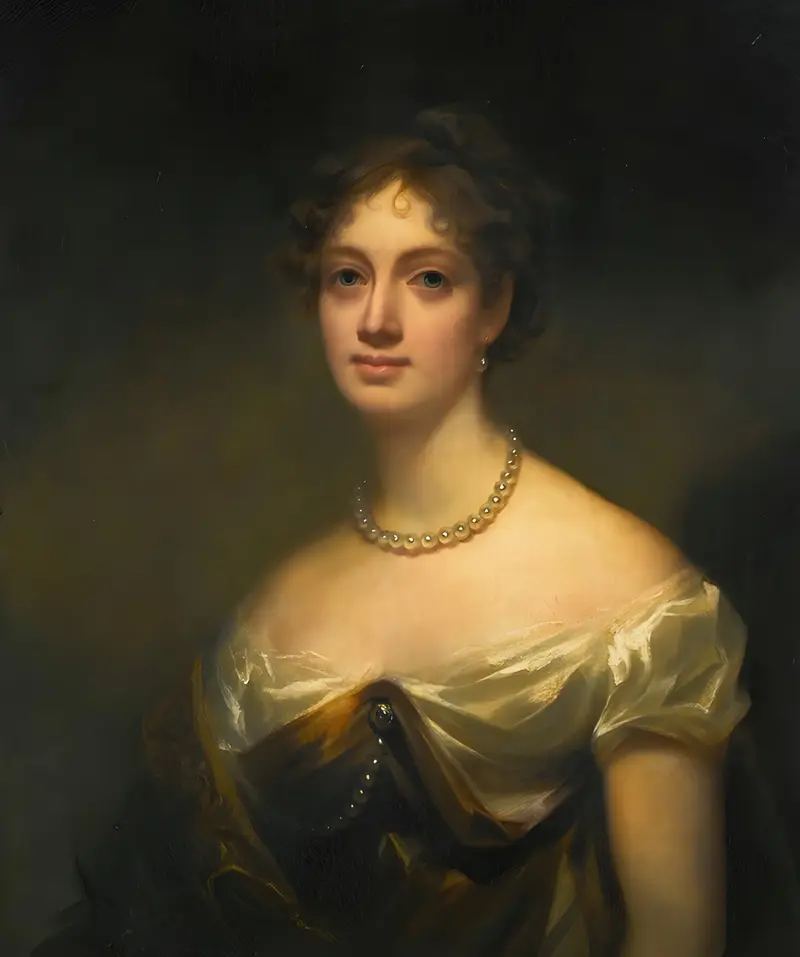
Portrait Of Anne Blair Maconochie Welwood Of Garvock, Lady Meadowbank (1784–1866)
Sir Henry Raeburn
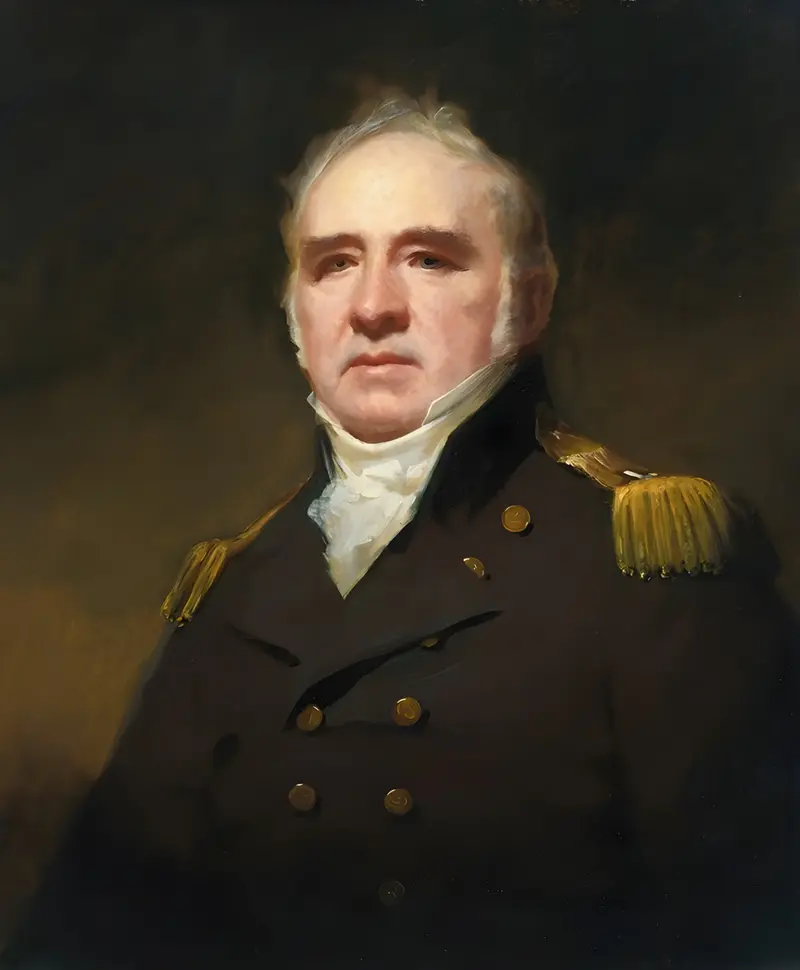
Portrait Of Captain James Forbes-Drummond, R.N., Of Hawthornden
Sir Henry Raeburn
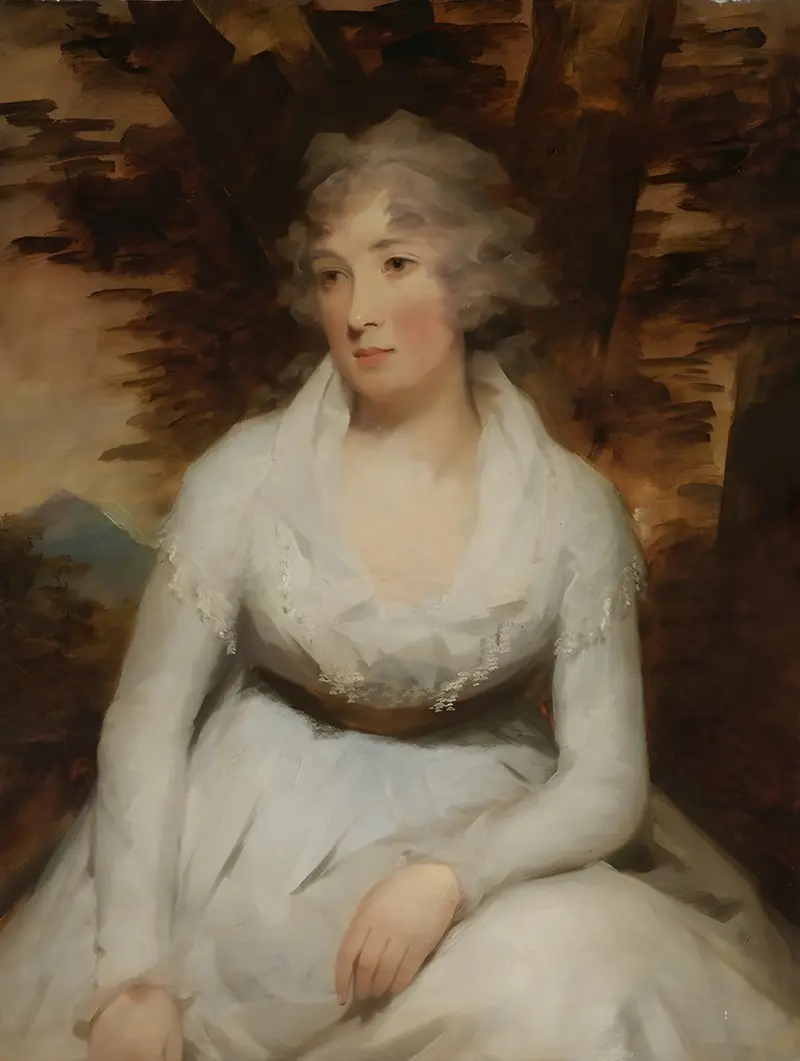
Miss Elizabeth Dalrymple (afterwards Mrs. George Leith)
Sir Henry Raeburn
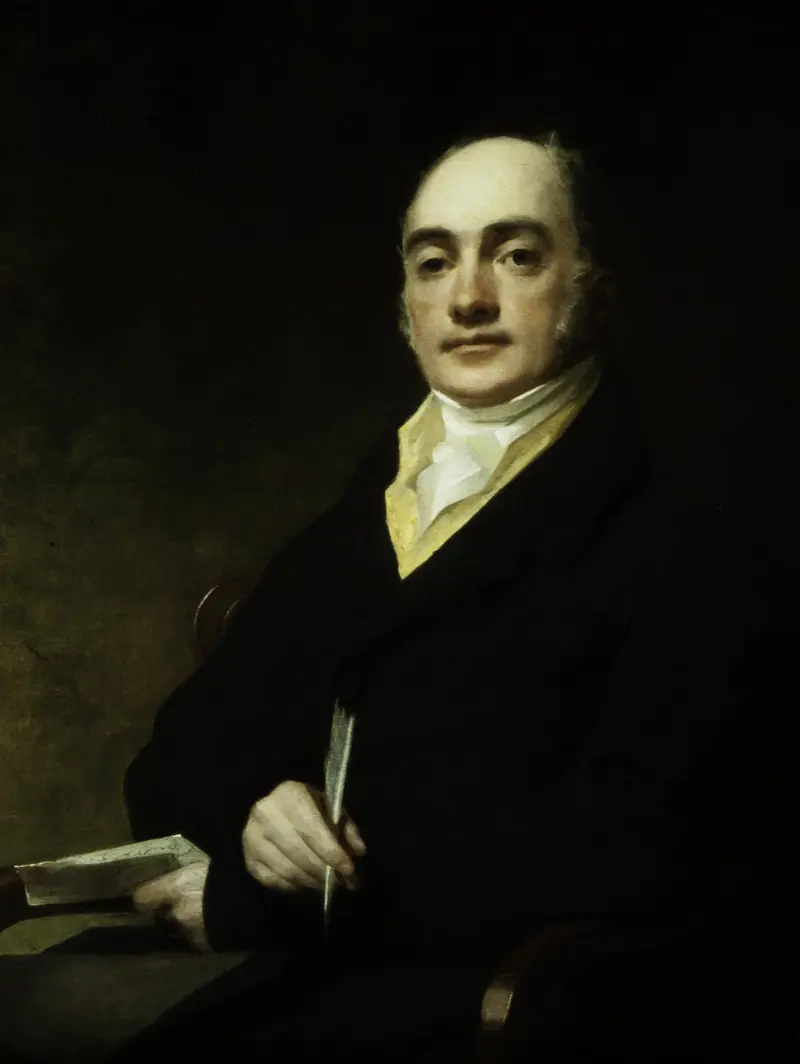
Portrait of John Baillie (1772-1833)
Sir Henry Raeburn
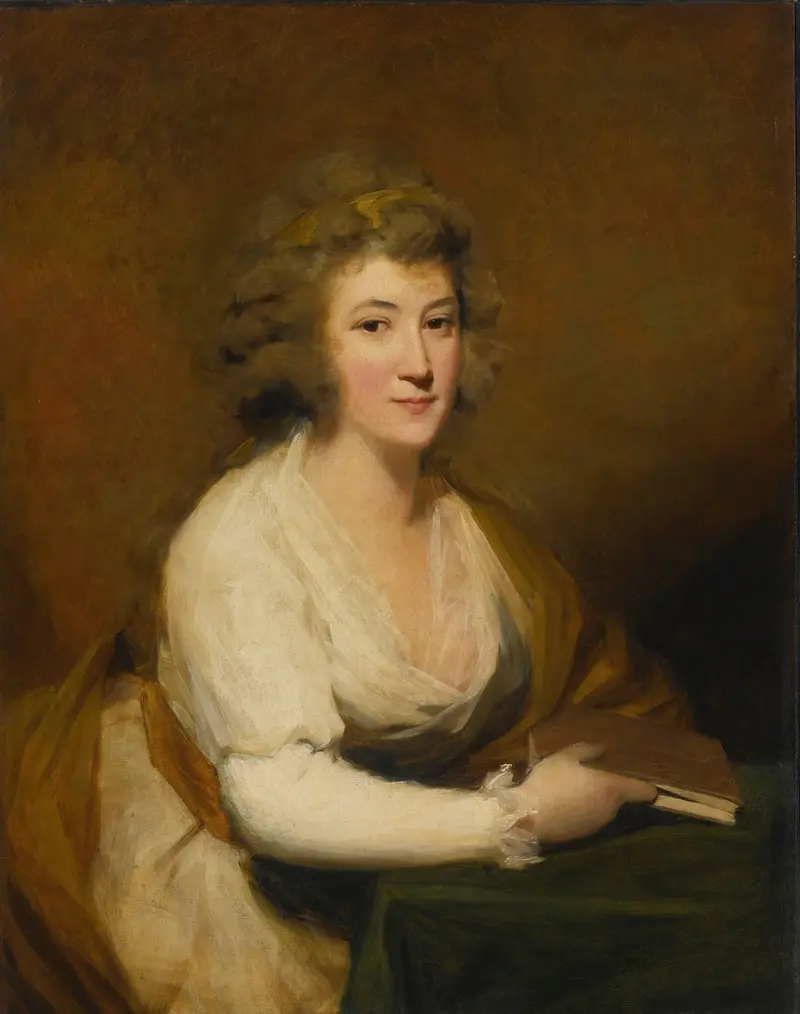
Portrait Of Lady Nasmyth, In A White Dress And Brown Shawl, Seated At A Table, Holding A Book
Sir Henry Raeburn
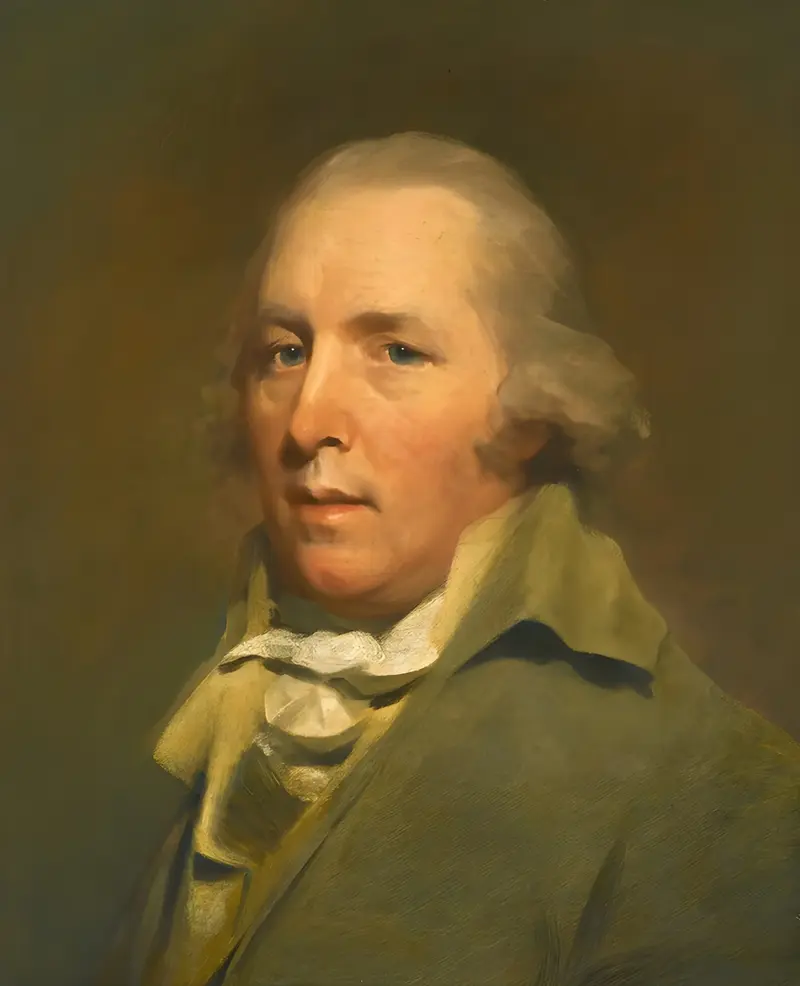
Portrait Of The Reverend John Home (1722-1808)
Sir Henry Raeburn
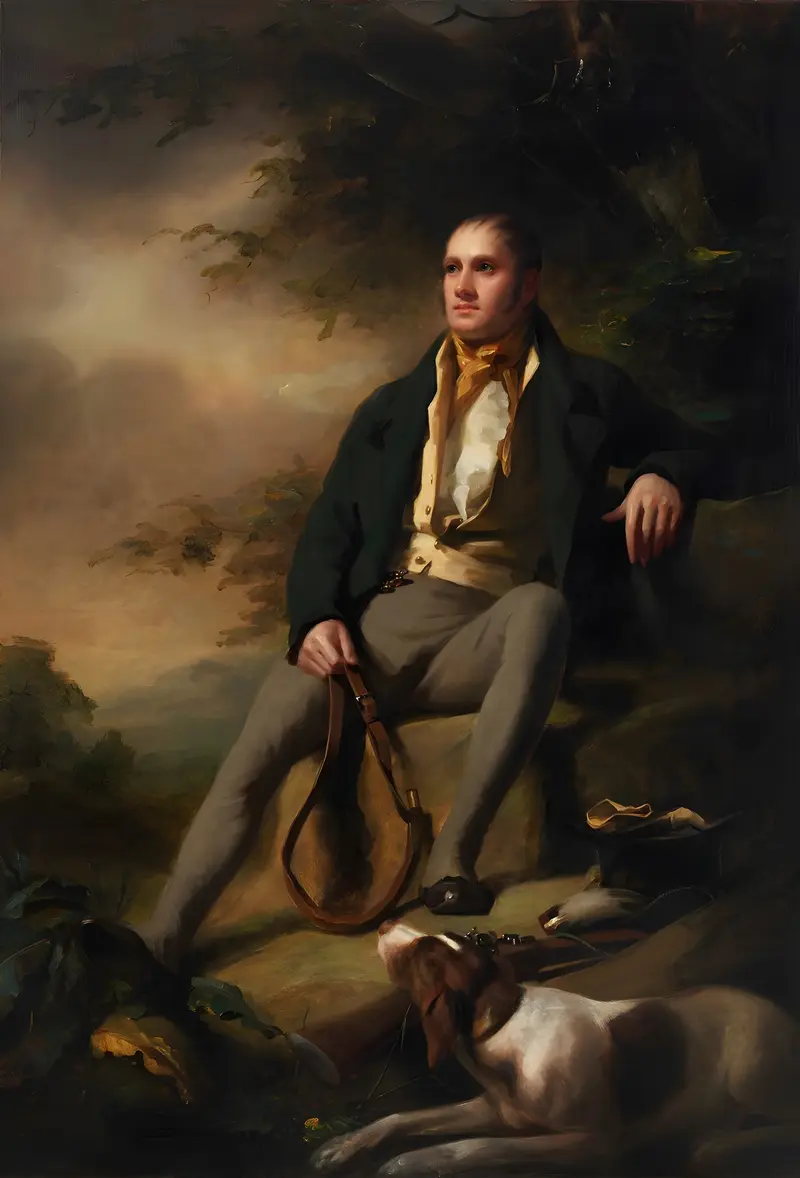
Portrait of William Hunt (c.1796-1854), Pittencrief House, Dunfermline
Sir Henry Raeburn
James Hutton, 1726 – 1797. Geologist
Sir Henry Raeburn





