
Portrait Of Anne Blair Maconochie Welwood Of Garvock, Lady Meadowbank (1784–1866) — History & Facts
When Sir Henry Raeburn painted Portrait Of Anne Blair Maconochie Welwood Of Garvock, Lady Meadowbank (1784–1866), he was capturing not only a prominent figure of Scottish society but also a member of a remarkable legal and intellectual dynasty. Lady Meadowbank, born Anne Blair, was married to Allan Maconochie, Lord Meadowbank, a respected Scottish judge and professor. The portrait stands as a testament to the social ascent and influence of women in Enlightenment-era Edinburgh, where salons and drawing rooms became crucibles for ideas and reputations.
The painting’s provenance is shrouded in some mystery, with no surviving commission records, but its subject’s identity has never been in doubt. Raeburn’s canvas invites the viewer into a moment of poised self-possession. Lady Meadowbank sits upright, her gaze direct yet reserved, hands folded in her lap—a pose that speaks of both dignity and restraint. The light falls gently on her face, illuminating the subtle textures of her attire, while the background recedes into a soft, atmospheric haze, focusing our attention on her presence.
Her dress, likely rendered in fashionable white muslin, hints at both her status and the era’s taste for simplicity over ostentation. Unlike the grand allegories of Joshua Reynolds, Raeburn’s approach here is intimate, psychological: he eschews props and symbols, relying instead on the sitter’s expression and bearing to convey character. As with many of Raeburn’s portraits, the precise date and original location of Portrait Of Anne Blair Maconochie Welwood Of Garvock, Lady Meadowbank (1784–1866) remain uncertain, but it is typical of the works he produced in Edinburgh during the early nineteenth century. The painting has passed through private collections, its movements not always recorded, before entering the public eye.
Today, it stands as a prime example of Raeburn’s ability to merge the gravitas of official portraiture with the immediacy of personal encounter. Its survival and continued display offer a window into the world of Scotland’s Enlightenment elite and the enduring power of portraiture to preserve both likeness and legacy.
More Artworks by Sir Henry Raeburn

Portrait of Hugh Hope
Sir Henry Raeburn
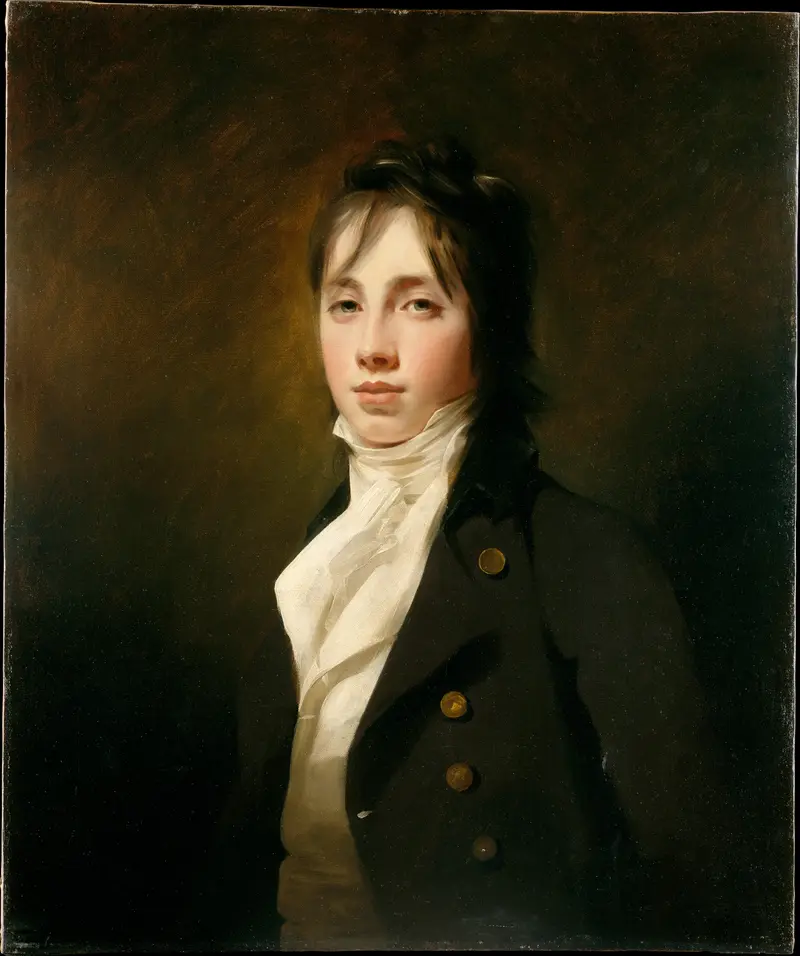
William Fraser of Reelig (1784–1835)
Sir Henry Raeburn
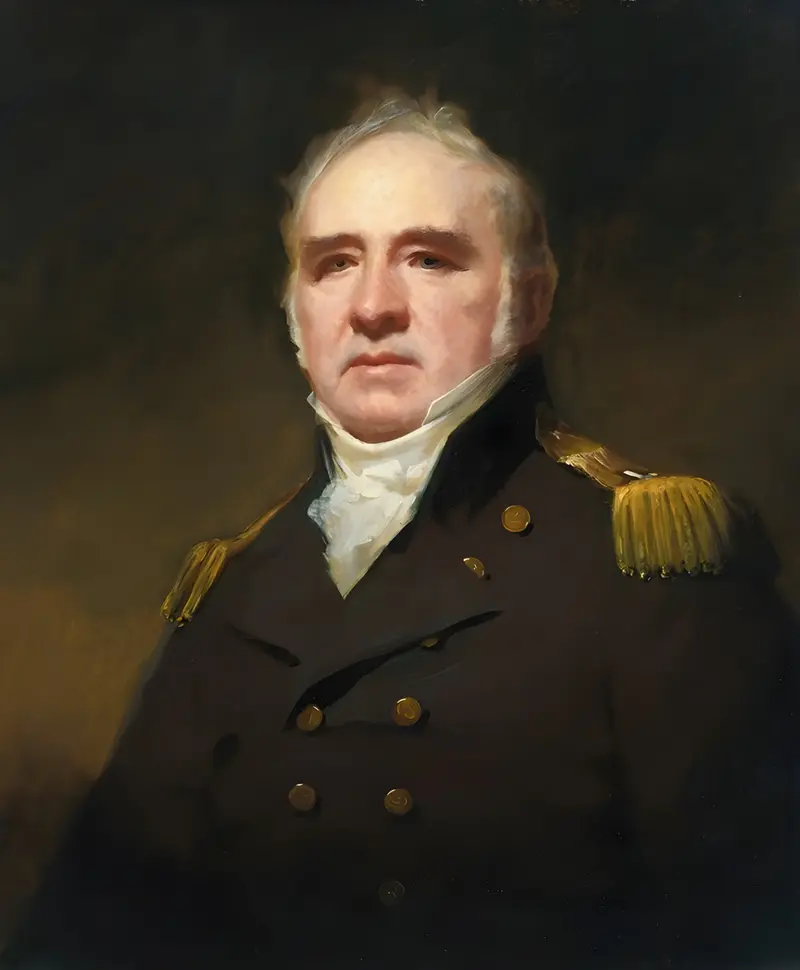
Portrait Of Captain James Forbes-Drummond, R.N., Of Hawthornden
Sir Henry Raeburn
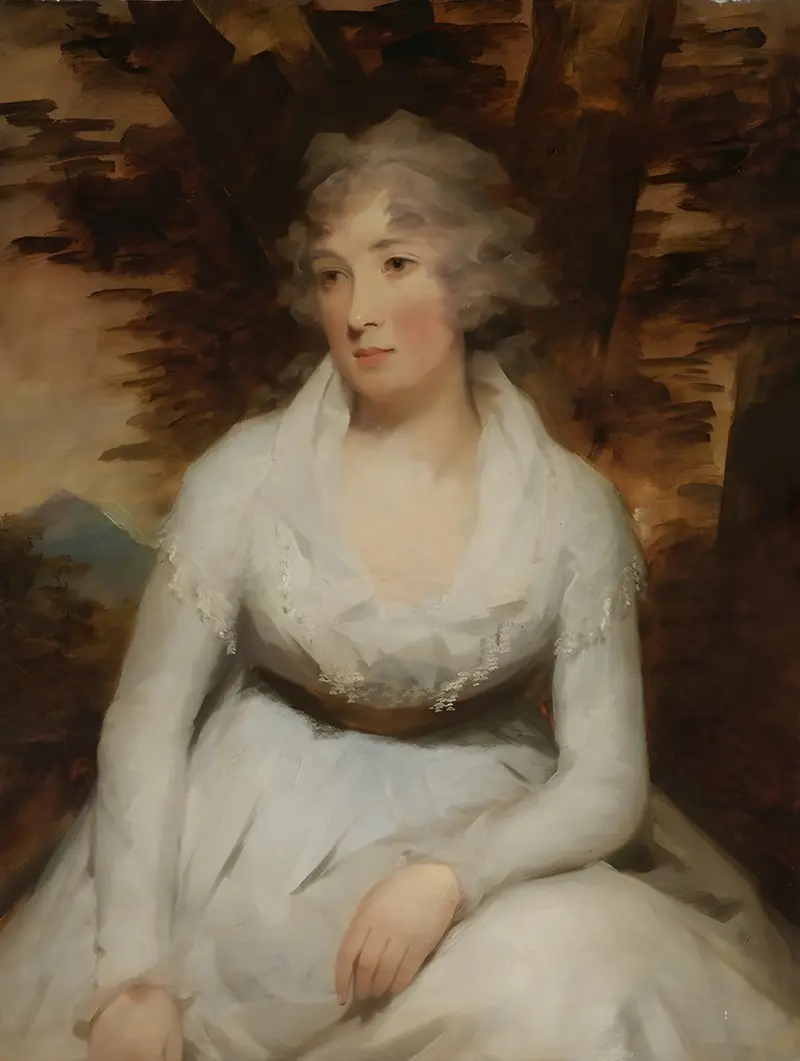
Miss Elizabeth Dalrymple (afterwards Mrs. George Leith)
Sir Henry Raeburn
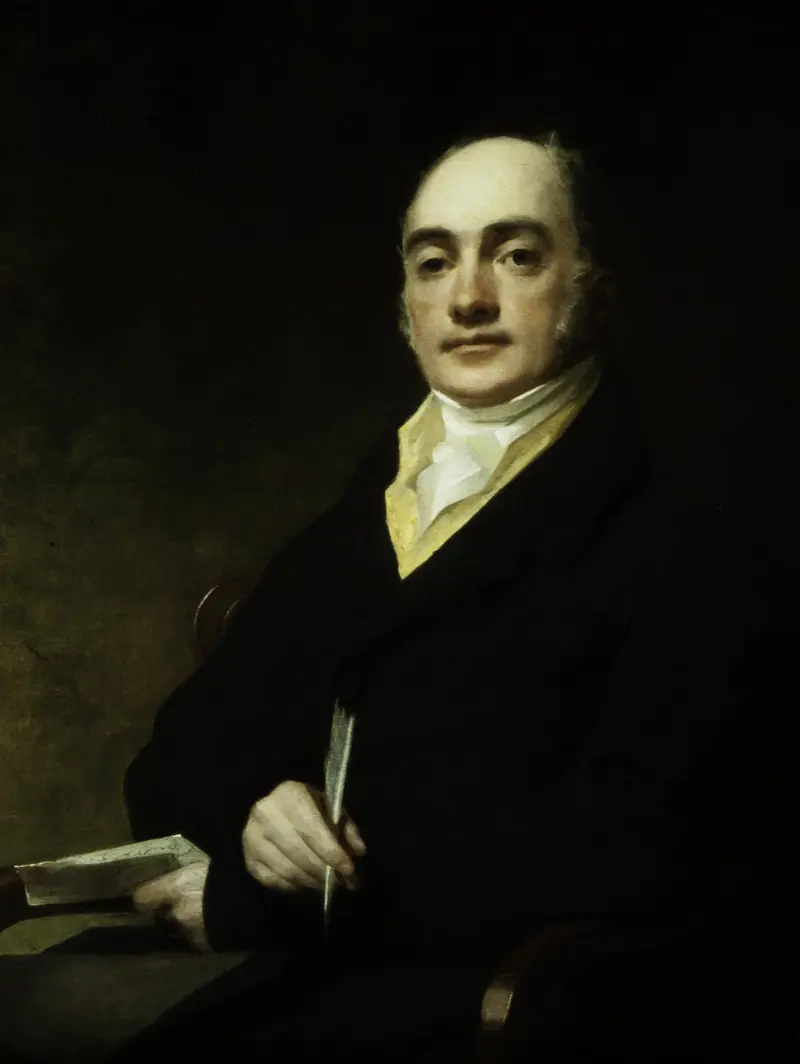
Portrait of John Baillie (1772-1833)
Sir Henry Raeburn
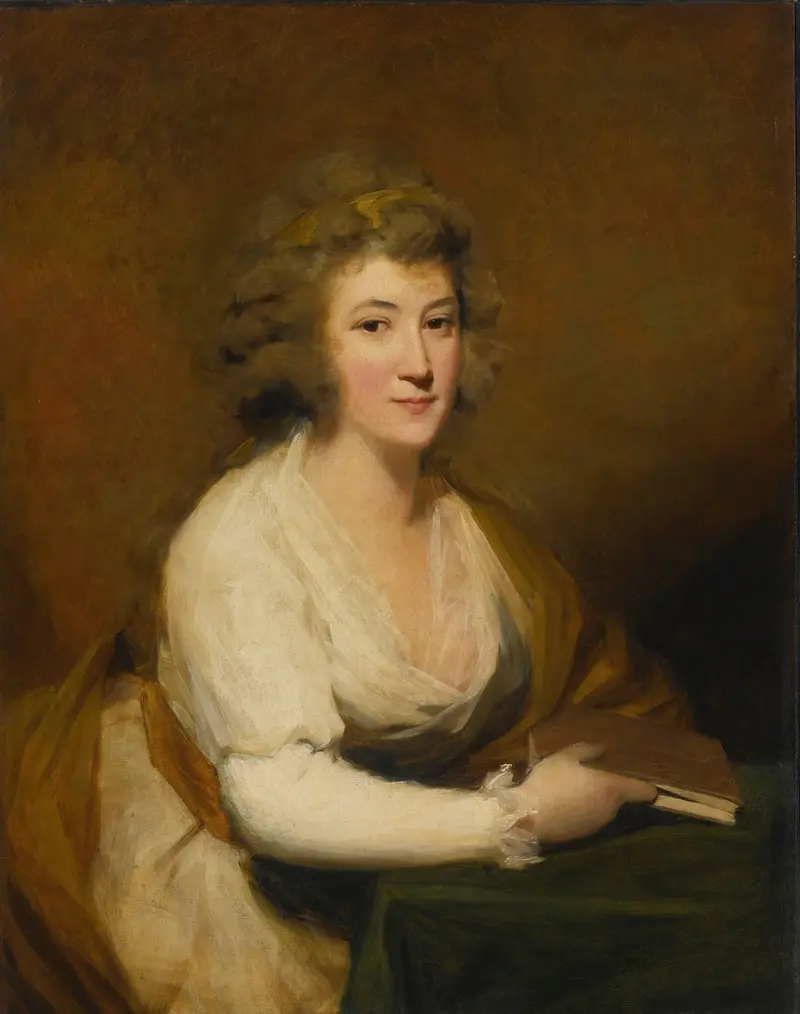
Portrait Of Lady Nasmyth, In A White Dress And Brown Shawl, Seated At A Table, Holding A Book
Sir Henry Raeburn
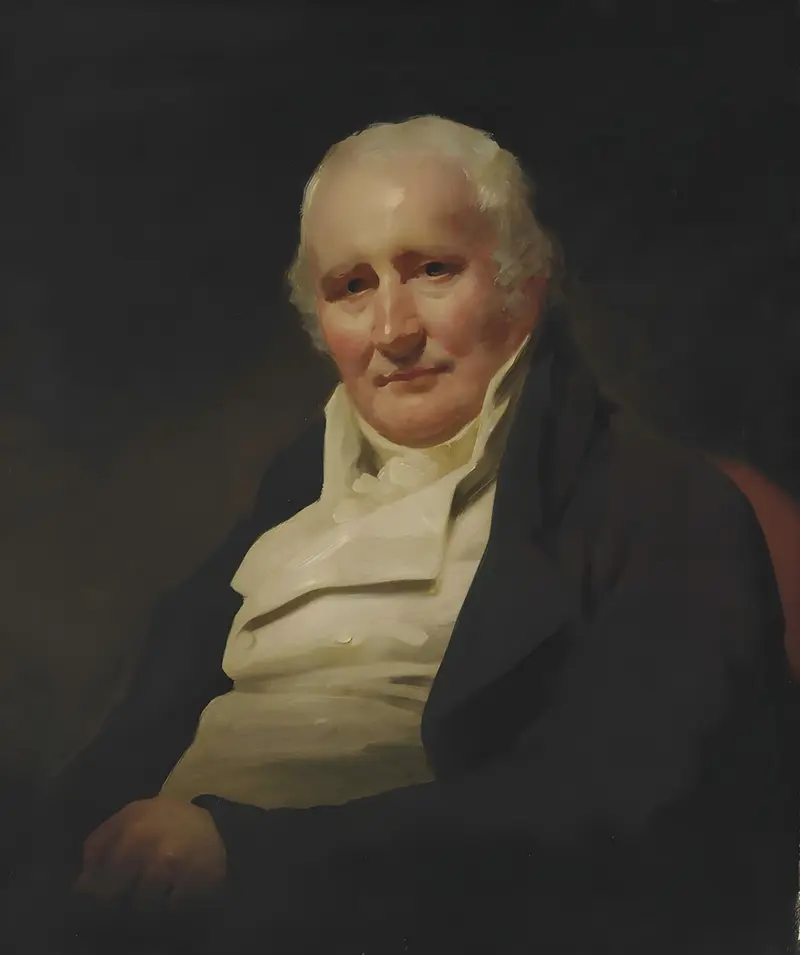
Portrait Of Mr. Spottiswood
Sir Henry Raeburn
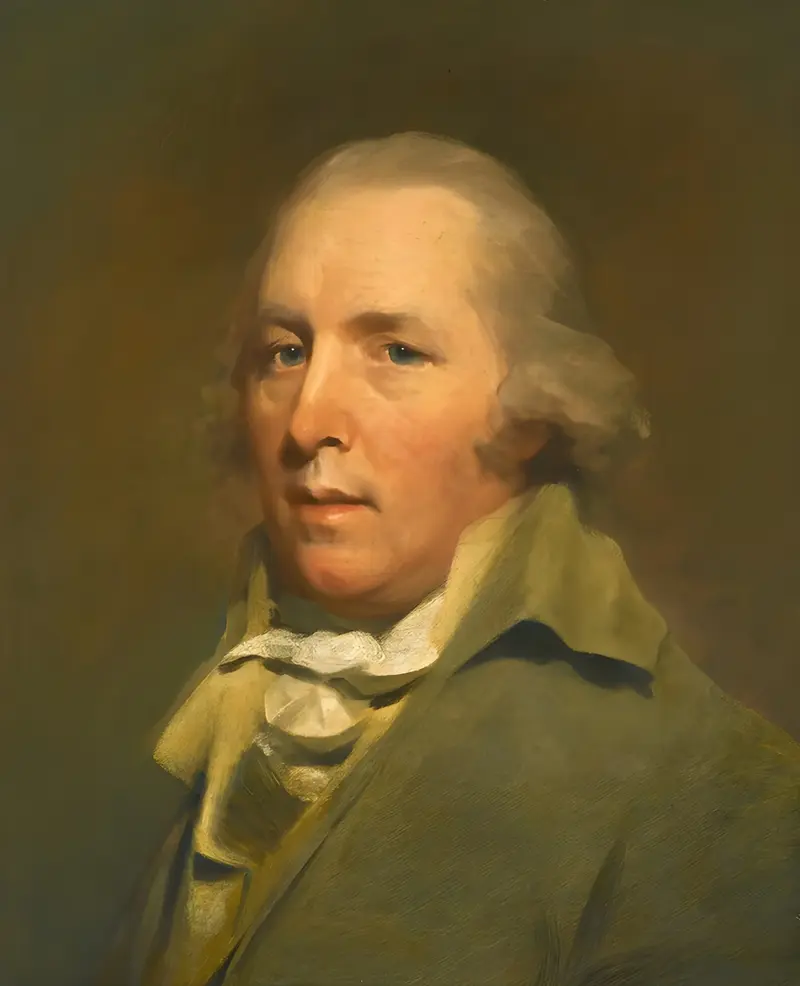
Portrait Of The Reverend John Home (1722-1808)
Sir Henry Raeburn
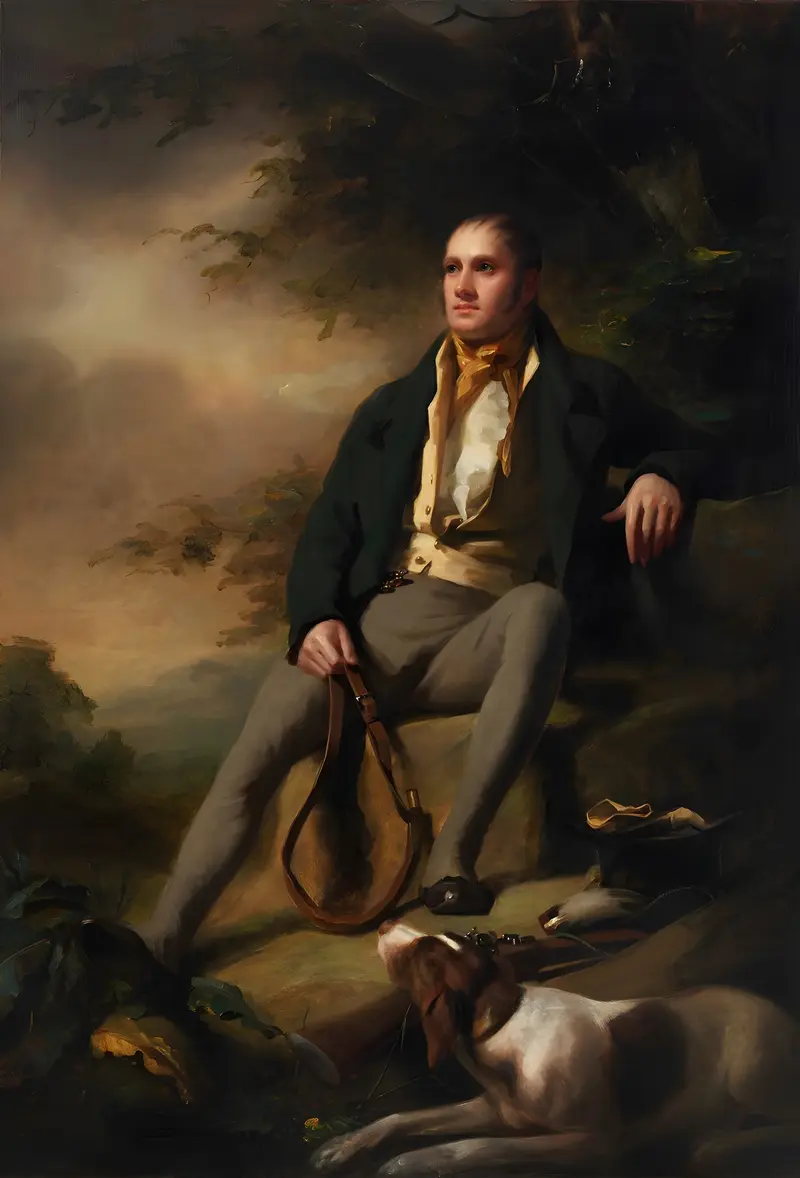
Portrait of William Hunt (c.1796-1854), Pittencrief House, Dunfermline
Sir Henry Raeburn
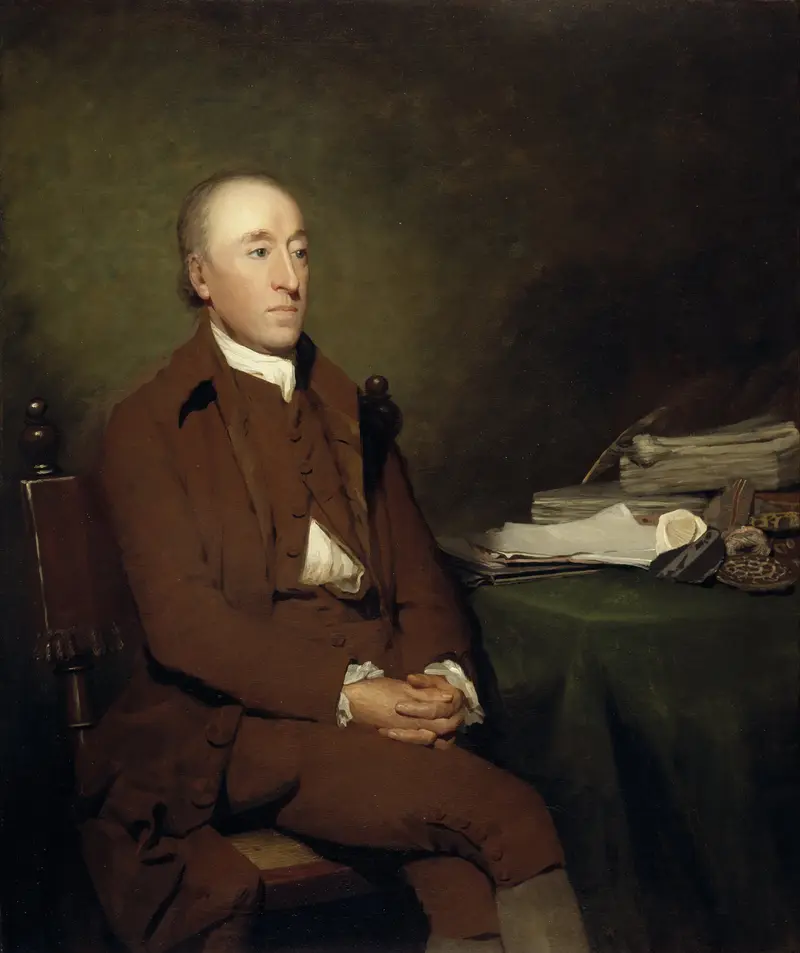
James Hutton, 1726 – 1797. Geologist
Sir Henry Raeburn





