
Portrait of John Baillie (1772-1833) — History & Facts
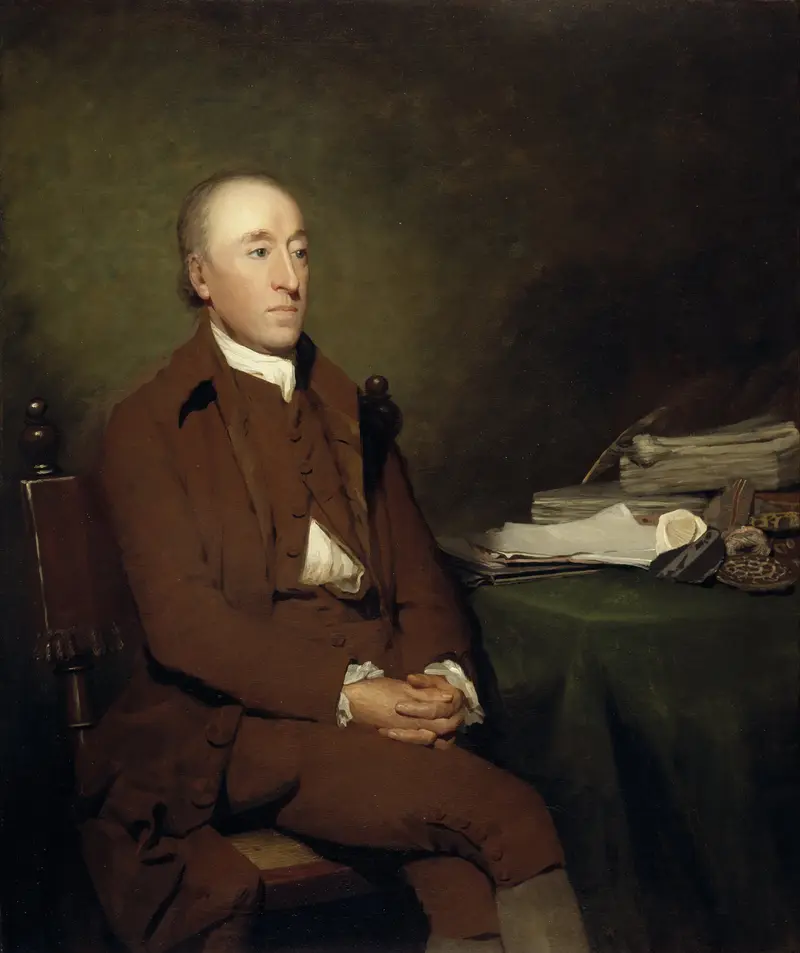
Few portraits by Sir Henry Raeburn have sparked as much curiosity as his depiction of John Baillie, a figure whose life bridged the Scottish Enlightenment and the Industrial Revolution. Baillie, an engineer and inventor, was a friend to some of the most influential minds of his era, including James Watt and Thomas Telford. The painting’s precise date and commission remain uncertain, but it is widely believed to have been created during the height of Baillie’s career, when his innovations in railway engineering were gaining attention.
This uncertainty has not deterred scholars, who continue to debate whether the portrait was intended as a private tribute or a public celebration of Baillie’s achievements. Raeburn captures Baillie at a moment of thoughtful repose, his gaze directed just beyond the viewer, as if contemplating the challenges and possibilities of his work. The sitter’s attire is formal yet unadorned, signaling both his social status and practical character—a man of ideas, not ostentation. Light falls gently across Baillie’s face, highlighting his clear eyes and the subtle tension in his mouth, suggesting both intellect and resolve.
The background is muted, focusing all attention on Baillie’s expression and posture, a technique Raeburn often employed to lend psychological depth to his subjects, as seen in his celebrated Portrait of Sir Walter Scott. Here, the absence of technical instruments or books is notable; Raeburn chooses to portray Baillie not through the trappings of his profession, but through the force of his personality. The journey of Portrait of John Baillie (1772-1833) through history is not fully documented, a fate shared by many private commissions of the period. It is likely that the work remained with Baillie’s descendants or close associates before entering public or institutional collections.
As with several Raeburn portraits, attribution was never in serious doubt, owing to the distinctive handling of paint and the psychological insight characteristic of the artist’s mature style. Today, the painting stands as both a testament to Baillie’s legacy and Raeburn’s ability to capture the spirit of Scotland’s leading figures during a period of rapid change. Its presence in an online gallery ensures that Baillie’s thoughtful gaze continues to meet new audiences, inviting reflection on the individuals who shaped history behind the scenes.
More Artworks by Sir Henry Raeburn

Portrait of Hugh Hope
Sir Henry Raeburn
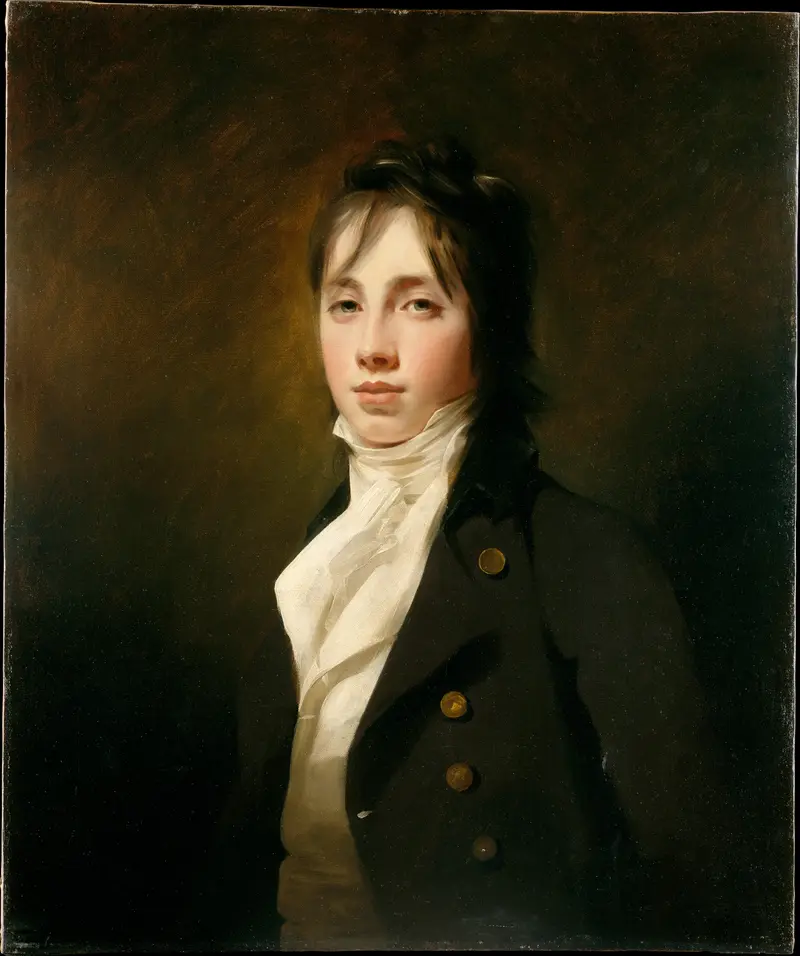
William Fraser of Reelig (1784–1835)
Sir Henry Raeburn
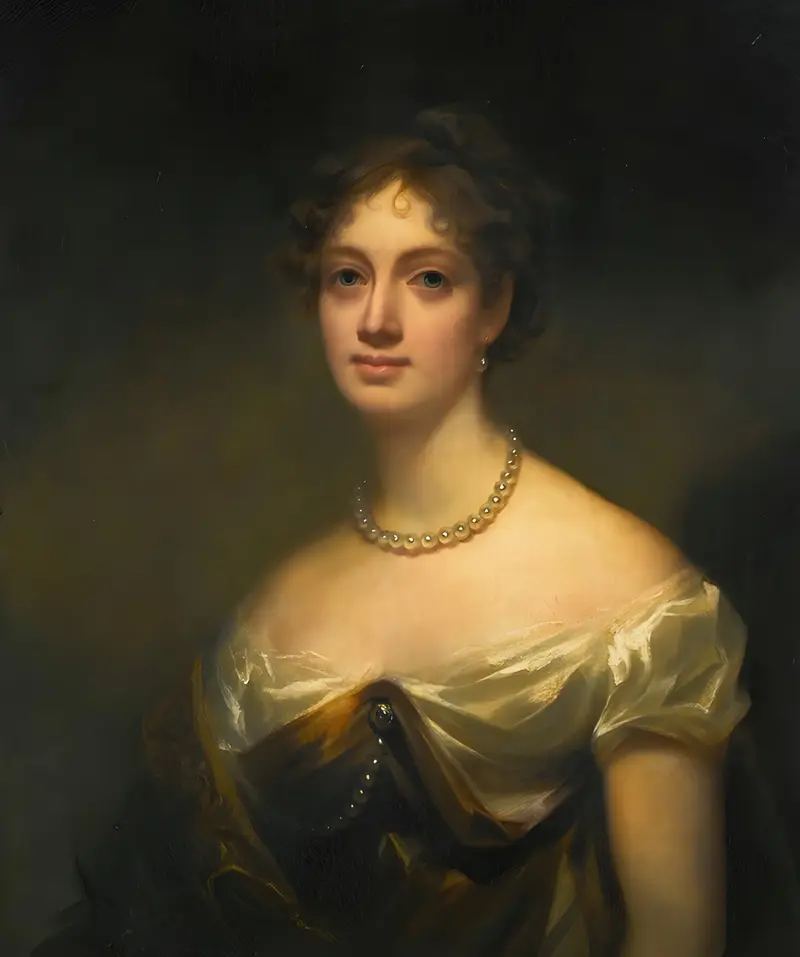
Portrait Of Anne Blair Maconochie Welwood Of Garvock, Lady Meadowbank (1784–1866)
Sir Henry Raeburn
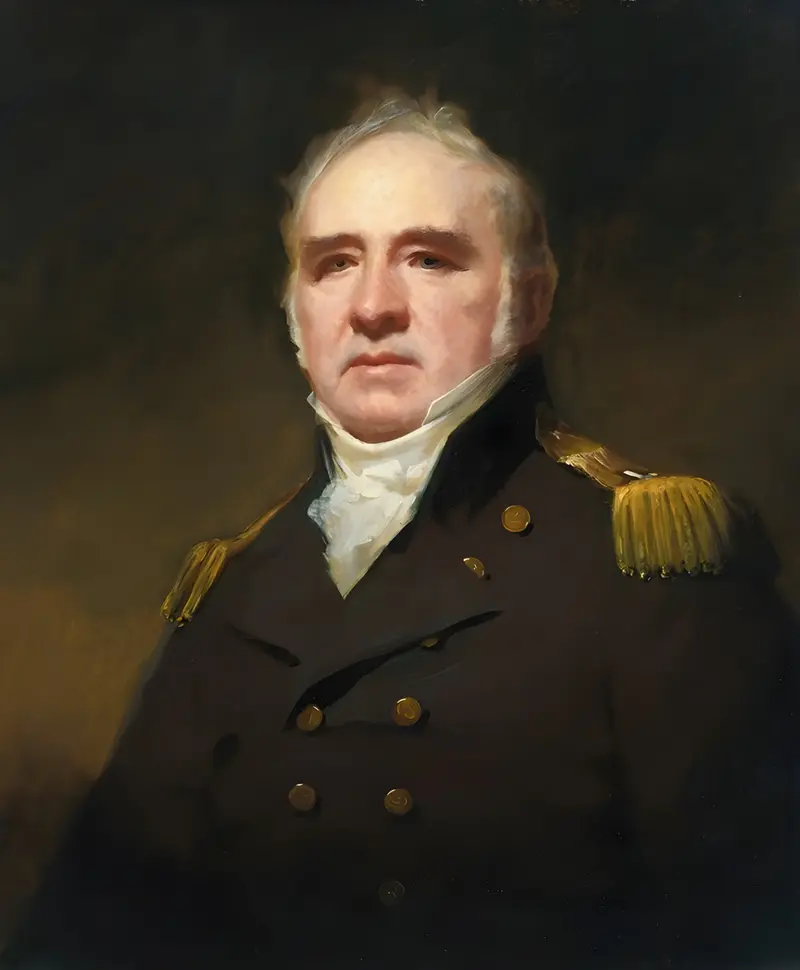
Portrait Of Captain James Forbes-Drummond, R.N., Of Hawthornden
Sir Henry Raeburn
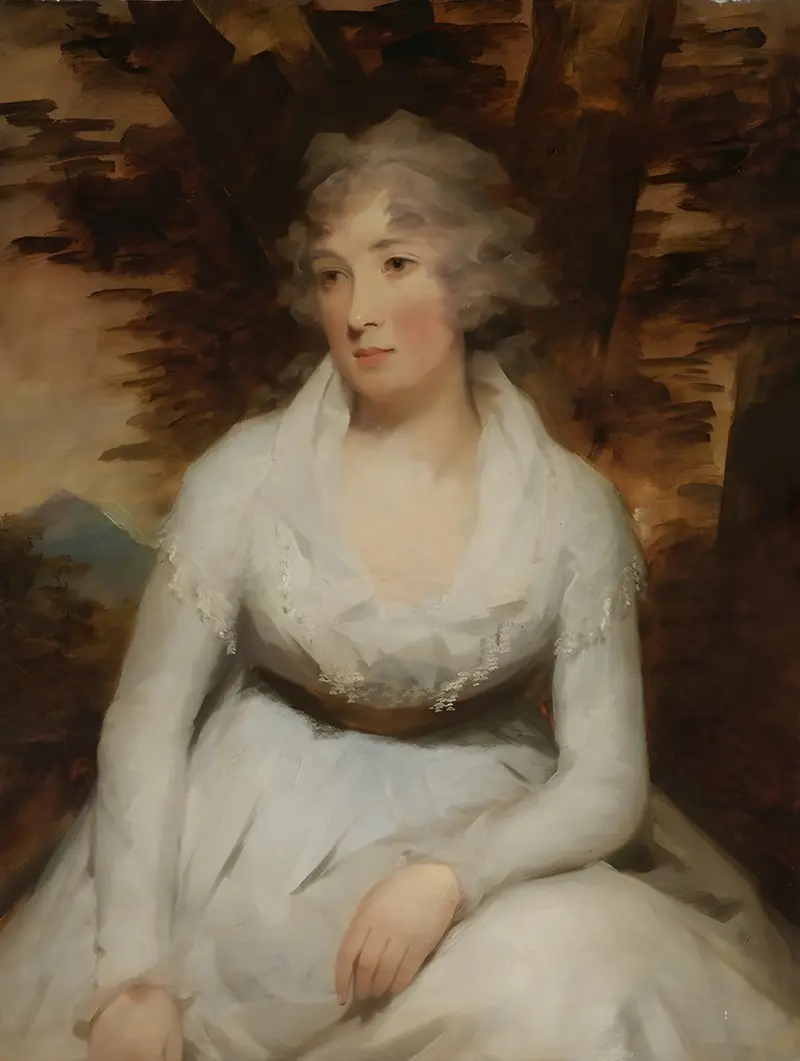
Miss Elizabeth Dalrymple (afterwards Mrs. George Leith)
Sir Henry Raeburn
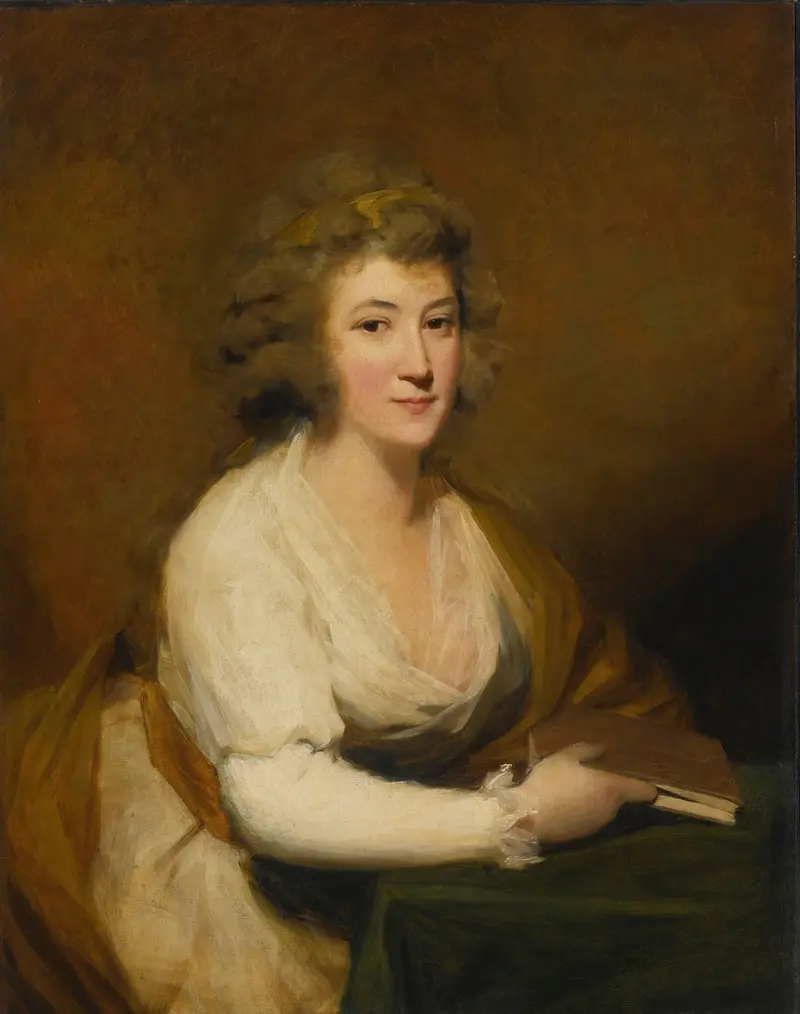
Portrait Of Lady Nasmyth, In A White Dress And Brown Shawl, Seated At A Table, Holding A Book
Sir Henry Raeburn
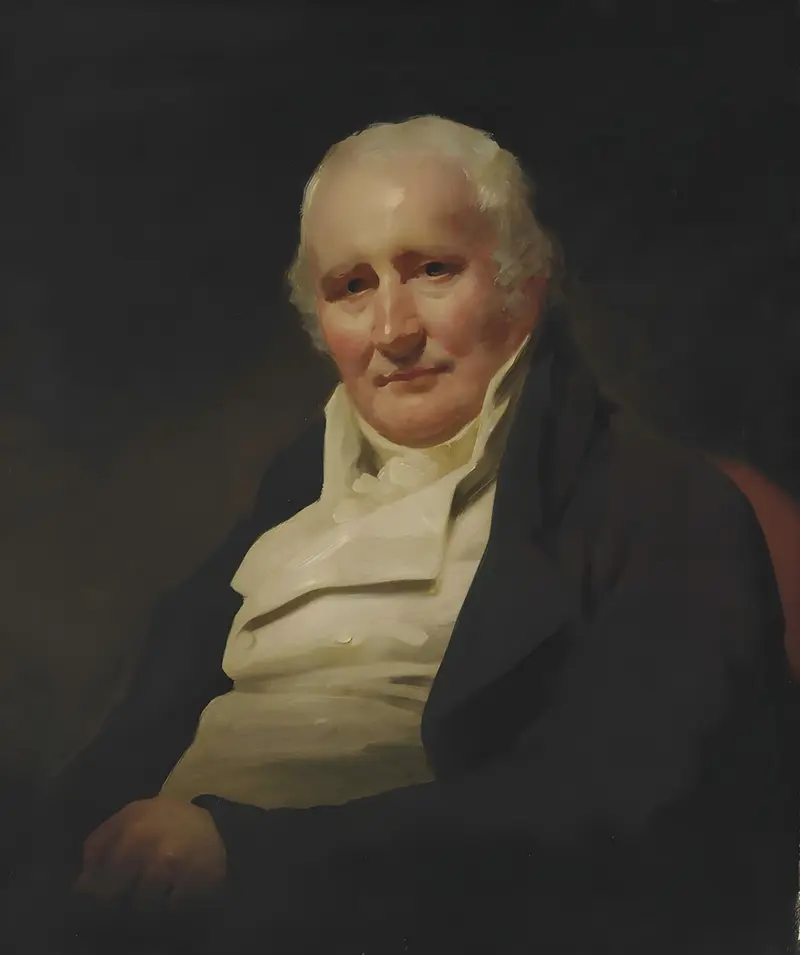
Portrait Of Mr. Spottiswood
Sir Henry Raeburn
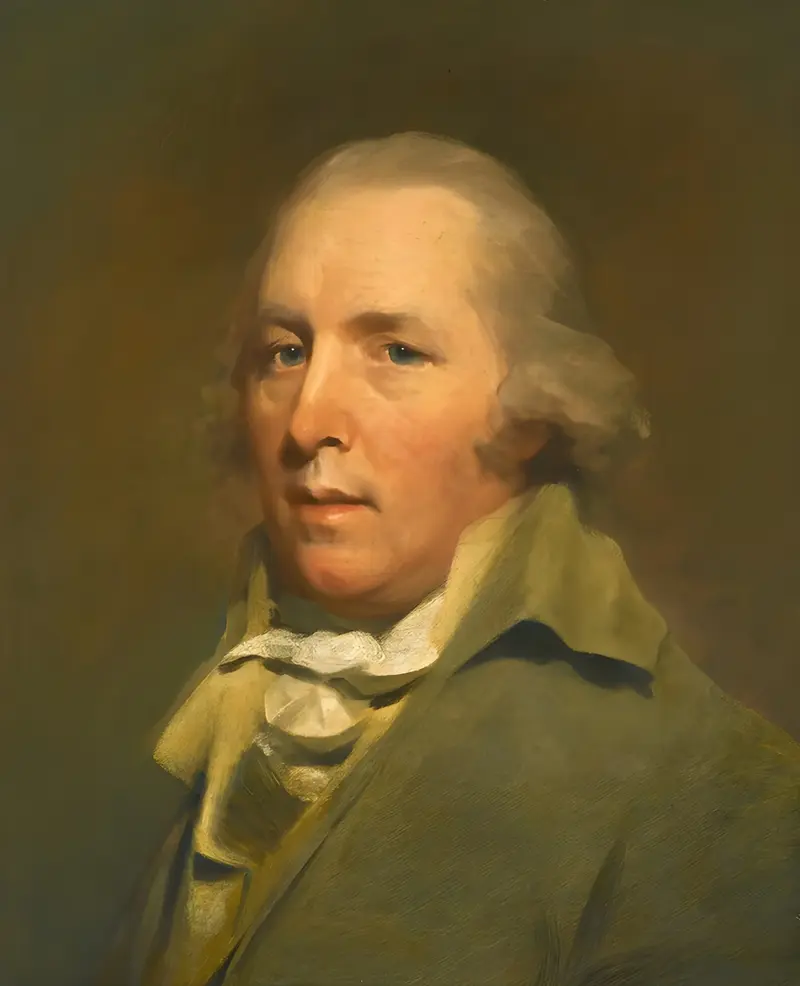
Portrait Of The Reverend John Home (1722-1808)
Sir Henry Raeburn
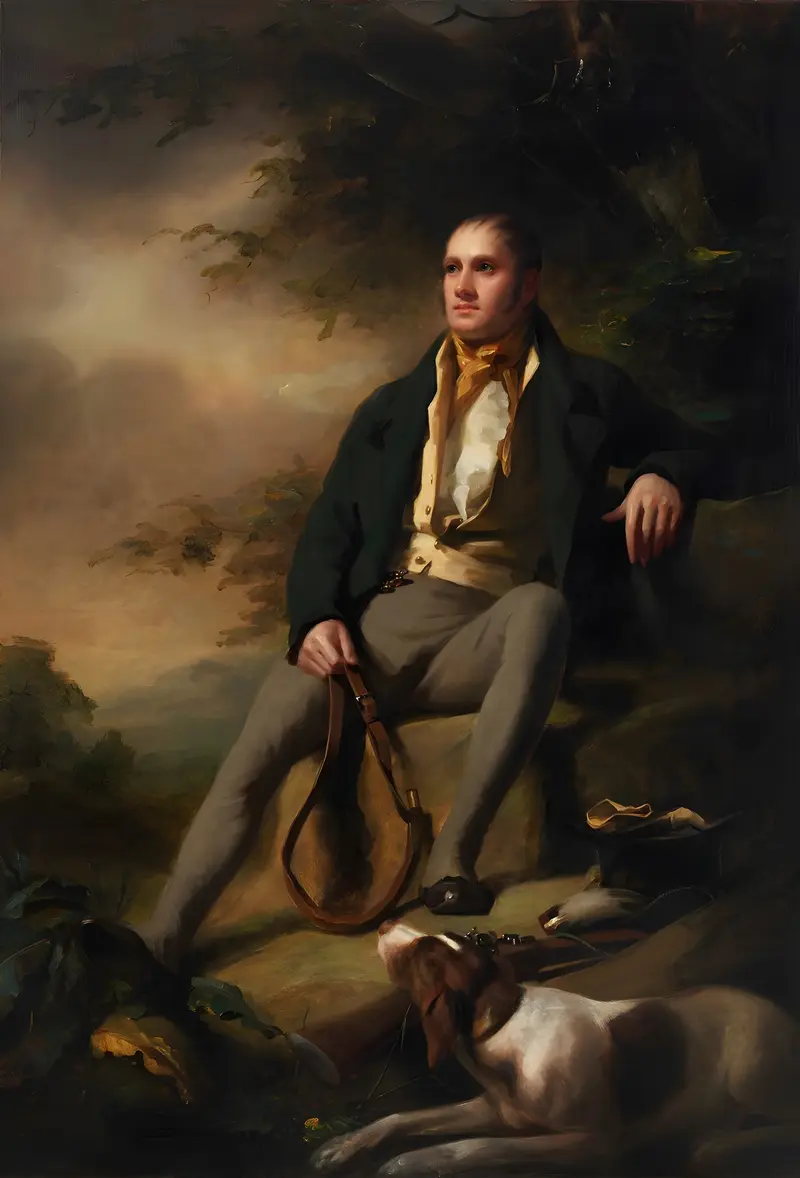
Portrait of William Hunt (c.1796-1854), Pittencrief House, Dunfermline
Sir Henry Raeburn
James Hutton, 1726 – 1797. Geologist
Sir Henry Raeburn





